REVIEW · CUSCO
Two-Day Train Tour to Sacred Valley and Machu Picchu
Book on Viator →Operated by Wondrous Expeditions · Bookable on Viator
Crammed days can be worth it here. This two-day train tour pairs the Sacred Valley’s key Inca stops with an early-morning push to Machu Picchu, so you get big sights without committing to a long multi-day trek. I like the way it balances Peru’s practical realities (transport, meals, timed pickups) with real archaeological stops like Chinchero, Moray, and Ollantaytambo. I also like that the tour keeps the group size small, with a maximum of 15 people, which helps the guide actually get to your questions—especially if you’re lucky enough to have someone like Ronald Cana or Juan, who both stood out in the experience reports I read.
The one thing to keep in mind is that this is a packed schedule with an early wake-up for Machu Picchu. If you’re not into long travel days and early starts, this might feel like you’re always moving rather than lingering.
In This Review
- Key highlights I’d book around
- Price and what you’re really paying for ($360 per person)
- Meeting your group in Cusco: pickup timing that affects your whole day
- Day 1 in the Sacred Valley: five stops, one clear theme
- Chinchero: textiles and an easy first win (30 minutes)
- Moray: Inca crop experiments in circular terraces (30 minutes)
- Maras Salt Mines: thousands of ponds down the hillside (20 minutes)
- Urubamba lunch: buffet time and a needed reset (50 minutes)
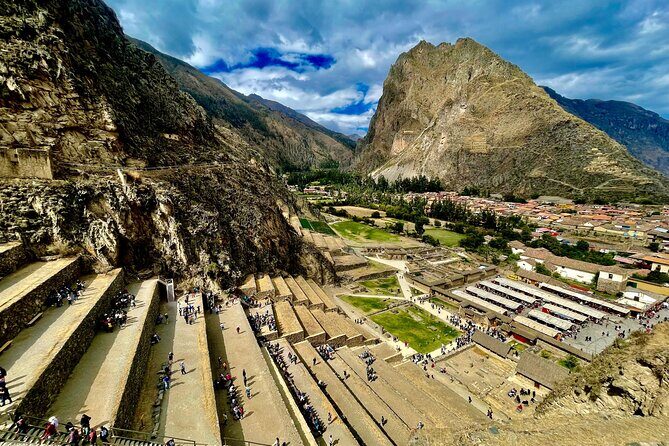
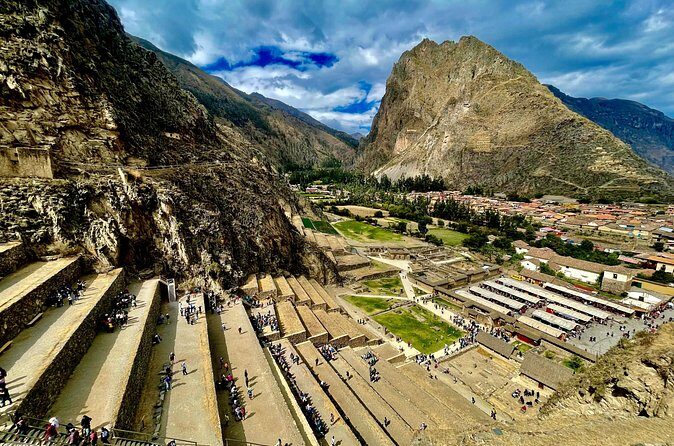
- Ollantaytambo: a defensive Inca stronghold (1 hour)
- Day 2: early wake-up, train to Aguas Calientes, and the Machu Picchu sunrise plan
- Train leg: Ollantaytambo to Aguas Calientes round trip
- Machu Picchu itself: about 2 hours with a pro guide
- What’s included at Machu Picchu
- Included meals and comfort: you’ll be fed, but pace yourself
- Who this tour fits best (and who should pick something else)
- Price value check: worth it, with one small budgeting rule
- Quick practical checklist (based on what this itinerary demands)
- Should you book this two-day Sacred Valley and Machu Picchu train tour?
- FAQ
- Where does the tour start in Cusco?
- What time does the tour start?
- Is pickup included?
- What’s included in the price?
- What admission fees are not included?
- How is Machu Picchu ticket timing handled?
Key highlights I’d book around
- Sacred Valley in one day: Chinchero, Moray, Maras salt ponds, Urubamba lunch, and Ollantaytambo all fit into the Day 1 route.
- Inca farming to salt science: Moray’s circular terraces and the layered salt pans at Maras show two very different kinds of Inca know-how.
- Early sunrise-style Machu Picchu timing: You wake at 4:30 a.m. and head to the entrance to catch the light over the ruins.
- Train comfort, less stress: Round-trip train from Ollantaytambo to Aguas Calientes is included, so you’re not figuring out the rail leg on your own.
- Guides do the heavy lifting: You get a professional guide for the Sacred Valley day and about 2 hours in Machu Picchu.
- Meals and transport are built in: Dinner, breakfast, and lunch are included, plus tourist transport around the Sacred Valley.
Price and what you’re really paying for ($360 per person)
At $360 per person for a two-day package, this isn’t a bare-bones budget tour. But it’s also not just “a bus and a ticket.” The price bundles together a few expensive, hard-to-fix pieces: hotel-area pickup logistics in Cusco, all-day transport for the Sacred Valley circuit, included meals, and a round-trip train between Ollantaytambo and Aguas Calientes.
That matters because Machu Picchu is where plans go sideways fastest. Tickets must be timed, train schedules can pinch you, and late changes can force you to buy extra lodging. This tour explicitly notes that it books Machu Picchu tickets about 2 months in advance; if that timing can’t happen, you might need an extra night. So part of what you’re paying for is reduced stress around the Machu Picchu bottleneck.
Still, there are add-ons. Sacred Valley tickets are not included (listed as s/90 soles, about $25 USD), and the Moray and Maras stops show admission as not included. In other words, the base price covers the big blocks, but you’ll want to budget a little extra on-site.
You can also read our reviews of more tours and experiences in Cusco.


Meeting your group in Cusco: pickup timing that affects your whole day
This tour starts at the Plaza de Armas in Cusco (meeting point: Plaza de Armas Cusco 08000) with a start time of 7:00 am. If you’re staying outside the city center, pickup is listed at 6:45 am from the main square.
That might not sound dramatic, but it’s a big deal when you’re in Cusco. Early starts mean you can dodge some crowds and avoid rushing through breakfast or coffee. It also means you’ll be ready for the first leg to Chinchero without trying to coordinate taxis.
The good part: the tour says it offers pickup offered and you’ll be near public transportation at the meeting point. The practical expectation is that you should show up a bit early so you don’t lose time to check-in.
Day 1 in the Sacred Valley: five stops, one clear theme
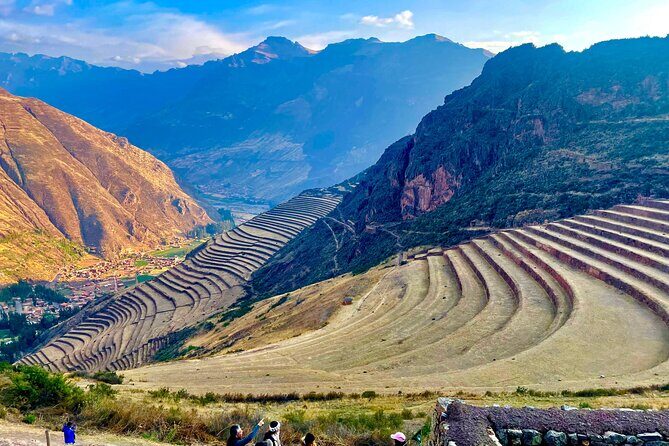
Day 1 is all about the Inca world’s everyday systems—how they fed a huge empire and how they defended territory. You’ll cover Chinchero → Moray → Maras Salt Mines → Urubamba lunch → Ollantaytambo. Most stops are short, with time carved out for walking and photos, plus guided context so you’re not just collecting viewpoints.
Chinchero: textiles and an easy first win (30 minutes)
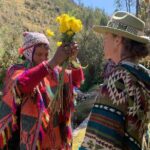
Chinchero is your first stop, and it’s designed as a soft entry after pickup. The tour lists admission ticket free and about 30 minutes there.
Why I like this kind of first stop: you’re still awake, your altitude acclimation is happening, and you get an immediate sense of the valley region before the more technical sites kick in later. Expect a charming village feel rather than a long, intense ruins hike.
If you’re the type who wants your first Inca site to feel approachable, Chinchero is a good match.
Moray: Inca crop experiments in circular terraces (30 minutes)
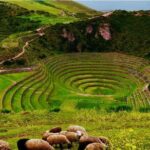
Moray is next, and it’s one of the more fascinating “how did they think of that?” stops on this route. The circular terraces were used by the Incas for crop acclimatization, basically using microclimates to experiment with growing conditions.
The listed time is 30 minutes, and admission is not included. That’s a small potential annoyance, but it also means you can plan to bring cash and handle the payment quickly.
A practical tip: Moray’s layout is all about geometry and viewpoint angles. If your photos matter to you, arrive ready to look around rather than only walking straight through.




Maras Salt Mines: thousands of ponds down the hillside (20 minutes)
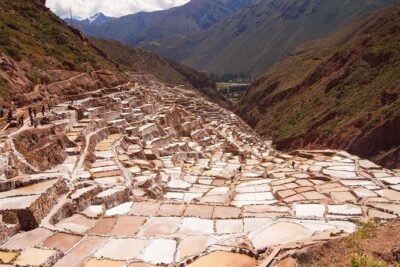
Then you’re heading to Salt Maras Peru, with the famous thousands of salt ponds cascading down the slope. The tour gives 20 minutes and again notes admission not included.
This is one of those places where short time still works because the scene hits fast. You don’t need a long walk to understand what you’re seeing: layered ponds on the mountainside, all in use historically and still today.
The only caveat is timing and footing. Hillsides can be uneven, so good shoes matter more than you think. The tour includes tourist transport between stops, but it’s your time on-site that determines how comfortable you feel.
Urubamba lunch: buffet time and a needed reset (50 minutes)
Between the ruins and the final fortress stop, you get lunch in Urubamba Valley. The schedule lists a 50-minute window and a buffet lunch, with admission listed as free.
This break is more than just food. It’s where you reset physically—hydrate, grab carbs, and take a breather before Ollantaytambo. I like that the tour doesn’t treat lunch as a quick stop where you inhale something standing up. You have enough time to eat and regroup.
If you’re sensitive to altitude or you tend to feel sluggish after meals, this longer lunch window helps you avoid the “too full, too tired” trap.
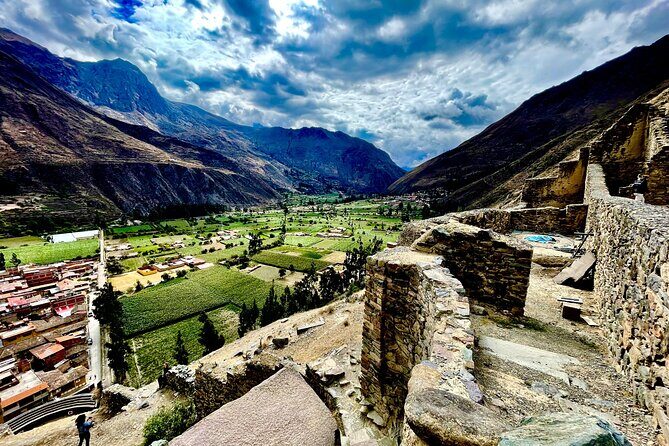
Ollantaytambo: a defensive Inca stronghold (1 hour)
Ollantaytambo ends Day 1. The time is about 1 hour, and admission is listed as free.
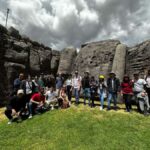
This stop is framed as a key defensive site during the Inca civil war, with you exploring the Temple of the Sun and learning how the fortress functioned strategically. Even in a shorter visit, you get that “this place mattered” feeling—stonework designed for resistance, not just ceremonies.
If you want a sense of how the Inca empire held territory, this is the best stop to connect the dots after Moray and Maras show their practical side.
Day 2: early wake-up, train to Aguas Calientes, and the Machu Picchu sunrise plan
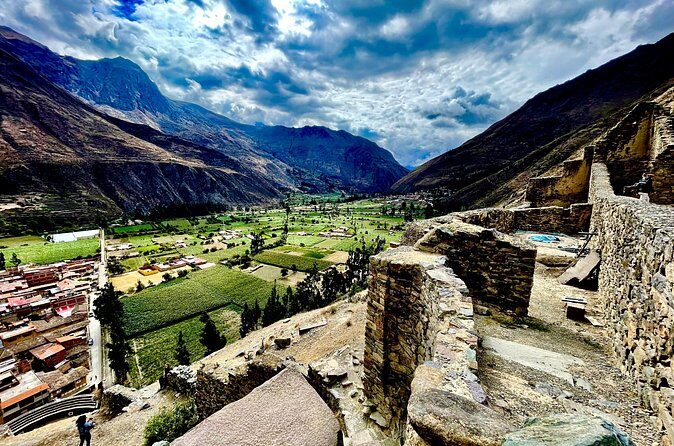
Day 2 is where the schedule gets more intense. The tour lists an overall timing of 17 hours for this day’s Machu Picchu portion. You’ll start waking early: wake-up at 4:30 a.m. after breakfast at 5:00 a.m. You then go to Machu Picchu with your guide at the entrance to experience sunrise light over the ruins.
It’s not a casual day. But it is the kind of timing that often makes Machu Picchu feel less like a theme-park day and more like a once-in-a-lifetime moment, even when you only have a few hours on-site.
Train leg: Ollantaytambo to Aguas Calientes round trip
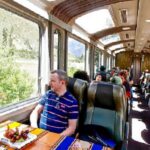
This tour includes the tourist train from Ollantaytambo to Aguas Calientes and back. Having that included is a major value point. In practice, it saves you from working out ticket types, time slots, and connections—especially helpful if you arrive in Peru with limited bandwidth.
Aguas Calientes is where you base yourself for Machu Picchu. The tour handles the rail component, and your main role is to be on time and keep your essentials organized.
Machu Picchu itself: about 2 hours with a pro guide
The listed guide time in Machu Picchu is 2 hours. That’s long enough to see key zones, get explanations you’ll remember, and not just walk through with your own guesswork.
Your guide will be ready at the entrance to help you witness the sunrise experience. The practical benefit of having a guide here is interpretation. Machu Picchu isn’t laid out like a simple museum. A good guide helps you understand why buildings are where they are and what you’re looking at.
I saw multiple comments in the supplied experience notes emphasizing how much the guide experience elevated the day. Ronald Cana was singled out for making the history and local culture feel clear and engaging. Juan was also described as attentive and present when needed. Even if you don’t get the exact same person, the consistent theme is that your enjoyment depends heavily on the person leading the walk.
What’s included at Machu Picchu
The tour lists Machu Picchu tickets are included through advance booking, with booking noted as about 2 months in advance. If that can’t happen, you may need an extra night. Plan for that possibility if you book late.
Also, the tour lists admission to Machu Picchu as free (as part of the package), which usually means you won’t show up worrying about whether your ticket matches your entry time—assuming everything is handled correctly at booking.
Included meals and comfort: you’ll be fed, but pace yourself
Meals included are clear: dinner, breakfast, and lunch. This is another value lever. In Cusco and the Sacred Valley, food costs add up fast, and the timing can be tricky. When meals are built into the itinerary, you spend less time hunting for something open and more time enjoying the day.
One practical note: buffet lunches can be heavy. If you’re prone to feeling tired after eating, don’t go maximum on everything. You still have driving time and walking afterward.
The tour also includes a first aid kit, which is comforting on a day with altitude exposure and uneven ground at multiple sites.
Who this tour fits best (and who should pick something else)
This tour says travelers should have moderate physical fitness. The day includes walking at each site plus the early push for Machu Picchu.
If you know you want Machu Picchu but you’re not trying to do a multi-day trek, this kind of setup makes sense. The tour’s “two days, train help, guided stops” approach is often a smart middle path for couples and solo travelers who want structure.
On the flip side, if you love unhurried travel—slow mornings, long stays in one place—this schedule can feel like a sprint. Short stop times at Moray and Maras mean you’ll see the highlights, but you won’t have hours to wander.
Price value check: worth it, with one small budgeting rule
Here’s the value equation as I see it:
- Included: Sacred Valley transport, train round trip to Aguas Calientes, guide services, meals, and Machu Picchu ticket booking plan.
- Not included: Sacred Valley tickets (s/90 soles), and admission for Moray and Maras is listed as not included.
So yes, the $360 price looks high compared to a basic day tour. But once you count the train leg and guided time, plus the meals and timing support, it starts looking like a solid deal—especially if Machu Picchu is your top priority and you want a plan that reduces the risk of ticket/train mismatches.
The budgeting rule: bring extra cash for on-site admissions that are listed as not included.
Quick practical checklist (based on what this itinerary demands)
I’d pack with the assumption you’ll be on your feet and moving early:
- comfortable walking shoes for hills and ruins
- cash for Sacred Valley and any listed admissions not included
- water and snacks for between meals (even if the big meals are covered)
- a light layer for early morning at Machu Picchu (sunrise plans tend to be cool)
And mentally prep for an early wake-up. If sunrise matters to you, you’ll be happy you did.
Should you book this two-day Sacred Valley and Machu Picchu train tour?
Book it if:
- you want Machu Picchu sunrise-style timing without committing to a long trek
- you like guided explanations at major sites
- you’d rather pay a package price than coordinate trains and tickets on your own
- you’re comfortable with a moderate activity level and an early start
Consider another option if:
- you hate rushed days and prefer longer time in fewer places
- you’re traveling with limited flexibility and you might book too late to secure the Machu Picchu ticket timing noted in the plan
If you get a strong guide, this itinerary can feel more than the sum of its stops. The names Ronald Cana and Juan came up in the experience notes for a reason: when the guide is excellent, you walk away with context, not just photos.
FAQ
Where does the tour start in Cusco?
The meeting point is Plaza de Armas Cusco 08000, Peru.
What time does the tour start?
The start time is 7:00 am. If you are outside the city center, pickup is listed for 6:45 am from the main square.
Is pickup included?
Yes, pickup is offered. The tour mentions hotel pickup from the city center, with the alternative pickup location/time if you’re outside the city center.
What’s included in the price?
The package includes dinner, breakfast, lunch, tourist transport around the Sacred Valley, round-trip train from Ollantaytambo to Aguas Calientes, a professional guide (Sacred Valley whole day and about 2 hours at Machu Picchu), a first aid kit, Machu Picchu ticket booking (about 2 months in advance), and all tourist taxes.
What admission fees are not included?
Sacred Valley tickets (s/90 soles) are not included, and the tour notes that admissions for Moray and Salt Maras are not included.
How is Machu Picchu ticket timing handled?
The tour states it books Machu Picchu tickets about 2 months in advance. If that advance booking cannot be done, an extra night may be needed, and you’re advised to contact the operator.