REVIEW · CUSCO
Private Inca Trail Trek to Machu Picchu 4 Days / 3 Nights
Book on Viator →Operated by South Adventure Peru Tours · Bookable on Viator
Machu Picchu starts with a dawn hike. This private Inca Trail trek takes you from the official Km 82 start, past big Inca ruins and high passes, to a guided sunrise moment at Inti Punku and a full Machu Picchu tour. I especially like the way the trip handles the heavy lifting—private van transfers, permits, transport, and trail logistics—so you can focus on the walking.
Two things I really like: you get a licensed English-speaking guide who keeps the history and timing clear, and you’re not stuck worrying about food and camping basics. The team also brings real safety gear on the trail (including oxygen and a satellite phone), which is oddly comforting when you’re grinding up high passes.
One consideration: this is a serious, high-altitude trek. The itinerary includes Dead Woman’s Pass (Abra Warmiwañusca) at 4,200 m and a “hardest day” stretch, so you’ll want solid conditioning and patience on the climbs.
In This Review
- Key Things You’ll Notice On This Private Trek
- Why This 4 Days / 3 Nights Style Works So Well
- Cusco Morning Transfer and The Km 82 Start (Day 1: Urubamba Valley Leads In)
- Day 1 to Day 2 Camps: Comfort, Toilets, and Why They Matter
- Day 2: The Hardest Day, Dead Woman’s Pass, and Cloud Forest Work
- Day 3: Inca Ruins, Passes, Jungle Color, and Puyupatamarca
- Day 4: Sunrise at Inti Punku, Guided Machu Picchu, and Huayna Picchu Choice
- Price and Value: What $1,395 Buys You (and What to Think About)
- The Human Side: Guide, Porters, and That Thoughtful Birthday Moment
- What to Pack and What to Rent (So You Don’t Suffer Unnecessarily)
- Who This Private Inca Trail Trek Is Best For
- Should You Book This Private Inca Trail Trek to Machu Picchu?
- FAQ
- What’s the duration of the Private Inca Trail Trek to Machu Picchu?
- When do pickup and the trek start?
- Is this a private tour?
- What languages are guides offered in?
- What’s included in the trek package?
- Do you provide a sleeping bag?
- Are trekking poles included?
- Is Huayna Picchu included?
- How difficult is the route?
- What happens if the trip is canceled due to weather?
Key Things You’ll Notice On This Private Trek
- You start early and move efficiently, with morning pickup from Cusco and transport routed through Chinchero, Urubamba, and Ollantaytambo.
- Most logistics are bundled: permits, entrance tickets, train and bus, camping set-up, meals, and water.
- Two guides can be provided for larger groups (9+), which helps with pacing and trail questions.
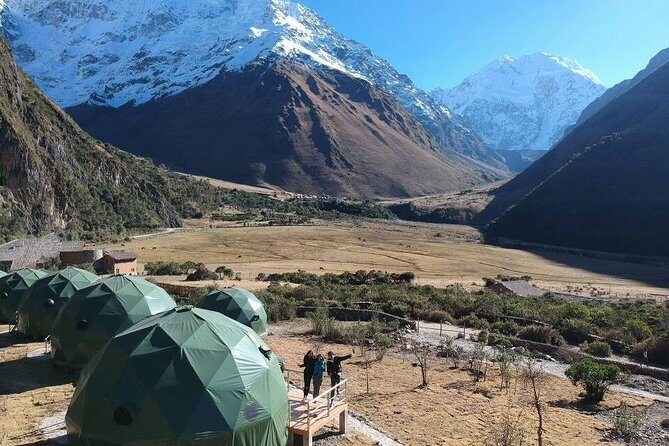
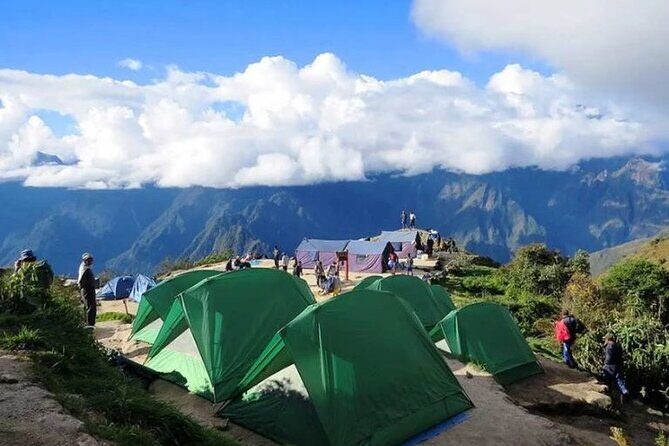
- You camp comfortably for the Inca Trail, with shared spacious tents, Thermarest sleeping mattresses, and portable toilets.
- Your Machu Picchu day is timed for sunrise, reaching Inti Punku before crowds and then touring key areas with a guide.
- Optional Huayna Picchu costs extra, but you keep the choice in your hands after Machu Picchu exploration.
Why This 4 Days / 3 Nights Style Works So Well
The classic Inca Trail experience is not just “walk until you see ruins.” It’s pacing, altitude, and a sequence of archaeological moments that builds like a story: river valley starts, cloud forest climbs, a big high pass, then ruins again—finally sunrise and the citadel.
This particular version is private, which matters more than it sounds. When it’s just your group, the guide can match the pace to your comfort level and you’re not watching the slowest person disappear into the distance. You also get direct support on the practical stuff: transfers, entry fees, meals, and emergency gear are built into the plan.
The itinerary is also designed to reduce decision fatigue. You’ll check in at the official start area (Km 82), camp nights along the trail, then get a timed Machu Picchu morning with a guided walk through major sections. If you’re trying to keep your trip smooth while still doing something unforgettable, this is a strong format.
You can also read our reviews of more private tours in Cusco
Cusco Morning Transfer and The Km 82 Start (Day 1: Urubamba Valley Leads In)
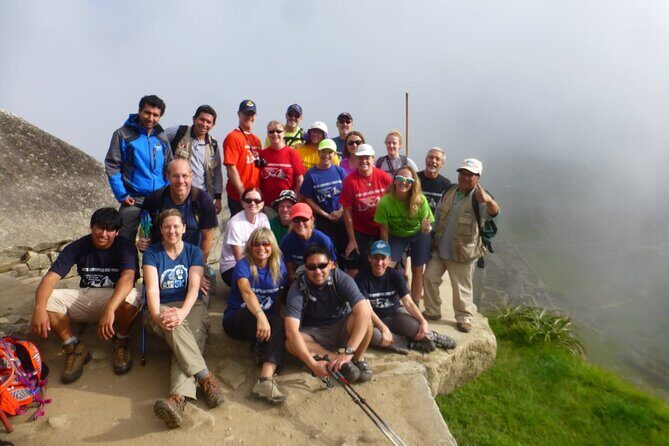
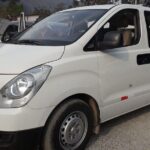
Day 1 begins with an early wake-up rhythm. You’re picked up in Cusco around 5:30 AM, then ride by private van through Chinchero, Urubamba, and Ollantaytambo. If you want a first taste of the region, this drive route is useful: it links Cusco’s old world feel with the Sacred Valley corridor before you ever lace up your boots.
Once you reach the official starting point at Km 82, you check in and start hiking along the Urubamba River toward Huillca Raccay. This is the “get your breath back and take in the scale” part of the trek. You get panoramic views of the Urubamba Valley and Mount Veronica (5,870 m). Even if you move slowly (you should), that viewpoint helps you understand why the Inca Trail mattered.
After about three hours, there’s a buffet lunch near the Llaqtapata ruins, plus a short guided visit. That timing is smart. You’re fed before the next uphill push, and you also get a meaningful archaeological stop rather than just walking through scenery.
Then comes the ascent to Wayllabamba campsite at roughly 3,000 m. The day ends with dinner, tea, and rest under the stars. Cold showers are available at this campsite, which is exactly what you’d expect at this altitude—plan to use them only if you’re feeling brave.
Love note from the real world: this is the kind of day where having a good guide matters. Your guide helps you pace your effort when you’re still adjusting to altitude and morning cold.
Day 1 to Day 2 Camps: Comfort, Toilets, and Why They Matter
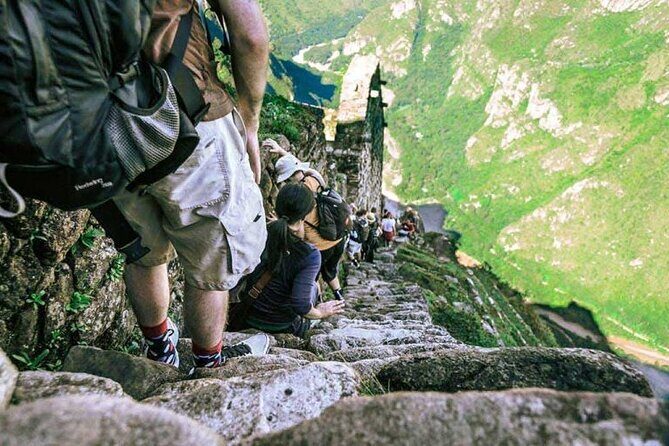
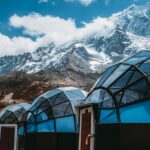
Campsite life on the Inca Trail can feel either “manageable” or “miserable,” depending on how well it’s set up. Here, the trip includes spacious tents for 4 shared by 2 people, plus a sleeping mattress (Thermarest). That’s not luxury, but it makes a measurable difference the next morning.
You also get access to private portable toilets. That sounds like a minor detail until you’ve hiked all day and need a quick, dignified solution in the dark. It reduces stress, which keeps your energy where it belongs: on the trail.
The plan also provides purified drinking water and snacks daily. You still need to manage your own hydration habits, but having the system in place helps you avoid the “I forgot something” spiral.
One more thing I appreciated: the itinerary doesn’t pretend the trek is easy. It simply gives you the basics to survive comfortably so you can focus on the next day’s climb.
Day 2: The Hardest Day, Dead Woman’s Pass, and Cloud Forest Work
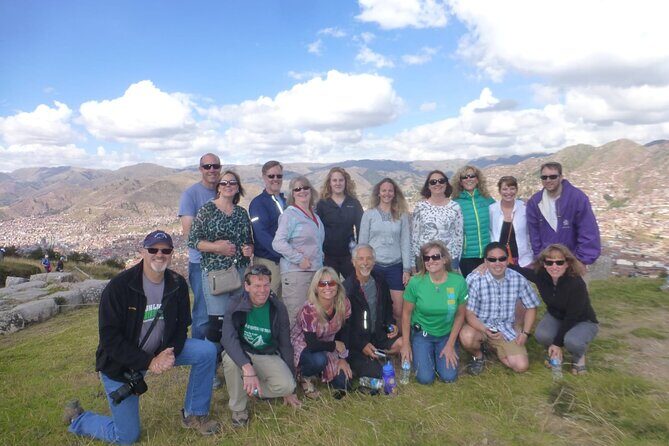
Day 2 is the make-or-break day for many people. You start with a country breakfast, then hike along the ancient trail beside the Lluyuchayoc River. The plan calls it the hardest day, and that tracks with the route design: steep climbs, long hiking time, and the altitude jump toward the high pass.
Early on, you’ll reach Tres Piedras and cross the Wayruro Bridge for a short rest and toilet break. Then the trail climbs steeply through cloud forest, with views toward Lluyucha Pampa (3,680 m). This is where pace matters most. If you rush early, you’ll pay for it later at the top.
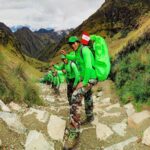
The main event is Abra Warmiwañusca (Dead Woman’s Pass) at about 4,200 m—the highest point of the trail. After you take the required breathing breaks (and you will), you start descending into the Paqaymayu Valley around 3,600 m, where you camp again.
Here’s the practical takeaway: you don’t need hero mode. You need steady rhythm. This is the day where a licensed guide’s pacing advice becomes gold—especially if you’re not fully acclimatized.
Also, you’ll be glad you’re not carrying camping equipment. Porters handle the camping gear and you only carry a personal duffle bag up to 7 kg (15 lb) (as stated), which keeps the climb from turning into an endurance test you didn’t plan for.
Day 3: Inca Ruins, Passes, Jungle Color, and Puyupatamarca
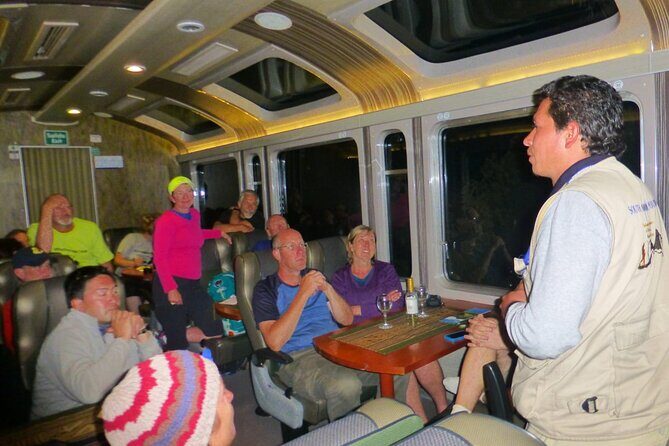
Day 3 is where the trek starts feeling like a living Inca route rather than a long hike. You begin with breakfast around 7:00 AM and set out on a roughly 15 km trek.
You climb to Runkuracay, a circular site believed to have served as a storage and rest point for Inca messengers. It’s a great stop because it’s not just dramatic views—it’s functional history. Then you continue toward the second pass before descending to Sayaqmarca, known as the Inaccessible Town, passing two small lagoons along the way.
After that, the route transitions into lush jungle along the trail, with orchids and bromeliads (you might spot them more than you expect). You’ll also pass an Inca tunnel and follow a ridge route to Puyupatamarca (Town in the Clouds).
Puyupatamarca is one of the best stops on Day 3 because it combines sacred architecture with wide views. You’ll see fountains, terraces, and a sweeping look toward Salcantay, Veronica, and Pumasillo. Then lunch happens here, which is ideal—you’re high enough to feel the altitude but still able to enjoy the setting.
From Puyupatamarca you descend to Wiñay Wayna, one of the most beautiful Inca sites along the route. Terraces, fountains, and ceremonial structures make it feel like a finale before Machu Picchu. After exploring, you settle into your campsite nearby.
Day 3’s core value is the rhythm: hike, ruin, breathe, ruin again. If you’re the type who needs “moments” rather than a straight slog, this day is built for you.
You can also read our reviews of more hiking tours in Cusco
Day 4: Sunrise at Inti Punku, Guided Machu Picchu, and Huayna Picchu Choice
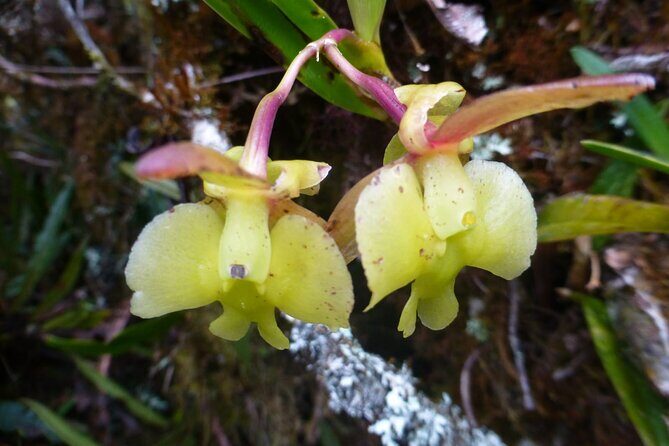
Day 4 starts very early: wake-up around 4:30 AM for breakfast, then you hike down from cloud forest into high jungle. The plan notes that you might see orchids and hummingbirds, which is a nice reminder that Machu Picchu doesn’t just sit in a postcard—your approach is alive with wildlife.
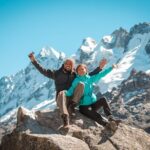
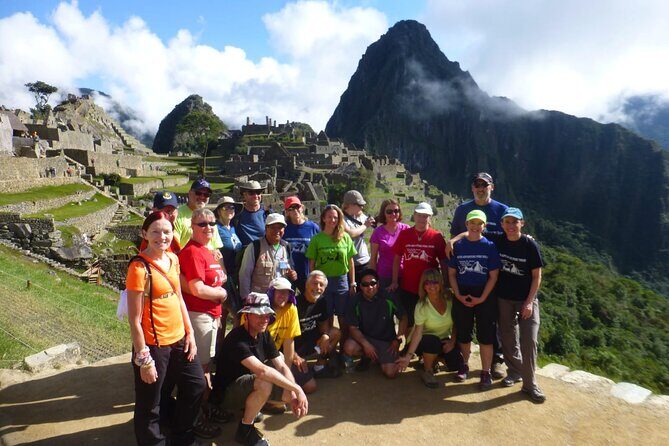
You reach Inti Punku (Sun Gate) with time to watch sunrise over Machu Picchu from a panoramic viewpoint. This is the moment most people remember, not because it’s flashy, but because it’s timed. You see the citadel when the light hits it best, and you’re not just arriving after everyone else has already formed their photo lines.
After Inti Punku, you continue down for a guided tour of key areas: the Main Plaza, Royal Quarters, Temple of the Three Windows, and more. You’ll then get free time to explore at your own pace, which is important. Even with a guide, you want a chance to slow down and choose what you care about most.
Optional add-on: if you pre-book Huayna Picchu, it’s an additional $85. That climb can be intense, so only pick it if you’re comfortable with steep terrain.
In the afternoon, you return by bus to Aguas Calientes, then continue by train and private transfer back to your hotel. The day is packed, but the sequence is smooth: you get the sacred morning and then a clear route back to comfort.
Price and Value: What $1,395 Buys You (and What to Think About)
At $1,395 per person, this trek isn’t cheap—but it’s not just paying for hiking. You’re paying for permits and entrance fees, the guide team, trail meals, camping setup, porter support, emergency equipment, and the entire chain of transport (hotel pickup/drop-off plus train and bus).
Here’s what I’d call good value:
- Official Inca Trail permit + Machu Picchu entrance included, which is a big deal for planning and stress.
- Meals are included: daily snacks, purified drinking water, and full breakfasts, lunches, and dinners.
- Safety gear is included: first aid kit, oxygen, and a satellite phone. That’s not common for every trek format.
- Porter service for camping equipment plus a stated personal allowance (7 kg). This keeps the trek doable without extra gear hauling.
Where you should be realistic:
- You still need to be physically ready for a high pass day.
- A few essentials aren’t included: a sleeping bag rated to -20°C is not provided, though you can rent trekking poles in advance.
- If you want Huayna Picchu, that’s extra.
Also, the private nature is part of the equation. In the reviews, the care level comes through: Ruben and Tatiana (owners of South Adventure Peru Tours) show up on the planning side, and a guide like Rosalio is praised for keeping people encouraged through the hard moments.
The Human Side: Guide, Porters, and That Thoughtful Birthday Moment
What really elevates this experience is how many moving parts they handle without making you chase them.
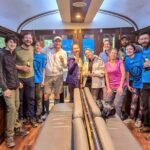
The reviews highlight owners Ruben and Tatiana making sure details are covered, and they specifically mention surprises like a birthday cake on the Inca Trail up in the mountains—one group celebrated two 50th birthdays that way. That’s not something you should plan your whole trip around, but it tells you something important: the team is paying attention.
On the trail, guides and porters are part of your daily rhythm. Rosalio is mentioned by name as an excellent guide—someone who kept hikers laughing, supported them through the tough stretches, and made the history understandable. Porters are also described as helpful, carrying equipment smoothly while staying cheerful despite heavy work.
If you like experiences where people treat you like a person—not a booking—this style fits.
What to Pack and What to Rent (So You Don’t Suffer Unnecessarily)
The data is clear about what’s not included: a sleeping bag rated to -20°C is not provided, and trekking poles can be rented in advance.
So your practical checklist should include:
- A sleeping bag rated for cold nights (or rent ahead if that’s offered through the same service).
- Trekking poles if you prefer them—especially for Day 2 and Day 4 descents.
- Your own altitude-minded mindset. Slow steps win here.
Also note: you get a rain poncho and Inca Trail T-shirt as part of the included items, plus a pillow and hand towels. That reduces what you need to bring, which is helpful if you’re traveling light.
Who This Private Inca Trail Trek Is Best For
This trek is a strong fit if:
- You want a private group experience with your own guide and pacing.
- You’d rather spend energy on the trail than on logistics.
- You care about having real Inca ruin time plus a guided Machu Picchu tour.
- You’re prepared for a hard day and don’t need a gentle, beginner-friendly route.
It may be less ideal if you:
- Have limited tolerance for high altitude effort.
- Expect long Machu Picchu wandering without structure. You do get free time, but the core is a guided route and timed sunrise approach.
Should You Book This Private Inca Trail Trek to Machu Picchu?
I’d book this when you want a well-run Inca Trail that gives you the big moments—Sun Gate sunrise, guided Machu Picchu highlights, and real ruins on the way—without you carrying the back-end burden. The included permits, meals, porter support, and emergency equipment are exactly the kinds of details that protect your time and keep the trip from turning into a scavenger hunt.
I’d think twice if you’re not ready for Dead Woman’s Pass and a long hardest-day climb. Also double-check sleeping bag plans before you go, because cold nights on the trail are real and the bag matters.
If you’re the kind of traveler who values smooth organization and wants the best day-planning energy during the hard parts, this private trek is a very solid choice.
FAQ
What’s the duration of the Private Inca Trail Trek to Machu Picchu?
It’s listed as 4 days (approx.), with 3 nights of camping on the Inca Trail.
When do pickup and the trek start?
Meeting info lists a 4:30 AM start time, and the itinerary mentions a 5:30 AM hotel pickup in Cusco.
Is this a private tour?
Yes. It’s described as a private tour/activity, meaning only your group participates.
What languages are guides offered in?
The tour is offered in English, with a licensed English-speaking guide.
What’s included in the trek package?
Included items include Inca Trail permit and Machu Picchu entrance fee, meals (breakfasts, lunches, dinners, daily snacks), purified drinking water, camping equipment like Thermarest sleeping mattresses and tents, porter service for camping equipment and up to 7 kg of personal items, and transportation including train and bus tickets plus hotel pickup and drop-off.
Do you provide a sleeping bag?
No. A sleeping bag rated to -20°C is not included. You can rent trekking poles in advance, and the sleeping bag is something you should plan for.
Are trekking poles included?
Trekking poles are not included. You can rent them in advance for the trip.
Is Huayna Picchu included?
Huayna Picchu is not automatically included. You can climb it if you pre-book for an additional $85.
How difficult is the route?
The trek includes the highest point at Abra Warmiwañusca (Dead Woman’s Pass) around 4,200 m, and the itinerary calls Day 2 the hardest day. It’s recommended for travelers with moderate physical fitness.
What happens if the trip is canceled due to weather?
The experience requires good weather. If it’s canceled due to poor weather, you’ll be offered a different date or a full refund. Also, the experience is non-refundable and cannot be changed for any reason.