REVIEW · CUSCO
Trek to Choquequirao for 4 Days Includes Services From Cusco
Book on Viator →Operated by Peru Adventure Tour/PAT · Bookable on Viator
This trek hits the ground running in Cusco. It starts at 7:00 a.m., and I love how it threads together Saywite and Choquequirao with a real sense of place instead of just rushing sights. I also love that Haydee and the bilingual guide keep things clear and encouraging, even if your Spanish is limited. The drawback is simple: this is a serious trek with steep climbs and altitude, so you need solid fitness and extra acclimation time.
You get private transport for the long stretches plus 3 nights in rural cottages, and the meals are planned so you’re not guessing. Still, if you expected an easy day-by-day stroll, this route will feel like work—good work, but work.
In This Review
- Key things to know before you go
- Why this Choquequirao trek feels like the real deal
- Price and logistics that actually affect your budget
- Day 1: Cusco to Capuliyoc, Saywite, and the descent into Chikiska
- Saywite stop: more than a photo stop
- Lunch at Capuliyoc and a long descent
- Day 2: Playa Rosalina crossing, Santa Rosa climb, and Marampata rest
- Strong climb time toward Santa Rosa
- Lunch, rest, and real recovery
- Day 3: Reaching Choquequirao and visiting the main areas
- After Choquequirao: return to Marampata and continue to Santa Rosa Alta
- Day 4: Early start, river crossing, and the final ascent back to Cusco
- Guides, group size, and the Haydee factor
- What’s included (and what you still need to bring)
- Altitude reality: how to make this trek feel manageable
- Packing and carrying: the 7-kilo bag + mule cargo system
- Who this trek is best for
- Should you book this Choquequirao trek?
- FAQ
- What time does the trek start?
- Is transportation included?
- What meals are included during the 4 days?
- Do I need to buy the Choquequirao ticket?
- How much can I carry on my own?
- Is the guide available in English?
Key things to know before you go
- 7:00 a.m. pickup in Cusco (historic center) keeps the day moving early and helps you beat traffic and time pressure.
- Saywite before the big ruins: you’ll see Inca-era stonework, ceremonial areas tied to water, and astronomy observatories.
- Mule cargo + only 7 kilos for your carry means you hike lighter than you might think.
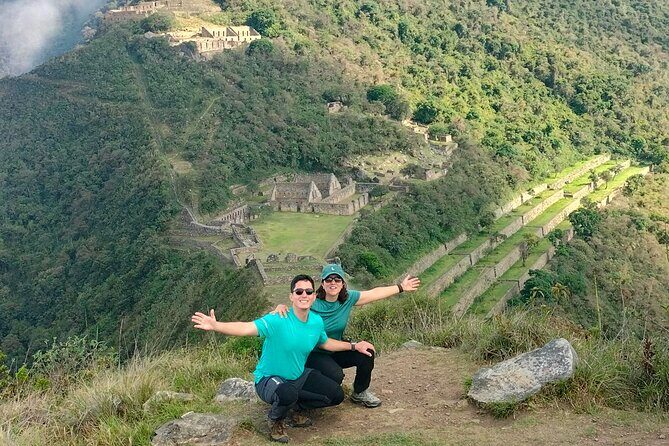
- Choquequirao is the main event: you visit the key areas and spend time there, not just a quick pass-through.
- Small group size (max 8) makes the pace feel less hectic and easier to manage on tough terrain.
Why this Choquequirao trek feels like the real deal
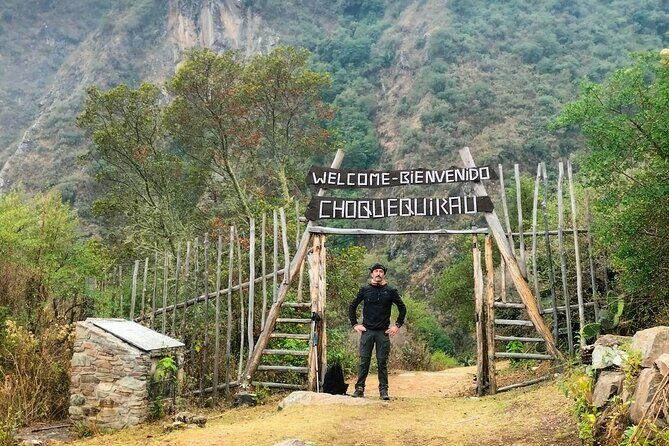
Choquequirao isn’t a quick “see it from a bus window” kind of place. The whole point of trekking to it is the slow payoff: views first, then long effort, then the moment the ruins finally come into view. On this 4-day plan, you get the build-up without wasting days on logistics.
The route also has a smart rhythm. Day 1 sets the stage with sightseeing stops and a long descent. Day 2 turns that into climbing effort and then a real rest day in Marampata. Day 3 is the payoff day for Choquequirao, followed by more downhill movement and another overnight. Day 4 flips back toward Cusco with an early start and a final ascent that wraps the experience up cleanly.
Two details matter a lot for comfort and value. First, you’re not doing this solo: you’ll hike with a professional bilingual guide (English/Spanish). Second, your pack weight is managed—your carry is limited to 7 kilos, while mules handle cargo.
You can also read our reviews of more hiking tours in Cusco
Price and logistics that actually affect your budget
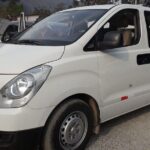
At $380 per person for about 4 days, this isn’t a bargain trek, but it’s also not “pay extra for nothing.” You’re paying for private transportation, a bilingual guide, cottage nights, meals, and mule support for cargo. That means less time hunting buses and fewer chances for meals to fall through when you’re on the move.
What you should plan for up front:
- Choquequirao park ticket isn’t included (PEN 60 per person).
- Drinks for the walk aren’t included.
- Trekking poles aren’t included.
- First breakfast and last dinner aren’t included.
- Tips aren’t included.
If you’re budgeting in Peru, PEN 60 for the site entrance fee is usually the easy add-on. The bigger “budget reality” is snacks and water. With a long hike, skipping drinks in the plan can turn into an expensive last-minute problem, so add that cost to your mental total.
Day 1: Cusco to Capuliyoc, Saywite, and the descent into Chikiska
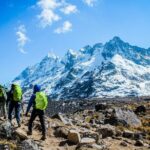
Your day begins early—pickup at 7:00 a.m. from your hotel or Airbnb in the historic center of Cusco. From there, you take private transport for about four hours toward Capuliyoc, with mountain views along the way, including snowcapped sights linked to Salkantay and Humantay.
Saywite stop: more than a photo stop
The first sightseeing break is the archaeological park of Saywite. This is one of those places that feels quietly important: you’ll see carved stone that’s described as resembling a model, plus ceremonial areas related to water worship. You’ll also learn how the site includes astronomical observatories. It’s a useful warm-up for what you’ll see later at Choquequirao—Inca architecture and sacred space, not just ruins as scenery.
Lunch at Capuliyoc and a long descent
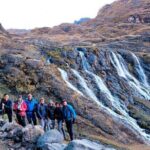
After another hour to Capuliyoc Cachora, you get lunch with views over the Apurimac Canyon and the snowy Padreyoc. Then comes the part most people feel in their legs: the hike starts with a descent of about 3 hours, passing viewpoints along the way, including Cocamasana viewpoints.
You end the day at Chikiska for dinner and an overnight in a rural accommodation. This “day ends early enough to recover” structure is one reason this itinerary works. Your muscles learn the trail gradually instead of going straight into the steepest work.
You can also read our reviews of more tours and experiences in Cusco
Day 2: Playa Rosalina crossing, Santa Rosa climb, and Marampata rest
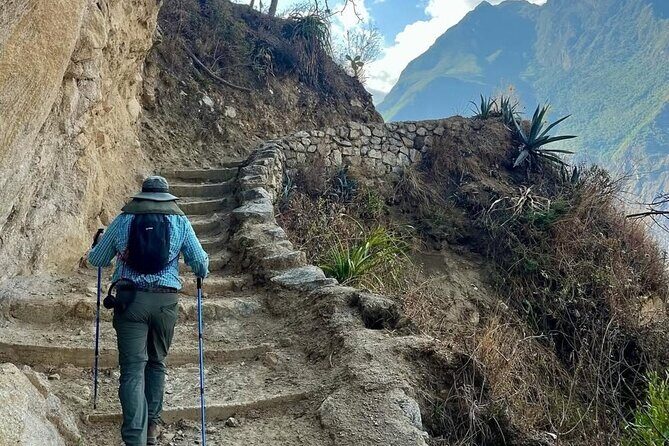
Day 2 starts after breakfast with more descending and then a turn toward climbing. You’ll go down about one hour to the Apurimac River at Playa Rosalina, cross the river, and then begin the tougher work.
Strong climb time toward Santa Rosa
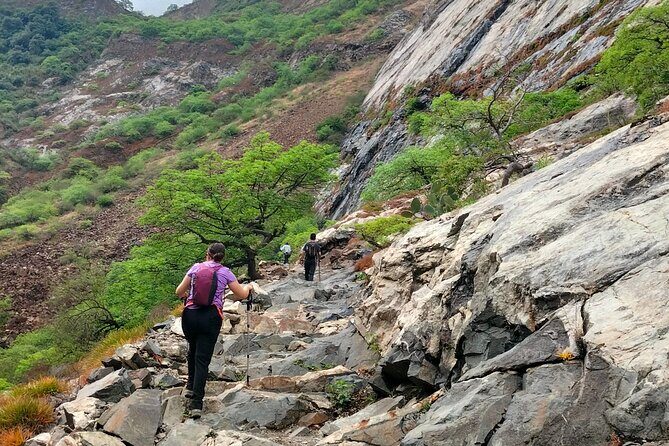
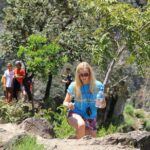
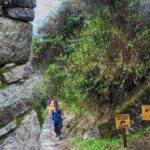
You climb toward Santa Rosa for about 1.5 hours, and this is where the effort can feel intense. The route description notes that this section can be steep even with shade, so pace matters. After a short break, you’ll keep climbing another 1.5 to 2 hours until you reach Marampata.
The itinerary notes that you’ll climb roughly 1500 meters in 3–4 hours. That’s not subtle. If you’re not used to altitude hiking, the key is to move slowly, keep your breathing steady, and don’t chase other people’s pace.
Lunch, rest, and real recovery
Once you arrive, you’ll have lunch and then free afternoon time to rest. That block is valuable. Marampata gives you a mental reset before Choquequirao day.
You’ll have dinner and stay in another rural accommodation. This is also a good moment to check your gear for issues—blisters, rubbed spots, or wet socks that you can fix before the next big push.
Day 3: Reaching Choquequirao and visiting the main areas
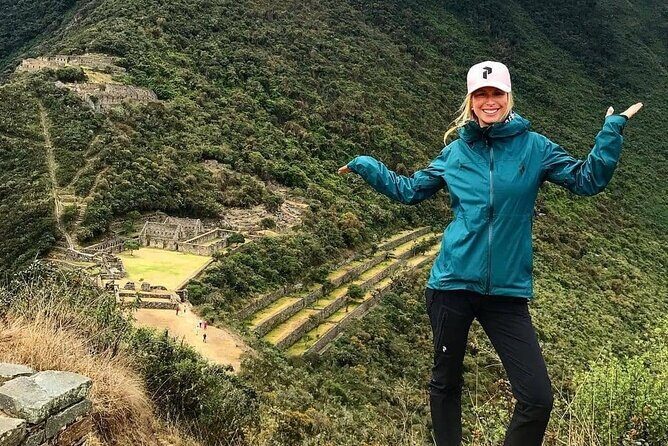
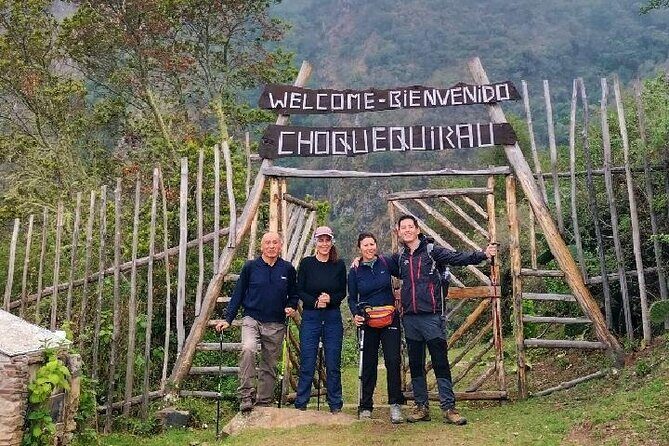
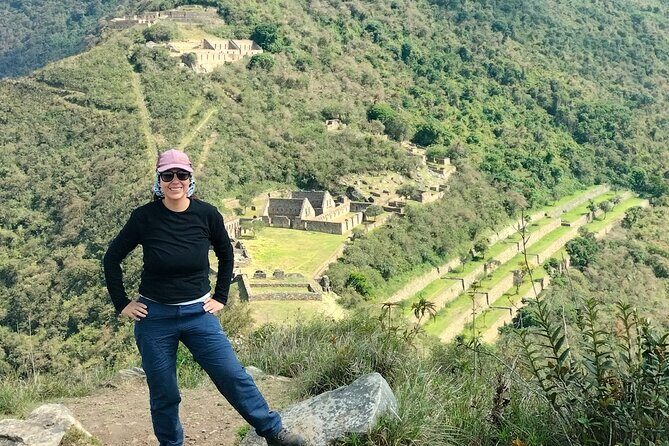
This is the day you came for. After breakfast, you hike to the archaeological park of Choquequirao. The itinerary doesn’t rush you to just one viewpoint. You’re set up to visit the main areas, and lunch is eaten within the park area in the afternoon timing.
Why this matters: Choquequirao is large and spread out. If you only get a narrow window, it turns into a treadmill of photos and walking. Here, you’re set up to actually move through the site at a human pace.
After Choquequirao: return to Marampata and continue to Santa Rosa Alta
Once you’re done with the visit, you return to Marampata for lunch timing and then continue downhill toward Santa Rosa Alta for dinner and an overnight. That downhill leg can feel easier than climbing—but it can still be tough on knees and ankles. Proper foot placement and short steps go a long way.
Day 4: Early start, river crossing, and the final ascent back to Cusco
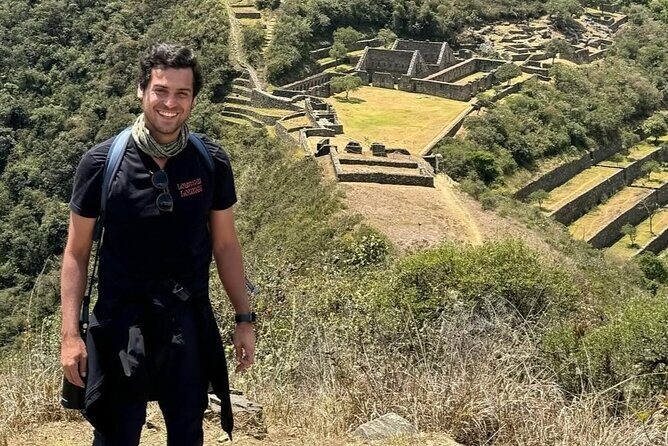
Day 4 begins very early again. You’ll descend about 1.5 hours to the Apurimac River, then you’ll go about 1 hour to Chikiska where you stop for breakfast. After that, the day turns into the final effort: an ascent for about 4 hours to Capuliyoc.
At Capuliyoc you’ll have your last lunch. Then your transport meets you for the ride back to Cusco, ending at Plaza Joys.
This final ascent is the part where many people realize hiking doesn’t end just because you visited the ruins. But it also brings a satisfying close. When you reach Capuliyoc and the vehicle is waiting, you finally get that “we did it” feeling without a messy, uncertain finish.
Guides, group size, and the Haydee factor
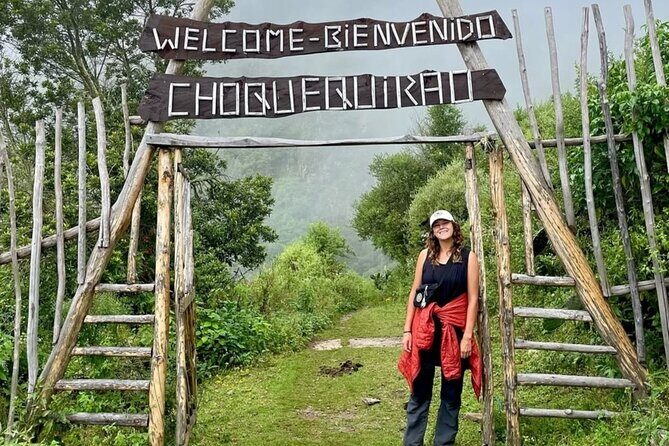
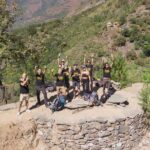
This trek runs with a professional bilingual guide speaking English and Spanish, and the group limit is max 8 travelers. That small size matters when the terrain gets rough. It also makes it easier for the guide to manage pace, breaks, and questions without turning the hike into a constant traffic jam.
The guide name that comes up strongly is Haydee. In the tone of past experiences, Haydee is described as organizing everything so you can just focus on walking and enjoying the plan. She’s also praised for patience and good energy during climbs, plus making efforts to accommodate limited Spanish.
Even if you have decent Spanish, having a bilingual guide reduces friction. You can ask practical questions (pace, route timing, how you’re supposed to feel on a steep section) and get real answers, not hand-wavy guesses.
What’s included (and what you still need to bring)
Here’s what you can count on:
- Private transportation
- 3 nights accommodation in cottages
- Food for 4 days: 3 breakfasts, 4 lunches, 3 dinners
- Professional bilingual guide (English/Spanish)
- Mule transport for cargo (plus a mule for cargo support)
- Dafor/bag to carry up to 7 kilos
- First aid kit
- Lunch and meals timed across the trek days
What you should plan for yourself:
- Your first breakfast and last dinner aren’t included
- Drinks aren’t included
- Trekking poles aren’t included
- Choquequirao ticket costs PEN 60 per person
- Tips are extra
If you’re the kind of hiker who loves having trekking poles, bring yours. If you don’t use poles, you might still want them for the downhill segments. And regardless of your pole choice, pack a water plan. The route description doesn’t include drinks.
Altitude reality: how to make this trek feel manageable
The tour recommends you arrive in Cusco at least 2 days before the hike to adapt to altitude. That’s not a throwaway line. You’ll be hiking at elevation, and Choquequirao day happens after two earlier days of effort. If you show up the same day, you’re stacking stress on your body.
Here’s how to use the acclimation time wisely:
- Keep your first days calm. Don’t schedule a “big adventure” before your trek.
- Hydrate and eat normally (no fancy diet experiments).
- Plan to walk slower than your ego wants you to. Altitude makes you humble fast.
Also remember the trek itself is described as requiring strong physical fitness. That doesn’t mean you need to be a mountain athlete. It does mean you should prepare for sustained hiking, real climbs, and walking on uneven ground.
Packing and carrying: the 7-kilo bag + mule cargo system
One of the smartest practical touches here is that you don’t have to haul everything on your back. You’ll carry a maximum 7 kilos in your provided bag/dafor, and mule support handles cargo.
This helps in two ways:
- Your legs move more efficiently on the steep parts.
- You arrive with less fatigue, which makes it easier to enjoy the ruins instead of just surviving the day.
Your packing strategy should still be realistic. Keep essentials light: clothes you can layer, a headlamp if you have one, sun protection, and basic first-aid items. For cold or weather changes, you might find layers crucial. The itinerary includes walking at altitude and in canyon areas where temps can swing.
Who this trek is best for
This trek fits you best if:
- you want Choquequirao but don’t mind earning it
- you can handle steep up-and-down hiking
- you want a well-structured itinerary with meals and overnight plans handled
- you prefer a small group and a guide who manages pace
It might not fit if:
- you’re looking for a relaxed, low-effort experience
- you have knee or ankle issues that flare on descents
- you don’t have time to acclimate in Cusco
Also, note the rule on changes and refunds: it’s non-refundable and can’t be changed for any reason. That’s worth thinking about before you book, especially if your schedule is flexible.
Should you book this Choquequirao trek?
Book it if you want a guided, organized trek where the logistics don’t steal your energy. The value is strong because meals, accommodations, private transport, a bilingual guide, and mule cargo support are built into the package. Plus, the itinerary gives you time to experience Choquequirao—not just check a box.
Skip or look for a different option if you know you’re not ready for steep climbs, long days, and altitude. This isn’t a walk-it-off casual outing. It’s a hiking trip with a meaningful payoff.
If you do book, plan like a serious hiker: acclimate in Cusco, carry light, and expect early mornings. Your reward is walking into Choquequirao with your body tired in a good way—and your mind clear enough to actually take it in.
FAQ
What time does the trek start?
You’ll be picked up at 7:00 a.m. from your hotel, Airbnb, or lodging within the historic center of Cusco.
Is transportation included?
Yes. You get private transportation for the long transfers, and transport meets you at the end in Cusco at Plaza Joys.
What meals are included during the 4 days?
The package includes 3 breakfasts, 4 lunches, and 3 dinners. Your first breakfast and last dinner are not included.
Do I need to buy the Choquequirao ticket?
Yes. The Choquequirao park ticket costs PEN 60 per person and is not included.
How much can I carry on my own?
You’ll carry a bag/dafor with a maximum of 7 kilos, and mules transport cargo as part of the trek setup.
Is the guide available in English?
Yes. The trek includes a professional bilingual guide in English and Spanish. The group size is capped at 8 travelers.