REVIEW · CUSCO
Tour South Valley Cusco Tipón, Andahuaylillas and Pikillacta
Book on Viator →Operated by Machupicchu Agency · Bookable on Viator
Water makes the south valley special.
This South Valley Cusco loop pairs Tipón’s water-driven terraces with the colonial showpieces of Andahuaylillas and the pre-Inca city site at Pikillacta, all in a single morning/early afternoon. It’s an efficient way to taste three very different periods—Inca water engineering, Spanish colonial church art, and Wari archaeology—without planning a thing.
I especially like the tight, practical format: you get tour transport plus a professional guide, so you spend your energy looking instead of figuring out buses and timing. I also like the pacing of about 50 minutes per main stop, which is long enough to see the highlights without dragging on all day.
One thing to weigh: the tour is listed as English, but one experience I saw had trouble with the guide’s English level. If you’re counting on English commentary, confirm the language in your booking confirmation and plan for the possibility of translation.
In This Review
- Key Highlights You’ll Feel Right Away
- A Simple South Valley Circuit That Actually Fits a Day
- Tipón’s Terraces and Water Altars: Inca Engineering You Can Read
- The “South Valley” towns you pass on the way
- Andahuaylillas’ Colonial Church: The Interiors Are the Whole Show
- Pikillacta’s Wari City Park: Big-Site Feel in a Short Visit
- Price and Logistics: Why $19 Can Still Be Worth It
- What the Tour Day Feels Like: Timing, Transfers, and Comfort
- English Guide Reality Check: How to Protect Your Experience
- What You’ll Learn (Even Without a Thick Guidebook)
- Who This Tour Fits Best
- Should You Book This South Valley Cusco Tour?
- FAQ
- What time does the tour start?
- How long is the South Valley Cusco tour?
- Is pickup included?
- Where does the tour end?
- How much does it cost?
- Are entrance tickets included?
- How many people are on the tour?
- Is the tour offered in English?
- How does cancellation work?
Key Highlights You’ll Feel Right Away
- Tipón’s irrigation terraces and water-linked altars make the site practical, not just scenic
- Andahuaylillas’ church interiors are the star, with pulpits and coffered ceilings
- Pikillacta Wari ruins give you a pre-Inca city-scale feeling in a day trip
- Max 15 travelers keeps questions possible and the group from turning into a stampede
- Pickup offered: if you’re outside the historic center, you’ll meet at Regocijo Square
- Two paid sites, one free church helps you budget the day’s entrance tickets
A Simple South Valley Circuit That Actually Fits a Day
This tour is built for people who want variety without sprinting across Cusco all day. You start at 9:00 am, then you’re out for about 6 to 7 hours with transport and a guide, and you end back where you began.
The value is clear on paper: for $19 per person, you’re paying for the logistics (getting you there and back) plus interpretation. The tradeoff is typical for Cusco day trips: entrance tickets aren’t included, so the total cost depends on what you pay at each site. Still, the structure makes sense. You hit three different places—Tipón, Andahuaylillas, Pikillacta—each with a focused visit length.
Also, this is a small group tour with a maximum of 15 people. That matters more than you’d think. In smaller groups, you can actually hear the guide, ask a question, and get your bearings before the next transfer.
You can also read our reviews of more tours and experiences in Cusco.



Tipón’s Terraces and Water Altars: Inca Engineering You Can Read
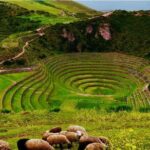
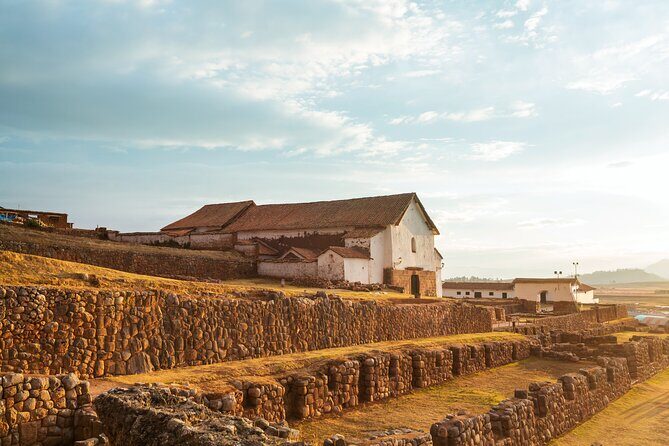
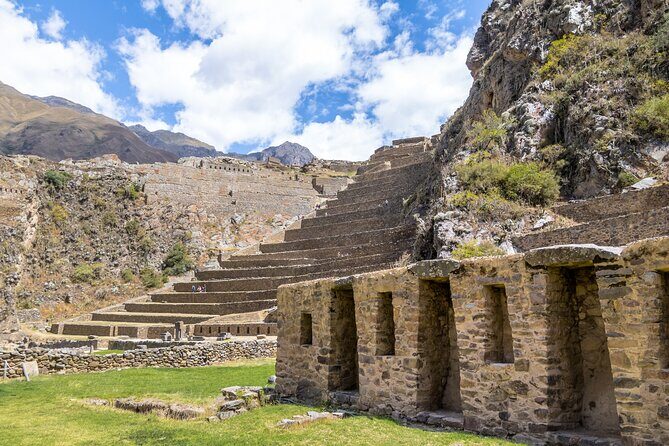
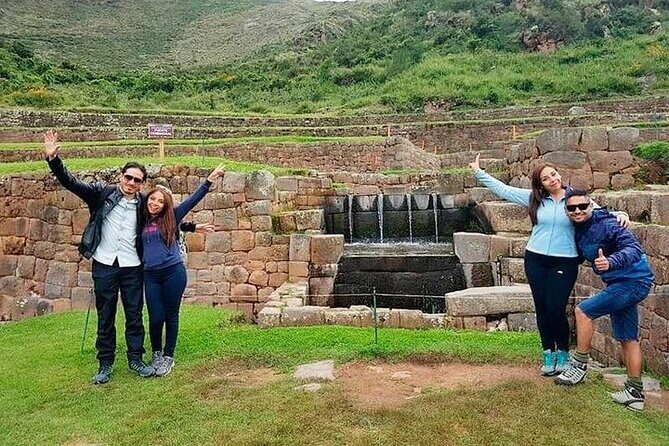
Tipón is your first stop, and it sets the tone. The big idea here is water—how it’s controlled, directed, and turned into a visible system of terraces and ceremonial spaces. The site is known for experimental terraces and an impressive irrigation system that channels water to altars.
If you’ve ever seen Inca water management and wondered how it wasn’t just practical but also meaningful, Tipón is a good place to connect the dots. You can walk the terraces and see the pathways water takes. Even if you don’t know all the technical terms, the layout helps you “read” the system with your eyes.
How this stop plays for your timing: you’ll have about 50 minutes. That’s a fair chunk for this kind of site—enough to look around, pause at the water features, and get a sense of the terrace logic. If you love photos, this is also where you’ll likely do the most picture-taking because the water features create strong visual lines.
What to keep in mind: admission ticket is not included. So if you’re trying to keep the day cheap, plan for an extra payment for Tipón. And because it’s an Inca hydraulic system, do expect walking on uneven ground. Wear shoes you trust.
The “South Valley” towns you pass on the way
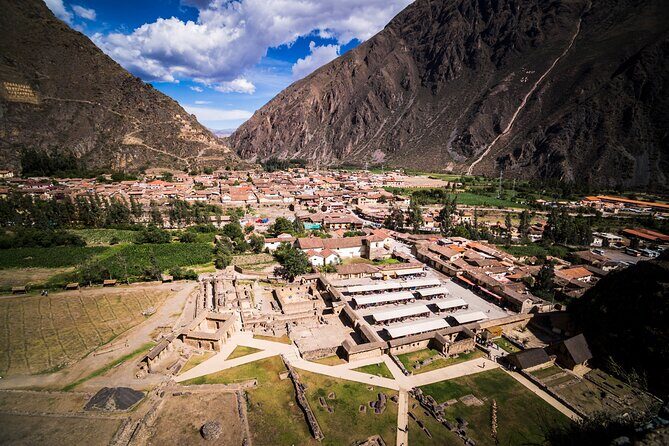
The route also gives you glimpses of towns like Oropesa, Huaro, and Andahuaylillas along the drive. Even without long stops, that road view helps you understand the valley beyond the three main attractions. You’re not only jumping from site to site—you’re traveling through the region.
Andahuaylillas’ Colonial Church: The Interiors Are the Whole Show
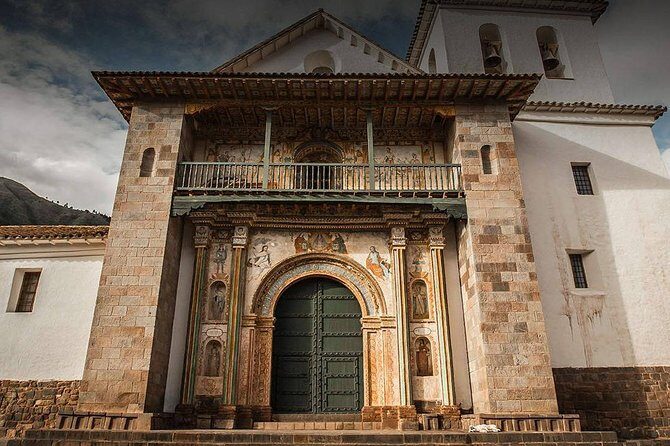
Then you move to Andahuaylillas, and the focus shifts from engineering to artistry. The highlight is one of the most important colonial churches, often described as having a Sistine Chapel feel. The emphasis here is on the details you can see up close: wonderful pulpits and coffered ceilings.
This is the kind of stop that rewards patience. You’ll have about 50 minutes, which works well for churches because you can take your time without worrying the guide will sprint you out the door. If you like architecture and religious art, this is where the day turns more reflective. Look at how the space is organized and how the interior decoration guides your eye.
The best money-saving detail: admission ticket is free for this stop. That’s a big deal for a tour with a low base price like this. It means you can spend your entrance-ticket budget on the two paid sites and still get the full three-stop experience.
Possible drawback: churches can feel crowded on days with multiple tour groups. With a max 15 group, you should be better off than on big coach tours. Still, plan to be flexible. If you arrive and the interior is busy, focus on one section at a time—pulpits first, then ceilings—rather than trying to capture everything at once.
Pikillacta’s Wari City Park: Big-Site Feel in a Short Visit
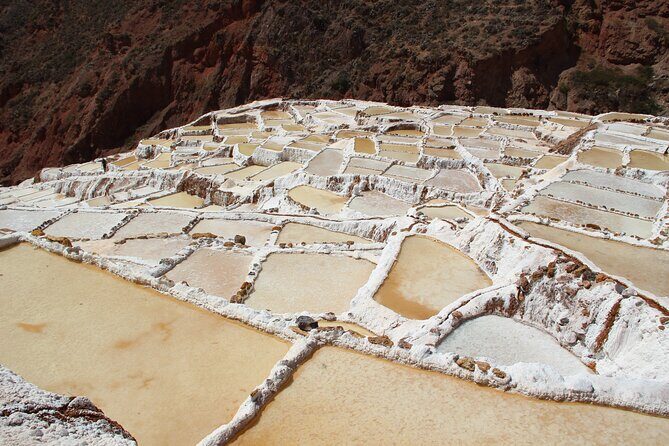
Pikillacta is your final stop, and it gives you a different kind of wow. This is the Pikillaqta archaeological park, tied to the Wari pre-Inca culture. The tour frames it as one of the three most important pre-Inca city sites—so you’re not just looking at a wall or a single ruin. You’re walking through a place that functioned like a city.
In real terms, what you’ll likely appreciate most is scale. Even with only about 50 minutes, Pikillacta can give you that “city layout” feeling: compounds, structured spaces, and the sense that lots of people lived and worked here.
You’ll also have access to the park itself, but admission ticket is not included. So bring a bit of cash or plan whatever payment method the park accepts. If you’re budgeting, this is the second paid entrance after Tipón.
Timing tip: because you’re ending the day here, energy can dip. If you want the best use of your time, decide what you want from Pikillacta before you arrive. If you want the layout, walk slowly and follow the structure. If you want photos, pick a few angles and commit. Otherwise, it’s easy to rush and end up with a blur.





Price and Logistics: Why $19 Can Still Be Worth It
At $19 per person, this tour is on the low end for a three-stop, half-day circuit with transport and a guide. The included parts are clear: tourist transport and a professional guide.
The part you’ll pay separately is entrance fees. The tour info is straightforward:
- Tipón: ticket not included
- Andahuaylillas: ticket free
- Pikillacta: ticket not included
That means your actual day cost will depend on what you pay at Tipón and Pikillacta. The one included surprise is Andahuaylillas being free—good for your budget and good for your day. It also makes the itinerary feel more balanced because you aren’t paying three times for three entrances.
Here’s the practical value equation I think you should use: if you’re short on time and you don’t want to coordinate separate tickets and transport for multiple sites, the guide and transport are the win. If you’re the type who loves DIY planning and has transportation already lined up, you might compare the cost of tickets versus the cost of the tour’s transport.
But for many visitors, the tour is less about saving a few dollars and more about saving hours of planning.
What the Tour Day Feels Like: Timing, Transfers, and Comfort
Start: 9:00 am.
End: back at the meeting point.
Total: 6 to 7 hours.
That range matters because it sets expectations for your energy. This is not a quick peek. It’s long enough to absorb three sites, but it’s still short enough to keep you from feeling wiped out for the rest of your Cusco day.
Group size is up to 15 travelers. That’s a solid ceiling. In places like churches and archaeology parks, smaller groups often make it easier to keep your place and hear instructions.
Pickup is another practical point. If your hotel or Airbnb is within the historic center, you’ll have pickup. If it’s not, you’ll meet at Regocijo Square. That’s an important detail—Cusco can be confusing for first-timers, and knowing the backup meeting spot keeps you calmer.
Also, you’ll have a mobile ticket, which helps you avoid paper problems. Confirmation happens within 48 hours of booking if space is available, so it’s wise to wait for that confirmation message before making other strict plans.
English Guide Reality Check: How to Protect Your Experience
The tour lists English as the language offered, and that’s a big reason many people book. But one issue shown in the available feedback was serious enough to matter: an English tour booking ended up with a Spanish-speaking guide who did not speak English well, and another participant had to translate.
I can’t ignore that. Here’s what you can do to protect yourself:
- In your confirmation, look for wording that clearly states the guide language as English.
- If the confirmation doesn’t feel specific, message the provider ahead of the tour and ask what happens if an English guide isn’t available.
- On the day, if the guide language is not what you expected, decide early whether you’ll rely on your own materials or ask the group lead for a solution.
The positive angle: this tour keeps the group small, so if you end up in a language mismatch situation, it’s often easier for staff to adjust than on large tours. Still, language is the one variable you should treat seriously.
What You’ll Learn (Even Without a Thick Guidebook)
You won’t just “visit places.” The itinerary naturally teaches you three different ways people shaped the region:
- Inca water engineering at Tipón: irrigation as both function and design
- Spanish colonial religious art at Andahuaylillas: interior details like pulpits and ceilings
- Wari city planning at Pikillacta: a city site, not just scattered stones
That mix is practical for understanding Cusco beyond the main attractions. You see how technology, belief, and urban life all leave physical traces—then you move on while it’s still fresh.
And you get it in a loop, not random out-and-back trips. That matters because the drive through valley towns like Oropesa, Huaro, and Andahuaylillas adds continuity. The day becomes a route you can mentally map, instead of three disconnected stops.
Who This Tour Fits Best
This works well if you:
- Want three major South Valley sites in one day
- Prefer a guided experience with transport handled
- Like a manageable pace of about 50 minutes per stop
- Care about value and price transparency
It may be less ideal if you:
- Need guaranteed English narration and can’t tolerate language gaps
- Want long stays at each site (your time at each one is intentionally limited)
- Want a day with zero additional costs (because Tipón and Pikillacta have tickets not included)
Should You Book This South Valley Cusco Tour?
If you want an organized day that covers Tipón, Andahuaylillas, and Pikillacta without juggling logistics, this is a strong option for the money. The small group size, pickup structure, and the free church stop make it feel fair and efficient.
My only real hesitation is the English guide risk highlighted by the available feedback. So here’s my call: book it if you’re flexible and you confirm English clearly in your booking details. If English narration is your top priority and you can’t risk mismatch, consider asking directly how English is handled for your departure.
If you do book, go in with the right mindset: this is a “see the highlights and understand the connections” day. With the time you’re given, you can walk out feeling like you actually learned something—not just checked boxes.
FAQ
What time does the tour start?
It starts at 9:00 am.
How long is the South Valley Cusco tour?
The duration is approximately 6 to 7 hours.
Is pickup included?
Yes, pickup is offered. If your hotel or Airbnb is not within the historic center, you meet in Regocijo Square.
Where does the tour end?
The activity ends back at the meeting point.
How much does it cost?
The price is $19.00 per person.
Are entrance tickets included?
No. Entrance tickets are not included. Andahuaylillas’ church is free, while Tipón and Pikillacta are not included.
How many people are on the tour?
There is a maximum of 15 travelers.
Is the tour offered in English?
Yes, it is offered in English.
How does cancellation work?
You can cancel for a full refund if you cancel at least 24 hours before the experience starts, and free cancellation applies under that window.