REVIEW · CUSCO
SOUTH VALLEY CUSCO
Book on GetYourGuide →Operated by Top Inka Travel · Bookable on GetYourGuide
Tipon’s canals are pure Inca brainpower. I love the Tipon agricultural terraces and irrigation canals, and I love how Andahuaylillas feels like a living gallery at the Sistine Chapel of South America. The tradeoff: the Pikillacta stop can feel short if you want to wander longer on your own.
This tour works because it strings together three different eras without making the day feel like random sightseeing. You get a professional guide in English and Spanish, and you’ll be moving at a steady pace with guided time at each site. One more consideration: meals aren’t built in, so plan on eating based on what the group votes for.
For about $20, you’re paying mainly for transportation plus a guide—then you top up with a few extras like the Andahuaylillas church ticket. It’s a solid value day trip if you want big “wow” moments and clean structure, not a slow, museum-style experience.
In This Review
- Key points before you go
- Why This South-Cusco Circuit Works in One Day
- Starting in Cusco: Pickup, Timing, and What to Bring
- Tipon’s Terraces and Irrigation Canals: Inca Engineering You Can See
- Pikillacta: A Pre-Inca Wari City Plan in the South Cusco Mix
- Andahuaylillas’ Sistine Chapel of South America: Art Meets Faith
- Lunch, Snacks, and Those Small Side Stops That Make It Feel Real
- Price and Value: What You Get for About $20
- Guide Quality and Pace: Your Experience Depends on the Human Factor
- Who Should Book This Tour (and Who Should Skip It)
- Should You Book SOUTH VALLEY CUSCO?
- FAQ
- FAQ
- How long is the South Valley Cusco tour?
- What stops are included on the tour?
- Is hotel pickup included?
- Where do I meet if I do not choose pickup?
- What languages does the guide speak?
- Are meals included?
- Do I have to pay for Andahuaylillas church entrance?
- What should I bring?
- Is the tour wheelchair accessible?
- What is the tour’s end point and time?
- Can I cancel for a full refund?
Key points before you go
- Tipon’s terraces and irrigation canals show Inca hydraulic engineering in action.
- Pikillacta’s Wari-era layout gives you a pre-Inca contrast to the Inca sites.
- Andahuaylillas’ colonial church interior earns its Sistine Chapel reputation.
- Bilingual guiding (English and Spanish) helps you follow the story without guessing.
- Lunch is group-voted, so bring a snack mindset.
- Pickup is central around Plaza de Armas, with a clear meeting point if you skip pickup.
Why This South-Cusco Circuit Works in One Day
South Cusco tours can go two ways: either you get a tight, thoughtful route, or you bounce around and lose the thread. This one stays focused on water and design. Tipon highlights how the Inca controlled irrigation and shaped farmland. Pikillacta gives you a pre-Inca Wari city plan. And Andahuaylillas adds a colonial layer, with painted religious art that feels surprisingly alive.
What I like for your planning is that you’re not just ticking off names. You’re seeing how people used engineering, architecture, and power to control daily life. You can practically connect the dots: how terrain becomes agriculture, how cities get organized, and how later rulers filled sacred spaces with their own visual language.
The day is also paced for real tourists, not marathon hikers. You’re on the move, yes, but each site gets a guided window that gives you enough time to understand what you’re looking at.
You can also read our reviews of more tours and experiences in Cusco.



Starting in Cusco: Pickup, Timing, and What to Bring
Most tours like this start with an easy logistics win. Your pickup is included if you booked it, and it’s in central locations around Plaza de Armas. If you’re not using pickup, the meeting point is at the Mermaid Fountain in Plaza de Armas.
The itinerary is built around a full day that ends at Plaza Kusipata around 16:00. Expect a total duration of about 7 hours, including bus time between stops.
For what to bring, keep it simple and practical:
- Passport or ID card
- Comfortable clothes (you’ll be walking and standing)
- Cash (useful for ticketed items like the church entrance)
Also, the tour doesn’t allow alcohol or drugs, which is normal for a day trip but worth noting for your own planning.
Tipon’s Terraces and Irrigation Canals: Inca Engineering You Can See
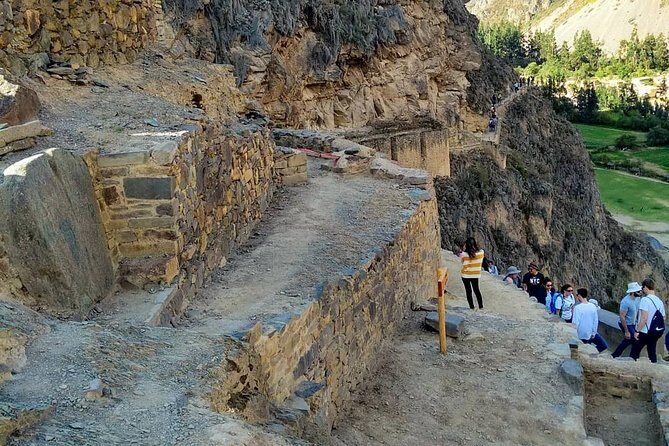
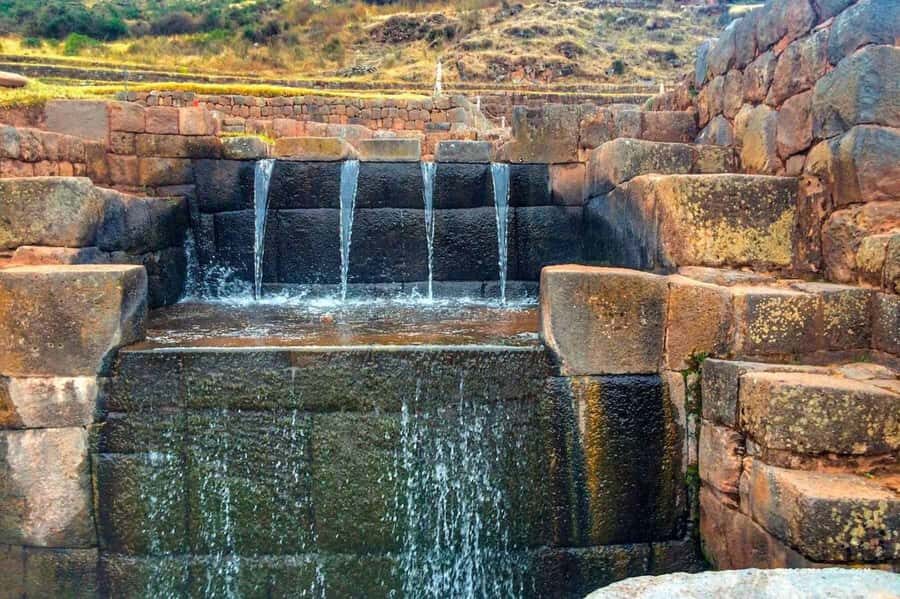
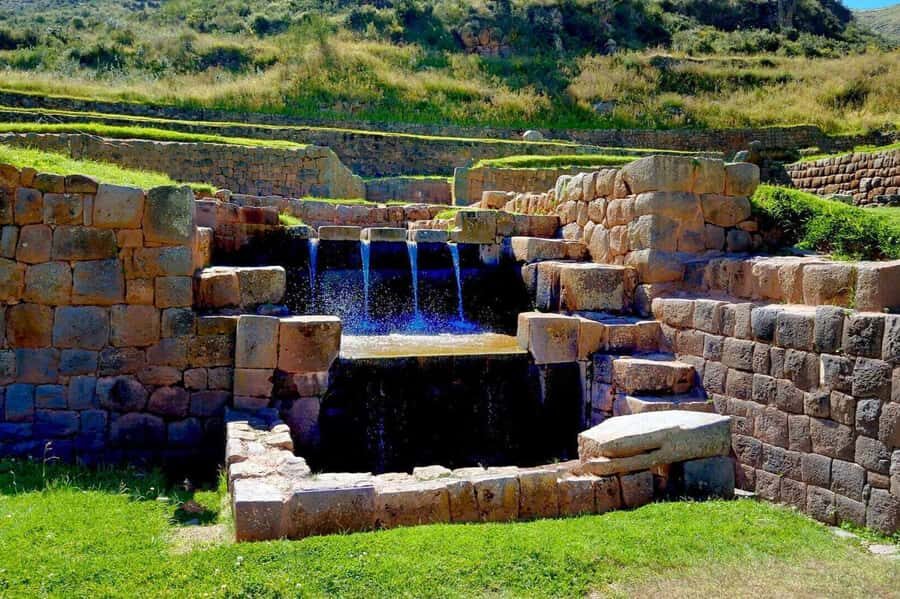
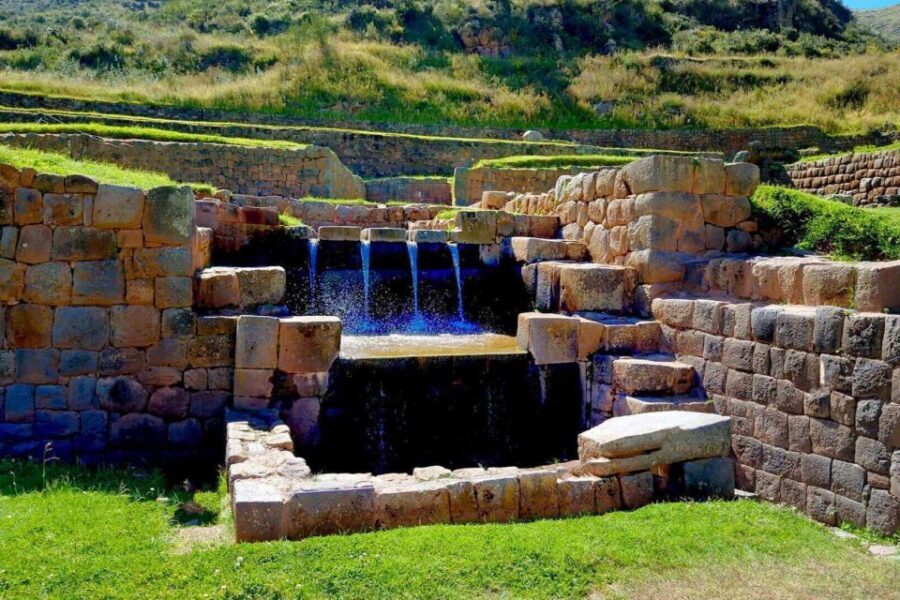
Tipon is the kind of site that makes you stop talking and start looking closely. The big idea here is Inca hydraulic engineering—and it’s not theoretical. You can see the way water is guided through channels and how terraces turn slope into usable farmland.
You’ll get a guided visit for about 50 minutes, which is a sweet spot. It’s long enough for the guide to explain what you’re seeing, but short enough that you don’t get bored before the best views and details.
When you’re there, watch for:
- How the canal system looks like it was designed for controlling flow, not just carrying water.
- How terraces are built to work with gravity and water distribution.
- The way the site feels engineered end-to-end, from land shaping to irrigation.
Comfort tip: wear shoes you trust on uneven stone and pathways. Tipon is not described as a strenuous hike, but you’ll still be on historic ground that won’t be perfectly flat.
One more practical point: the best experience comes when you don’t rush. If you’re the type who likes photos, you’ll want to pause before you snap. This is one of those places where a good glance at the water system tells you more than another 20 pictures.
Pikillacta: A Pre-Inca Wari City Plan in the South Cusco Mix
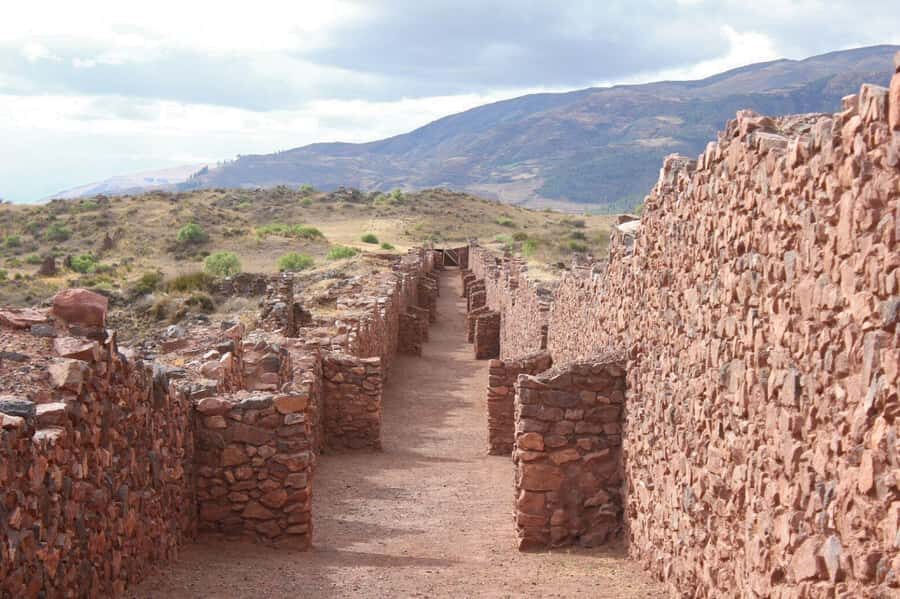
After Tipon, you head toward Pikillaqta (Pikillacta), a pre-Inca archaeological complex tied to the Wari culture. The big value here is contrast. If Tipon is about Inca agriculture and water control, Pikillacta is about an older society’s city planning and built environment.
You’ll have about 50 minutes of guided time. That’s enough to get oriented: where structures sit, how the layout feels designed, and why the site matters historically. But it’s also where you should manage expectations.
A common consideration: some people feel Pikillacta passes quickly, and I get that. If your ideal day is slow exploration with lots of solo wandering, you may wish you had more minutes to interpret the site on your own.
How to make the most of your time at Pikillacta:
- Listen first during the guided explanation.
- Then do a short second look on your own, focusing on layout and spacing rather than chasing every corner.
- If you have questions, ask early. Guides can answer best when you’re standing right at the feature you’re confused about.
Still, even with the tighter window, Pikillacta does its job: it broadens the story beyond Inca sites so your day feels fuller, not repetitive.
Andahuaylillas’ Sistine Chapel of South America: Art Meets Faith
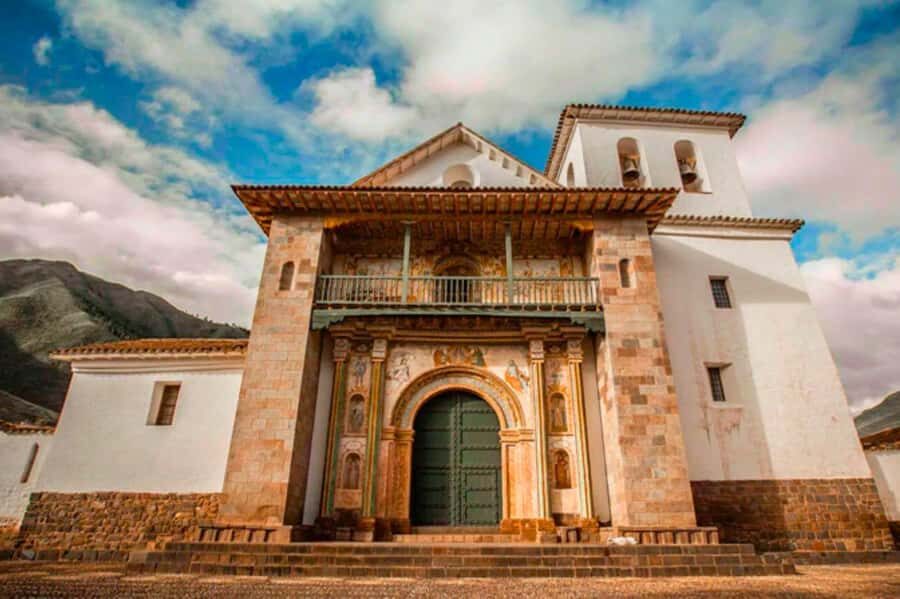
Then comes the stop that tends to grab people fast: Andahuaylillas, famous as the Sistine Chapel of South America. This is the colonial temple highlight on the route, and it’s built around the interior atmosphere—paintings and religious art that can feel more immersive than you’d expect.
You’ll get about 45 minutes with a guide. That guide time matters here, because you’ll be looking at details that are easier to appreciate when someone gives you the context behind what you’re seeing.
One crucial cost detail: entrance to the Andahuaylillas church is not included. You’ll need 18 soles for the church ticket. The tour provides the guided experience, but you’ll pay that extra on the spot.
Planning tip: if you’re a “wrap my head around it” person, you might want to do the church entrance first, then use the remaining time to observe slowly. If you wait until the end, you can get rushed.
Also note: the site is a church setting, so you’ll want to be mindful of clothing and respectful behavior. Comfortable clothes still help, but aim for simple, respectful basics.




Lunch, Snacks, and Those Small Side Stops That Make It Feel Real
Meals aren’t included. That’s the headline, but here’s the practical reality: the guide asks the group whether everyone wants lunch, and if the majority agrees, there’s a one-hour stop to eat.
That means your experience can vary day to day based on group decisions. If you want control, bring a simple snack before you start—something you can eat between stops. Even if the group votes for lunch, it’s smart to avoid arriving hungry.
Also, some runs include small, not-famous stops that feel local rather than strictly touristic. For example, one version of the day has included a brief talk connected to Machu Picchu and a bakery stop in Oropesa. You might also find the group ends up eating at a local restaurant outside the main tourist track, where typical Peruvian meals may cost around 25 soles per plate in at least one reported outing.
I like these bits because they break the rhythm. You’re not trapped in the archaeology bubble all day. Still, keep your expectations flexible. This tour is mainly about three anchor sites, so any side stops are extras, not guaranteed add-ons.
Price and Value: What You Get for About $20
At $20 per person for a 7-hour outing, the value is really about what’s included:
- Hotel pickup from central areas (if you choose it)
- Tourist transportation
- A professional guide in English and Spanish
- Guided time at Tipon, Pikillaqta, and Andahuaylillas
Then, what you’ll likely pay extra for:
- Andahuaylillas church entrance: 18 soles
- Meals (not included)
So, you’re not paying for lunch or entrance tickets here. You’re paying for the story and the logistics. That can be a great deal if you want guided context and don’t want to negotiate public transport or hire separate transportation for each stop.
If you’re doing the math, plan for:
- Church ticket (18 soles)
- Food or at least snacks
- Possibly small cash purchases at side stops if they happen
For many people, the guide-led structure is the biggest value. Without it, Tipon and Pikillacta can turn into “cool ruins,” but with it, they become understandable systems—water management, city layout, and how later eras re-used sacred ideas in new ways.
Guide Quality and Pace: Your Experience Depends on the Human Factor
This is where a tour can swing from just fine to memorable. You’re with your guide for most of the day, and a good guide can make the difference between quick sightseeing and real comprehension.
One reported experience highlighted a guide named Bernabé, described as friendly and kind, with a comfortable bus ride and a relaxed pace. That kind of energy matters because your brain needs time to process what you’re seeing at three very different sites.
On the flip side, not every guide’s English or Spanish delivery lands equally for every person. One review noted that the guide’s languages could be hard to understand. If you know you struggle with fast narration in a second language, you’ll want to do two things:
- Ask the guide to slow down if needed.
- Ask one targeted question at each stop, not ten. Small conversations help you lock in the key points.
The pace also affects Pikillacta. If you’re the type who hates being rushed, you may feel that stop is faster than you’d like. That doesn’t make it bad; it just means you should lean into the guided orientation and save your deep exploration for a return visit.
Who Should Book This Tour (and Who Should Skip It)
This is a good fit if you want:
- A structured south Cusco day with three major archaeological stops
- Clear guidance in English/Spanish
- A mix of Inca engineering, Wari pre-Inca city remains, and colonial church art
- A manageable walking day, not an all-day climb
It’s less ideal if:
- You’re looking for a long, slow linger at each site.
- You strongly need lunch included in the price. You’ll be eating based on the group vote and your own snacks.
- You use a wheelchair. The tour is not suitable for wheelchair users.
If you’ve only got one day to see more than Cusco’s center, this helps you get variety fast. If you already plan to do deeper archaeology tours, you can still book this as the “big picture” sampler.
Should You Book SOUTH VALLEY CUSCO?
I’d book it if you want a day that teaches while it shows. The big winners are the Tipon canal-and-terrace visuals and the Andahuaylillas church interior, which can feel like a change of gear from ruins to art and atmosphere.
Before you commit, be honest about your preferences:
- If you hate short stops, know that Pikillacta is on the shorter side.
- If you don’t want to think about food, bring snacks. Meals aren’t included, and lunch depends on a group vote.
- Budget for the 18 soles church ticket at Andahuaylillas.
For most first-time Cusco visitors, this is a smart value way to get a broader sweep of the region’s layers without needing separate bookings for each site.
FAQ
FAQ
How long is the South Valley Cusco tour?
It lasts about 7 hours, from hotel pickup (or meeting at Plaza de Armas) until finishing around 16:00.
What stops are included on the tour?
You visit Tipon, Pikillaqta (Pikillacta), and Andahuaylillas, then you end in the Plaza Kusipata area.
Is hotel pickup included?
Yes, hotel pick-up is included for central locations around Plaza de Armas if you select the pickup option.
Where do I meet if I do not choose pickup?
If you skip pickup, meet at the Mermaid Fountain in Plaza de Armas, Cusco.
What languages does the guide speak?
The guide provides interpretation in English and Spanish.
Are meals included?
No, meals are not included. The guide asks the group about lunch, and if there is a majority agreement, there is a one-hour lunch stop.
Do I have to pay for Andahuaylillas church entrance?
Yes. Entrance to the Andahuaylillas church is not included and costs 18 soles.
What should I bring?
Bring your passport or ID card, comfortable clothes, and cash.
Is the tour wheelchair accessible?
No. It is not suitable for wheelchair users.
What is the tour’s end point and time?
The tour ends at Plaza Kusipata around 16:00.
Can I cancel for a full refund?
Yes. You can cancel up to 24 hours in advance for a full refund.