REVIEW · CUSCO
Small Group: 4-Day Inca Trail Trek to Machu Picchu
Book on Viator →Operated by Inkayni Peru Tours · Bookable on Viator
Four days. One trail you earn. This Inca Trail trek takes you from Km 82 up toward Inti Punku and into Machu Picchu, with a guide and a small team (10 or so hikers, not a party bus). I especially like the included camp comfort—inflatable mattress, proper tents, dining tent with tables, and hot water in the mornings—and I like that you’re not stuck hiking solo through altitude and timing chaos. One thing to consider: this is serious high-altitude hiking with steep climbs, so you’ll want a solid fitness level and the right health for it.
The crew quality is the difference. Names you might hear in past departures include Papa Freddy and Herlin—both described as engaging guides who keep the pace sane, explain what you’re looking at, and care about everyone’s well-being. But here’s the main drawback to plan for: altitude and effort are not a suggestion on this route. You’ll reach the high pass (Abra de Warmihuañusca, around 4,215 m / 13,828 ft), and the “hard day” feeling is part of the deal, not an optional add-on.
In This Review
- Key things you’ll notice on this 4-day trek
- Price and logistics: what $850 buys you (and why it matters)
- From central Cusco to Km 82: starting at 5:00 am with a purpose
- Day 1: Wilka Rakay and Wayllabamba camp (first ruins, first altitude test)
- Day 2: Tres Piedras, Dead Woman’s Pass, and Pacaymayo (the hard day)
- Day 3: Runkurakay to Wiñayhuayna (cloud forest plus clever Inca engineering)
- Day 4: Sun Gate (Inti Punku) to Machu Picchu (sunrise timing and classic photos)
- The support crew: chef, porters, and why this feels small and human
- Accommodation and what to pack: the small stuff that saves your trip
- Who this trek fits best (and who should rethink it)
- Book it or keep looking: my decision guide
- FAQ
- What time does the trek start and how do I get to the trail?
- What’s included in the tour price?
- Is Machu Picchu admission included?
- Can I hike Huayna Picchu or Machu Picchu Mountain?
- Do I need a sleeping bag?
- What physical condition do I need for this trek?
Key things you’ll notice on this 4-day trek
- Small-group size: capped at around 10 hikers (even though the operator also mentions a max of 12 people).
- A full support system: porters for cooking/camping plus a personal porter carrying up to 5 kg of your gear.
- Chef-led meals in camp: breakfast, lunch, and dinners are included, with strong feedback on how good the food is at altitude.
- Permit limits keep it calmer: the Inca Trail is regulated, with only 500 people per morning allowed including guides and staff.
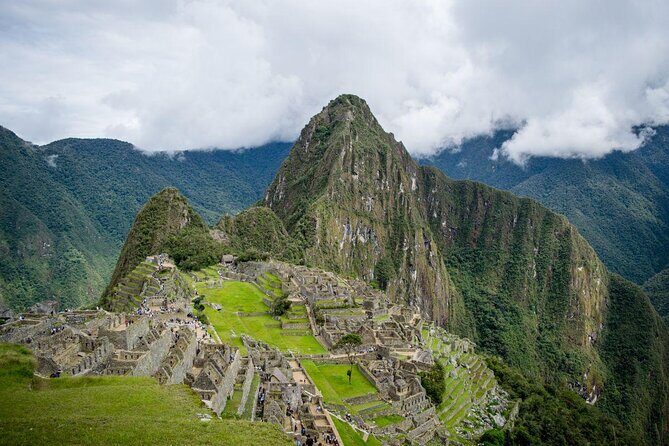
- Big scenic milestones: Wilka Rakay, Dead Woman’s Pass, Sayacmarca, Wiñayhuayna, and the Sun Gate approach.
- Machu Picchu extras depend on your ticket choices: Huayna Picchu and Machu Picchu Mountain cost extra if you want them.
Price and logistics: what $850 buys you (and why it matters)
At $850 per person, you’re not just paying for a viewpoint. You’re paying for the stuff that’s hard to DIY: the official trekking setup, guiding, the camp crew, and the round-trip transport back to Cusco.
From the moment you’re picked up, the plan is built to reduce stress:
- you get a hotel pickup in central Cusco
- you ride the bus toward Km 82
- you hike with trained support and scheduled camps
- you return via train and then a private van back to Cusco
That matters because the Inca Trail isn’t only about walking. It’s about timing, altitude, gear, food, and permits. Even if you’re an experienced hiker, keeping that whole chain running is the part that usually goes wrong when you do it independently.
You can also read our reviews of more hiking tours in Cusco



From central Cusco to Km 82: starting at 5:00 am with a purpose
Your day starts early—meeting at 5:00 am—because the best chance for a smooth start is getting out before the city wakes up. You’ll head to the Sacred Valley area on a private bus, passing through places like Chinchero, Urubamba, and Ollantaytambo.
After about 2.5 hours, you reach Km 82, the official trail starting point. Then the trek begins with an ascent toward Wilka Rakay, where you’ll get big views of Patallacta and the Kusichaca Valley.
The practical tip here: treat the early start as a gift, not a punishment. Cooler temperatures help, and it gives your body time to adjust before the climbing day fully kicks in.
Day 1: Wilka Rakay and Wayllabamba camp (first ruins, first altitude test)
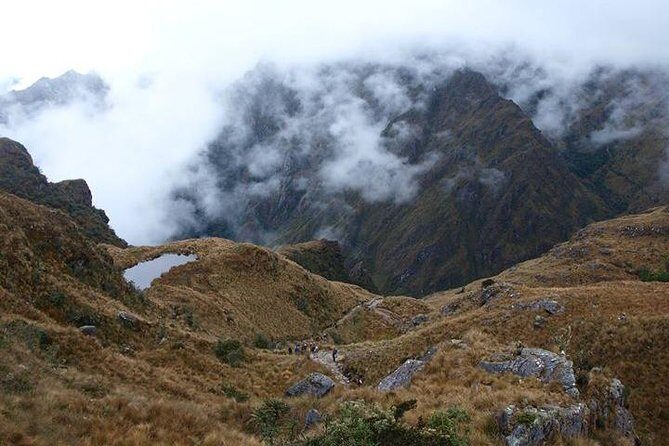
Day 1 is your “welcome to the Inca Trail” day. You’ll hike about 5 hours, starting with that initial climb and a strong dose of Andean scenery—Inca ruins, mountain air, and lots of change in plants and color as you gain elevation.
By late afternoon, you’ll reach Wayllabamba (around 3,000 m / 9,842 ft.) and set camp. This is where the trip feels different from a backpacking-only approach. Camp setup is part of the system:
- you sleep in a spacious 4-man tent (with two people per tent)
- you get an inflatable sleeping mattress
- you eat in a dining tent with tables and chairs
- hot food is prepared by the chef team (and in reviews, this is repeatedly praised)
If you’re wondering what the night will feel like: expect it to be quiet and cold enough that you’ll appreciate having the oxygen bottle on hand (also included).
Day 2: Tres Piedras, Dead Woman’s Pass, and Pacaymayo (the hard day)
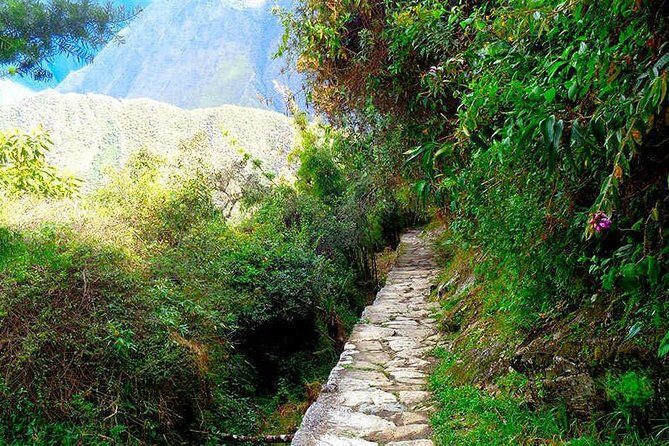
Day 2 is the one most people remember. You start after breakfast with a climb toward Tres Piedras (The Three Stones) and then into cloud forest, where the air feels wetter and the vegetation changes fast.
The hike pushes you toward the day’s main event: Abra de Warmihuañusca (Dead Woman’s Pass, about 4,215 m / 13,828 ft.). This is the highest pass on the trek, and even if you’re fit, it demands patience. Think steady breathing, short steps, and letting the guide set a pace that keeps you moving without burning out.
After you crest the pass, you descend hard—but you’re also rewarded. The views over the rugged Andes feel huge, and your body finally gets to trade the “up” for “down.”
You’ll reach Pacaymayo (around 3,600 m / 11,811 ft.) to camp, with about 7 hours total hiking time. This is a good day to remind yourself what the trek is really doing: it’s teaching your legs to work in altitude, not just chasing a photo.
One practical thing: the route can feel long even when the walking hours aren’t extreme, because the altitude makes each step slower.
Day 3: Runkurakay to Wiñayhuayna (cloud forest plus clever Inca engineering)
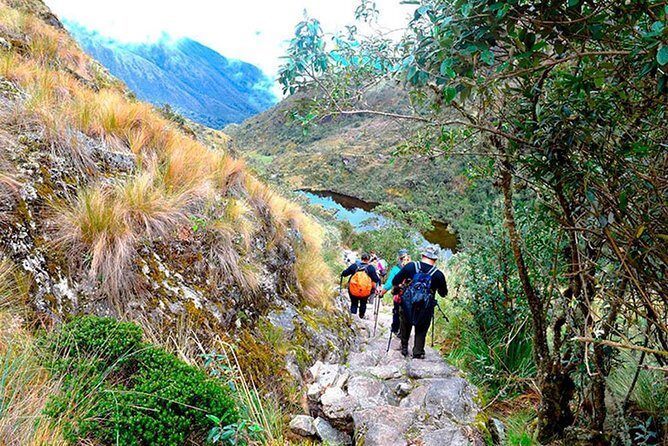
Day 3 starts with a shorter ascent to Runkurakay, an ancient Inca resting site. Then you climb again to the Runkurakay Pass (around 4,000 m / 13,123 ft.) and start descending toward Sayacmarca, perched on a steep mountainside.
Sayacmarca is special because it shows how the Incas built with the terrain instead of against it. You’ll move from ruins to a well-kept Inca path, then stop for lunch near Chaquicocha.
After lunch, you transition back into high Andean cloud forest. Expect tight ridges, cool air, and that “why does this feel so alive?” feeling you only get when the plants are thriving and the trail is narrow.
From there, you follow a ridge toward the Phuyupatamarca Pass, with big Sacred Valley views and a descent past ceremonial sites and agricultural terraces. You finish at Wiñayhuayna, which is also the last campsite before the final approach to Machu Picchu.
The hiking time is about 8 hours, so Day 3 still asks for stamina—but it’s also the day many people find most scenic because the trail feels varied: ruins, forest, ridgelines, and terraces.
You can also read our reviews of more tours and experiences in Cusco

Day 4: Sun Gate (Inti Punku) to Machu Picchu (sunrise timing and classic photos)
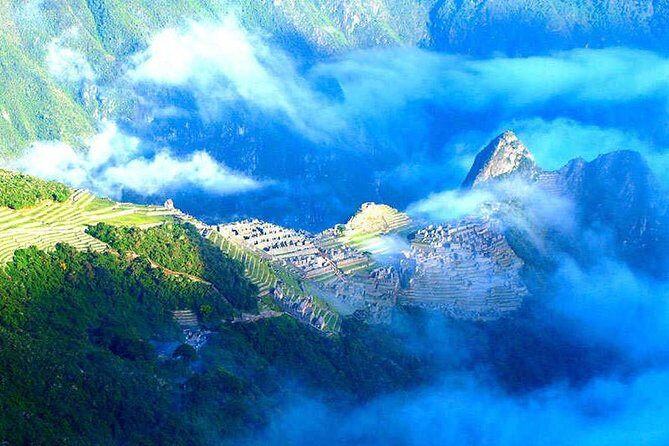
You wake up early again to hike the final stretch. This part is described as easier, but don’t confuse easier with short. In about 1 hour, you’ll reach Inti Punku (Sun Gate).
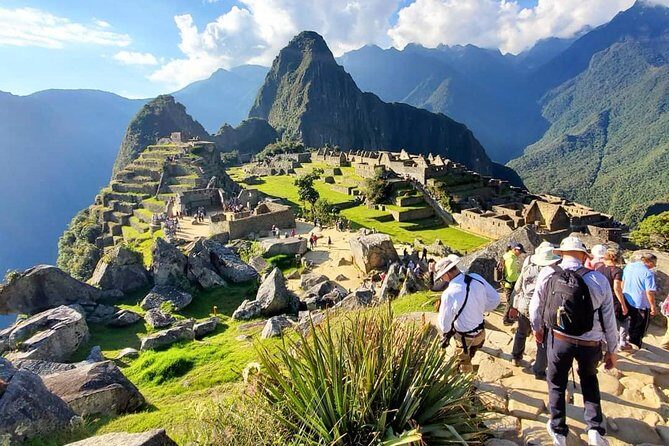
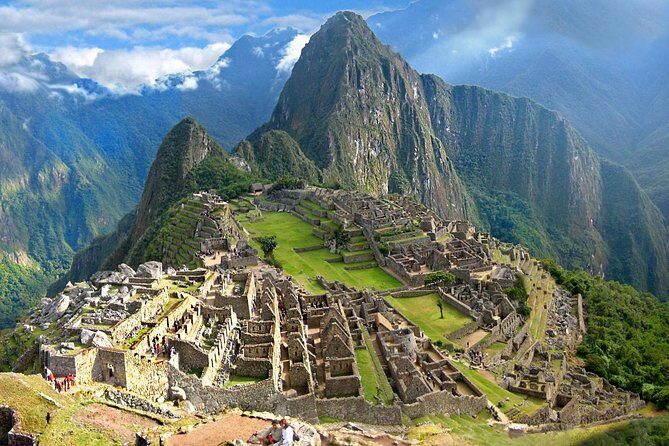
Weather permitting, this is where you might catch the dramatic moment of sunrise over the Andes and get your first real glimpse of Machu Picchu. Even if the light isn’t perfect, Inti Punku is a major emotional checkpoint—because after days of climbing and camping, you arrive at the place you came for.
Then you descend about 45 minutes to the upper terraces where you’ll find the classic photo spots.
Inside Machu Picchu is where ticket details matter:
- the tour includes a guided visit inside Machu Picchu as an optional component
- if you need a new re-entry ticket, that extra cost applies (it is not included)
You can also add the optional hikes to Huayna Picchu or Machu Picchu Mountain if pre-booked, but entrance to those viewpoints is not included and typically costs extra.
After your time in the citadel, you head back to Aguas Calientes for a break and lunch, then board the train to Ollantaytambo. A private van returns you to Cusco.
The support crew: chef, porters, and why this feels small and human
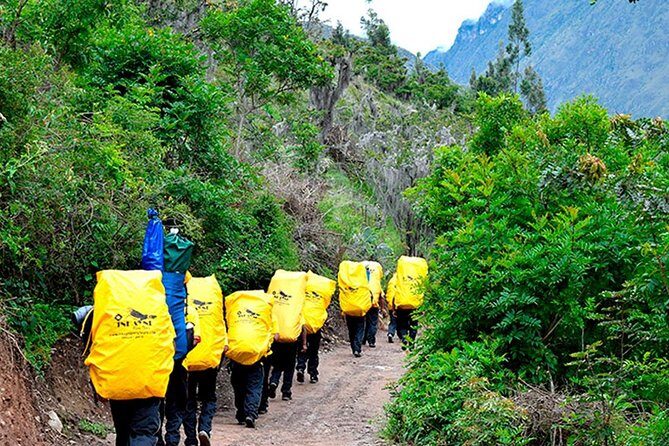
The best feedback in the reviews isn’t about the rocks. It’s about the people who keep the trek running.
You’ll travel with:
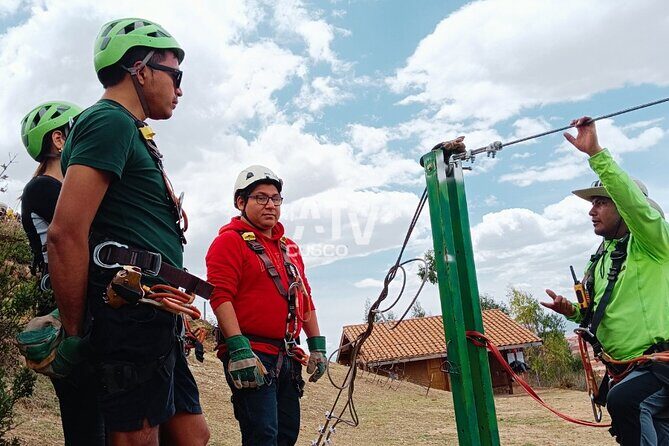
- a professional English-speaking guide
- a chef and kitchen team
- porters who carry cooking and camping equipment
- a personal porter to carry up to 5 kg of your gear
That system changes the whole experience. With less weight on your back, you climb with better form, take fewer painful stops, and arrive at the pass with more energy to actually enjoy the views.
And food isn’t treated like an afterthought. Past chefs named in reviews include Sabino, Nazario, Mario, and Herminios, with people describing meals as surprisingly high quality for camping. One reviewer even mentioned Michelin-star worthy vibes cooked on a camping stove—so yes, you can expect real effort in the kitchen.
Also pay attention to small comfort items that are included:
- hot water every morning
- inflatable sleeping mattress
- oxygen bottle
- a first aid kit
- inflatable pillow (notably, you must carry this yourself)
Accommodation and what to pack: the small stuff that saves your trip
This is a camping trek, so you should expect rustic nights. Still, the gear setup helps a lot:
- tents are spacious for the number of people (two per tent)
- there’s a dining setup with tables
- you get inflatable sleeping gear and morning hot water
Two big packing points from what’s listed:
- Bring your own sleeping bag (you can rent from a local tour operator). Don’t ignore this. Nights can get cold.
- For water: water is excluded during the first 4 hours of the trek, so you’ll need to bring that early supply.
Clothing guidance is straightforward and worth following:
- walking boots
- waterproof jacket or rain poncho
- warm jacket
- hat and gloves
- sunscreen (factor 35+)
- insect repellent
Altitude also means you’ll feel it. Start slow, breathe calmly, and protect your skin from sun even if it feels cold.
Who this trek fits best (and who should rethink it)
This trek is aimed at people with moderate physical fitness. If you enjoy multi-day hikes and you’re okay with steep climbs and long days, you’ll likely love the challenge.
It’s also a good fit if you want:
- small-group pacing
- a guide who talks history and meaning as you walk
- camp support that keeps you from thinking about logistics every hour
But it’s not for everyone. It’s not recommended if you have back problems, heart disease, or other serious medical conditions. Minimum age is 6, though for kids that depends on whether they handle altitude and long hiking days safely.
If you’re unsure, the safest move is to talk to a clinician before you book. Altitude is not a bravery contest.
Book it or keep looking: my decision guide
I’d book this if you want the Inca Trail experience without the chaos of running the whole machine yourself. The small-group size, the chef + porter team, and the included camp comfort are exactly what make the hard days feel manageable. Plus, knowing the trail is capped at a limited number of people each morning helps you dodge the worst of the crowd vibe.
I’d think twice if you’re not ready for high-altitude effort and early mornings. This trek gives you the payoff of Inti Punku and Machu Picchu, but you earn it with real climbs.
If you’re torn, ask yourself one question: are you treating this as a hike first and a sightseeing stop second? If yes, this version is a strong choice.
FAQ
What time does the trek start and how do I get to the trail?
You’ll have a 5:00 am start. The tour includes pickup from your Cusco hotel and transportation by bus to Km 82, the official trailhead.
What’s included in the tour price?
Included items cover a professional English-speaking guide, a chef, porters for cooking/camping equipment, and a personal porter carrying up to 5 kg. You also get camping gear (tents, inflatable sleeping mattress), hot water every morning, meals (breakfast, lunch, and dinner counts over the days listed), oxygen bottle, first aid kit, and round-trip transport (bus to Km 82 plus train and bus back to Cusco).
Is Machu Picchu admission included?
Admission is included, but the tour notes that a new re-entry ticket may be needed for the guided inside visit to Machu Picchu (optional). Plan for the extra cost if you want the full guided time inside the citadel.
Can I hike Huayna Picchu or Machu Picchu Mountain?
Those hikes are not included. If you want them, you’ll need to pre-book and pay any extra entrance costs.
Do I need a sleeping bag?
Yes. A sleeping bag is not included, but you can rent one from a local operator.
What physical condition do I need for this trek?
You should have moderate physical fitness. The operator also states it’s not recommended for people with back problems, heart disease, or other serious medical conditions. Minimum age is 6 years.