REVIEW · CUSCO
Salkantay Trek to Machupicchu 4 Days and 3 Nights
Book on Viator →Operated by National Peru Travel · Bookable on Viator
Altitude and wonder, packed into four days. This Salkantay trek gives you the classic high-Andes feeling of Salkantay and then drops you into Machupicchu country fast. I like that the route mixes big altitude moments with smaller sensory wins: misty ridgelines, jungle-side changes in plants, and that earned sense of arrival.
Two things I especially like: the guided high pass experience on Day 1 (including that Apus pebble-offering ritual at the top), and how the later days trade exhaustion for forest calm. A possible drawback is that the hike includes steep stretches and real elevation work, so you should treat the moderate fitness note seriously—this is not a casual stroll.
In This Review
- Key highlights you will feel on this trek
- From Cusco to the start line: the early drive and altitude setup
- Day 1 over Salkantay: zigzags, Apus offering, and Andenes at 3,400m
- Day 2 down the mountain: cloud forest hikes, orchids, and fruit at your feet
- Day 3: Llactapata’s Machupicchu overlook and the Urubamba ride to Aguas Calientes
- Day 4: early Machupicchu entry, guided tour, then time to wander
- Price and value check: is $1,190 fair for this route?
- Pace and fitness reality: moderate fitness doesn’t mean easy
- Your guide and group size: what makes the experience feel human
- Wildlife and plant life: what you can hope to see on the forest days
- What to pack for a trek with high passes and rainforest shifts
- Should you book Salkantay Trek to Machupicchu 4D/3N?
- FAQ
- How long is the Salkantay trek to Machupicchu?
- What does pickup look like, and where does it start?
- What language is the tour conducted in?
- What fitness level is needed?
- How big is the group?
- Does this include Machupicchu admission?
- What’s the route like across the days?
- What happens if the weather is bad?
Key highlights you will feel on this trek
- Apus pebble offering at 4,630m: a short ritual moment that makes the pass feel personal, not just scenic.
- Cloud forest on Day 2: orchids, bromeliads, bamboo groves, and fruit-growing areas along the way.
- Llactapata viewpoint before Machupicchu: a Machupicchu overlook that most day-trippers never see.
- Hydroelectric lunch stop + Urubamba train to Aguas Calientes: a practical, scenic bridge between hiking and the city of Inca stone.
- Early Machupicchu morning plus guided tour: best light for photos, then time to wander on your own.
From Cusco to the start line: the early drive and altitude setup
You’ll begin in Cusco with pickup from Plaza Regocijo. Then comes a scenic push through the Sacred Valley area up toward the trail. The big idea here is not just logistics—it’s giving your body a chance to adjust before you earn your first altitude spike.
The day starts with breakfast in Mollepata (about 2,700m). It’s a gentle way to get fuel in your system before the trek turns serious. After a short bus ride, you head to Soraypampa (around 3,800m). That jump is where most people start feeling the air is thinner and your breathing gets louder.
If you’re the type who hates slow starts, this might still feel long at first. But the payoff is that you’re already positioned for the pass later that morning rather than fighting the clock and the altitude at the same time.
You can also read our reviews of more hiking tours in Cusco
Day 1 over Salkantay: zigzags, Apus offering, and Andenes at 3,400m
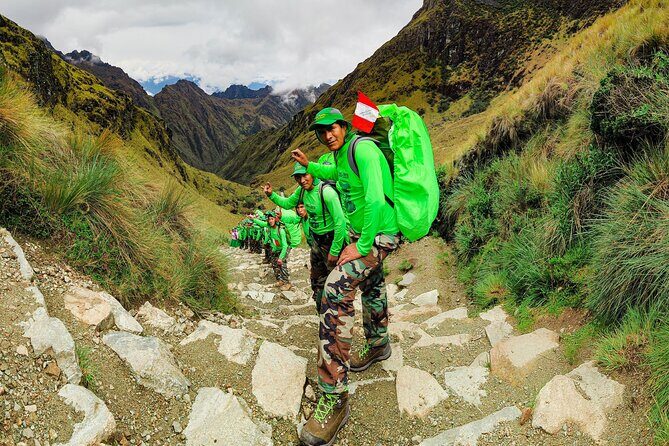
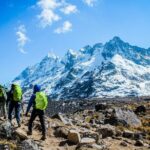
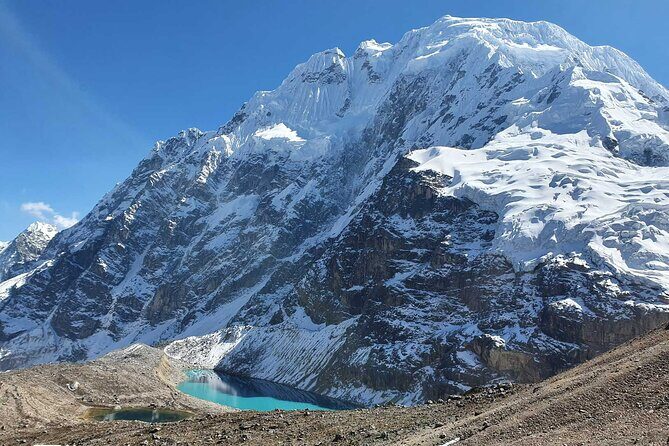
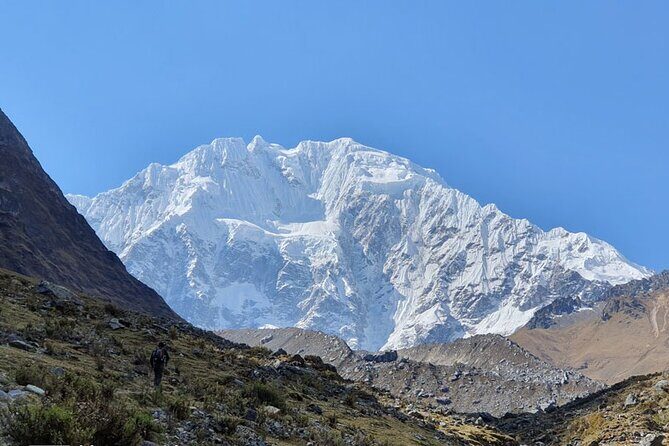
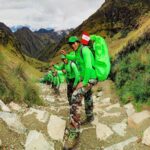
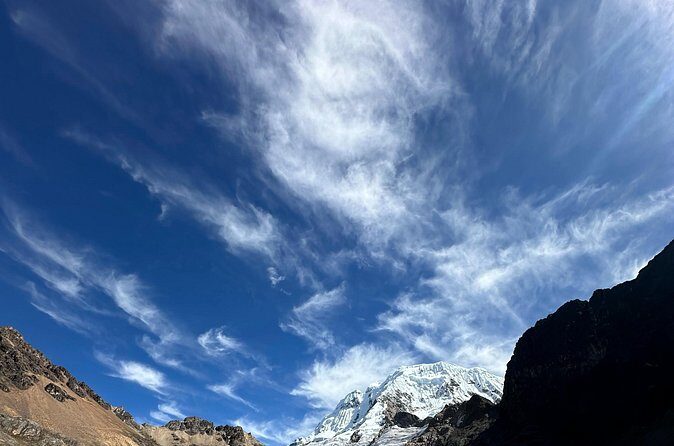
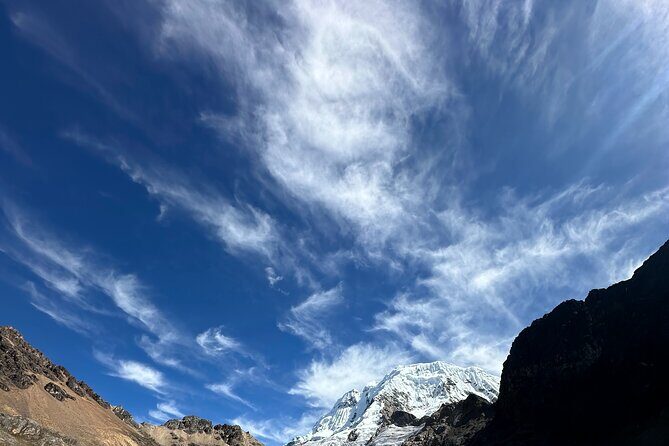
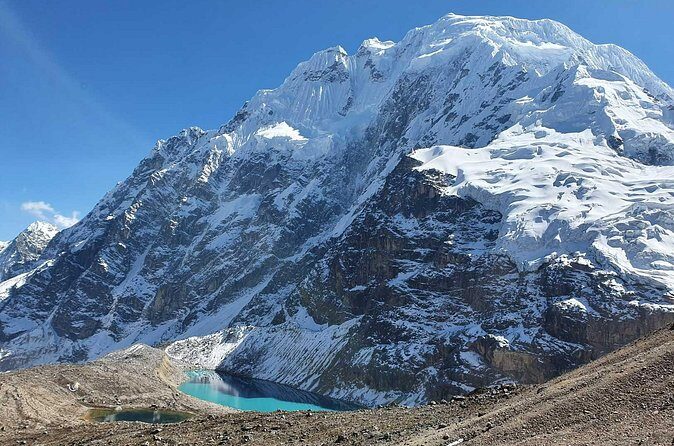
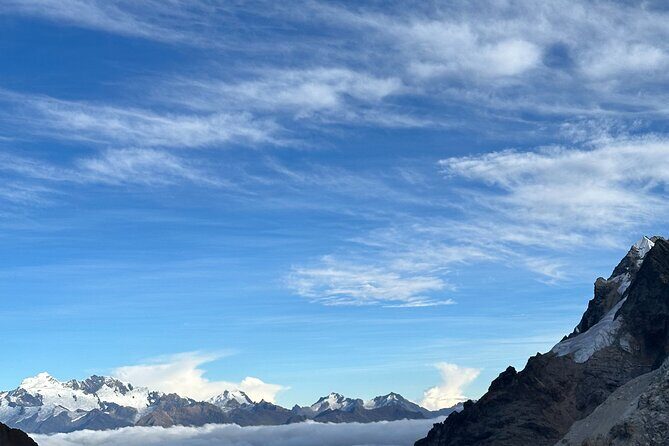
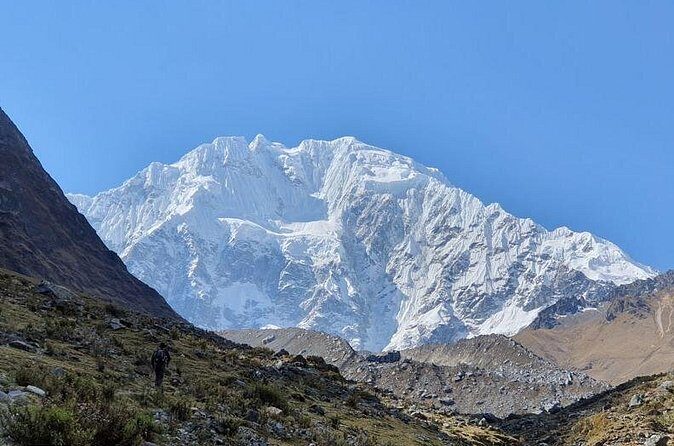
Day 1 is about big views and big elevation. You begin with a gentle ascent, then transition into a steeper climb through winding zigzags. As you climb, you’ll keep seeing Salkantay (6,271m), the mountain many locals treat as a sacred guardian of the region’s jungle-world.
At the high point of the pass (about 4,630m), you get panoramic views across the Sacred Mountains, with Humantay and Salkantay showing clearly in the mix. This is also where you add a pebble to the pile of stones—a small Apus offering for a safe journey. You’re not performing a long ceremony. It’s brief. It’s meaningful. It’s the kind of moment that makes you remember this is an active spiritual landscape, not just a hiking route.
Another neat detail: you can spot remnants of an ancient Inca trail stretched across the mountainside. It helps you understand why the Incas valued these routes. They weren’t just moving between places. They were building a living map through high ground.
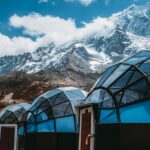
Then you descend to your first campsite at Andenes (about 3,400m). Late afternoon arrival means you’ll be tired, but you’re not rushing into dark. Night on the high slope can feel sharp and cold, so plan for layers even if the sun was doing you favors earlier.
Day 2 down the mountain: cloud forest hikes, orchids, and fruit at your feet
Day 2 begins early and then quickly changes the feeling of the whole trek. Leaving the pyramid-shaped peak area behind, you move into tropical cloud forest. That shift matters. Your senses change: air cools a little, plants get bigger and closer, and the sounds of the forest start replacing the wind-on-the-ridge feeling.
You’ll hike through lush vegetation with wild orchids and bromeliads, plus birds in the mix. The route also goes across bamboo groves. Overhead and alongside the trail, the guide highlights a sort of natural stage set: wild strawberries growing near the path, passion fruit above you, and areas with begonias and purple orchids.
After about 5 hours of hiking, you reach Wayracpunku for lunch. Then you continue to La Playa campsite, passing through the hamlet of Saint Ignatious. This is where the trek starts to feel more connected to everyday land use—banana and avocado trees, plus coffee plantations.
If you’ve only seen Peru from a car window, this day is where you learn why people fall in love with foot travel. The distance is reasonable, but the terrain is uneven. Your legs work differently when you’re walking through forest shade instead of open stone.
Day 3: Llactapata’s Machupicchu overlook and the Urubamba ride to Aguas Calientes
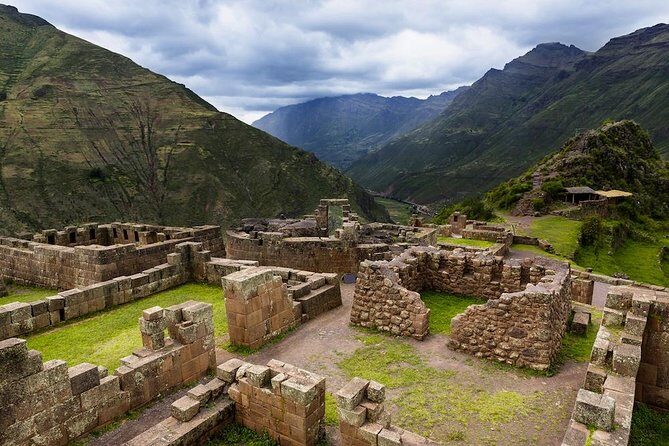
Day 3 has one of those moments that can quietly become the trip’s favorite memory: arriving at Llactapata, an Inca remain that looks down toward Machu Picchu. You hike for about 3 hours, then reach this viewpoint. It’s a magical angle because it frames Machu Picchu from a perspective that most visitors never see.
After that, you take a downhill trail for about 2 hours through increasingly thick vegetation. This is the day where the air can feel more humid and your pace slows even if you’re trying to keep it steady. You’re mostly moving through forest until you reach the hydroelectric power station, which also serves as the lunch spot.
From there, you follow the railway up the Urubamba valley to Aguas Calientes for your overnight stay in a hotel. The practical win: rail travel reduces the stress of an extra long day on foot. The scenic win: you still get valley views while your legs start recovering.
Also, this transition matters mentally. You’ve spent days earning every step. Now you switch modes—hiking to a rail approach—so you arrive with energy left for Machupicchu.
Day 4: early Machupicchu entry, guided tour, then time to wander
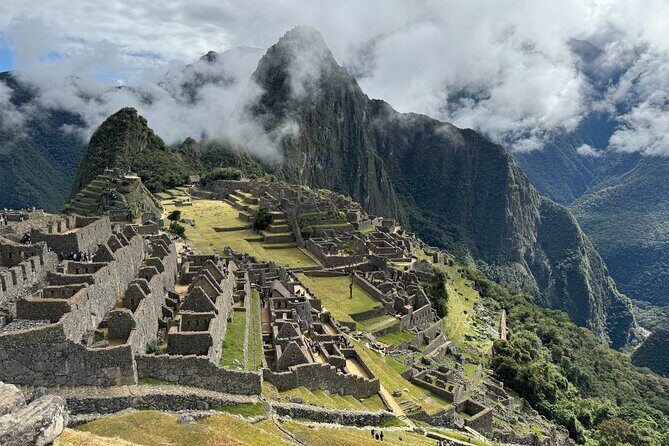
Machupicchu day is the payoff, and the timing is important. You go in early, which usually means better photo opportunities and a calmer start before crowds build. After entry, you follow a guided tour. This is the part where you learn how to read the site: the layout, the terraces, and how the builders shaped the space.
Then you get time to explore on your own. This is where you’ll do what you want—pause at viewpoints, walk the paths at your pace, and spend extra minutes where you feel pulled in. If you like photography, I’d treat this as your window for the details: doorways, stone textures, and the way the ruins sit in the terrain.
After your time at Machupicchu, you head back down to Aguas Calientes for rest and lunch. Finally, you take the train to Ollantaytambo and bus back to Cusco.
One note for value: the Machupicchu portion is listed with admission ticket free and about 3 hours, so you’re not paying extra surprises during the main site visit based on what’s stated.
You can also read our reviews of more tours and experiences in Cusco

Price and value check: is $1,190 fair for this route?
At $1,190 per person, this isn’t a bargain-basement trek. But it also isn’t priced like a private luxury escape. For many people, the value comes from what’s packed into four days: multi-day trekking with altitude work, an overnight in Aguas Calientes, and a train-to-Cusco return flow after Machupicchu.
You’re paying for a specific kind of experience: the Salkantay route gives you those big pass views and the later cloud-forest shift. You’re also not purely doing a Machupicchu day-trip formula. You’re building the story with the land itself, then finishing at the ruins with that early entry morning.
Price value also depends on your comfort with group travel. This tour runs with a maximum of 16 people, which is often small enough to feel personal without feeling like you’re stuck in a private bubble.
Pace and fitness reality: moderate fitness doesn’t mean easy
The physical requirement is listed as moderate fitness. Here’s the honest translation: you can do this if you can handle long days and uneven ground, and you’re not planning to sprint every climb.
Day 1 includes a steep climb with zigzags up toward the pass at 4,630m. Day 3 also has a downhill stretch followed by a more active valley transition. Even though the total distance is listed as about 12 km, the difficulty comes from altitude, foot placement, and the rhythm of the climbs and descents—not from a marathon distance number.
If you have knee issues, you’ll want to think about trekking poles and a steady downhill strategy. If you get headaches or feel off at altitude, you should tell the guide early. The best plan is to walk slower than you think you need to, especially on Day 1.
Your guide and group size: what makes the experience feel human
This trek runs in English and includes pickup, so the experience is meant to be easy to follow from Cusco onward. Your group is capped at 16, which matters more than people expect. Small groups move with less friction, and you can actually hear your guide.
One of the most praised parts is the guide’s passion and deep knowledge of Andean culture. That shows up not just in facts, but in moments like the Apus pebble offering and the way the route is explained as part of a living landscape. If you care about why these routes matter, not just that they exist, you’ll feel that attention.
Group size also affects camp and night energy. People talk about stars overhead, wind on the peaks, and the quiet feel of sleeping in an Inca-shaped world. That kind of atmosphere is easier when your group isn’t huge and your nights aren’t crowded.
Wildlife and plant life: what you can hope to see on the forest days
Day 2 and Day 3 are where you’ll notice biodiversity in a way that feels almost unfair after the mountain day. You’re hiking through cloud forest with orchids and bromeliads, and there’s a real chance of spotting wildlife.
From firsthand accounts, people have reported seeing spectacled bears and toucans on the forest stretches, plus bromeliads at every turn. No guarantees here. But you should come expecting surprises, especially during the quieter, shaded sections.
Practical tip: keep your eyes up and your camera ready during rest breaks, not only while moving. You can often spot birds or unusual plants when the group slows for a moment.
What to pack for a trek with high passes and rainforest shifts
The trek swings from high altitude to cloud forest and back toward valley humidity. That means your packing needs to handle temperature changes more than rain alone.
I’d plan for:
- Layering for cold nights at higher elevation and warmer daytime hikes
- Sturdy footwear for uneven trail and downhill days
- A way to stay warm at camp (nights can feel colder than you expect)
- Sun protection for exposed ridges on Day 1
Also, don’t underestimate how much your body hates going downhill when you’re tired. Good socks and walking shoes you trust will do more for you than fancy gear.
Service animals are allowed, and the activity is near public transportation, which can help if you’re building other days around Cusco.
Should you book Salkantay Trek to Machupicchu 4D/3N?
Book it if you want a Machupicchu ending that feels earned, with real mountain-and-forest variety in only four days. You’ll likely enjoy this most if you like walking, you respect altitude, and you want cultural meaning mixed into the trail—not just a check-the-box sunrise and then back to town.
Don’t book it (or at least think twice) if you want a gentle, low-effort hike or if you’re unsure how you handle elevation. Day 1’s pass is the key test. Also, this experience requires good weather, and if conditions are poor, you’ll be offered a different date or a full refund.
One more useful way to decide: if you’re traveling with someone who appreciates bonding moments—quiet nights, shared effort, and big viewpoint arrivals—this route has that built in. The Machupicchu morning is the final scene, but the emotional payoff often starts long before the gates.
FAQ
How long is the Salkantay trek to Machupicchu?
It’s listed as 4 days (about 4 days total) with 3 nights.
What does pickup look like, and where does it start?
Pickup is offered. The meeting point is Plaza Regocijo, Cusco 08002, Peru, and the activity ends back at the meeting point.
What language is the tour conducted in?
The tour is offered in English.
What fitness level is needed?
You should have a moderate physical fitness level.
How big is the group?
The tour has a maximum of 16 travelers.
Does this include Machupicchu admission?
The Machupicchu portion is listed with a free admission ticket and about 3 hours, along with a guided tour and time to explore.
What’s the route like across the days?
You’ll go from Mollepata to Soraypampa and hike up to the Salkantay pass on Day 1, then descend through cloud forest on Day 2, reach Llactapata and continue toward Aguas Calientes on Day 3, and start early at Machupicchu on Day 4 before traveling back to Cusco.
What happens if the weather is bad?
This experience requires good weather. If it’s canceled due to poor weather, you’ll be offered a different date or a full refund.