REVIEW · CUSCO
Sacred Valley VIP Private Tour
Book on Viator →Operated by Viagens Machu Picchu · Bookable on Viator
A full day in the Sacred Valley feels personal fast. This private route stitches together the Incas’ practical side (Moray’s climate-bending “lab”) with the Valley’s iconic places like Salinas de Maras salt wells, plus a proper buffet lunch in Urubamba. What I especially like is the tight pacing for a long day and the guide-style explanations that make the ruins make sense instead of feeling like random stones. The one thing to consider is simple: it’s an early start and an all-day drive, so it’s not built for slow mornings.
You’ll get picked up around 7:00am after breakfast at your hotel and spend about 11 hours in total, with a certified guide who can work in Spanish, English, or Portuguese. The trip stays focused on a classic sweep: Maras → Moray → Salinas de Maras → Urubamba → Ollantaytambo → Pisac → back to Cusco.
In This Review
- Key highlights you’ll feel right away
- What You Get in This 11-Hour VIP Private Day
- Morning Pickup at 7:00 and the Drive Toward Maras
- Maras: First Look at the Town and Salt-Region Energy
- Moray’s Circular Ruins and the Incas’ Microclimates
- Salinas de Maras: Over 3,000 Wells of Working Salt
- Urubamba: Buffet Lunch in the Heart of the Valley
- Ollantaytambo: The Inca City That Still Looks Like an Inca City
- Pisac: Partridge-Shaped Clues in the Archaeological Center
- Returning to Cusco: Closing the Loop on the Sacred Valley Day
- Price and Value: Is $247 Worth a Private Sacred Valley Day?
- Who This Tour Suits Best (and Who Might Skip It)
- Should You Book This Sacred Valley VIP Private Tour?
- FAQ
- How long is the Sacred Valley VIP Private Tour?
- What time does the tour start?
- Is this tour private?
- What’s included in the price?
- Are entrance fees included for the stops?
- Is lunch included?
- What kind of guide languages are available?
- What is the cancellation policy?
Key highlights you’ll feel right away
- Private transportation for the whole loop, so you can relax instead of managing buses and transfers
- Moray’s microclimates, explained through an agricultural lab idea the Incas used
- Salinas de Maras salt wells, more than 3,000 working wells and a food ingredient with worldwide fame
- Urubamba buffet lunch, included and timed so you’re not rushing between sites
- Ollantaytambo and Pisac, with the kind of guided context that turns ruins into stories
- Complimentary bottled water to keep you comfortable on a long day out of Cusco
What You Get in This 11-Hour VIP Private Day
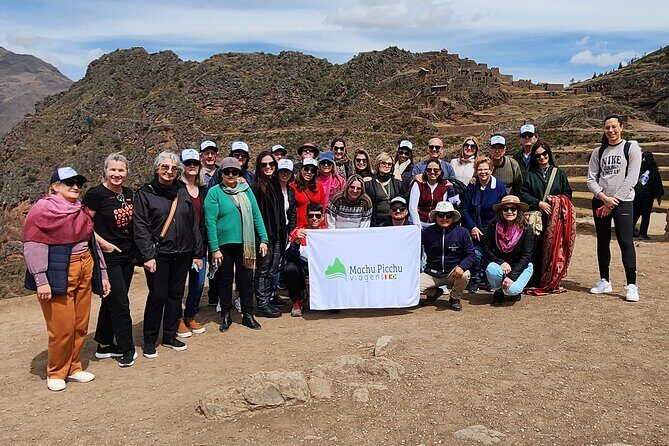
This is the kind of tour you book when you want your Sacred Valley day to feel efficient and guided. You’re not just driving between stops—you’re getting a clear story line as you move through places tied to Inca planning, agriculture, salt production, and ceremonial life.
At $247 per person for an 11-hour private experience, the big value driver is what’s included: private transportation, a certified professional guide, entrance access for the archaeological centers you visit, a buffet lunch in Urubamba, and complimentary bottled water. For many people, that bundles the day’s costs into one decision—no hunting around for tickets mid-trip.
It also helps that the experience is rated 4.9 with 32 reviews, and it’s marked as recommended by 100% of travelers. That doesn’t mean every day is perfect, but it does suggest the core formula works: good route, clear guiding, and a smooth pace for a full day.
You can also read our reviews of more private tours in Cusco
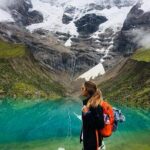


Morning Pickup at 7:00 and the Drive Toward Maras
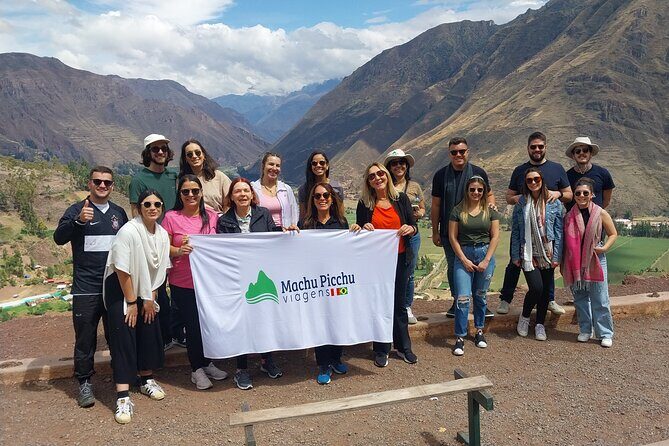
Your day starts early—pickup is scheduled for 7:00am. You’ll set out northwest of Cusco along a paved road for about 1 hour and 30 minutes, passing through Poroy and Chinchero on the way to Maras.
Why this matters: that long, early drive is often what makes Sacred Valley days feel tiring. Here, it’s handled inside the plan, with private transportation doing the hard work. You’re also starting before most of the crowds really hit the popular stops later in the morning, which can make the first site visits feel less rushed.
If you’re the type who needs time to wake up properly, plan for it. Bring a light layer (mornings can feel cooler) and keep water within reach—even though bottled water is included, you’ll still want easy access when you’re in and out of the car.
Maras: First Look at the Town and Salt-Region Energy
The first stop is Maras, with about 1 hour on the ground. The itinerary notes the Maras stop has admission free, so you’re not spending your time scanning ticket lines or worrying about extra entry costs.
Maras matters because it’s the gateway into the salt story. Even before you reach the salt wells themselves, the area sets the tone: this is a community-built landscape where salt isn’t just something you view—it’s something people work.
Practical note: Maras is a first stop, so your feet will likely be meeting stone paths and uneven walkways. Comfortable walking shoes are a smart move.
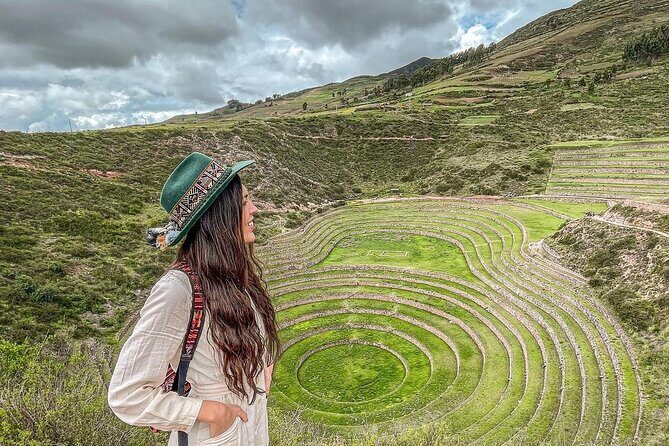
Moray’s Circular Ruins and the Incas’ Microclimates
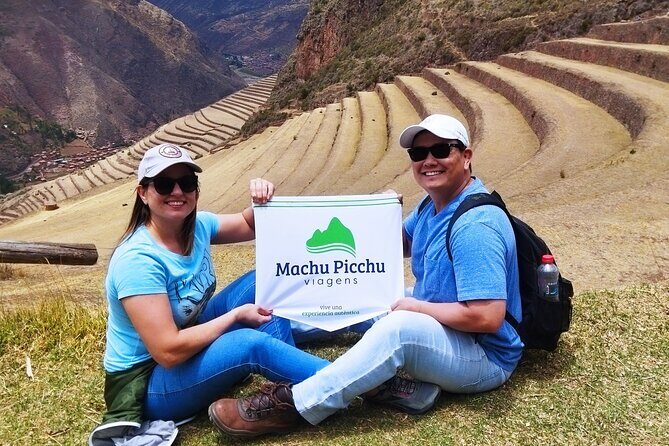
Next comes Moray, located about 7 kilometers from Maras. You’ll have around 20 minutes here, and admission is included.
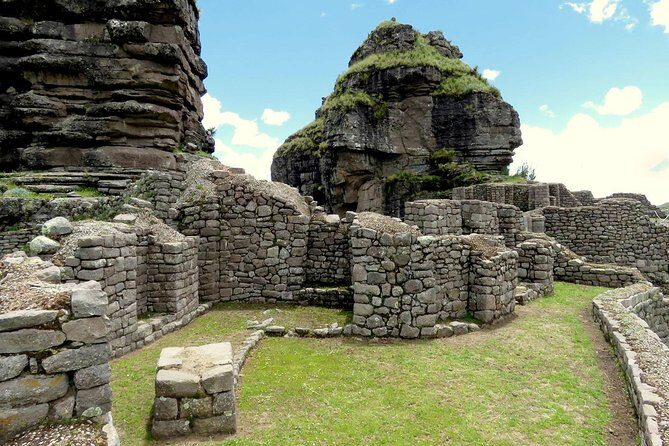
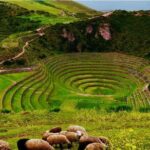
Moray’s key idea is why it’s more than a pretty ruin. The archaeological center is described as an Inca agricultural laboratory used to adapt to different types of microclimates. Picture the Incas testing how crops could thrive under slightly different environmental conditions—then using what they learned to improve farming.
This stop can feel short, but that’s part of the design. With only 20 minutes, the guide has to do the work: translating what you’re seeing into why it existed. If you like history that connects to real life (food, farming, planning), Moray is exactly the kind of stop you’ll appreciate.
What you’ll want from your guide here is plain explanations—how those circular structures relate to the climate idea. When a guide hits that clearly, Moray feels like a working brain, not just an ancient shell.
Salinas de Maras: Over 3,000 Wells of Working Salt
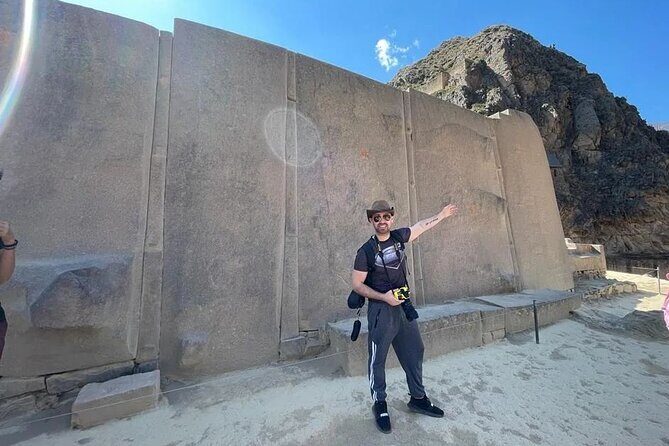
After Moray, you’ll move to Salinas de Maras, the salt mines of the Maras area. This is one of the most visually distinctive stops, with about 2 hours on-site. Admission is included.
The star detail: the salt wells are mineral in origin, and the area has more than 3,000 wells worked by the community. The tour also frames this salt as a product that shows up in popular restaurants around the world—a nice reminder that the past here isn’t locked away. It’s still part of how food gets made.
Why the time matters: two hours gives you a chance to take photos and also just watch the place. With salt wells spreading across the hillside, it’s easy to get caught in the visual pattern. If you rush, you’ll miss the scale.
A realistic consideration: this is a working site. You’ll want to be mindful of where you step and how close you get to active areas, following whatever guidance your driver and guide suggest.
You can also read our reviews of more tours and experiences in Cusco




Urubamba: Buffet Lunch in the Heart of the Valley
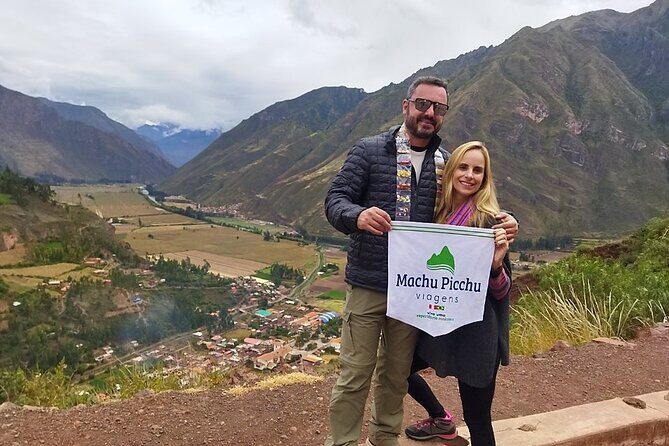
Then you head into Urubamba, described as the heart of the Sacred Valley. You’ll have about 1 hour here, and the big included item is your delicious buffet lunch at a restaurant in the area.
Even if you’re not a big “food person,” this stop is strategically placed. It breaks up the morning’s monuments with something practical: eating, resetting, and letting the guide catch you up on what you’ll see later.
Also, keep the pace in mind. The tour keeps moving after lunch toward Ollantaytambo. That means the best use of your hour is simple: eat what you can, hydrate, and don’t plan on a long linger unless the group timing gives you room.
If you’re picky about meals, you’ll still be fine as long as you treat it like a buffet: choose what looks safest and simplest for you, and avoid overthinking it. The lunch is included, so you don’t have to spend your time hunting for something that fits mid-day.
Ollantaytambo: The Inca City That Still Looks Like an Inca City
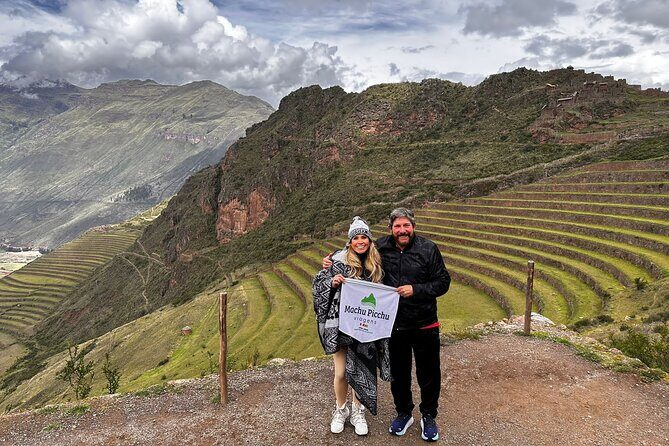
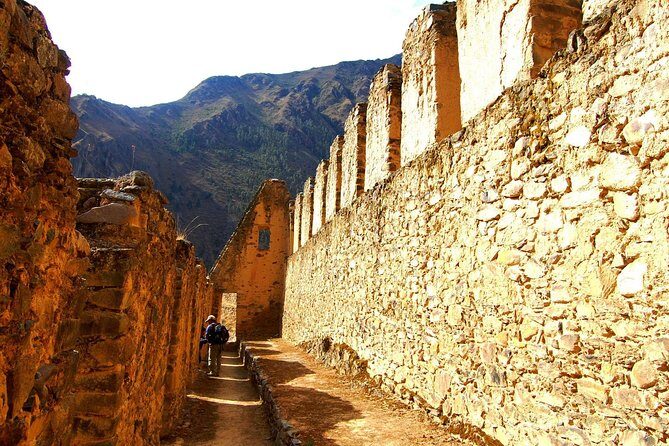
After lunch, you go to Ollantaytambo, with about 2 hours here. The stop is noted as admission free in the itinerary, and the focus is its archaeological center and the fact that it’s the only one in the region that still keeps the original urban design from the Inca era.
This is one of those places where a guide really earns their fee. Ollantaytambo isn’t just walls; it’s layout. The itinerary highlights that you’ll be able to hear about its importance during the Inca era as a military, religious, and political center. That three-part framing helps your brain organize what you’re seeing.
When the guide is good, the ruins stop feeling random. You start to notice lines, elevation, and how people would have moved through the space. Even if you’re not a hardcore history fan, Ollantaytambo tends to land because it still reads as a city, not a museum.
Pisac: Partridge-Shaped Clues in the Archaeological Center
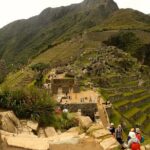
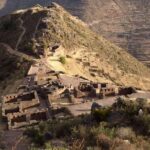
Next up is Pisac (spelled Pisaq in the description), again with about 2 hours. This stop is also marked as admission free in the itinerary.
Pisac is popular for its traditional essence and rooted art. But what makes this stop extra interesting is the meaning tied to the name. The itinerary notes that Pisaq comes from Quechua, linked to Pisaq’a, described as a word meaning partridge—a common bird in the area. It even suggests a spiritual meaning because the shape is said to resemble a partridge.
That’s the kind of detail that makes a guided visit pay off. Without explanation, you can stare at stones and get “cool view” but not much meaning. With the explanation, Pisac becomes an Inca-language puzzle: names, symbols, and landscape all working together.
Two hours is a fair amount of time here if you want to take photos and also pause when something clicks. If you’re constantly moving, you’ll miss that “aha” moments that come from the story your guide tells.
Returning to Cusco: Closing the Loop on the Sacred Valley Day
Your final part of the plan is getting back to Cusco, with about 2 hours allocated for the return. After seeing the sequence—salt, climate experiments, Inca cities, and Pisac’s symbolic shape—you’ll end the day with the feeling of having gone full circle.
This is also the part where you’ll appreciate the private logistics. You’re not switching vehicles or searching for a meeting point. You’re just returning with your group and your guide still there to wrap up questions if time allows.
Price and Value: Is $247 Worth a Private Sacred Valley Day?
Let’s talk money in the real way: $247 per person is not a bargain price. But it can be fair value when you add up what you’re paying for.
Included items that matter:
- Private transportation for an 11-hour day
- Certified professional guide (Spanish, English, or Portuguese)
- Entrance access for the archaeological centers you visit
- Buffet lunch in Urubamba
- Complimentary bottled water
The two strongest value points are privacy and time. A private setup usually means fewer delays and fewer “wait around for the bus” moments. In a day that already starts at 7:00am, that kind of time-saving feels like value, not convenience fluff.
The other value point is that the itinerary isn’t just “see three ruins.” It connects ideas: Maras and salt production, Moray and microclimates, Ollantaytambo as political/religious/military center, then Pisac with the partridge symbolism.
One more timing note: the tour is often booked about 49 days in advance on average. That’s not a rule, but it does hint this isn’t a last-minute-only kind of day if you want the schedule you want.
Who This Tour Suits Best (and Who Might Skip It)
This Sacred Valley VIP private day is a great fit if you:
- Want a guided route through major Sacred Valley stops
- Like history with practical links—like how Moray ties to agriculture and microclimates
- Prefer private transportation instead of shared vehicles
- Want a structured day that includes lunch and water already handled
It may be less ideal if you:
- Want a relaxed, slow travel day with lots of unplanned stops
- Get worn out by early starts and long car time
- Prefer free time to wander without a planned sequence
If you’re traveling as a couple or small group, private often feels more worth it because the car and guide costs don’t get spread thin across strangers. Just remember: it’s still an 11-hour plan, so energy management matters.
Should You Book This Sacred Valley VIP Private Tour?
I’d book it if your goal is a clean, classic Sacred Valley day with a guide who explains why these places mattered, not just where they are. The stops are well chosen for a full story arc—from Moray’s agricultural lab concept to Salinas de Maras’ working 3,000+ salt wells, then on to Ollantaytambo’s living Inca town design and Pisac’s partridge-name clue.
Before you commit, think about your stamina. This is a one-day loop with a 7:00am start and lots of “see and go” moments. If you’re okay with that, this private format is a strong way to get value out of your time in the region.
FAQ
How long is the Sacred Valley VIP Private Tour?
It runs for about 11 hours.
What time does the tour start?
The tour starts at 7:00am.
Is this tour private?
Yes. It’s a private tour/activity, meaning only your group participates.
What’s included in the price?
The tour includes private transportation, entrance to the archaeological centers, a certified professional guide (Spanish, English, or Portuguese), a buffet lunch, and complimentary bottled water.
Are entrance fees included for the stops?
The tour includes entrance access for the archaeological centers you visit. In the itinerary, Moray and Salinas de Maras are listed as including admission, while Maras, Urubamba, Ollantaytambo, and Pisac are listed as admission free.
Is lunch included?
Yes. You’ll have a buffet lunch in Urubamba.
What kind of guide languages are available?
The guide is listed as certified in Spanish, English, or Portuguese.
What is the cancellation policy?
You can cancel for a full refund if you cancel at least 24 hours before the start time. If you cancel less than 24 hours before, the amount paid is not refunded.