REVIEW · CUSCO
Machu Picchu and Sacred Valley 2 Day Tour
Book on Viator →Operated by Adventure In Peru · Bookable on Viator
Two days, one giant Inca finale. This Machu Picchu and Sacred Valley tour strings together Pisac viewpoints (including Taray), a market stop, Ollantaytambo, an overnight in Aguas Calientes, and a guided walk inside Machu Picchu. I love the way the day builds in layers, so Machu Picchu feels like the payoff, not the only stop.
I also like the fact that Machu Picchu is handled with a private tour guide and you follow a reserved circuit instead of wandering at random. The key tradeoff: Day 2 is long (around 12 hours), and some other major sites on Day 1 have admission not included, plus your time inside Machu Picchu can feel constrained by the pre-booked route.
In This Review
- Key highlights to know before you go
- Two days in the Inca loop: the pacing that actually works
- Pisac: Taray viewpoints and market time before the Sacred Valley ruins
- Ollantaytambo’s religious sector: terraces, fountains, and the town vibe
- The overnight in Aguas Calientes: resting counts more than you think
- Machu Picchu with a booked circuit: passport check and a guided route
- Transport and timing: why Day 2 feels like a long day
- Price and value: what $597 includes, and what you still pay for
- Who this tour suits (and when you might want a different plan)
- Should you book this Machu Picchu and Sacred Valley 2-Day Tour?
- FAQ
- What time is the pickup in Cusco?
- How long is the tour?
- Is Machu Picchu admission included?
- Do I need a passport for Machu Picchu?
- What’s included for transportation?
- What meals are included?
- What if the tour is canceled due to weather?
Key highlights to know before you go
- Taray viewpoint stops on the way to Pisac help you start with big Andes views before the ruins.
- Pisac market time gives you a real-world pause after walking stone corridors.
- Ollantaytambo’s religious sector is explained clearly, with attention to terraces and water features.
- Train + overnight in Aguas Calientes turns travel time into part of the experience.
- Machu Picchu with passport check and a booked circuit keeps the visit organized.
- Small-group cap (max 10) is a plus if you want questions answered without fighting a crowd.
Two days in the Inca loop: the pacing that actually works
This tour is built for one thing: getting you from Cusco into the Sacred Valley and up to Machu Picchu with a lot handled for you. You’ll start early (pickup around 7:00 am) and move steadily, but the structure is what makes it feel doable—Pisac and Ollantaytambo on Day 1, then Machu Picchu on Day 2.
What I like in a plan like this is that it respects reality. Machu Picchu is not a “show up and wander” site if you want meaning, timing, and less stress. Here, the day is paced so you arrive, rest overnight in Aguas Calientes, then do the main circuit the next morning/afternoon block with a guide.
The max group size of 10 matters too. On busy programs, you can end up listening over people’s shoulders. A smaller group makes it easier to hear explanations and keep up during walking segments.
You can also read our reviews of more tours and experiences in Cusco.



Pisac: Taray viewpoints and market time before the Sacred Valley ruins
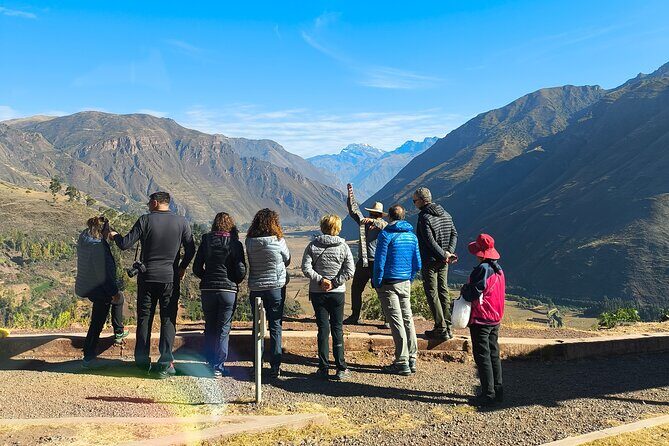
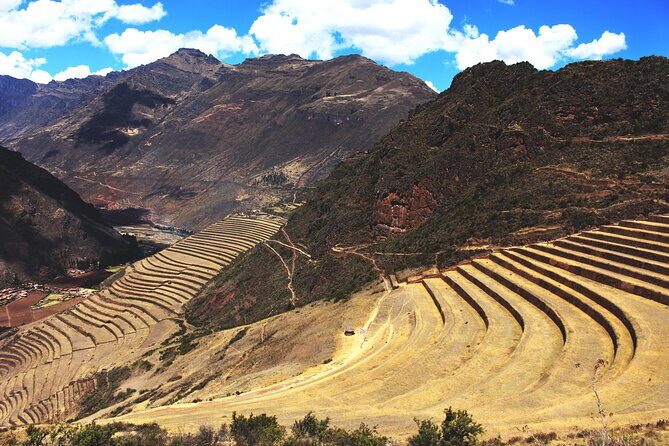
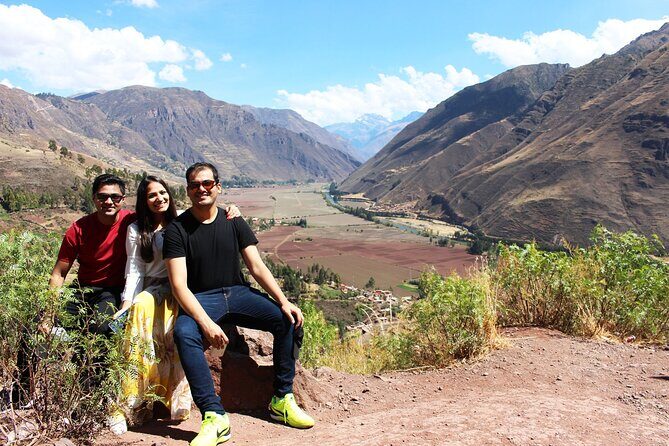
Your Day 1 begins with pickup from your Cusco hotel or Airbnb, then a drive toward Parque Arqueológico Pisac. On the way, you’ll stop at viewpoints like Taray. It’s a small thing, but it sets the mood fast: you see how these sites sit in the Andes, and you understand why the Incas chose these locations beyond just the ruins themselves.
At Pisac, your guide points out the important places and explains what you’re looking at. You also get time to visit the Pisac market. This is the kind of break that keeps the day from turning into a full-day museum run. Even if you don’t shop, it’s a good moment to reset and watch daily life around the area.
One practical note: the Pisac stop lists admission ticket not included. That means you’ll want to plan for another ticket cost on top of the tour price, unless your operator later clarifies it as covered in your specific booking.
Lunch is another “budget item” day-one travelers sometimes forget. You’ll pause at Urubamba where you can buy lunch, but it’s not included. If you’re the type who needs a predictable meal plan, bring snacks or carry some easy cash/cards so lunch doesn’t become a scramble.
Ollantaytambo’s religious sector: terraces, fountains, and the town vibe
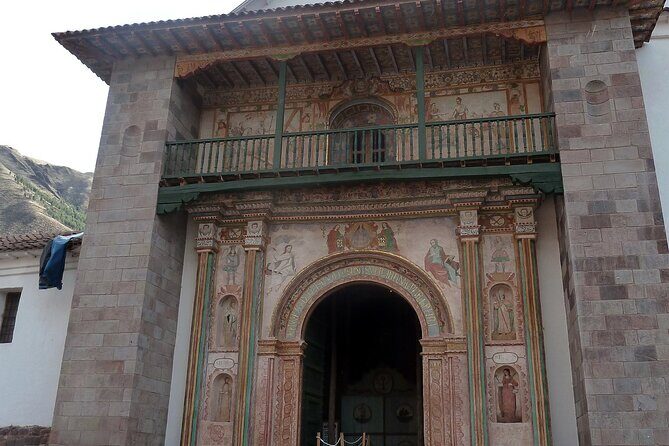
After Pisac and your Urubamba lunch stop, you continue to Ollantaytambo. You’ll spend time exploring the archaeological park, with a focus on the religious sector. That includes terraces and standout features like the Sun Temple, water fountains, and storage houses.
This is where a good guide earns their pay. When you’re standing in a stone complex with lots of overlapping structures, it helps to have someone explain what each space likely did and how it fits into the larger Inca pattern of engineering and ritual. The program also allows extra time if you want to look around the town area with the guide.
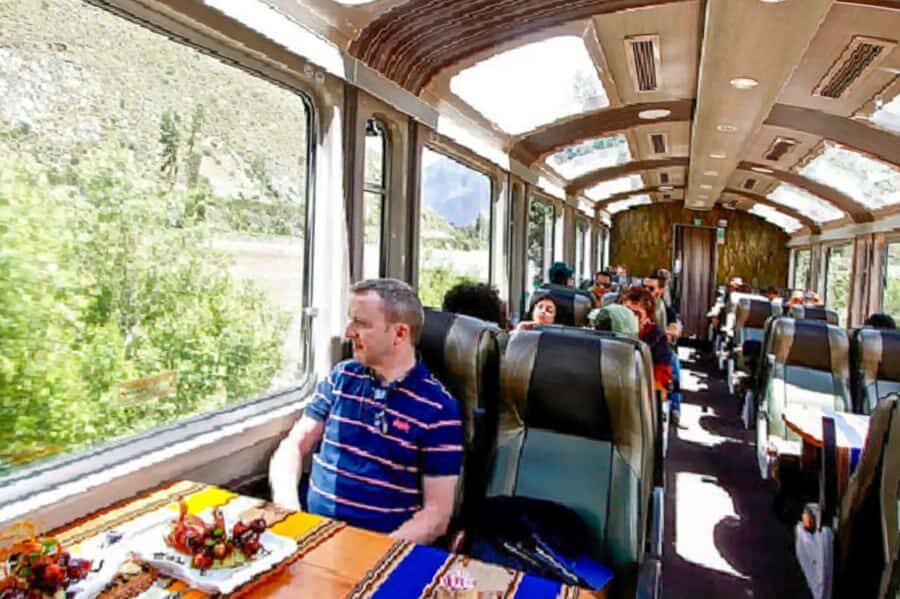
The tour then shifts from ruins to logistics, which is smart. You’ll head to the train station to board for the overnight in Machu Picchu town (Aguas Calientes). For many people, that train segment is more than transport—it becomes your transition moment. You’re going from “learning the region” to “getting ready for the main event.”
Also, keep in mind: the Ollantaytambo stop lists admission as not included. So this tour is not a full all-in ticket bundle for Day 1 sites; Machu Picchu itself is handled differently (covered on Day 2).
The overnight in Aguas Calientes: resting counts more than you think
You’ll board the Expedition train from Ollantaytambo to Aguas Calientes and Cusco as part of the included package. After arriving in Aguas Calientes, you’ll check into a 1-night hotel (double room basis) and get to rest.
Why does the overnight matter? Because Machu Picchu is not just a quick stop. You’ll have a long day on Day 2, including bus time up to the site and a guided circuit that can last 2 to 3 hours depending on the route you book. Having a night in Aguas Calientes makes that feel less rushed than doing everything in one day.
From the feedback I’ve seen about similar departures, you also get praise for the way the operator handles comfort and organization with the guide and driver team. Names that come up in context with this company include Lito (often mentioned for warm, passionate explanations) and coordination by Carlos (praised for responsiveness and helpful planning). Even if the exact crew varies by date, the pattern is consistent: people note smooth, professional transport and attentive service.
Machu Picchu with a booked circuit: passport check and a guided route
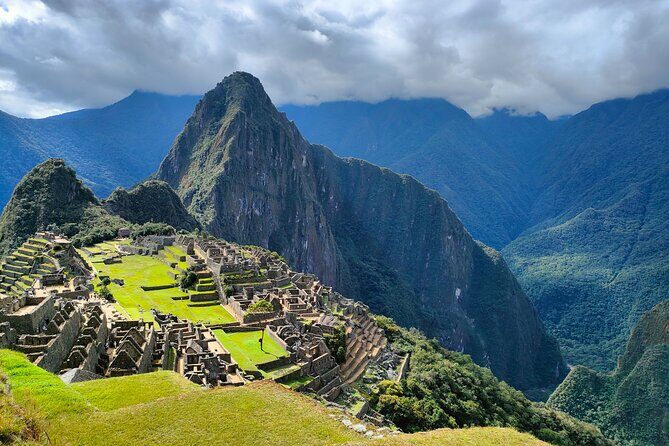
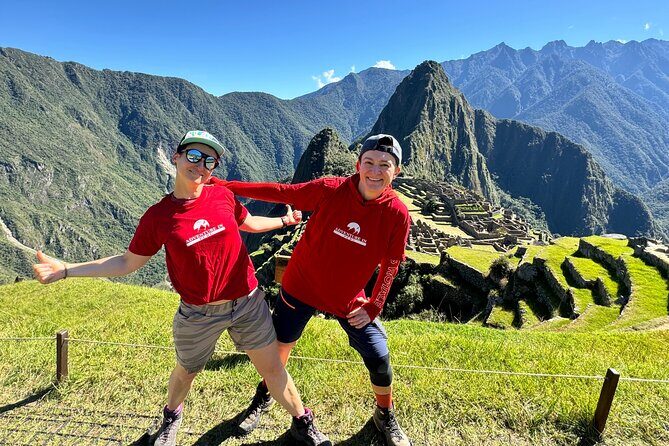
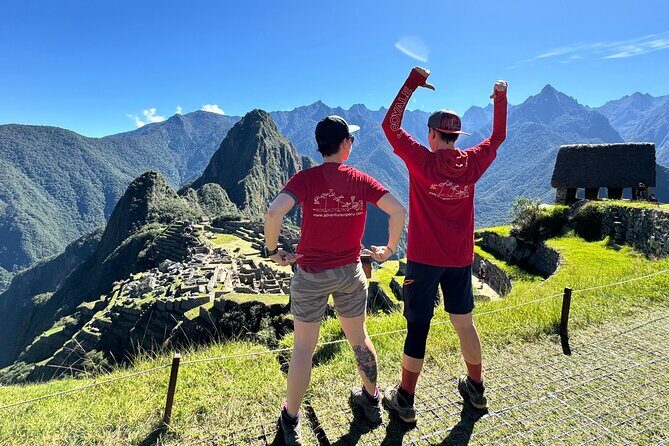
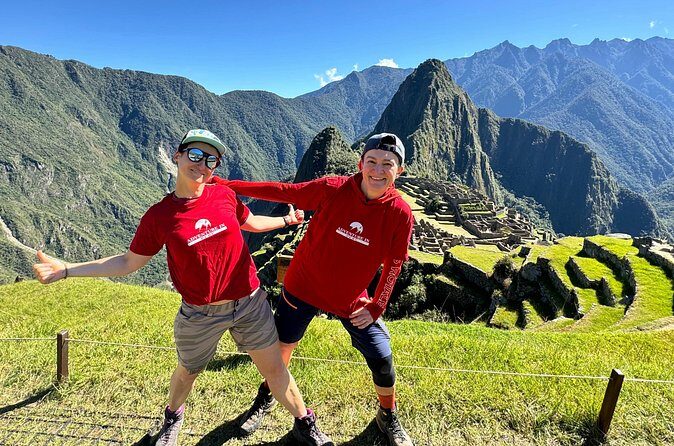
Day 2 is the big one: Santuario Histórico de Machu Picchu. The tour guide comes to your hotel, then you take the bus to Machu Picchu, about 25 minutes. Once you reach the entrance, you’ll need your passport for the gate check.
Inside, you follow the circuit that matches what you booked at reservation time. That detail is important. Machu Picchu is managed with timed entry and organized walking routes, and this tour respects that system. I like that the visit isn’t presented as random roaming; it’s more like a guided walk through the areas that fit your route.
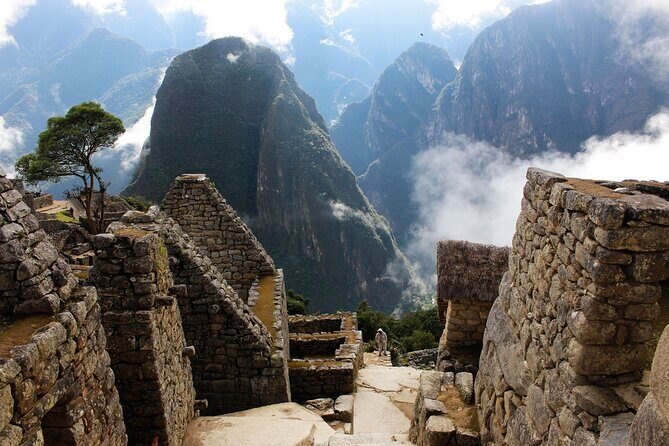
The tour duration at Machu Picchu is 2 to 3 hours, depending on the circuit. Expect your guide to explain key spots along your route so you understand what you’re seeing—terraces, plazas, and the reasons those stone lines matter. Then you return by train back to Ollantaytambo, and continue by bus to Cusco.





Transport and timing: why Day 2 feels like a long day
This is not a “quick in and out” tour. Day 2 is listed as taking about 12 hours, which includes bus time to Machu Picchu, your guided walk, train return to Ollantaytambo, and then bus back to Cusco.
What helps is that the plan is already built around the geography. You can’t do Machu Picchu from Cusco in a casual same-day way without major stress. The included transport reduces the number of decisions you have to make mid-trip.
You’ll also have a private transportation segment from Ollantaytambo train station to Cusco included, plus the round-trip bus ticket to Machu Picchu. That matters because, at this altitude and in crowds, losing time to “where do we go next?” is the real cost of a bad plan.
One more timing reality: Machu Picchu is weather dependent. The experience requires good weather, and if it’s canceled due to poor conditions, you’ll be offered a different date or a full refund. That’s not a small detail. If your schedule is tight, keep some flexibility.
Price and value: what $597 includes, and what you still pay for
At $597 per person for about two days, the value is strongest if you want a prepared route: hotel night, train segments, bus transport, and a private guide at Machu Picchu. Those are the big-ticket, high-stress parts of the trip.
Here’s what’s included:
- Expedition train from Ollantaytambo to Aguas Calientes and back
- Private Machu Picchu guide
- Machu Picchu entrance tickets (with circuits based on availability)
- 1 night hotel in Aguas Calientes (double room basis)
- Pickup in Cusco
- Private transportation from Ollantaytambo station to Cusco
- Round-trip bus tickets to Machu Picchu
- Breakfast on Day 2
What’s not included:
- Tips
- Admission tickets for Pisac and Ollantaytambo
- Lunch on Day 1 (you buy it at Urubamba)
So the honest value equation looks like this: you’re paying for the backbone—transport + Machu Picchu guide + your overnight—while Day 1 site entrances and lunch are extra. If you don’t want to think about those costs at all, budget for them early.
Who this tour suits (and when you might want a different plan)
This fits best if you:
- Want private guidance at Machu Picchu, not just a general group walk
- Prefer someone else to handle the train, bus, and connections
- Like a tight schedule that still includes key Sacred Valley stops (Pisac and Ollantaytambo)
It’s also a good match for people who appreciate the way guides like Lito are described—warm, supportive, and strong on explanations, including nature and Inca context. Those traits matter because Machu Picchu can look impressive but confusing if you don’t have a plan to understand it.
You may want to adjust expectations if you’re the type who needs long unstructured time in each site. The circuits at Machu Picchu are part of the system, and that can limit wandering. Day 1 also includes walking and driving between points, with tickets not included for some stops.
Should you book this Machu Picchu and Sacred Valley 2-Day Tour?
If you want the simplest path to Machu Picchu without juggling transportation and entry details, this is a strong choice. The included train, the one-night hotel in Aguas Calientes, and the private guide inside Machu Picchu do the heavy lifting, and the Pisac + Ollantaytambo pairing gives you context beyond the main ruin.
I’d book it if you’re okay paying a bit extra for Pisac and Ollantaytambo admissions and you’re fine with a long Day 2 (around 12 hours). If you hate structured circuits or you’re traveling with limited flexibility for weather, you’ll want to think twice.
FAQ
What time is the pickup in Cusco?
The start time is 7:00 am, and a representative will pick you up at your hotel or Airbnb in Cusco.
How long is the tour?
The tour runs for 2 days (approx.).
Is Machu Picchu admission included?
Yes. Entrance tickets to Machu Picchu are included, and the circuit you use depends on availability.
Do I need a passport for Machu Picchu?
Yes. At the Machu Picchu gate, you must show your passport.
What’s included for transportation?
You get the Expedition train (Ollantaytambo to Aguas Calientes to Cusco), a round-trip bus ticket to Machu Picchu, and private transportation from Ollantaytambo train station to Cusco.
What meals are included?
You get breakfast on Day 2. Lunch on Day 1 is not included (you can buy it in Urubamba).
What if the tour is canceled due to weather?
This experience requires good weather. If it’s canceled due to poor weather, you’ll be offered a different date or a full refund.