REVIEW · CUSCO
Sacred Valley of the Incas – Group Service
Book on Viator →Operated by Inkayni Peru Tours · Bookable on Viator
Cusco already feels magical, but the Sacred Valley does it faster. In one 7 to 8 hour day, you’ll see Inca stonework at Ollantaytambo and Pisac, then slow down at Chinchero where an archaeological site sits right inside a town that still keeps ancient habits.
I love how organized this trip feels for a first-time Peru visit: hotel pickup happens in the morning, and the day runs with an experienced guide and all transportation handled. I also love the way the stops connect—stone streets, solar observatory details, and terracing engineering all build on each other so the Sacred Valley starts to make sense.
One thing to keep in mind: it’s weather-dependent. The tour requires good weather, and the itinerary timing starts early, with pickup typically between 7 and 8 am depending on where you’re staying.
In This Review
- Key highlights you’ll feel on this tour
- Sacred Valley day trip from Cusco: why this format works
- Ollantaytambo: stone streets, a rebellion story, and the feeling of a living town
- Pisac: terraces, Intihuatana, and the Inca obsession with water
- Chinchero: where archaeology blends into everyday tradition
- Guide quality and small-group attention: where the trip gets better
- Price and what you actually get for $19.49
- Timing, pickup, and how to set yourself up for a smooth morning
- Who this tour suits best (and who might want a different option)
- Should you book this Sacred Valley group service?
- FAQ
- What time does the tour start?
- Where is the meeting point?
- Is hotel pickup included?
- How long is the tour?
- Which stops are included?
- What group size is this tour?
- Is food included?
- Are entrance fees included?
- What happens if the weather is poor?
- What is the cancellation policy?
Key highlights you’ll feel on this tour
- Small group size (max 15), so your guide can actually answer questions instead of shouting over everyone
- Pickup from your hotel and round-trip return to the meeting point, so you don’t have to plan transit
- Ollantaytambo’s stone streets and the story behind Ollanta, told in plain language
- Pisac’s terraces and Intihuatana—especially the solar observatory detail with carved stone in the shape of hands
- Chinchero’s town + archaeology mix, where you’re not only looking at ruins, you’re seeing living traditions
Sacred Valley day trip from Cusco: why this format works
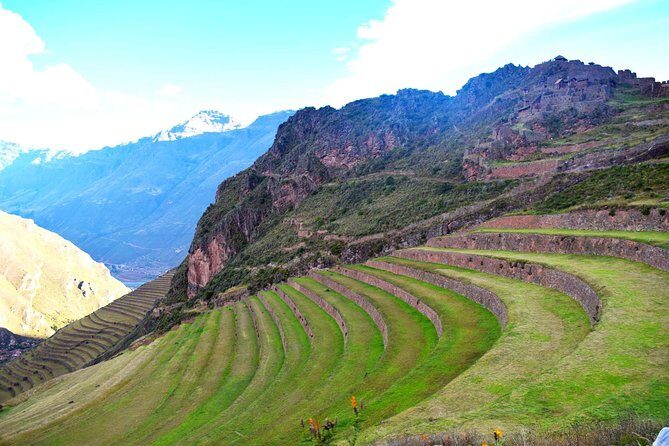
This is the kind of Sacred Valley tour that fits real travel schedules. You’re not taking a whole multi-day chunk out of Cusco. Instead, you get a concentrated circuit that hits three major Inca sites without making your day feel chaotic.
The pacing is also built for comfort. Pickup is offered, and the tour includes all transportation with a professional guide. For a group tour, that matters. It means you’re not juggling taxis, tickets, or directions—your only job is to show up, listen, and keep an eye on your footing.
Group size caps at 15 travelers, which is a quiet but important detail. Smaller groups usually move better at entrances and viewpoints. They also give your guide more room to explain things clearly. In the reviews, that focus on close attention shows up again and again, including named guides like Lisseth Yupanqui, and also mention of guides Percy/Persi and Eddy plus a driver named Percy/Persi.
One more practical point: each stop is roughly allotted about one hour, so you’ll have time to get the big picture without feeling like you’re sprinting nonstop.
You can also read our reviews of more tours and experiences in Cusco.

Ollantaytambo: stone streets, a rebellion story, and the feeling of a living town
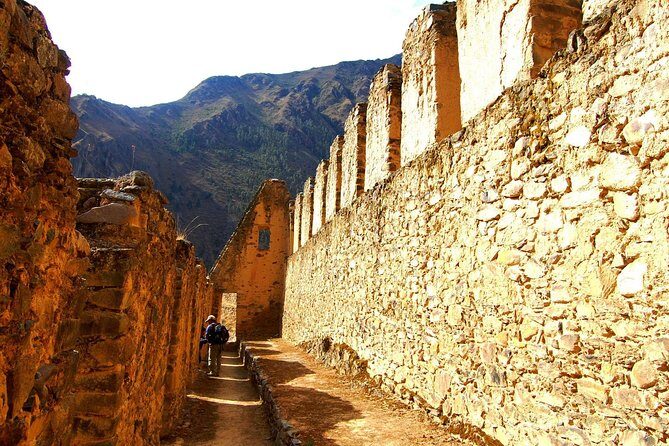
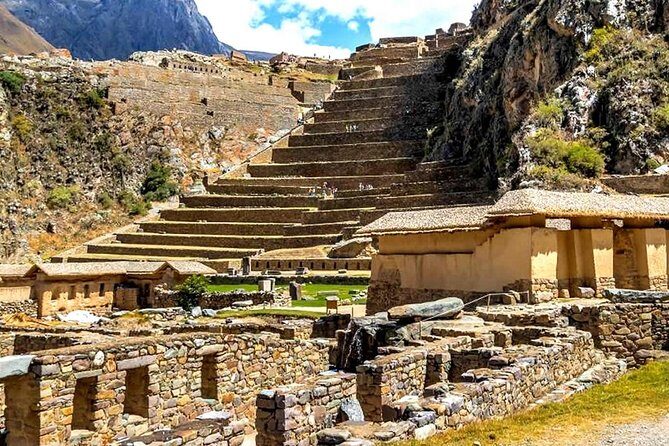
Ollantaytambo is the stop where you start to feel the Valley’s personality. The town is pronounced something like oy-yahn-tie-tahm-bo, but locally it’s often shortened to Ollanta. Either way, you’ll recognize it fast once you see the stone streets and the way the town rises up toward the surrounding mountains.
Here’s the story angle I think you’ll appreciate. Ollantaytambo is named for Ollantay, an Inca general who pushed Tawantinsuyo’s frontiers far north and far south during the reign of Inca Pachacutec. According to the tale tied to the site, Ollantay asked for the emperor’s daughter—Pachacutec refused. Ollantay rebelled, got imprisoned, and the romantic plot doesn’t end happily for him. It’s a dramatic thread, and your guide will usually place it so you can connect the plot to the stones you’re walking on.
But Ollantaytambo isn’t just a legend and ruins. The town is often called a Live Incan City, because local people maintain very ancient habits and customs. That’s a big deal for how the site feels. You’re not only looking at architecture; you’re seeing a place where tradition keeps moving forward.
What to watch for while you’re there:
- The stone streets and houses that give the town its “built to last” character
- The overall “climbing” feel of the settlement, with mountain scenery pressing in around you
- How the guide explains what the layout suggests about Inca planning
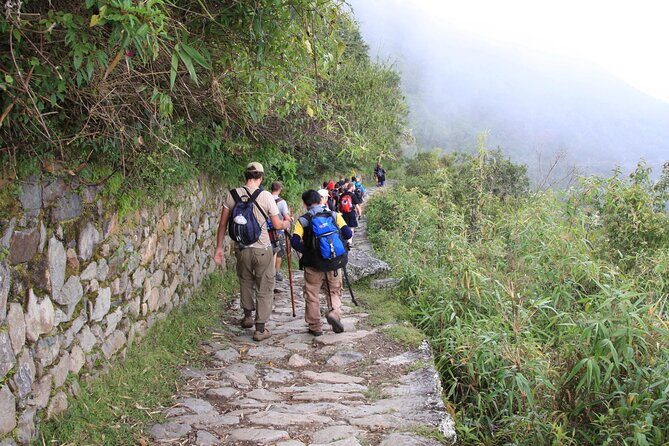
Possible drawback: you’ll do some walking on uneven ground. It’s not a fitness test, but you’ll want comfortable shoes and a calm pace so you can enjoy the views and not just survive the terrain.
Pisac: terraces, Intihuatana, and the Inca obsession with water
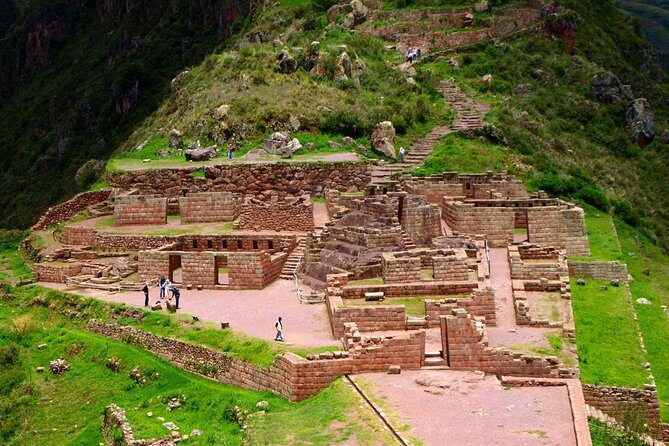
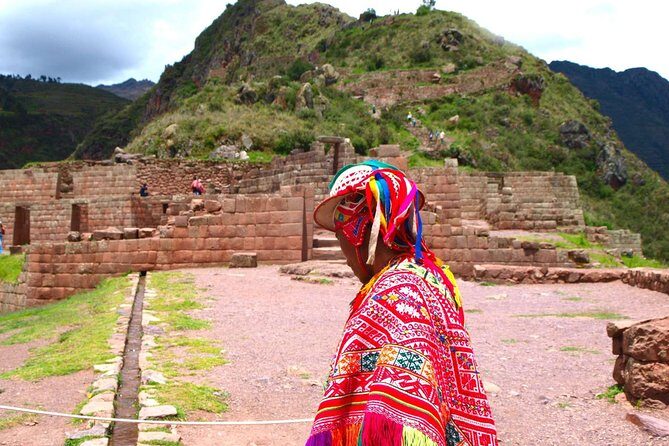
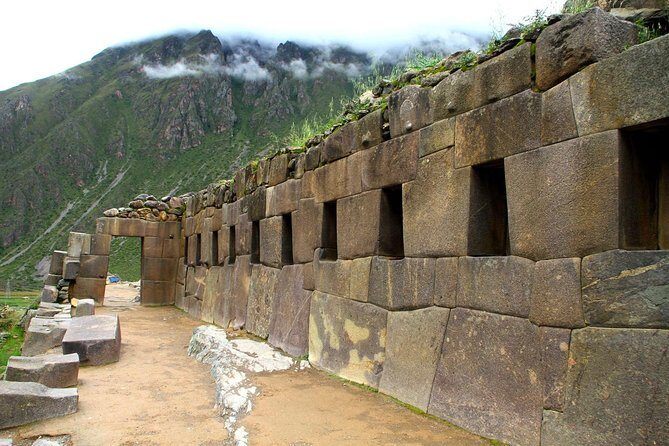
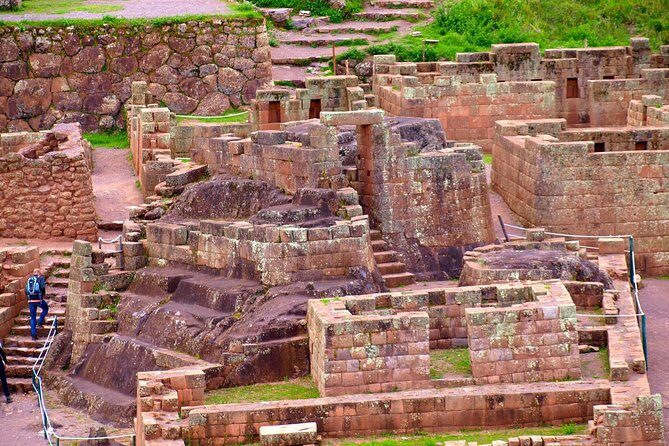
Pisac is where the Sacred Valley turns into engineering school—only in stone. You’ll see buildings, plazas, temples, pools, and other structures built between the 10th and 11th centuries AD. The site is famous for the Inca style: enormous walls and architectural forms made from stone blocks without cement or adhesive.
The highlight you’ll hear about is the Intihuatana solar observatory. Look closely at the stone carving: it’s shaped like many hands forming a semi-circle. Even if you’re not into astronomy, this detail tends to stick with people because it feels both precise and human.
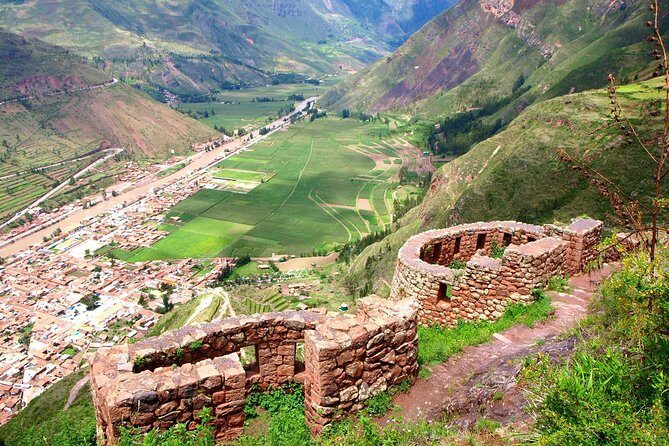
Then there are the terraces. They wrap around the mountain from about 3,000 to 3,450 masl (9,843 to 11,319 feet). That altitude range matters because it explains why the terraces are designed for different levels and why the view is so open—you’re looking at agriculture shaped by topography, not by convenience.
The Inca water management here is the other big takeaway. The terraces were supported by channels running along the length of the slopes. And yes, they even included decorative fountains as part of the system. It’s a reminder that practical engineering and aesthetics weren’t separate jobs for the Incas.
How long you get matters. You’ll have about one hour, so don’t try to see everything perfectly. Instead, choose one “anchor”:
- Spend a bit more time looking at Intihuatana
- Or focus on how terrace bands change as you move
Possible drawback: it’s easy to feel a little rushed if you try to photograph every terrace line. If you tend to over-plan with cameras, ask your guide to point out the most meaningful spots so you don’t miss what you came for.
Chinchero: where archaeology blends into everyday tradition
Chinchero gives you a different flavor of Inca presence. Instead of a big ceremonial complex that feels far from daily life, Chinchero sits in a town setting where traditions keep going.
This stop is known for exceptional stonemasonry. The main construction is linked to Tupac Inca Yupanqui, around 1480. What you’ll see is a set of architectural spaces: pre-Columbian walls, enclosures, platforms, staircases, and altars.
The part that makes Chinchero click for me is that the historic center is described as a mix of two worlds:
- An archaeological complex
- A town built on Inca foundations and walls, with residents who still maintain ancestral customs
So it doesn’t feel like a museum stop. It feels like a place that has learned how to keep its old bones while still living.
What to do with your one-hour window:
- Look for the sharp edges and construction transitions between walls, platforms, and staircases
- Pay attention to how the site’s structures fit the surrounding town rather than standing alone
Possible drawback: because it’s inside a town, the vibe can feel less “ceremonial” than Ollantaytambo or Pisac. If you’re craving only ruins-with-a-capital-R, Chinchero might feel calmer. But that’s also why it can be memorable.
Guide quality and small-group attention: where the trip gets better
The value of this tour isn’t just the list of stops. It’s how those stops get explained and paced.
The reviews highlight guides who stay close, answer doubts, and keep the stories clear—names that come up include Lisseth Yupanqui, and also mention of Percy/Persi and Eddy. One theme is the personal touch: guides who pay attention to the group and help with altitude-related comfort by giving advice on pacing.
That matters because this region involves elevation. Even though the tour’s itinerary doesn’t give you a detailed altitude plan, you’re still moving through places at different heights. A good guide helps you avoid the classic mistake: rushing, then paying for it later.
Also, it’s a group tour with a cap of 15. That combination usually gives your guide the ability to:
- answer questions without making you wait
- reframe confusing details in simpler terms
- keep you oriented so you’re not wandering off and missing the point
And if you’re the kind of person who likes a running commentary, you’ll probably enjoy this. Multiple reviews mention detailed storytelling and guides who explain each part with care.




Price and what you actually get for $19.49
At $19.49 per person, the price is low enough that you should think in terms of value per hour, not per site. For most visitors, the big costs in Peru come from transportation, guiding, and ticketing. Here, the essentials are covered:
- Professional tour guide
- All transportation
- Pickup from your hotel
That’s a lot for a single-day circuit. In other words, the price isn’t just “for looking at rocks.” You’re paying for the work of making three major places happen smoothly in one morning-to-afternoon window.
Now the fine print you’ll want to plan for:
- Food isn’t included. You’ll need to budget for your own meals or snacks.
- Entrance fees / tourist ticket are not included. At the same time, the stop list shows admission ticket free for these specific points. The safest way to think about it: some parts may be free, but you should still be ready for any tourist ticket or fees that apply on the day.
My practical take: pack a simple snack strategy. If you get hungry between stops, you’ll enjoy the ruins less, and you’ll feel more rushed.
Timing, pickup, and how to set yourself up for a smooth morning
This tour starts at 8:00 am. Pickup is offered, and the pickup window is usually between 7 and 8 am depending on where your hotel is. That means you’ll want a wake-up call early, and you’ll want to know where you’ll be standing at pickup time—lobby, front door, etc.
You’ll use a mobile ticket, which is convenient. It cuts down on paper and last-minute stress, as long as your phone has battery and you’re ready to show it quickly.
Also, the tour ends back at the meeting point: Cusco Cathedral. That’s useful because it avoids the “where do we end up now?” feeling.
One more practical note: the tour requires good weather. If it’s rainy, you might be offered a different date or a full refund. That’s not a minor detail here. Views and walking comfort depend on it.
Who this tour suits best (and who might want a different option)
This Sacred Valley group tour is a great match if:
- It’s your first time in Peru and you want a guided overview without planning each stop
- You like a small group and a guide who can explain clearly
- You want the main hits: Ollantaytambo, Pisac, and Chinchero in one day
It may be less ideal if:
- You want lots of free time to roam slowly and linger for hours in one place
- You prefer a fully independent schedule and don’t want pickup windows
- You’re traveling in weather conditions that are likely to be poor, since the tour is weather-dependent
It’s also worth saying: this isn’t a private, custom itinerary. It’s a smart, efficient route. If you want efficiency plus solid guidance, you’ll be happy.
Should you book this Sacred Valley group service?
If you’re trying to make the most of a short Cusco stay, I think this is an easy yes. The mix of stops hits both sides of what many people want from the Sacred Valley: impressive Inca architecture and stories, plus a living town feel at Chinchero.
The strongest reasons to book are:
- You’re getting transport + guide + pickup for a very reasonable daily cost
- You’ll have a focused, not overwhelming day length
- The small group size usually means the guide’s attention stays personal, and that can make the ruins feel understandable instead of confusing
I’d skip it only if your weather window is shaky or if you’re someone who needs long solo time at ruins. Otherwise, this is a well-shaped first Sacred Valley day.
FAQ
What time does the tour start?
The tour starts at 8:00 am.
Where is the meeting point?
The meeting point is at Cusco Cathedral, Cusco 08002, Peru.
Is hotel pickup included?
Yes. Pickup is offered from your hotel lobby or front door between 7 and 8 am, depending on your location.
How long is the tour?
The duration is about 7 to 8 hours.
Which stops are included?
You’ll visit Ollantaytambo, Pisac, and Chinchero.
What group size is this tour?
This tour has a maximum of 15 travelers.
Is food included?
No. Feeding is not included.
Are entrance fees included?
Entrance fees and a tourist ticket are not included. The stop details show admission ticket free, but you should still expect that a tourist ticket or fees could apply.
What happens if the weather is poor?
This tour requires good weather. If it’s canceled due to poor weather, you’ll be offered a different date or a full refund.
What is the cancellation policy?
You can cancel for a full refund if you cancel at least 24 hours in advance. If you cancel less than 24 hours before the start time, you won’t get a refund. Cut-off times are based on local time.