REVIEW · CUSCO
4-Day Lares Trek to Machu Picchu from Cusco
Book on Viator →Operated by Bamba Travel · Bookable on Viator
A first bus at 5:30 am? Yes, and it pays off. This 4-day Lares Trek to Machu Picchu trades long vehicle days for real Andean trails, with a local bilingual guide and top-notch camp food. I especially love the small-group feel and the way the trek gives you more than a scenic walk—it gives you context through the communities you pass and camp with. One thing to plan for: the altitude is no joke, with sections that reach about 4,400m, so you’ll want solid fitness and smart pacing.
Why I think this trek works so well is simple: you get the best of both worlds. You’ll hike through the quieter highlands of Lares, then transition to Machu Picchu with an early arrival and a guided walk so you don’t just wander around wondering what you’re looking at. The biggest “watch-out” is logistics during transfer days—you won’t have a guide on the train/bus segments, so you’ll want to follow instructions closely and keep your schedule tight.
In This Review
- Key things to know before you go
- Pricing and value: what $847 buys you (and what it doesn’t)
- Day-by-day: Lares highlands to an early misty Machu Picchu morning
- Day 1: Cusco pickup, Lares Town, and the climb toward Wakawasi (2,900m to 3,850m)
- Day 2: Ipsayccocha Pass (4,400m) and sleeping among llamas and alpacas
- Day 3: Trek to Ollantaytambo, train to Aguas Calientes, and a reset night
- Day 4: 5:30 am bus to Machu Picchu, a guided walk, then your own time
- The guide and group size: why small feels easier at altitude
- Camp comfort: tents, mattresses, and the “you’ll remember this” weather
- Food at altitude: the chef piece that people actually remember
- Machu Picchu: guided walk first, then your own time to wander
- Who this trek suits best (and who should consider another option)
- Quick “smart packing” tips that actually help
- Should you book this Lares Trek to Machu Picchu?
- FAQ
- How difficult is the Lares portion of the trek?
- What’s the highest altitude on this trip?
- Is there a vegetarian meal option?
- Where do we sleep during the trek and where do we sleep before Machu Picchu?
- Is Machu Picchu guided?
- Are Huayna Picchu or other mountain hikes included?
Key things to know before you go
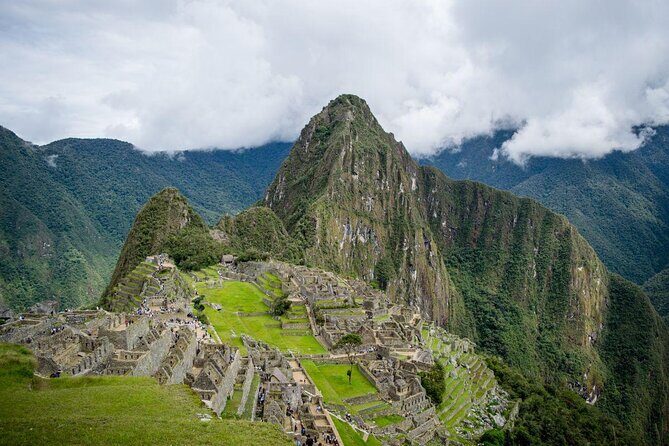
- Small group size (max 15, avg around 4) keeps the pace personal and the experience calmer.
- Percy’s kind, experienced guidance (one of the trek guides) comes through in how smooth and friendly the day-to-day feels.
- Food is a real highlight, including a vegetarian option for every meal, cooked fresh at altitude.
- Camping plus a 3-star hotel night in Aguas Calientes gives you a mix of adventure and a bit of comfort.
- Early Machu Picchu bus helps you see the site when the mist starts to clear.
- Optional Huayna Picchu takes advance planning and has limited daily passes.
Pricing and value: what $847 buys you (and what it doesn’t)
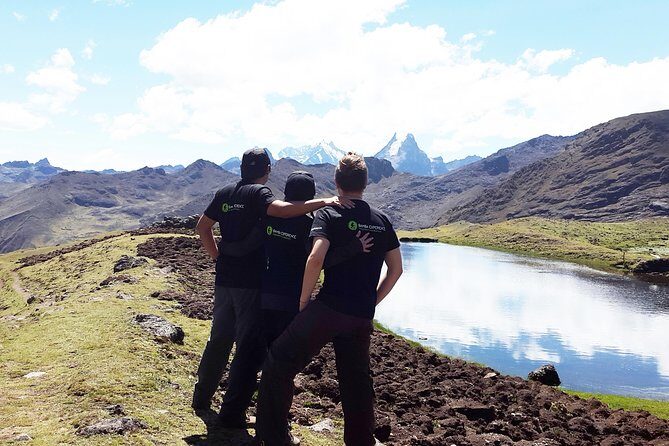
At $847 per person, this trek isn’t cheap. You are paying for four things that usually cost extra when booked separately: door-to-start logistics from Cusco, a guided multi-day hike with camp support, the train to Aguas Calientes, and the guided visit at Machu Picchu.
What you get for that price is also pretty practical. You’re not just hiking with a guide and carrying everything yourself. The package includes camping accommodation (tents plus basic sleeping mattress), meals with snacks, a cook running the food operation, and even first aid kit and emergency oxygen. Plus, small-group limits mean you’re more likely to get help when you need it—on muddy sections, steep climbs, or just figuring out what to do next.
What’s not included matters for budgeting:
- Your sleeping bag (rental is listed as $15 USD)
- Hot springs in Lares Town (10 soles)
- Bottled water (you’ll buy it on your own)
- Tips (optional, but customary)
- Optional hikes like Huayna Picchu or other Machu Picchu Mountain options
If you hate “add-ons,” this is worth noting up front. If you’re okay planning ahead (and a bit of cash on hand), the value can feel solid because most of the big moving parts are already handled.
You can also read our reviews of more hiking tours in Cusco



Day-by-day: Lares highlands to an early misty Machu Picchu morning
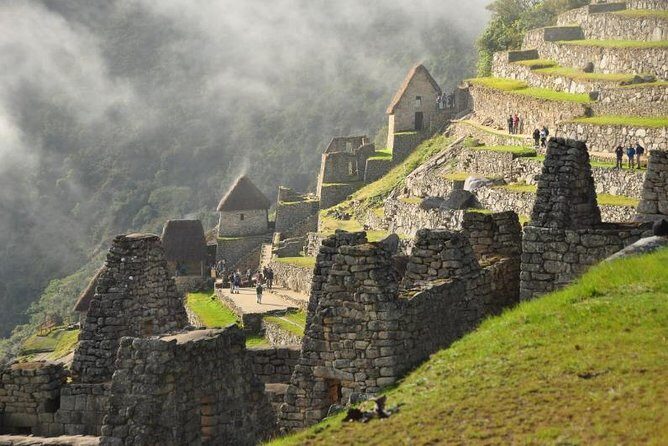
This itinerary is built like a staircase: each day climbs, then hands you a new view. You’ll start at a lower altitude in Cusco’s orbit, then spend time near the 4,000m+ zone, which is why the pace and clothing choices matter.
Day 1: Cusco pickup, Lares Town, and the climb toward Wakawasi (2,900m to 3,850m)
You’ll be picked up from your Cusco accommodation around 6:00 am, then transfer by bus to Lares Town (about 2,900m). If you want a warm-up soak, there’s time to enjoy the Lares hot springs (extra cost). It’s a nice reset before the trek starts—cold air plus uphill walking is a combo you’ll understand fast.
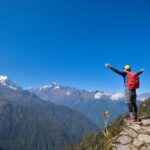
Then comes the main leg: a zigzagging climb for roughly 6 hours toward the community of Wakawasi (around 3,850m). Along the way, you get sweeping views of the mountains and the everyday rhythms of local life. The camp in Wakawasi is set up so you can meet families living close to the land, which makes the hike feel less like a theme park and more like a lived place.
What I like about this first day is that you’re not thrown into the toughest altitude immediately, but you still feel like you’re earning the next step. It’s a good “get your legs working” day.
Day 2: Ipsayccocha Pass (4,400m) and sleeping among llamas and alpacas
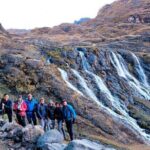
Day two is the “send it” day, altitude-wise. You start with an uphill trek for about 4 hours, crossing Ipsayccocha Pass at roughly 4,400m. Then you walk downhill about 40 minutes to your lunch by a lake.
After lunch, you continue around 3 more hours to Patacancha town (about 3,800m). The camp here is surrounded by llamas and alpacas and sits near native crop plantations. This is the kind of place where the scenery isn’t just mountains—it’s the whole working landscape.
One drawback to plan for: you’ll feel that higher pass in your breathing and energy. Even if you’re fit, the altitude can make your body feel less cooperative than usual. The best strategy is to keep your pace steady and your focus simple: breathe, step, repeat.
Day 3: Trek to Ollantaytambo, train to Aguas Calientes, and a reset night
On day three, you shift from mountain footpaths to Andean logistics. From Patacancha (around 3,800m), you walk about 4 hours toward Ollantaytambo, then stop for lunch. After that, you take the train to Aguas Calientes, where you stay overnight in a 3-star hotel.
This day matters because it changes your mode. You’ll still have walking days, but your body gets a proper break from carrying the mental load of steep trails. Once you arrive in Aguas Calientes, your guide provides instructions for Machu Picchu the next morning.
You’ll also have time to breathe in town. There are places to relax, plus internet cafes and shops. The town is built around the Machu Picchu flow, so it’s busy compared with the trek, but it’s also practical—like a gear hub for your final day.
You can also read our reviews of more tours and experiences in Cusco

Day 4: 5:30 am bus to Machu Picchu, a guided walk, then your own time
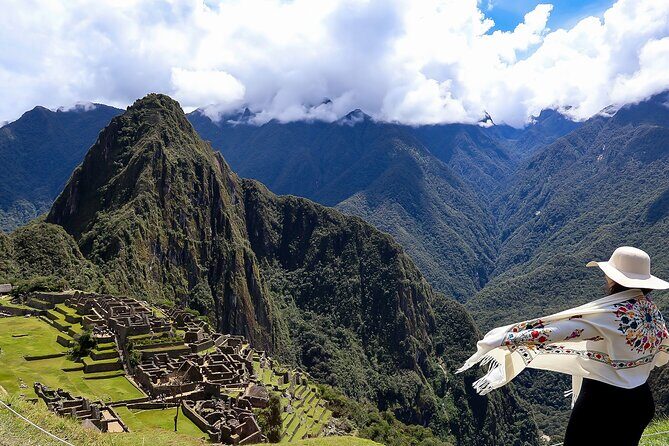
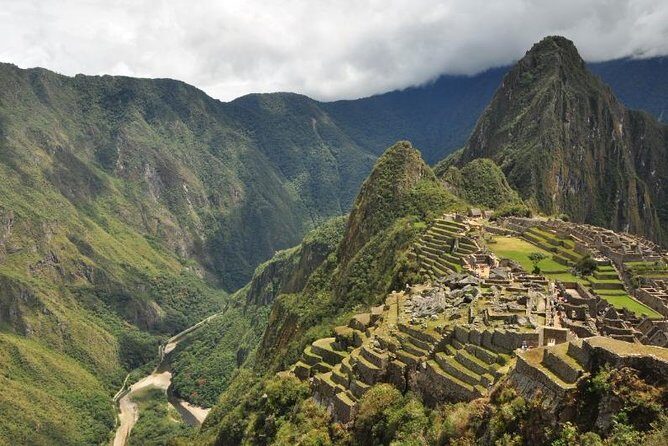
You’ll catch one of the first buses to Machu Picchu, departing around 05:30 am and riding for about 25 minutes. The timing is key. You’ll arrive while the site is still in early-morning light and the mist is starting to dissipate, which can completely change the feel of the ruins.
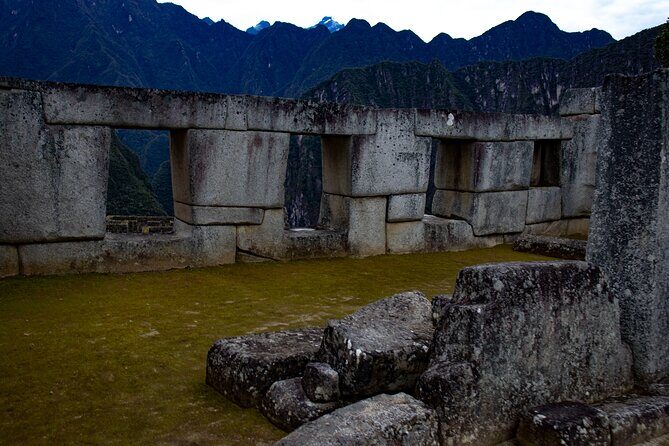
You get a guided walking tour of about 2 hours, paced so you learn what you’re looking at—major structures, important spaces, and the overall story of the sanctuary. After that, you have time to explore on your own. You can take photos at your own speed and slow down for the views you care about most.
If you still want more effort, there’s an optional climb up Huayna Picchu Peak (not included). The entry system is limited: 400 passes total, split into 200 at 7:00 am and 200 at 10:00 am. If you want this, you must purchase/request the pass at least 2 weeks in advance.
After exploring, you head back down to Aguas Calientes, then return by train to Ollantaytambo and bus back to Cusco. You’re dropped off around about 8:00 pm at Plaza San Francisco, and you’ll make your own way to your accommodation.
The guide and group size: why small feels easier at altitude
This is a trek where a small group size isn’t just a “nice-to-have.” Max 15, average around 4, means the day-to-day feels more adjustable. If someone’s struggling with altitude, the pace can shift without the whole group getting steamrolled.
A strong guide also makes a difference in how you interpret the experience. One example from past departures: Percy was described as experienced, funny, helpful, and considerate, with very good English. That kind of person isn’t just pointing out scenery. They keep the hike moving, help you manage energy, and make the experience feel safe even when you’re walking at high altitude.
Also remember: you have a guide during the trek and the Machu Picchu tour, but not during bus and train transfers. So you’ll want to listen carefully at the briefing points and keep track of your departure times and meeting spots.
Camp comfort: tents, mattresses, and the “you’ll remember this” weather
On days 1 and 2, you sleep in camping accommodation with a tent plus a basic sleeping mattress. For couples, there’s a private tent setup. Single travelers share a tent with another traveler for those nights. That’s a common trade in trekking tours: you’re buying adventure and logistics, not hotel-level privacy.
Day 3 brings the shift to a 3-star hotel in Aguas Calientes, including breakfast the next morning. For most people, this hotel night is emotional. It’s where your body finally feels like it can fully relax, not just rest between steps.
What you should take seriously is cold. At 3,800m to 4,400m, nights can feel sharp even when daytime looks bright. That’s why the suggested packing list is not optional advice—it’s a survival checklist in nicer language:
- Warm layers, thermals, warm socks
- Hat and gloves
- Rain poncho or rain pants
- Trekking boots (with grip)
- A flashlight/torch
- A water bottle and extra cash for snacks/water
If you rent a sleeping bag, do it early and make sure it fits you. A sleeping bag that’s too small can feel like sleeping in a paper bag—dramatic, but you’ll get the idea quickly.
Food at altitude: the chef piece that people actually remember
Food is one of the most praised parts of this trek. You’ll get 3 breakfasts, 3 lunches, 3 dinners, plus 3 snacks throughout the days. The operation is built around a cook preparing meals and snacks freshly for the group, which matters when you’re eating at altitude.
Vegetarian options are available, and the key point is that it’s not just a last-minute swap. You’re told to advise in advance, and the menus are built with vegetarian in mind.
Here’s the flavor range you can expect from the described menu ideas:
- Breakfasts like hot porridge, quinoa or oats, egg options, pancakes, plus tea/coffee/coca
- Lunch and dinner with soups, quinoa and corn dishes, and second courses that often include chicken or beef stews, plus veggie alternatives like stuffed potatoes or vegetable-focused meals
- Snacks and desserts like fried plantains, chocolate pudding, and cake, plus tea and hot drinks
My practical take: this kind of food support is a huge morale boost on a high, demanding hike. If you’ve ever been hangry at altitude, you’ll understand why. You’re expending energy all day, so having consistent meals and warm drinks makes pacing easier.
Machu Picchu: guided walk first, then your own time to wander
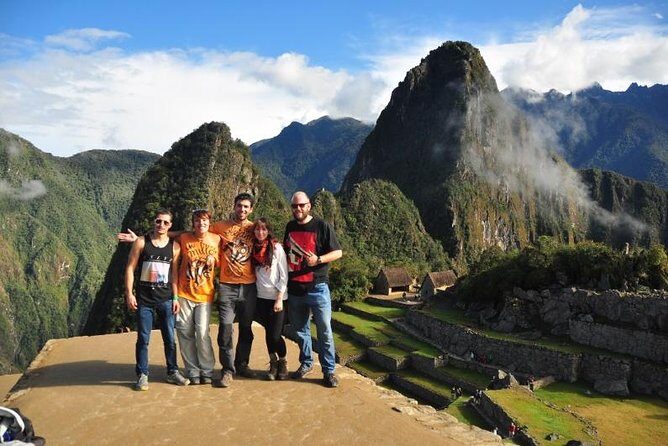
Machu Picchu can go two ways. You either understand what you’re seeing, or you spend the day collecting photos without a clue what matters. This tour leans toward the first option by building in a 2-hour guided site visit.
That guide time helps you interpret the layout: how spaces connect, why certain areas exist, and what the most important structures are. Then you get freedom to roam with the knowledge you’ve just gained. That combo is ideal if you want both context and personal photo time.
The early bus timing is also a smart move. The site’s atmosphere can shift quickly with light and mist, and arriving early helps you catch the ruins before crowds fully peak.
If you’re an adventurous photographer (or a peak-chaser), Huayna Picchu is the optional add-on. But plan like an adult: there are limited daily passes, and you need to request/book in advance for a spot.
Who this trek suits best (and who should consider another option)
This trek is for people who want a mix of hiking and a real Machu Picchu experience, not just a day trip.
You’ll probably love it if:
- You have moderate physical fitness and can handle sustained walking
- You’re comfortable spending time at high altitude
- You enjoy small groups and guided context
- You care about food and logistics being handled well so you can focus on the trail
You may want to think twice if:
- You’re looking for a low-effort itinerary
- Altitude is a concern for you and you’re unsure how you’ll respond near 4,400m
- You dislike waking early (day 4 is built around that early bus)
Minimum age listed is 7 years, and the tour asks for good physical conditions, so it’s not marketed as a gentle stroll.
Quick “smart packing” tips that actually help
You don’t need to overpack, but you do need the right gear. Based on the packing list included:
- Bring or rent hiking poles if you like extra support on steep sections.
- Rain gear matters. Mountain weather changes fast, and cold wet feet can ruin a day.
- Plan for limited electricity during the trek. Charge devices early and consider extra batteries.
- Bring a small personal first aid kit if you have any essentials.
- Keep extra cash for snacks and water—prices can be higher on the trail.
Also: sunscreen and sunglasses help. High altitude sun is real, even when it feels cool.
Should you book this Lares Trek to Machu Picchu?
If your goal is Machu Picchu with real buildup—mountain trails, community contact, and a guided interpretation on-site—this is a strong choice. The best reasons to book are the small-group size, the fact that the trek includes camp support plus fresh, well-regarded food, and the guide-led structure that makes Machu Picchu more than just a view.
I’d book it if you’re willing to train lightly, dress for cold and rain, and respect altitude pacing. If you want a super-relaxing trip with minimal effort, you might regret the pass day. But if you want a meaningful route to Machu Picchu, this one delivers.
FAQ
How difficult is the Lares portion of the trek?
It’s described as difficult and you’ll need good physical condition. Much of the hiking is at high altitudes around 4,000 meters, with a pass near 4,400m, so pacing matters.
What’s the highest altitude on this trip?
The trek reaches approximately 4,400 meters at Ipsayccocha Pass.
Is there a vegetarian meal option?
Yes. Vegetarian options are available with prior notice, and the tour notes that every meal includes a vegetarian option when requested in advance.
Where do we sleep during the trek and where do we sleep before Machu Picchu?
Days 1 and 2 include camping accommodation with tent setup and basic mattress. Day 3 includes a 1-night stay at a 3-star hotel in Aguas Calientes.
Is Machu Picchu guided?
Yes. You get a guided walking tour of about 2 hours, and then you have time to explore on your own.
Are Huayna Picchu or other mountain hikes included?
No. Huayna Picchu is optional and costs extra, with limited passes that must be booked/requested at least 2 weeks in advance. The Machu Picchu Mountain hike option is also optional and must be booked at least 1 week in advance.