REVIEW · CUSCO
From Cusco: Sacred valley and Moray salt Mines
Book on Viator →Operated by Inka Altitude · Bookable on Viator
A dawn drive turns the Sacred Valley efficient. You’ll spend a long day hitting classic Inca sights plus one very human stop: Chinchero weaving with a local family, and then a proper buffet lunch in Urubamba to keep you going without stress. Starting early also means more comfortable timing for ruins and viewpoints before the day gets busy.
I like that the route packs in several big-name places without feeling like you’re just being rushed past them. You get guided time at the archaeological sites and enough context to understand what you’re looking at, not just where to stand for photos.
One thing to watch: the experience depends on early pickup, and the pick-up timing can occasionally be messy. If you’re picky about arriving on time, confirm your pickup more than once before the morning starts.
In This Review
- Key highlights at a glance
- A 6:00 am start that makes the Sacred Valley feel like yours
- Price and what you actually get for $30
- Chinchero weaving stop: the most human start of the day
- Moray terraces: a short viewpoint that rewards your attention
- Maras salt mines: the paid stop you should plan for
- Urubamba buffet lunch: included fuel that keeps the day moving
- Ollantaytambo: archaeology with a walk that feels manageable
- Pisac archaeological site and the shop stop on the way back
- Logistics that really matter: timing, pace, and group size
- Who this tour suits best (and who should look elsewhere)
- Should you book the Sacred Valley and Moray tour from Cusco?
- FAQ
- What time does this tour start?
- How long is the tour?
- What is included in the price?
- What extra costs should I plan for?
- Is the tour physically demanding?
- How big is the group?
- What happens if weather is bad?
- Can I cancel for free?
Key highlights at a glance
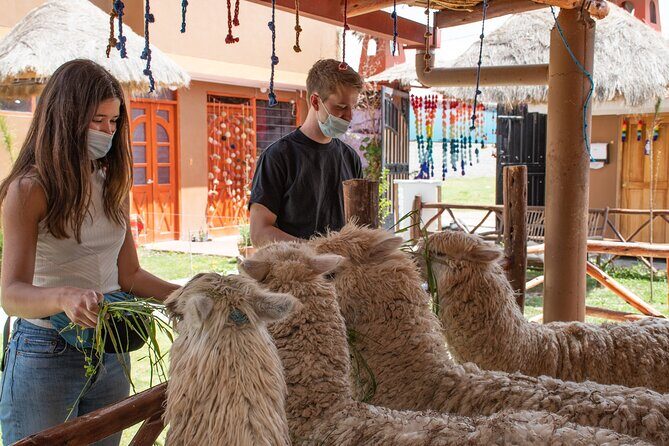
- Chinchero weaving with a local family: a hands-on look at ancient textile methods
- Moray terraces viewpoint: quick stop, big payoff in scale and weird Inca engineering
- Maras salt mines extra time and fee: plan for the paid site visit
- Urubamba buffet lunch: included meal that saves money and time
- Ollantaytambo ruins plus short walk: manageable touring at a key Inca location
- Pisac archaeological site with guidance: you’ll know what to look for during the visit
A 6:00 am start that makes the Sacred Valley feel like yours
This is the kind of tour that starts early on purpose. You’ll meet at 6:00 am and spend about 11 to 12 hours on the move. The payoff is simple: you get to see the Sacred Valley before the day warms up and before energy levels start to fall.
The group is capped at 19 travelers, which matters more than you’d think. Smaller groups usually mean faster answers from your guide, less time playing follow-the-leader, and quicker regrouping at each stop. Your day ends around 7:00 pm, when you’re dropped back near the main plaza in Cusco—nice if you want the evening to yourself.
You can also read our reviews of more tours and experiences in Cusco.



Price and what you actually get for $30
At $30 per person, this tour is good value for a full-day circuit from Cusco. Included items are the big money savers: hotel pickup, transportation, a professional guide, and buffet lunch.
Where you need to do a little math is what’s not included:
- Maras salt mines entrance: 20 soles
- Cusco Tourist Ticket: 70 soles
Those add-ons can be significant, so budget for them up front. Still, even with the extras, you’re paying for a guided, organized day that would cost you much more (or take a lot more effort) if you DIY’d the same set of stops.
Chinchero weaving stop: the most human start of the day
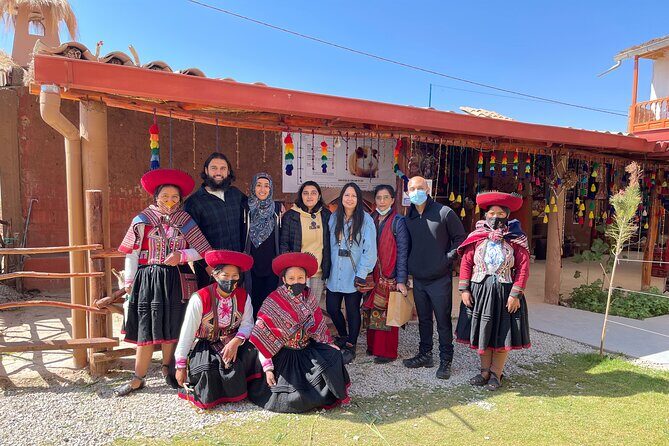
Chinchero is your first real taste of the region’s cultural life. You’ll drive about an hour from Cusco, then start with a visit to a local family to learn about ancient weaving processes. You’re given around 30 minutes here, and even at that pace it’s the kind of stop that changes how you look at everything later.
Why it works:
- Textiles in the Andes aren’t just crafts. They’re tied to community knowledge and tradition.
- A family-run weaving visit gives you context you won’t get from a quick roadside photo stop.
What to keep in mind: this isn’t a long museum visit. It’s a short introduction, so come with open eyes. If you want extra time for questions, you’ll get more out of the guide’s explanations when you ask simple, direct things like how patterns are learned or what materials are used.
Moray terraces: a short viewpoint that rewards your attention

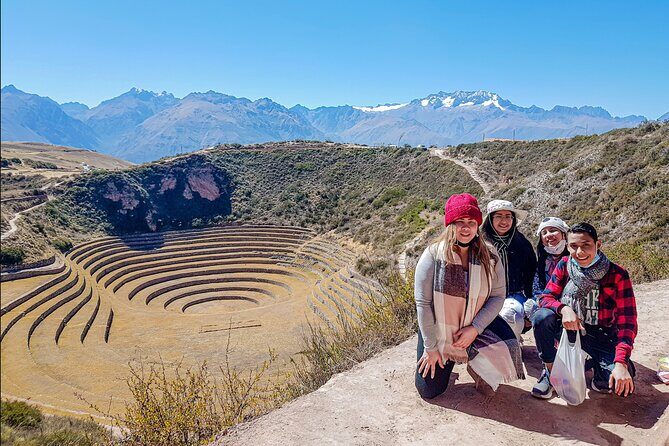
After Chinchero, you’ll drive around 30 minutes to Moray. This is one of those places where the timing feels almost too short—about 30 minutes total for the viewpoint.
But Moray is unusual. Those famous terraces look almost like a design experiment: layered basins set into the landscape with an Inca logic behind it. Even without long wandering, you’ll get the basic idea if your guide explains why the site was built and how people used it.
Tips that make this stop better:
- Wear shoes with solid grip. The ground can be uneven.
- Bring water. Even for a short stop, altitude plus morning sun adds up.
If you’re the type who wants to linger, Moray may feel like a quick hit. If you prefer a focused overview and then move on, it’s a good match for this itinerary.
Maras salt mines: the paid stop you should plan for
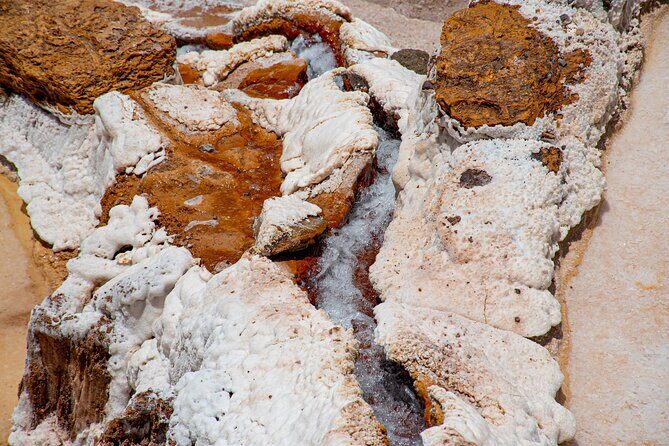
From Moray, you’ll head to Maras, another drive of about 30 minutes. Here you’re told about the history and enjoy the scenery, and the important detail is that the salt mines visit costs 20 soles (not included).
This is your “pay for the main event” moment. The term salt mines can sound like a single thing, but on the ground it’s really about witnessing a working landscape: many small salt pools, built and maintained over time. Your guide’s context matters, especially when you’re trying to understand how the Inca-era world connects to this site’s ongoing use.
My practical advice:
- Bring some cash for the entrance.
- If you’re sensitive to crowds, go in with patience. This is a popular stop for good reason.
Also note: your tour time here is not described as a huge block of walking. Still, you’ll want moderate mobility. The tour lists moderate physical fitness as the expectation.





Urubamba buffet lunch: included fuel that keeps the day moving
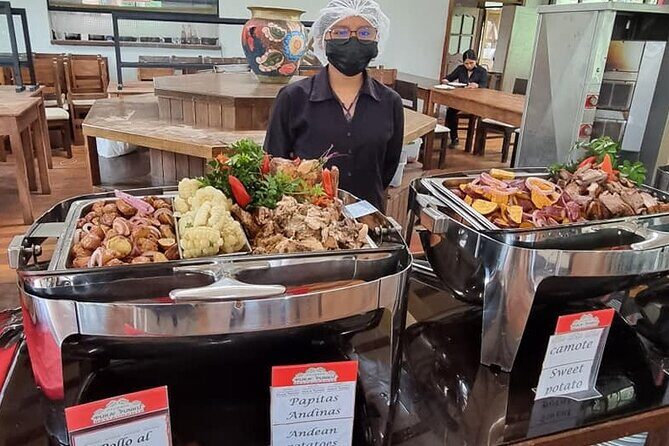
Next up is Urubamba. After about 45 minutes from Maras, you’ll get a buffet lunch with local flavors for around 30 minutes.
This is one of the best values in the day, because it’s included and it’s timed. You’re not hunting for food between drives, and you’re not paying for lunch on your own schedule. In the Sacred Valley, that time buffer can make a noticeable difference.
What I recommend:
- Eat a real meal, not just snacks. You’ll likely still be touring in the afternoon.
- Keep it lighter if you’re prone to feeling sluggish at altitude. Too heavy too fast can backfire.
Ollantaytambo: archaeology with a walk that feels manageable
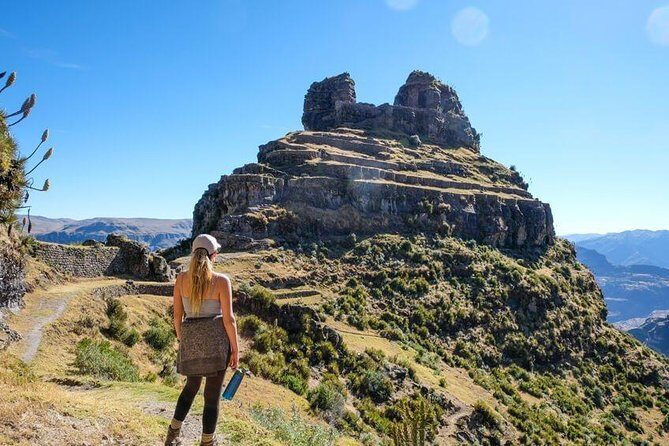
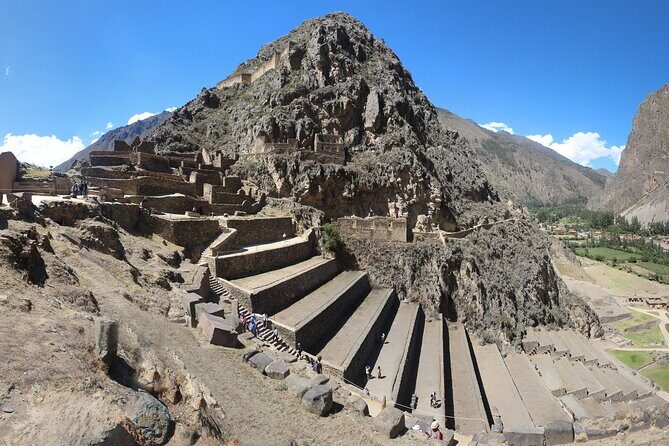
After lunch, the tour heads to Ollantaytambo. Drive time is roughly 30 minutes, and you’ll spend about 1 hour at the archaeological site.
There’s sometimes up to 30 minutes of walking through the most important areas. That’s a key detail. This isn’t a fully flat stroll, but it’s also not the kind of intense trek that makes your legs useless for the rest of the day. If you’re in decent shape and you take your time on the uneven ground, you’ll be fine.
Why Ollantaytambo matters in the Sacred Valley circuit:
- It’s one of the best places to understand how the Inca shaped towns and built at strategic locations.
- Having a guide here helps you connect architectural features to the bigger story.
Also, this is a great moment to slow down and watch. The views and stonework can look random until the guide explains the logic.
Pisac archaeological site and the shop stop on the way back
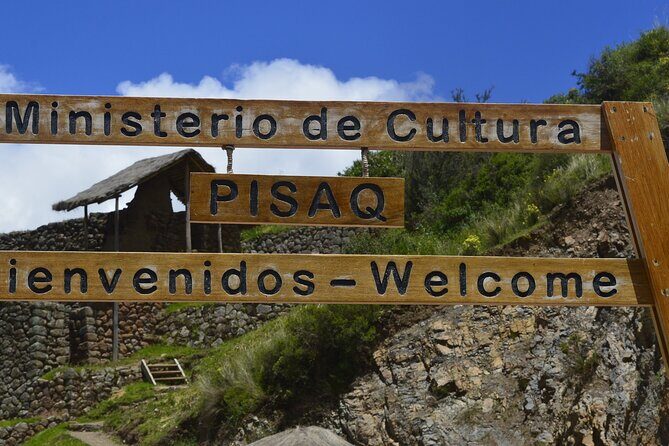
Pisac comes after another drive, about 1 hour from Ollantaytambo. You’ll visit the archaeological site with a guided tour, then after the group completes the visit, you’ll stop at one of the shops along the way.
That shop stop can be a mixed bag on tours, but here it’s fairly clearly part of the schedule. If you like shopping for textiles or small crafts, it’s your chance. If you don’t, treat it as a break and use it for water or a quick snack rather than a shopping mission.
After Pisac, you return to Cusco by bus for about 1 hour, arriving around 7:00 pm and being dropped off near the main plaza.
Logistics that really matter: timing, pace, and group size
This tour is tightly scheduled, and that’s not a complaint—it’s the reason the price stays reasonable. You’re moving between several sites, and each stop has a defined window.
Here’s what that means for you:
- If you’re the type who needs time to wander, you may feel slightly rushed at Moray and Maras.
- If you like a structured day with a guide’s explanation, you’ll feel cared for.
One more real-world note: pickup. The tour starts early, and pickup delays can happen. So I strongly suggest you confirm your pickup more than once the night before and again in the morning. If something feels off, communicate right away.
The good side: when the plan runs smoothly, the day feels like a well-organized loop that covers the Sacred Valley’s highlights without draining you.
Who this tour suits best (and who should look elsewhere)
This works best for:
- First-timers in the Cusco and Sacred Valley area who want a guided sampler platter
- Travelers who value explanations at the major ruins
- People who want an included meal and don’t want to solve logistics themselves
It may not be ideal for:
- Anyone who hates early mornings
- Travelers who want long, slow stays at each site
- People who prefer to explore mostly on their own pace
If you want flexibility and deep downtime, you might consider separate, shorter tours. But if your goal is to see the essentials in one day, this hits the mark.
Should you book the Sacred Valley and Moray tour from Cusco?
I’d book it if you want a guided, full-day overview of the Sacred Valley that doesn’t require planning each leg. The big strengths are the early start, the included lunch, and the fact that you’re not just parked at viewpoints—you get guidance at the cultural and archaeological stops.
Before you go, do two things:
1) Budget for the extras: Maras salt mines (20 soles) and the Cusco Tourist Ticket (70 soles).
2) Be proactive about pickup timing. Confirm your pickup twice, not once.
If you match that style—structured, early, and explanation-led—this is excellent value for a big sweep of highlights.
FAQ
What time does this tour start?
It starts at 6:00 am.
How long is the tour?
The tour runs about 11 to 12 hours.
What is included in the price?
You get hotel pickup, transportation, a professional guide, and a buffet lunch.
What extra costs should I plan for?
You’ll likely need to pay for Maras salt mines (20 soles) and the Cusco Tourist Ticket (70 soles), since these are not included.
Is the tour physically demanding?
It’s listed for travelers with moderate physical fitness. There is some walking at stops like Ollantaytambo.
How big is the group?
The tour has a maximum group size of 19 travelers.
What happens if weather is bad?
The experience requires good weather. If it’s canceled due to poor weather, you’ll be offered a different date or a full refund.
Can I cancel for free?
Yes. You can cancel up to 24 hours in advance for a full refund.