REVIEW · CUSCO
Machu Picchu full day Tour by train Expedition
Book on Viator →Operated by VTM Peru · Bookable on Viator
Machu Picchu looks like a mirage until you’re there. This full-day train expedition is built around smooth connections—Cusco to Aguas Calientes, a bus hop up to the citadel, a guided walk, then an organized return. I especially like the small group size (up to 8) and the fact that the citadel admission and guide are included, so you spend the day focused on seeing, not sorting logistics.
The main drawback is that it’s a long day, and Machu Picchu is weather dependent. If conditions are rough, your plans can shift, so bring patience (and plan for a packed schedule).
In This Review
- Key Points Worth Knowing Before You Go
- A 12-Hour Train Expedition That Really Gets You There
- Pickup in Cusco: Convenient Start Points (Center and Wanchaq)
- Cusco to Aguas Calientes by Train: Why This Leg Matters
- The 25-Minute Bus Ride Up: Getting Your Bearings Fast
- Entering Santuario Historico de Machu Picchu: What You Actually See
- Guided Time with a Pro: Juan Carlos and the Art of “Seeing Right”
- Photo Time at the Citadel: How to Use the Included Free Window
- Returning to Cusco: Train to Ollantaytambo, Then Private Bus
- Price and Value: What You’re Really Paying For
- Who Should Book This Tour (and Who Might Not)
- Weather and Timing: The One Variable You Can’t Control
- Should You Book This Machu Picchu Full Day Tour by Train Expedition?
- FAQ
- How long does the Machu Picchu full day tour take?
- Where do pickup happen in Cusco?
- Is Machu Picchu admission included?
- How many people are in the group?
- What language is the tour guide?
- What if the tour is canceled due to poor weather?
Key Points Worth Knowing Before You Go
- Up to 8 people keeps the experience feeling personal rather than rushed.
- Train + bus + guided time means less juggling tickets and meeting points.
- About 2 hours inside Machu Picchu with a guide to help you read the place.
- Free photo time after the guided portion so you can slow down and frame your shots.
- A return via Ollantaytambo helps you get back to Cusco without backtracking.
A 12-Hour Train Expedition That Really Gets You There
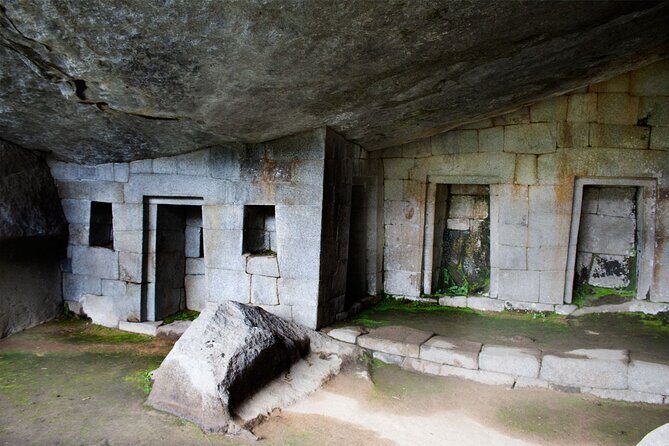
If you’re deciding how to reach Machu Picchu without turning the day into a stressed mess, this format does the work for you. The plan runs roughly 12 hours, starting in Cusco and ending back at your accommodation. You’re not just “getting transport”—you’re getting a full flow: pickup, train, short bus ride, guided walk, then a structured return.
What makes it feel efficient is the order. You go from Cusco to Aguas Calientes first, you get the short rise up to the citadel by bus, and then your time at the top is guided and timed. That matters because Machu Picchu is tight on space and attention. A guided 2-hour walk helps you understand what you’re looking at, and the included admission ticket avoids the last-minute scramble.
Two things I like a lot for practical travelers: the English guide and the professional support throughout transfers. When you’re working with mountain timing, having someone who knows how to keep the group moving is worth it.
You can also read our reviews of more tours and experiences in Cusco


Pickup in Cusco: Convenient Start Points (Center and Wanchaq)
The day begins with pickup from lodgings around the center of Cusco and the district of Wanchaq. That’s a big plus. Instead of hunting for a public meeting point or trying to coordinate taxis while you’re still waking up, you get collected where you’re staying.
This matters for value because the first hour of the day can be the difference between feeling calm and feeling behind. A tour like this is designed to run on schedule, so being picked up close to the start area helps you avoid delays that can snowball.
It also helps that pickup is described as near public transportation. Even if your hotel is small or a bit off the main road, it usually won’t feel like you’re going to a remote pickup spot.
Cusco to Aguas Calientes by Train: Why This Leg Matters
The centerpiece of the morning is the round-trip train ticket to Aguas Calientes. Aguas Calientes sits at the base of Machu Picchu, around 2,040 meters, so it’s the launch pad for everything you’ll do next.
The train segment is more than transportation. It buys you a smoother start to the day and sets up the view experience. On the way toward Machu Picchu you’ll pass through that “you’re going up into Inca country” feeling—mountain scenery, valley views, and farming terraces along the way down into the lower jungle edge.
Your guide walks you through what you’re looking at along the valley corridor, and your day continues to feel like one story instead of separate errands.
One consideration: because the entire trip hinges on the same schedule, you’ll want to be on time for pickup and ready to move. This is a full-day route, and the day won’t stretch to accommodate late arrivals.
The 25-Minute Bus Ride Up: Getting Your Bearings Fast
From the train station in Aguas Calientes, you transfer by bus for about 25 minutes to Machu Picchu. It’s short enough to keep you from feeling trapped in transit, but long enough to get the dramatic shift you came for—up from the town atmosphere into the citadel area.
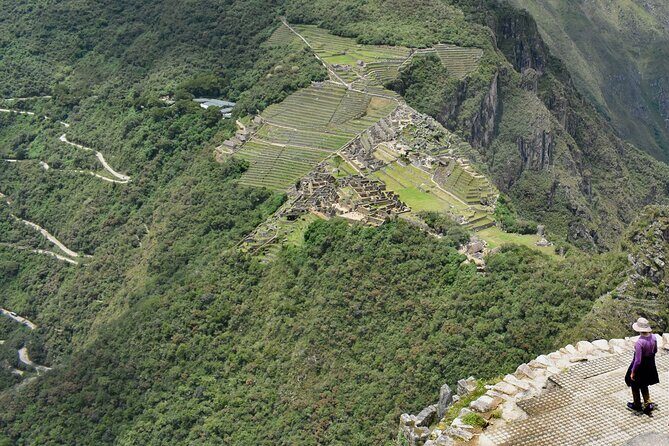
This bus leg is where you start getting your bearings. You’ll see the valleys, the terraced slopes, and the mix of high-mountain and warmer jungle zones near the Ceja de Selva. If you’re the type who likes understanding the geography as you travel, this transition is a good moment to use your guide’s explanations.
And since this tour includes transfers and tickets, you’re not stuck waiting with the crowd trying to figure out which bus line you need.
Entering Santuario Historico de Machu Picchu: What You Actually See
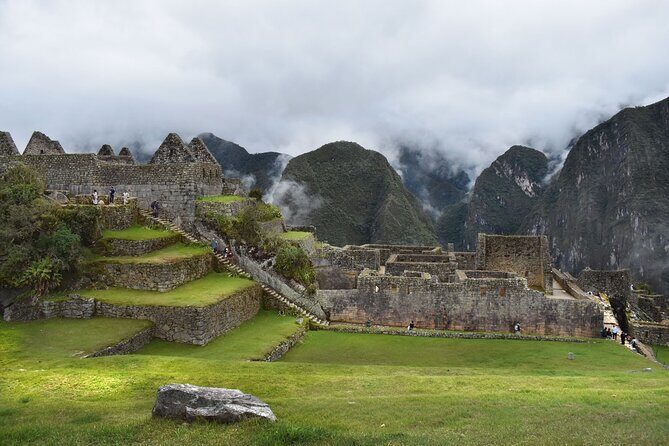
Once you’re at Santuario Historico de Machu Picchu, you’ll have a guided tour lasting about 2 hours. This is where the value of having a professional guide really shows.
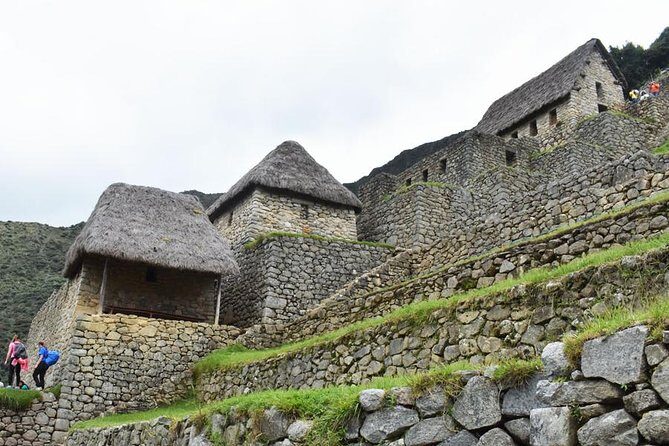
A guide helps you connect the visual dots: where things sit in relation to the terrain, why terraces exist, and what the spaces are for. The citadel is famous, but it can still feel like you’re staring at cool ruins unless someone helps you interpret the layout.
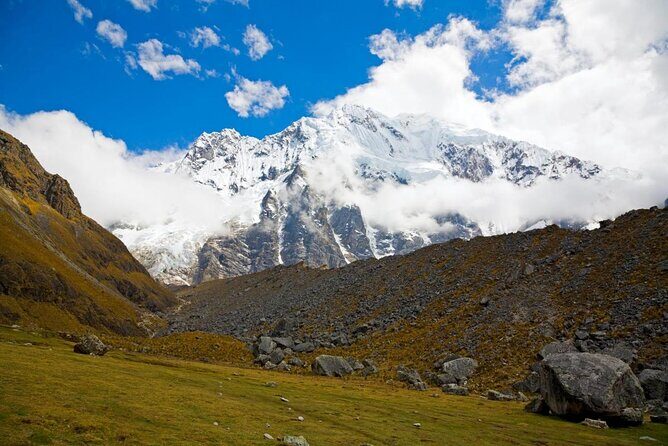
During the guided portion, you’ll also take in the big scenic sweep around the valley: mountain peaks, snow-capped views (when conditions allow), and those Inca farming terraces that line the valley. It’s not just pretty scenery—it’s evidence of how the Incas shaped the land for agriculture, not just built on it.
After the guided tour, there’s free time for photos. I like this structure because it respects two types of visitors:
- people who want meaning first (the guide walk),
- and people who want time to slow down and frame shots without a strict lecture schedule.






Guided Time with a Pro: Juan Carlos and the Art of “Seeing Right”
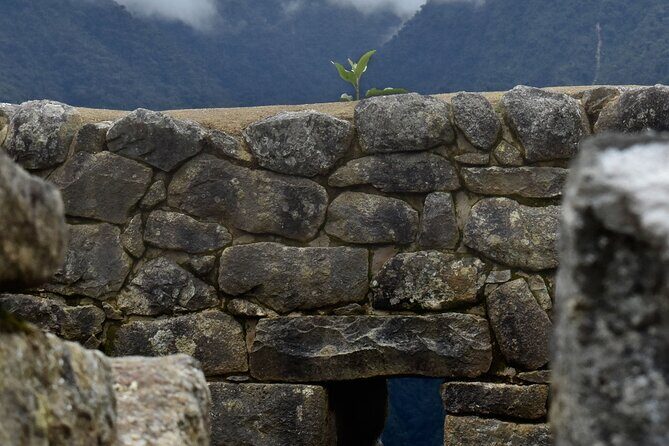
The best part of the experience, based on real feedback, is the guiding. One review specifically called out Juan Carlos as knowledgeable and an excellent guide, and that matches what you should look for in Machu Picchu interpreting: clarity.
When a guide is good, you stop walking through a checklist and start noticing patterns. That can turn the place from stunning to understandable. And for photos, understanding what you’re pointing at helps your shots look better, not just bigger.
The included admission ticket also removes a common pain point. You walk in with your access ready, and your day stays smooth.
In case you’re wondering, the tour is offered in English, so you can expect the explanations to be delivered in that language.
Photo Time at the Citadel: How to Use the Included Free Window
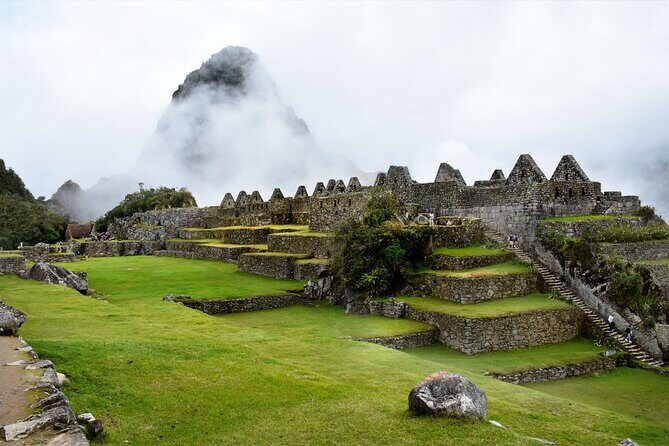
That free photo time is not random. It’s your chance to do what you’ll want most at Machu Picchu: step away from the route, find angles, and take your time.
I recommend using your guided time to spot the viewpoints you’ll want later. Then, during the free window:
- pick 2 or 3 “must shoot” spots,
- take a breath before you rush to the next one,
- and remember that light changes quickly at altitude.
Also, expect crowds depending on timing and conditions. You can’t control that, but you can control your strategy. If you’re efficient early, you’ll enjoy the slow part more.
One more practical note: the tour says snacks are not included. Bring something small enough to avoid feeling heavy, but useful enough to keep your energy steady across the full day.
Returning to Cusco: Train to Ollantaytambo, Then Private Bus
The return plan keeps the day from feeling like a repeat route. After Machu Picchu, you take a train from Aguas Calientes to Ollantaytambo, and then a private bus brings you back to your Cusco accommodation.
This routing matters. It’s organized, and it reduces the chance you’ll be stuck figuring out last-mile transport after a long day. For many people, the toughest part of a Machu Picchu day isn’t the walk—it’s the “getting back with your brain still working” moment.
Ending the day with a transfer to your hotel area is a big quality-of-life win. You’re not hauling backpacks around stations or hunting rides on tired legs.
Price and Value: What You’re Really Paying For
At $369.24 per person, this isn’t a budget excursion. But it’s also not just a ticket to a ticket booth. You’re paying for a bundle of time-saving logistics and the core experience pieces:
Included costs that usually add up fast on your own:
- transportation from your accommodation to the train station,
- round-trip train ticket to Aguas Calientes,
- round-trip bus ticket between Aguas Calientes and Machu Picchu,
- professional guided tour and admission ticket to Machu Picchu,
- transfer support back toward Cusco after Ollantaytambo.
That’s the value. If you try to stitch this together by yourself, the main risk isn’t money—it’s timing. You’re dealing with one of the most schedule-sensitive day trips in Peru: trains, bus connections, and a timed entry atmosphere.
Also, the included small-group limit (maximum 8 travelers) is a quality marker. You get more attention from the guide and better chances to keep the group together.
My take: if Machu Picchu is a priority and you want a day that runs like a plan, the price is easier to justify than if you’re trying to save every dollar.
Who Should Book This Tour (and Who Might Not)
This one fits best if you want:
- a guided Machu Picchu walk (about 2 hours),
- a small group vibe,
- and an organized day with fewer moving parts.
It’s also a good choice if you’re not in the mood to coordinate transport across multiple points in Peru while managing a busy itinerary.
Who should think twice: anyone who dislikes long days or gets cranky when plans depend on conditions. The tour requires good weather, and the day is roughly 12 hours. If that doesn’t sound appealing, you might prefer a different approach that offers more flexibility.
Weather and Timing: The One Variable You Can’t Control
This experience requires good weather. If it’s canceled due to poor weather, you’ll be offered another date or a full refund. So you’re not stuck in limbo—but you do need to accept that mountain conditions can change.
Also note: the experience is stated as non-refundable and cannot be changed for any reason. That makes it extra important to book when your dates are solid and you’re prepared for possible weather-based adjustments.
In practical terms: I treat Machu Picchu days like weather-sensitive appointments. I keep my expectations flexible and my schedule realistic.
Should You Book This Machu Picchu Full Day Tour by Train Expedition?
If you want Machu Picchu with minimal fuss, I think this is a strong option. You get round-trip train, the bus connection, admission, and a professional guide with about 2 hours at the citadel, plus time to take photos on your own. The small group size and the praised guide experience (including Juan Carlos) are exactly the ingredients that make this kind of day trip feel worth it.
Don’t book it if you’re chasing a short day or you get stressed by weather uncertainty. The schedule is full, and the day is long.
My rule of thumb: if Machu Picchu is your big ticket moment in Peru, and you’d rather show up, listen, walk, and photograph than manage connections, this is the kind of tour that lets you enjoy the place instead of solving travel problems.
FAQ
How long does the Machu Picchu full day tour take?
It runs for approximately 12 hours.
Where do pickup happen in Cusco?
Pickup is offered for passengers staying around the center of Cusco and in the district of Wanchaq.
Is Machu Picchu admission included?
Yes. The admission ticket to enter the citadel of Machu Picchu is included.
How many people are in the group?
The tour has a maximum of 8 travelers.
What language is the tour guide?
The tour is offered in English.
What if the tour is canceled due to poor weather?
This experience requires good weather. If it’s canceled due to poor weather, you’ll be offered a different date or a full refund.