REVIEW · CUSCO
Lake Titicaca Tour from Cusco along the Sun Route
Book on Viator →Operated by Planet Odysseys · Bookable on Viator
Road trip, then a sky-high sea.
This Sun Route tour strings together big-hitting stops from Cusco’s colonial craft to Inca sacred sites, then lands you on Lake Titicaca for real community time on Uros and Taquile. I especially like the mix of guided cultural visits on the way (Andahuaylillas, Raqchi, La Raya Pass, Pucará) plus the lake portion where you’re not just watching from a distance.
One consideration: the altitude adds up. You’ll hit La Raya Pass (4,335 m), and you’ll be dealing with long stretches in the Andes, so build in patience and plan for a slower pace.
In This Review
- Key highlights you’ll care about
- Cusco to Puno on the Sun Route: the road trip part that actually matters
- Andahuaylillas Church: why this tiny stop feels like a masterpiece
- Raqchi and Wiracocha: Inca scale you can feel in your legs
- Sicuani lunch stop: a real break on a long day
- La Raya Pass (4,335 m): the view stop that tests your breathing
- Pucará Lithic Museum: pre-Inca context without the lecture vibe
- Puno: why the overnight hotel makes the whole trip feel calmer
- Uros floating islands: totora life, built with hands not brochures
- Taquile Island: textiles, a climb, and a lunch you’ll remember
- Price and logistics: is $231 fair for what you get?
- Guides that make or break the day: Hannah, Ruben, Abel, Ricardo
- Who should book this Lake Titicaca tour, and who should skip it
- Should you book? My practical take
- FAQ
- What time does the tour start?
- Where do I meet the group in Cusco?
- How long is the tour?
- Is the tour offered in English?
- What’s included in the price?
- Are entrance fees for the Sun Route included?
- What are the Uros and Taquile visits like?
- Is the reed boat ride on Uros included?
- Is dinner included?
- How big is the group?
Key highlights you’ll care about
- Sun Route sites with a guide, so you’re not just staring at ruins and murals.
- Uros floating islands and Taquile via included lake boat transport.
- Taquile lunch prepared by a local family, not a tourist buffet.
- A three-star hotel stay in Puno with breakfast, so you’re not trapped in a single nonstop day.
- Small group size (max 15), which usually means less waiting and easier question time.
- English offered, with a professional bilingual guide (English/Spanish).
Cusco to Puno on the Sun Route: the road trip part that actually matters
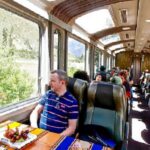
The real charm here is that the journey isn’t just “getting from A to B.” You’re traveling by tourist-class bus from Cusco to Puno, but the plan is packed with stops that explain how this region thinks about the land—both through Inca religion and later Catholic influences.
Expect a full day of driving and guided site visits on Day 1, then a Lake Titicaca day or lake time spread across both days (either way, both Uros and Taquile are part of the deal). The early start—7:30 am—helps the schedule move smoothly, especially on mountain roads where timing can get tricky.
This setup is good value if you want fewer logistics headaches: you get the bus, the guides, and the lake boat transport lined up. You’ll still need to manage your energy. That means drinking water, dressing warm (the lake can feel colder than Cusco at times), and not treating the high passes like a normal day out.
You can also read our reviews of more tours and experiences in Cusco.

Andahuaylillas Church: why this tiny stop feels like a masterpiece
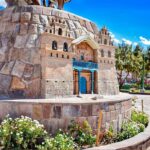
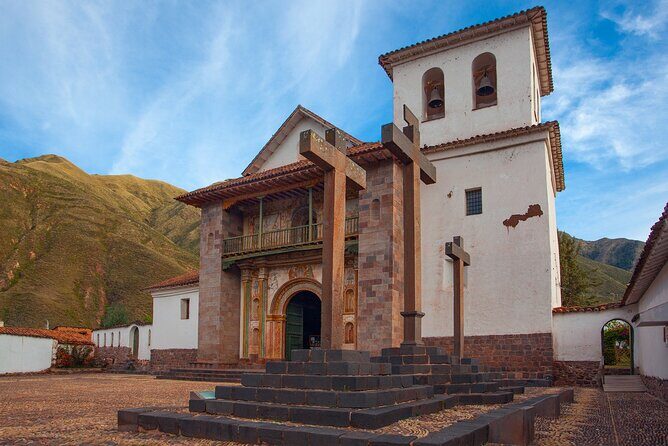
Andahuaylillas is one of those places where the art hits first, then the story clicks. You visit the 17th-century Church of San Pedro, famous for murals and baroque artwork created by the Cusco School.
What I like about this stop is that it’s not only about pretty interiors. Your guide explains the blend of Andean traditions and Catholic practice during colonial times, so you understand why the church looks the way it does—not just that it looks impressive. You’ll get time to wander through the richly painted interiors and admire the ornate ceiling and frescoes.
Practical note: even though it’s a “short” visit (about 45 minutes), it’s a high-impact stop. Go slow inside. If you rush, you’ll miss the details.
Raqchi and Wiracocha: Inca scale you can feel in your legs
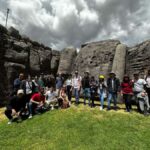
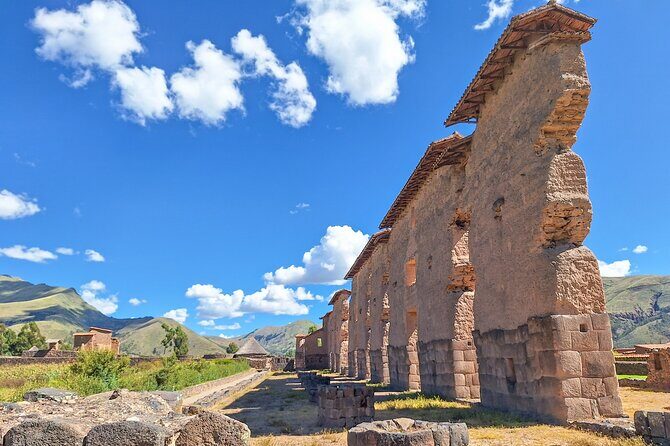
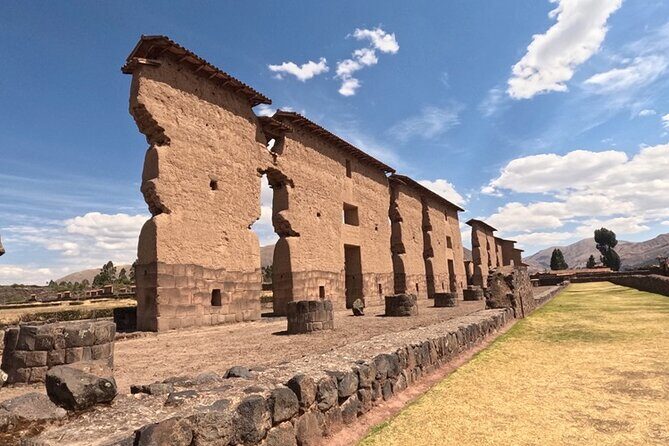
Raqchi (the archaeological complex) is a strong contrast to Andahuaylillas. Here the focus is Inca religious meaning, specifically the creator god Wiracocha. The site centers on a monumental sanctuary, with remains of the Great Temple’s towering central wall, plus storehouses, ceremonial plazas, and ancient aqueducts.
This stop works because your guide connects the spiritual story to engineering and logistics. Those aqueducts and the distribution structures weren’t built just to be pretty; they supported a functioning empire in the Altiplano.
Time-wise, plan for about 1 hour. The data also notes entrance ticket not included for this stop, so budget a little extra on the day. If you’re watching costs tightly, this is the one place to remember.
Sicuani lunch stop: a real break on a long day
After the museum-and-ruins rhythm, Sicuani gives you something simple and useful: a buffet lunch. The menu is described as regional Andean food—soups, vegetables, quinoa dishes, and grilled meats.
This matters because Lake Titicaca days can be surprisingly cold and walking can be slow. If lunch is delayed or skipped, the whole day starts feeling harder than it needs to. The restaurant stop is also a chance to refuel before you climb to La Raya Pass.
The lunch is around 1 hour, with no admission ticket involved for this stop. It’s a good reset button.
La Raya Pass (4,335 m): the view stop that tests your breathing

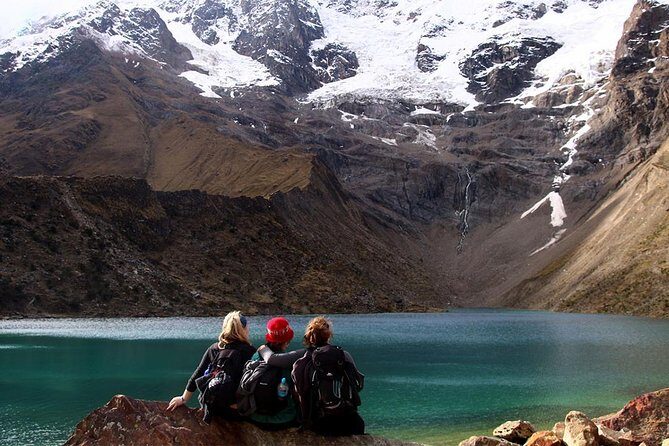
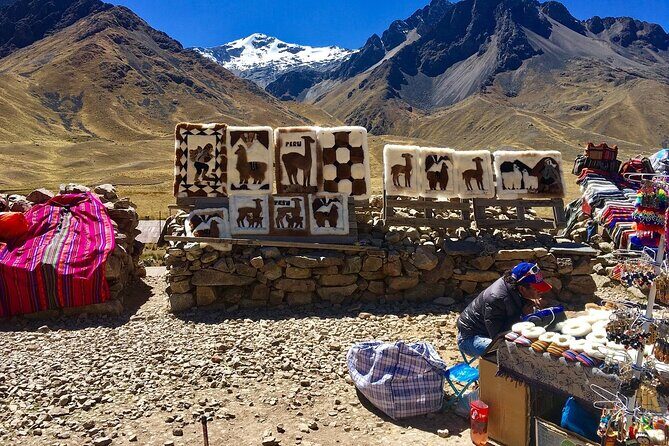
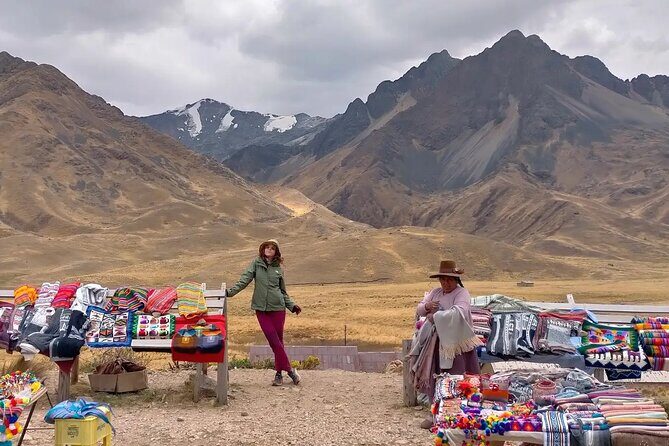
La Raya Pass is the highest point on this route. You stop at 4,335 meters, step out for views of snow-capped mountains, high-altitude plains, and grazing alpacas, and get a short explanation of the geography and cultural significance of this Andean divide.
It’s a short stop—about 15 minutes—but it can feel longer because of the air. Don’t plan on sprinting to the best photo angle. Stand, look, breathe, and keep your gear organized so you’re not fiddling around while your body is still adjusting.
A practical trick: wear layers you can peel quickly. Mountain sun can warm you up even when the air is thin. When the wind hits, you’ll want that extra layer back on.

Pucará Lithic Museum: pre-Inca context without the lecture vibe
Pucará is smaller than the big-name ruins, but it gives helpful context. You visit a museum focused on Pucará culture, with carved monoliths, ceremonial sculptures, and pottery.
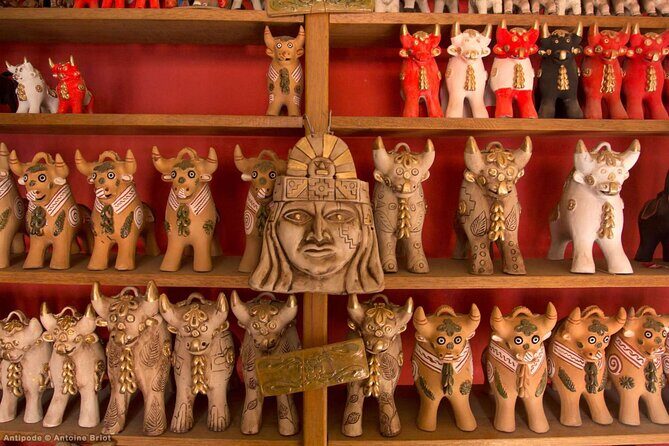
The connection to the famous “Toritos de Pucará” is especially useful. Those symbols of protection and prosperity make more sense once you see the culture they came from, long before the Inca era.
It’s about 40 minutes, and it’s a smart use of time because it prevents the itinerary from feeling like “Inca only.” You get a sense of who was here before the bigger empire arrived.
Puno: why the overnight hotel makes the whole trip feel calmer

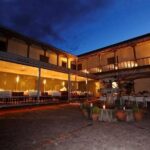
Arriving in Puno and checking into a comfortable three-star hotel with breakfast is more than just a place to sleep. It’s what keeps this from turning into a frantic one-day lake sprint.
You’re given a free evening to walk around the lakeside area, grab dinner, or just decompress. That downtime is valuable after a long driving day through altitude and long roads. It also helps you get ready for the next day’s boat ride and island walk.
Even though the tour doesn’t include dinner, the free time is still a plus. It gives you flexibility and a chance to eat something local where you feel comfortable.
Uros floating islands: totora life, built with hands not brochures
The Uros Floating Islands visit is one of the big reasons people pick this tour. You meet local families who live on handmade totora reed islands and learn how the islands are built and maintained.
This is the part that tends to leave the strongest impression because it’s daily life, not a performance stage. You’ll explore the floating platforms and hear how traditional techniques are carried forward.
A traditional reed boat ride is optional and costs extra (about 15 soles, paid directly to the community). I like having this choice. If you’re budget-conscious, you can skip it; if you want the extra lake feel, it’s there.
Time-wise, it’s about 1 hour 30 minutes. That’s enough time to ask questions, see the materials up close, and understand how the communities manage the reed world day to day.
Taquile Island: textiles, a climb, and a lunch you’ll remember
Taquile Island is famous for its textile art and communal life, plus it has those dramatic lake views that make Lake Titicaca feel unreal. Here’s the rhythm: you take a scenic uphill walk, visit community gathering points, and then you get a freshly prepared local lunch made by a local family.
The walk is part of the experience. It’s not a flat stroll, so wear shoes you trust on uneven paths. But if you want the best views and want to understand why people value Taquile’s way of life, the climb does its job.
The island visit is about 4 hours, which gives you time beyond just photo stops. It’s also structured so the textiles and community culture aren’t treated as an optional side quest—they’re central to the visit.
One extra benefit: Taquile lunch happens right there on the island, so it feels grounded in place rather than staged for convenience.
Price and logistics: is $231 fair for what you get?
At $231 per person for roughly two days, the value comes from what’s bundled.
You get:
- Tourist-class bus from Cusco to Puno via the Sun Route
- Guided visits to Andahuaylillas, Raqchi, La Raya Pass, and the Pucará Lithic Museum
- Hotel in Puno (three-star) with breakfast
- Round-trip boat transport for the Uros and Taquile visits
- Entrance fees to Uros and Taquile communities
- Lunch stops, including a buffet lunch in Sicuani and traditional lunch on Taquile
What could cost extra:
- The Sun Route entrance fees on Day 1 are noted as paid directly at each site.
- The optional reed boat ride on Uros costs extra.
- Dinner is not included.
So the deal is strong if you’d otherwise be paying separately for bus transport, guide time, and boat logistics. If you’re the type who hates group schedules, you might find the pacing full. But if you want a structured route with key cultural stops plus lake time, this looks like a well-packed package.
Guides that make or break the day: Hannah, Ruben, Abel, Ricardo
This tour leans hard on the guide experience. That shows up in the feedback about guides like Hannah and Ruben, praised for being friendly, helpful, and patient with questions. Other guides referenced include Abel, described as energetic and well educated, and Ricardo, noted for engaging storytelling and professional guiding.
I like this emphasis because the itinerary has a lot of culture and symbolism. Without a guide who can explain what you’re seeing, some of the stops become quick photo moments. With the right guide, each site becomes a piece of the bigger puzzle of how the Andes and Lake Titicaca are understood.
Who should book this Lake Titicaca tour, and who should skip it
This is a great fit if you:
- want a guided route from Cusco to Puno instead of piecing everything together
- care about cultural stops along the way, not just the lake
- like small-group pacing (max 15) and question-friendly touring
- want both Uros and Taquile, with lunch included on Taquile
Consider skipping or choosing a slower option if you:
- are very sensitive to altitude (that La Raya Pass stop is a real high point)
- hate long travel days or don’t enjoy walking uphill (Taquile includes an uphill section)
Should you book? My practical take
If your dream trip includes Lake Titicaca and you also want the Sun Route journey to teach you something, this is a solid choice. The best reason to book is the balance: you get guided cultural stops on the way and the lake time feels organized with included boats and included community access.
I’d book this if you want fewer headaches and a clear structure for two days. I’d think twice if you’re looking for a super-relaxed vacation with zero schedule pressure. With the altitude and the island walk, it’s more of an active cultural adventure than a lazy day at the water.
FAQ
What time does the tour start?
The meeting time is listed as 7:30 am.
Where do I meet the group in Cusco?
The start point is Av. Pacifico 9, Cusco 08006, Peru.
How long is the tour?
It’s listed as 2 days (approx.).
Is the tour offered in English?
Yes, English is offered.
What’s included in the price?
Included items are listed as breakfast, a three-star hotel in Puno with breakfast, entrance fees to Uros and Taquile, round-trip boat transport on Lake Titicaca, guided visits for key Sun Route stops, and lunches including a buffet lunch in Sicuani and traditional lunch on Taquile.
Are entrance fees for the Sun Route included?
No. Sun Route entrance fees on Day 1 are noted as paid directly at each site.
What are the Uros and Taquile visits like?
You visit Uros Floating Islands to learn about handmade totora reed islands and explore the platforms, and you visit Taquile Island with an uphill walk, community gathering points, and a traditional lunch.
Is the reed boat ride on Uros included?
It’s optional and costs extra (about 15 soles, paid directly to the community).
Is dinner included?
Dinner on Day 1 and evening meals in Puno are listed as not included.
How big is the group?
The tour has a maximum size of 15 travelers.