REVIEW · CUSCO
Inca Trail To Machu Picchu
Book on Viator →Operated by Peru Top Experience · Bookable on Viator
Early starts. Big views. Real support.
This 4-day Inca Trail to Machu Picchu is interesting because you don’t just hike—you get guided access through key Inca spots like Llactapata and Intipunku, then finish with a Machu Picchu visit the same day. I especially like the hands-on support setup (authorized porters, an experienced cook, radio contact, and even an oxygen cylinder) and how meals are handled end-to-end with 3 breakfasts, 3 lunches, and 3 dinners.
The one consideration: this trek is physically demanding. You should have moderate fitness because the climbs include the Warmiwañusca pass (4,200 masl) and long walking days with altitude in the mix.
In This Review
- Key things you should know before you go
- First steps from Cusco: early pickup, Km 82, and Llactapata
- Camp routine on the Inca Trail: Wayllabamba to Wiñaywayna comforts
- Day 2’s Warmiwañusca pass: coca tea, big views, and a hard climb
- Day 3’s Runkurakay, Sayacmarca, and Phuyupatamarca build-up
- Intipunku to Machu Picchu: Sungate views, then train and bus
- Food, porters, and safety gear that actually matter on this trek
- Price value check: what $880 includes and what costs extra
- Should you book this 4-day classic Inca Trail?
- FAQ
- How long is the Inca Trail to Machu Picchu?
- What time does the experience start?
- Is food included during the trek?
- Are entrance tickets to the Inca Trail and Machu Picchu included?
- How do you get from Machu Picchu to Aguas Calientes and back?
- What gear is not included?
- Is there free cancellation?
Key things you should know before you go
- You start very early from Cusco and meet the full team around Piscacucho (Km 82), so the first day feels like momentum from minute one.
- Coca tea shows up on Day 2 mornings to help you wake up and steady your pace.
- Your highest point is Warmiwañusca (4,200 masl), and the timing means you’ll see the whole valley before descending.
- Camping is set up for you with thick foam mats, dining tent, and kitchen equipment—plus clean towels and hot water for hygiene each morning.
- Expect real medical and safety gear: first aid kit, oxygen cylinder, and a radio transmitter for the route.
- Guides matter here, and names like Manuel and Juan show up in past groups for a reason—people consistently credit their pacing and energy.
First steps from Cusco: early pickup, Km 82, and Llactapata
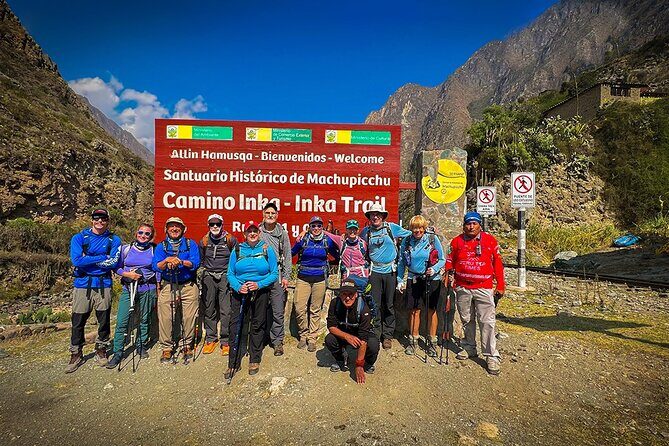
The experience begins with a hotel pickup in Cusco and a start time listed as 12:00 am, which basically means you’ll be up and moving in the dark. Then the route brings you to Ollantaytambo first for calmer breakfast time, before continuing on to Piscacucho (Km 82) where you meet the full support team (porters and cook).
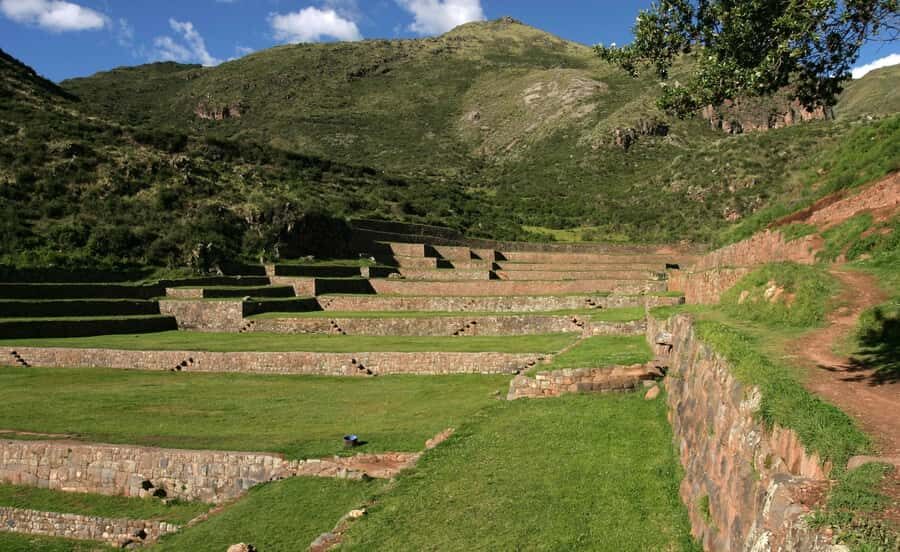
On Day 1, the hike opens with a visit to Llactapata, an Inca control site at about 2,650 masl. This part is more than a warm-up photo stop. Llactapata is placed for access to Machu Picchu, so it helps you connect the dots between the walking path and the destination.
After the short historical visit, you start walking toward lunch, then keep going to your first camp: Wayllabamba (around 3,000 masl). The shift from city comfort to trail logistics happens fast, but that’s also why this format works well: once you meet the team at Km 82, you’re not managing the big moving pieces yourself.
You can also read our reviews of more tours and experiences in Cusco.
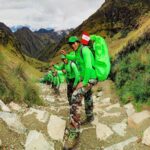
Camp routine on the Inca Trail: Wayllabamba to Wiñaywayna comforts
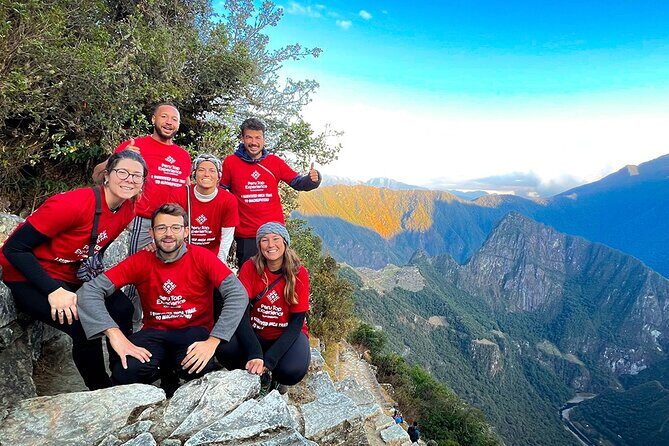
One of the biggest practical wins in this setup is that camping doesn’t feel like you’re roughing it on purpose. The included gear lists camping tents for the trip, thick foam mats, dining tent, and kitchen equipment, so you’re not stuck improvising after long hiking days.
When you reach camp, the pattern usually looks like this: your team arrives first, equipment is ready, and you get time to relax while they handle the next steps. On Day 1 you’ll find small shops near the campsite where you can buy drinks and snacks or essential items. On longer days, those small choices matter because they help you manage your energy without waiting for a formal meal.
Hygiene is handled more thoughtfully than many treks. You get a clean towel every morning and hot water for hygiene. You’ll also have access to boiled water for filling your canteens. That combination makes a noticeable difference on the trail, especially if you’re sweaty and tired and just want to feel human before dinner.
By Day 3, the destination camp is Wiñaywayna (about 2,650 masl). This is where the trip starts to feel more like a build-up to Machu Picchu rather than just four days of hiking. You’ll sleep after the day’s panoramic time, then wake up with an easier mental rhythm: you’re close.
Day 2’s Warmiwañusca pass: coca tea, big views, and a hard climb
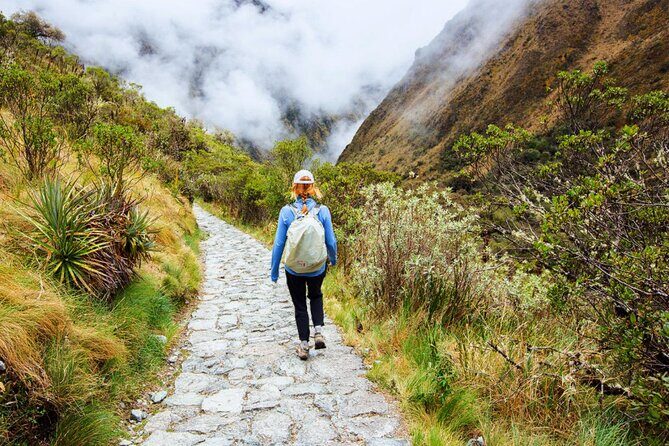
If you want to know what the Inca Trail really costs you, Day 2 is where you feel it. You start with an early view of the valley, and the team serves a cup of coca tea to help you wake up and get moving with better spirits.
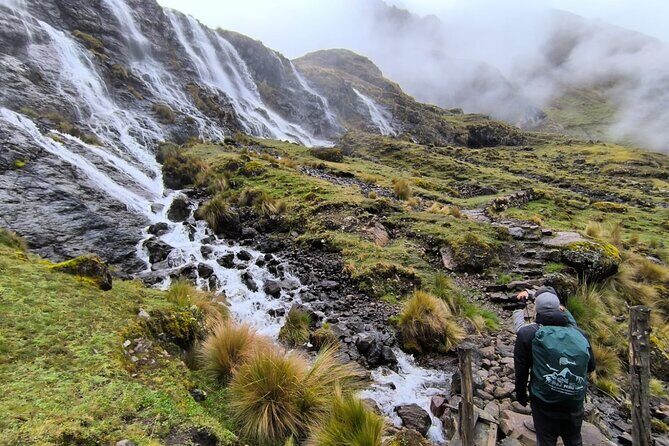
Then comes breakfast, and you’ll need it. The first section is described as the hardest, with a steady climb to Warmiwañusca pass at 4,200 masl (13,776 feet). This is the highest point of the experience, and the payoff is timing: you arrive to an impressive valley view, plus you can see the road you already took and the route ahead.
After resting and photos, you descend to Pacaymayo (around 3,500 masl) for lunch. The afternoon is guided time too—your guide shows flora and fauna at the stop, which is a smart way to keep the hike meaningful once your legs are tired.
Long days at altitude can make pace feel personal. The practical takeaway: keep your effort steady and let the guide manage the flow. In past groups, the names Manuel and Juan stood out for pacing and group management, which is exactly what you want on a day like this.
Day 3’s Runkurakay, Sayacmarca, and Phuyupatamarca build-up
Day 3 starts with breakfast prepared by the support team, then you head into a day of archaeological stops and shifting scenery. First comes an ascent (about two hours) toward Runkurakay (around 3,800 masl), with an explanation and tour there.
Then you climb again to the highest part of the day and continue to other sites like Sayacmarca (about 3,580 masl). One thing I like about this pacing is that the day is structured with breaks that still feel purposeful. You’re not just walking between camps—you’re walking between meaning.
As you go deeper into higher ground toward the jungle-to-valley transition, the panorama changes. In the afternoon you reach Phuyupatamarca (about 3,600 masl) for a panoramic view of the Urubamba Valley, described as the gateway to Machu Picchu. That framing helps you understand why people get emotional when the final day approaches. You’re starting to see the destination context from above.
Then you descend to camp: Wiñaywayna, and you’ll get a refreshing hot mate before dinner. This is the last night before your Machu Picchu approach, so it’s a great day to keep your body calm after the climbs.
Intipunku to Machu Picchu: Sungate views, then train and bus
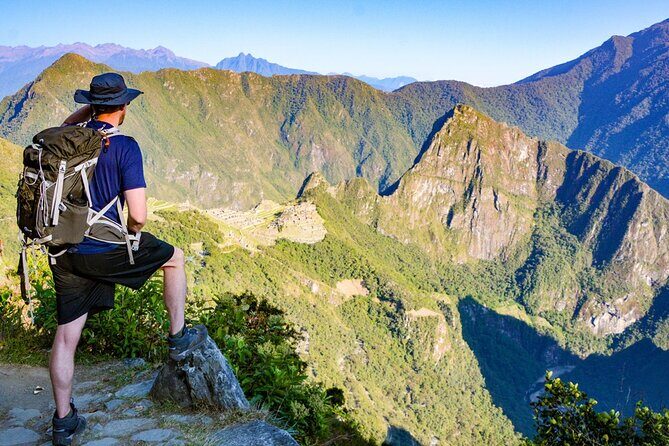
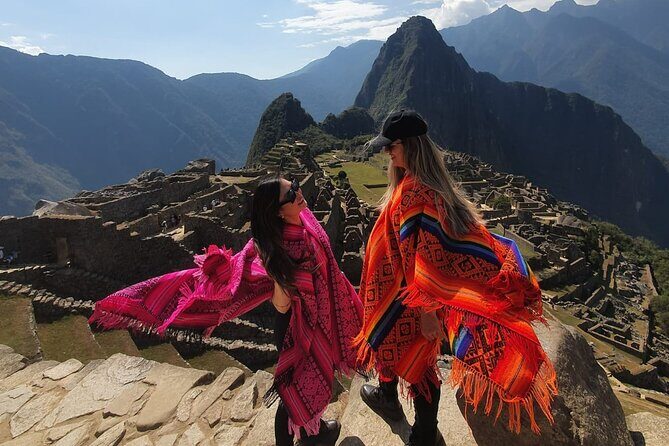
Your final day begins with breakfast, followed by an emotional goodbye moment with the team that’s been with you from the start. Then you continue with your guide for about two hours toward Intipunku, also called Sungate (around 2,745 masl). When you reach it, you get a panoramic view of Machu Picchu (about 2,430 masl).
This is the moment where the whole trek stops feeling like effort and starts feeling like arrival. You’ll then descend along a path to visit Machu Picchu and see the main sites that make up the citadel.
After the Machu Picchu time, you go to the main control gate and board a tourist bus to Aguas Calientes. Then you take the included train—listed as Expedition/Voyager—from Aguas Calientes back to Ollantaytambo, and finally return to Cusco using a bimodal service.
Why this matters: it removes the biggest headache after a tough hike. You’re not trying to coordinate transport while your body is cooked. You also get a smoother flow from site visit to food and rest back in the rail corridor.

Food, porters, and safety gear that actually matter on this trek
On the Inca Trail, good meals are not a luxury—they’re part of making altitude work. This trip includes three dinners, three lunches, and three breakfasts, plus tea time during the trek. The meals are described as excellent and varied in real accounts, including soups and meat dishes like pasta and meatballs and stuffed chicken breast. If you ask for restrictions, the setup also lists diet variety for vegetarian or food restrictions.
The cook is part of the value here. Past groups named Fausto as the cook and praised both the food and the overall team energy. That matters because after a hard pass day, your motivation is simple: eat, rest, and wake up ready to go again.
Then there’s the safety and comfort layer that’s often missing in budget-style treks. This one includes:
- Radio transmitter for team coordination
- First aid kit
- Oxygen cylinder
- Clean towel and hot water for hygiene
In practice, oxygen access doesn’t mean you’ll need it. But knowing it’s there gives you peace of mind, especially at higher elevations like Warmiwañusca.
Price value check: what $880 includes and what costs extra
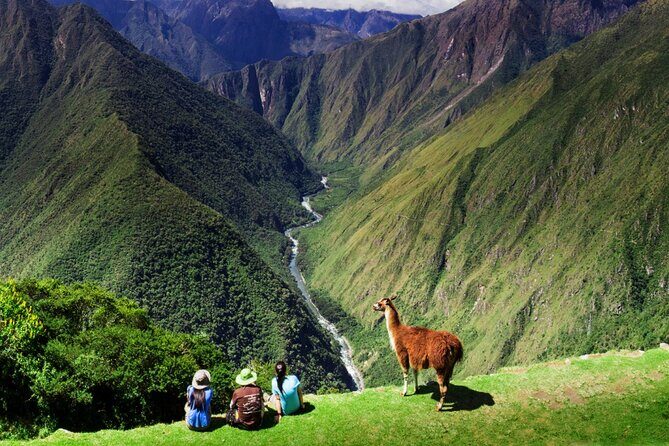
At $880 per person for an approximately four-day trek, the value isn’t just the scenery. It’s the bundle of services that would cost you more separately:
- Inca Trail and Machu Picchu entrance tickets
- Consettur bus (Machu Picchu to Aguas Calientes)
- Tourist train (Aguas Calientes to Ollantaytambo)
- Hotel pickup and transport legs tied to the trek start and finish
- Full camping equipment and food
- Licensed guide and safety gear
- Support team with authorized porters
What costs extra is mostly the “choose-your-own-adventure” side:
- Huayna Picchu special entrance ticket: listed at USD $80
- Sleeping bag: can be added for $25
- Walking poles: can be added for $15
- Extra personal porter: listed as $150 for carrying up to 7kg
If you already own a sleeping bag and poles, you may pay less at the margins. If you don’t, it’s worth budgeting those add-ons in advance so you don’t end up hiking tired from shivering or carrying too much.
Should you book this 4-day classic Inca Trail?
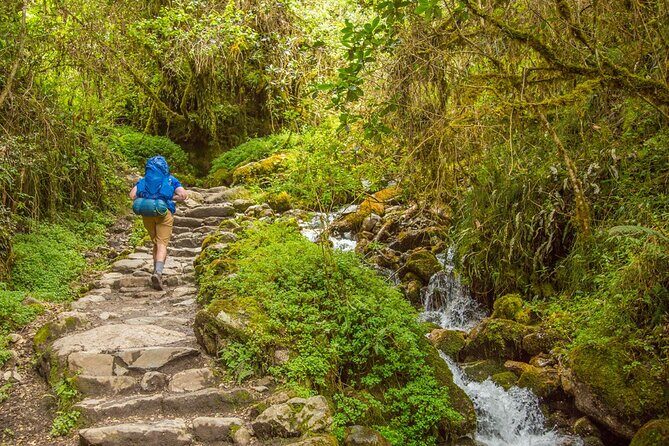
Book it if you want a trekking experience that’s well-run from the first hotel pickup to the last train ride back toward Cusco. You’ll likely love it most if you care about guided archaeological stops, a supported camping setup, and the fact that the hardest days are handled with organization around food, hygiene, and safety.
Consider a different plan if you’re not ready for altitude climbs and long walking days. This is listed for travelers with moderate physical fitness, and the trail includes major elevation work like Warmiwañusca.
Finally, if your goal is Machu Picchu timing, this format helps: you reach the site from Intipunku/Sungate, then you get included transport afterward so you’re not stuck figuring out logistics when you’re exhausted.
FAQ
How long is the Inca Trail to Machu Picchu?
The tour runs for about 4 days.
What time does the experience start?
The listed start time is 12:00 am, and there is hotel pickup in Cusco for the trek start.
Is food included during the trek?
Yes. You get full food on the trek: 3 breakfasts, 3 lunches, and 3 dinners, plus tea time.
Are entrance tickets to the Inca Trail and Machu Picchu included?
Yes. The price includes entrance ticket to the Inca Trail and entrance ticket to Machu Picchu.
How do you get from Machu Picchu to Aguas Calientes and back?
After the Machu Picchu visit, you take a Consettur bus to Aguas Calientes. Then you take the tourist train from Aguas Calientes to Ollantaytambo, and from there the transfer back to Cusco is included.
What gear is not included?
A sleeping bag and walking poles are not included, but they can be added (sleeping bag for $25, walking poles for $15). You can also arrange an additional personal porter for extra personal carrying.
Is there free cancellation?
Yes. You can cancel for a full refund as long as you cancel at least 24 hours in advance of the experience start time.