REVIEW · SACRED VALLEY
Inca Trail Machu Picchu 4 Days
Book on Viator →Operated by Dreamy Tours · Bookable on Viator
You feel it before you see it. This Inca Trail to Machu Picchu is classic high-Andes trekking plus a dawn arrival that hits hard in the best way. I especially like the organized logistics that keep you moving (and fed), and I also love the quality of the camp food and teamwork. The big drawback to plan for is the physical demand—especially the cold and the Death Pass climb on Day 2.
Because the trip is run with a small group cap (up to 10) and includes camping gear, guides, and entry to Machu Picchu, you spend your energy on the trail, not on hassle. Still, you’ll need to show up ready: you don’t get a sleeping bag, and the route isn’t a gentle walk.
In This Review
- Key things I’d circle before you book
- Getting From Cusco to Km 82: the Sacred Valley head start
- Day 1 to Ayapata: Miskay lunch, Llactapata context, and an easier first day
- Day 2 in the cold: Llulluchapampa to Warmihuañusca (Death Pass) and Chaquicocha
- Day 3 through Wiñayhuayna: tunnels, lakes, and Phuyupatamarca above the clouds
- Day 4 Machu Picchu: Inti Punku sunrise, a guided tour, then free exploring
- Price and value: what $905 actually buys you
- Camping comfort, porters, and the real “support system”
- Who should do this Inca Trail 4-day trip (and who might not)
- Quick practical tips to make Day 1 through 4 smoother
- Should you book this Inca Trail to Machu Picchu 4 Days with Dreamy Tours?
- FAQ
- How much does the Inca Trail Machu Picchu 4 Days tour cost?
- How long is the tour?
- Where does the trek start?
- What’s included in the price?
- What is not included?
- What language will the guide speak?
- What group size is used?
- Is oxygen or first aid provided?
- What kind of Machu Picchu visit do you get on Day 4?
- Do I need to have strong physical fitness?
Key things I’d circle before you book
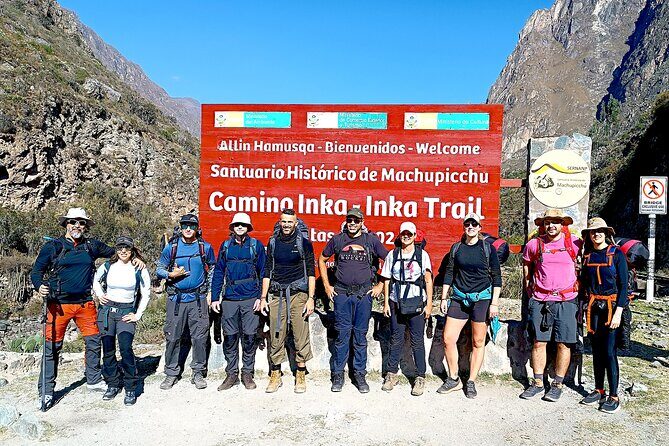
- Small group size (max 10) means less crowding and more attention from the team.
- Camping support included (tents, mats, dining setup, and bathroom tents) makes the nights manageable.
- Guide-led culture stops help you connect the stones to Inca life, not just admire them.
- Sunrise over Machu Picchu from Inti Punku is a major payoff for the early morning hike.
- Porter-heavy setup removes the logistics burden so you can focus on trekking.
- Oxygen and first aid included adds reassurance at altitude.
Getting From Cusco to Km 82: the Sacred Valley head start
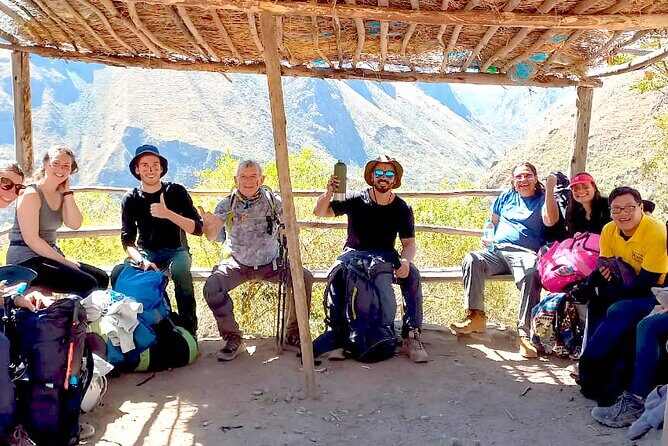
The day begins early, with pickup in Cusco at 5:30 am. You’ll head toward the Sacred Valley, crossing worlds from modern city rhythm to Andean trail time fast.
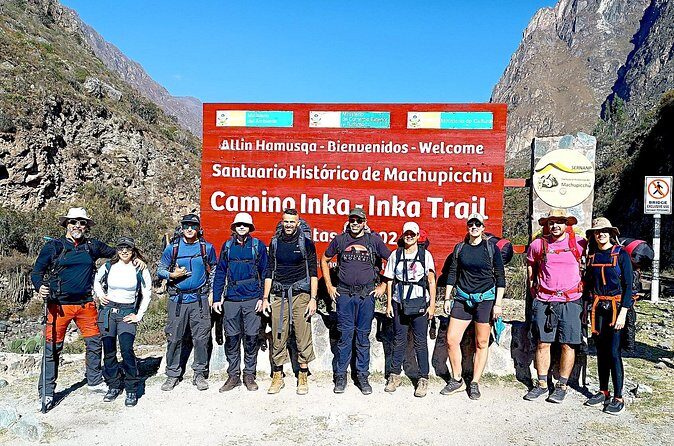
Before you start the Inca Trail at Kilometer 82, you’ll stop in Ollantaytambo. There’s also an option to grab breakfast there, which is useful because the trek start is early and your first meals matter at altitude. Then you meet the group around the start point and handle documents for registration and control.
One practical plus: the ride and early start mean you avoid losing daylight to wandering around the start area. You also cross the Urubamba River at about 2200m, and then the trek settles into its real rhythm.
You can also read our reviews of more tours and experiences in Sacred Valley
Day 1 to Ayapata: Miskay lunch, Llactapata context, and an easier first day
Day 1 is about getting your legs used to the Andes without throwing you into the deep end right away. After the river crossing, you’ll find the trail easy to follow, which helps you focus on pacing rather than navigation.
You’ll stop for lunch in Miskay, at a small riverbank. This is a good moment to reset: eat, breathe, and listen to your body. Your guide will also explain points about the Llactapata archaeological complex, which adds meaning to the landscapes you’ll later hear about during the rest of the hike.
After lunch, you continue toward Wayllabamba (about 3100m) and then ascend to Ayapata, the campsite for the night. Expect around 7 hours of hiking. It’s not a short day, but it’s a smart warm-up—especially before Day 2’s altitude and effort.
Day 2 in the cold: Llulluchapampa to Warmihuañusca (Death Pass) and Chaquicocha
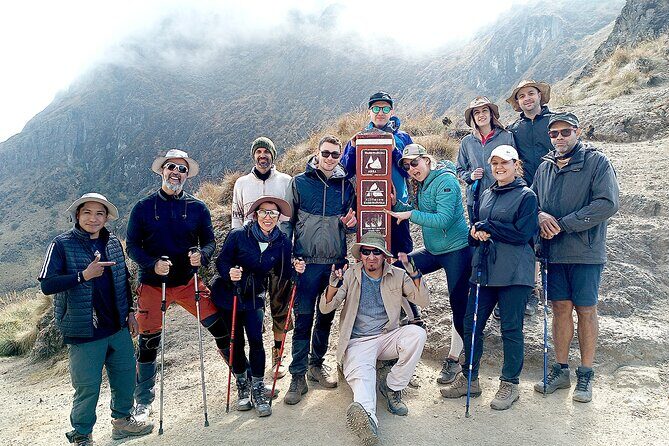
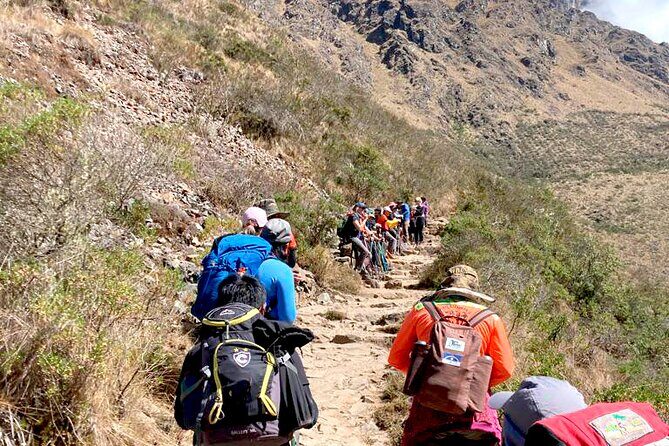
Day 2 is where you earn your Machu Picchu morning. It’s listed as a 9-hour walking day with cold weather, and it includes the Warmihuañusca climb, known as the hardest part of the trek.
The key here is pacing. The route is described as a leisurely-pace walking day, with short stops where everyone can regulate effort at their own speed. Still, you’re walking at higher altitude, and you’ll feel the air thinning as the day progresses.
Early on, the trail leads to the valley of Llulluchapampa, where you can experience rainforest sounds and water movement during a roughly 3 km walk. Then you keep going for 2 to 3 hours toward the highest point of the trek.
That climb takes you up to Warmihuañusca at about 4200m. After a brief stop at the summit, you continue with a long and steep slope toward the Pacaymayu River area and onward to Runkurakay pass (around 3050m). By the time you reach camp at Chaquicocha (around 3650m), the views help justify the struggle.
In the evenings, your camp time matters. Several people note nightly tea time and strong camp support, including cooking teams that make the whole experience feel less “roughing it” and more “hard adventure with comfort handled.”
Day 3 through Wiñayhuayna: tunnels, lakes, and Phuyupatamarca above the clouds
Day 3 is described as the most beautiful day, and you can feel why. The ecosystem shifts as you walk through the rainforest of Wiñayhuayna, so the scenery changes while the effort continues.
You’ll pass two small lakes near the top of the second pass (around 3950m). From there, you’re on a gentler ascent through a small Inca tunnel, which offers a meaningful change of pace—less “climb grind,” more “wow, this was built for a reason.”
A big highlight is your movement toward camp and ruins that connect you to how the Incas engineered daily life. The nearest camp is Phuyupatamarca, named for being a city above the clouds (around 3600m). People call it well preserved, and you’ll see a long chain of Inca bath areas—an engineering detail that’s easy to admire when the guide points out what you’re looking at.
You’ll pass through another Inca tunnel before visiting the Wiñayhuayna complex, often translated as Forever Young (around 2650m). This is a strong reminder that “trek to Machu Picchu” is only part of the story. The in-between ruins are not filler; they’re the plot.
The day ends with descending the valley and getting your first substantial views of Machu Picchu Mountain, which sets the emotional tone for Day 4.
Day 4 Machu Picchu: Inti Punku sunrise, a guided tour, then free exploring
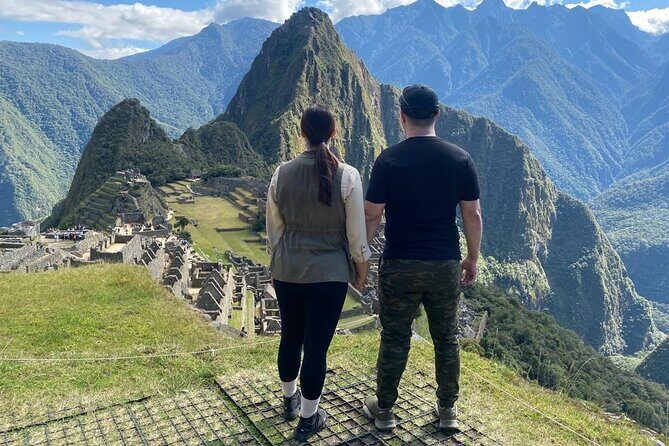
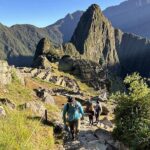
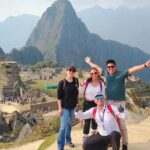
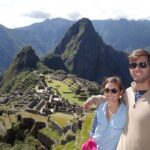
Day 4 starts with breakfast, then the hike to Inti Punku, also called the Sun Gate. The goal is the first view of Machu Picchu and, if everything lines up, sunrise over the site. This is the moment many people remember most because it turns a trek into an arrival.
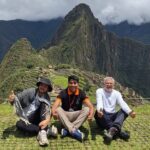
After that triumphant climb, you’ll reach the citadel around 8:00 am. From there, you get a guided tour of about two hours, which helps you connect the site’s layout to how it functioned in Inca times.
Then you have time to explore on your own. You can visit the Inca Bridge, explore different monuments across the complex, and there’s the option to climb Huayna Picchu if your body and timing allow. (Even if you don’t climb, the key is that you’re not rushed out right after the guided portion.)
After exploring, you descend to Aguas Calientes for lunch. Finally, you return by train to Ollantaytambo and then onward to Cusco.
One practical note: a couple of people mention schedule pressure and the need to move quickly to reach transport. That doesn’t mean the trip is poorly run, but it does mean you should stay mentally flexible and don’t plan to linger too long in late windows.
Price and value: what $905 actually buys you
At $905 per person for an approx. 4-day trip, the best way to judge value is by what’s included.
You’re paying for:
- Entry to the Inca Trail and Machu Picchu
- Transport Cusco to Km 82, plus Ollantaytambo to Cusco after the trek
- A professional guide (Portuguese/Spanish on request)
- Machupicchu Villa to the site by Consettur tourist bus
- Camping equipment like tents, mats, dining setup, and tables/chairs
- A cook and kitchen equipment, plus food (breakfast on days 3, plus lunches/dinners/snacks as listed)
- Oxygen and first aid
- Return train from Aguas Calientes (Machu Picchu pueblo) to Ollantaytambo, depending on availability
What you don’t pay for includes:
- A sleeping bag
- Breakfast on the first day
- Lunch at Machu Picchu or in Aguas Calientes (time-specific meals are not fully included)
- An extra carrier if you need one
So you’re not just buying scenery. You’re buying trail logistics, altitude safety support, and full camp infrastructure. That matters because Inca Trail success is mostly about removing friction. If you hate camp planning and porters, this is still a great choice because you don’t have to manage the heavy parts.
Camping comfort, porters, and the real “support system”
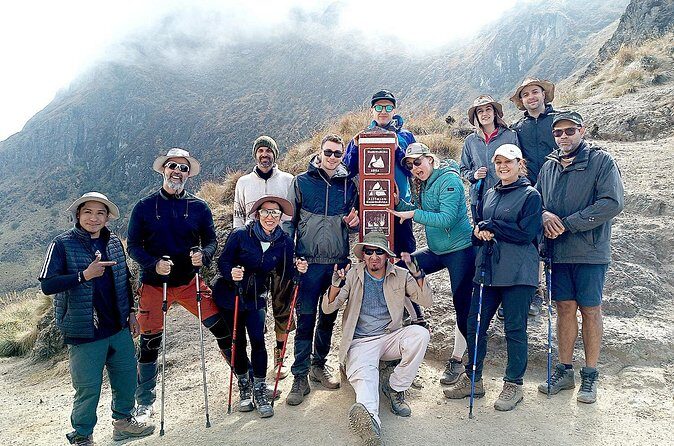
The Inca Trail is famous, but the day-to-day comfort is what keeps it from feeling like punishment. This trip includes camping gear: tents, mats, dining room setup, and bathroom tent infrastructure. That means your biggest decisions are what to wear and how to pace, not how to set up or pack down camp.
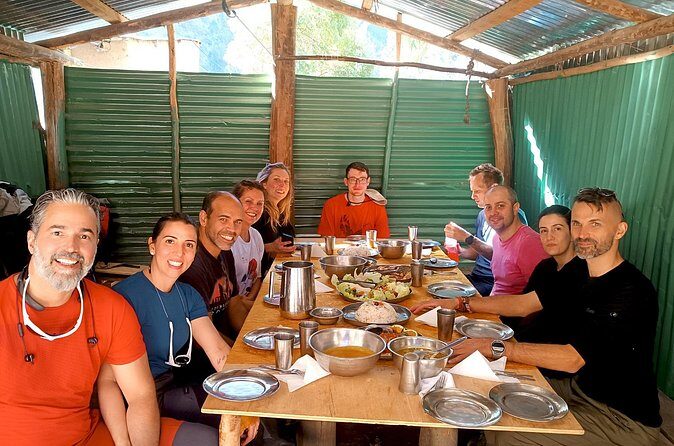
Food is also a standout. Multiple people highlight camp cooking quality, including nights with special touches like cake being baked. There’s also mention of a 30-minute tea time each night, which might sound small until you’re freezing and your body wants warmth and routine.
Porters make a massive difference. The equipment load includes tents, cooking tents, portable bathrooms, cooking equipment, and more. If you’ve ever tried trekking with more gear than your body wants, you’ll appreciate that this trip keeps your pack size realistic while the team handles the bulky work.
Even with that support, you still need minimum physical preparation and appropriate equipment. Reviews point out that the infrastructure helps, but the Andes don’t care about good intentions. Day 2’s cold and altitude are real, so you should dress for it.
Who should do this Inca Trail 4-day trip (and who might not)
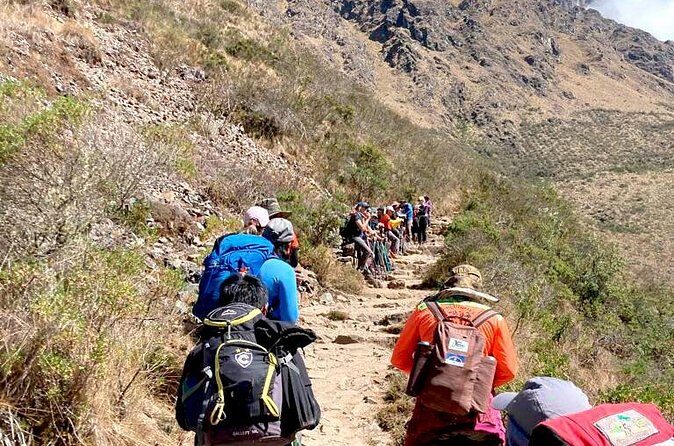
This tour is best for you if:
- You have strong physical fitness and can handle long hikes at altitude
- You want an organized experience with guided context during key archaeological stops
- You like a small-group feel (max 10 travelers) where the guide can keep an eye on the pacing
- You value camp support and consistent meals during a multi-day trek
It’s less ideal if you’re looking for a casual stroll. Expect cold weather, long walking days (including one about 9 hours), and a serious elevation high point on Day 2. Also, because a sleeping bag isn’t included, you’ll need to plan that piece yourself if you want comfortable nights.
Language is listed as Portuguese/Spanish on request, so if you want a specific language, make sure your booking notes reflect that.
Quick practical tips to make Day 1 through 4 smoother
If you want the best chance of enjoying every day, focus on the basics that the itinerary already signals.
- Bring what you need for cold: Day 2 is explicitly described as cold weather, and high passes mean temperature drops fast.
- Don’t forget the sleeping bag: it’s not included, so you’ll need to source it ahead of time.
- Keep documents ready for the Km 82 controls: meeting and registration happen before you really start walking.
- Pace with intention: Day 2 may be “leisurely pace” in theory, but Warmihuañusca is not a casual moment.
- Plan for time on Machu Picchu logistics days: a couple of people mention feeling like you have to move quickly for transport, so avoid extra-slow breaks late in the day.
Should you book this Inca Trail to Machu Picchu 4 Days with Dreamy Tours?
If you want a well-structured way to do the Inca Trail, this is a strong fit. I like the balance here: you’re not paying for chaos and guessing. You get guide-led explanations, full entrance coverage, camp infrastructure, and daily food support, plus oxygen and first aid.
One caution: schedules can feel tight. If you hate running to transport, you’ll want to stay flexible during the Machu Picchu day windows.
Also, this experience is non-refundable and can’t be changed for any reason. If your dates are firm and you’re physically ready, that’s fine. If you’re still juggling health or travel plans, lock things in only when you’re sure.
Overall, this is one of those trips where the hardest days are also the most memorable, and the organization makes sure you can focus on the trail instead of the paperwork and packing.
FAQ
How much does the Inca Trail Machu Picchu 4 Days tour cost?
It costs $905.00 per person.
How long is the tour?
The duration is listed as 4 days (approx.).
Where does the trek start?
The experience starts in Cusco, Peru, then you’ll be transported to the Inca Trail start at Km 82.
What’s included in the price?
Entrance to the Inca Trail and Machu Picchu, transport (Cusco to Km 82, and Ollantaytambo to Cusco), a professional guide (Portuguese/Spanish on request), bus from Machupicchu Villa to the archaeological site, camping equipment, a cook and food (as specified), oxygen and first aid, and return train from Machu Picchu pueblo to Ollantaytambo depending on availability.
What is not included?
A sleeping bag, breakfast on the first day, lunch at Machu Picchu or in Aguas Calientes, and an extra carrier.
What language will the guide speak?
The guide is listed as Portuguese / Spanish, with language on request.
What group size is used?
This tour has a maximum of 10 travelers.
Is oxygen or first aid provided?
Yes. Oxygen and first aid are included.
What kind of Machu Picchu visit do you get on Day 4?
You hike to Inti Punku for the first view and sunrise timing, then you have a guided tour of about two hours. After that, you have free time to explore on your own.
Do I need to have strong physical fitness?
Yes. The tour information says travelers should have strong physical fitness level.