REVIEW · CUSCO
Inca Jungle 4 days 3 nights
Book on Viator →Operated by Salkantay Backpackers Org · Bookable on Viator
You’ll earn every sunrise view in Peru. This 4-day Inca Jungle style trip strings together biking, rafting, and ziplining in between Inca-history hiking—then ends with a guided Machu Picchu morning.
What I like most is the way the trip keeps moving (little dead time), while still giving you real moments in Sacred Valley and the Vilcanota area. I also like that Machu Picchu is handled in a structured way with an English guide and ticket included.
The only real drawback to think about: it’s an early-start, active itinerary. You’re looking at long days, higher-elevation driving, and a moderate fitness requirement—so you’ll want to arrive ready, not stubbornly unprepared.
In This Review
- Key highlights at a glance
- From Cusco to Ollantaytambo: the Sacred Valley warm-up
- What to like
- A consideration
- Abra Malaga and the 30 km downhill bike run
- Why this biking day feels different
- What to watch for
- Rafting after lunch: a reset that still keeps the pace
- Practical mindset
- Day 2 hiking the Inca trail to Quellomayo and Colcamayo hot springs
- Quellomayo lunch: a real village break
- Colcamayo hot springs: why the timing works
- Zipline day plus the Hidroelectrica to Aguas Calientes hike
- The zipline block: four cables and a suspension bridge
- Ride to Hidroelectrica, then hike the rails to Aguas Calientes
- Machu Picchu day: the checkpoint at 5:00 am and your guided tour
- The guided portion (about 2 hours)
- Huayna Picchu is a separate plan
- Guide energy and food: what the best trips get right
- Price and value: is $299 a fair deal?
- The value catch
- Practical tips that will keep you comfortable
- Plan for early starts
- Bring your passport for the checkpoint
- Expect wet and dusty gear days
- Use the small-group size to ask questions
- Who should book this Inca Jungle trip
- Should you book the Inca Jungle 4 days 3 nights?
- FAQ
- What is the cost and duration of the Inca Jungle 4 days 3 nights?
- Where does the tour start, and what time does it begin?
- Is Machu Picchu included?
- Do I need a passport for Machu Picchu?
- What food is included, and what is not included?
- How strenuous is the tour?
- How many people are in the group?
Key highlights at a glance
- Abra Malaga downhill biking (about 30 km): big views, real training, and an Andes-to-Sacred Valley descent pace.
- Original Inca Trail hiking: you follow an ancient route that connects Machu Picchu and Vilcabamba.
- Colcamayo hot springs: a genuine reset day-stop after hiking along the Vilcanota River.
- Four zipline cables plus a suspension bridge: built as a full activity block, not a quick photo-op.
- Machu Picchu guided tour (about 2 hours): then flexible explore time depending on your return choice.
From Cusco to Ollantaytambo: the Sacred Valley warm-up
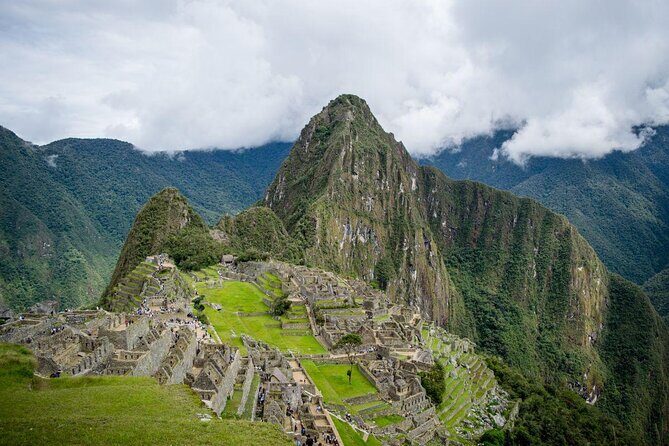
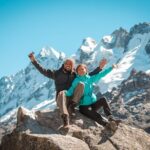
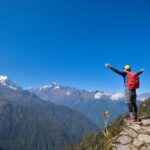
The day starts early—pick-up is around 6:30 am from Cusco, and you’ll be rolling toward the Sacred Valley before most cafés even feel awake. The drive is part of the experience. You pass through towns and rural areas, and the views of the Vilcabamba / Vilcanota mountain range show up again and again as the road climbs and bends.
Ollantaytambo is your first real stop. The focus here is practical: stretch your legs, use the toilet, and get your bearings before the more intense altitude and activity portion of the day. Ollantaytambo is a useful pause because it sets expectations. This isn’t a sit-and-look tour. It’s active, and your body will feel that later—especially once you start moving on bikes and then shift to rafting.
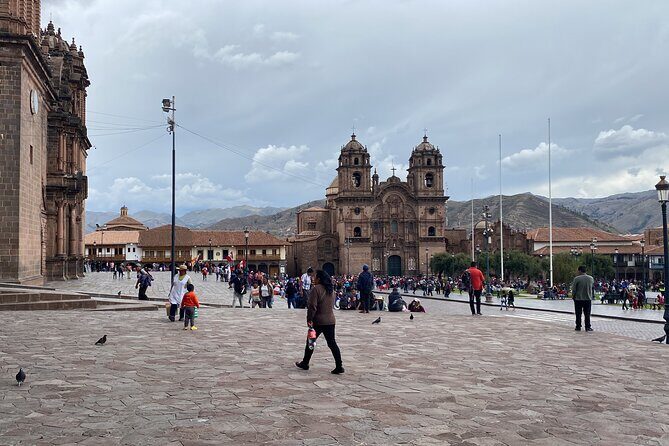
You can also read our reviews of more tours and experiences in Cusco
What to like
- You get a scenic intro without spending hours in a vehicle once you’re actually in motion.
- The itinerary spaces breaks in a way that helps a mixed group stay functional.
A consideration
- If you hate early mornings, this trip will test you. You’re not just waking up early; you’re starting the day early and continuing to move.
Abra Malaga and the 30 km downhill bike run
After Ollantaytambo, the drive continues up to Abra Malaga Pass (about 4,350 m / 14,271 ft). That number matters. Even if you don’t feel dramatic altitude symptoms, you’ll likely notice breathlessness when you step out or get ready. The good news: you’re not expected to hike up there. You’re mostly building to the fun part—downhill biking.
At Abra Malaga, you get the biking gear and a training session. That’s a big deal for first-timers. Downhill biking isn’t “just ride a bike and hope.” The training is what keeps the experience more confidence-based than panic-based.
Then comes the main event: a downhill ride of about 30 km, starting high in the Andes and dropping toward Santa Maria area and beyond (with a downhill continuation toward Huamanmarca village). You’ll see snowy peaks like Veronica from the higher points, and the descent makes the scenery feel closer, not like distant postcards.
Why this biking day feels different
A lot of tours give you one adrenaline moment. This one layers it. You bike down after a high pass, then later you switch modes entirely for rafting. That contrast keeps your brain awake and your trip from feeling repetitive.
What to watch for
- You’re going from high altitude downhill. Even if it’s downhill biking, your legs and core still do work—especially for stability and braking.
- Tight timing means you should take the training seriously. The staff’s goal is a confident ride, not a “send it” gamble.
Rafting after lunch: a reset that still keeps the pace
Once you finish biking and eat lunch, you move into rafting, then sleep in a night hostel. The rafting timing is smart: you’ve already burned energy downhill, and then the water part gives your body a different kind of effort.
Rafting also acts like a mental reset. Hiking days can blend together; biking and rafting bring in different sensations—noise, splashes, teamwork, and quick decision-making—so you feel like you’re doing something new each day rather than repeating the same rhythm.
Practical mindset
Pack your energy like you’re playing a multi-day game. Don’t go maximal on day one. Go focused. You’ll want stamina for the longer hike to hot springs tomorrow.
Day 2 hiking the Inca trail to Quellomayo and Colcamayo hot springs
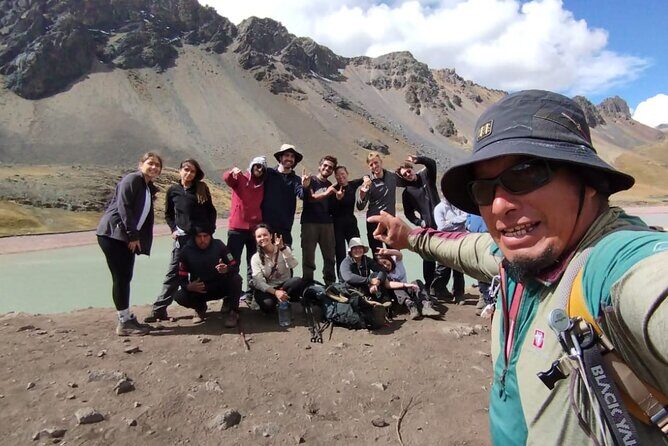
This is the day that turns the trip from adrenaline into story and place.
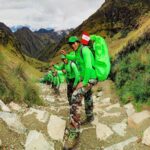
Breakfast is around 6:00 am, and then you start hiking with about 45 minutes along a road route before you get onto the original Inca trail. The wording might sound like marketing, but the itinerary’s big point is that this isn’t just any path—it’s the older route historically tied to connecting Machu Picchu with Vilcabamba, the last Inca capital area.
The hiking block is about 3 hours, with views into the Vilcanota valley and lots of plantation variety. You’ll pass banana, coca, yucca, and coffee among other cultivated areas. That mix is a clue about why this place matters: the region isn’t just dramatic scenery; it’s lived-in agriculture in a steep climate.
Quellomayo lunch: a real village break
After that first hike segment, you reach Quellomayo village for lunch at a local restaurant. This is where the tour slows down just enough to help you recover—plus it gives you a break from trail steps and back-and-forth photo stops.
Then the pace picks up again: another 3 hours hiking along the Vilcanota River. You’re moving through river valley terrain, and the sound and shade from the water corridor can make the hike feel less grinding than it might on open slopes.
Colcamayo hot springs: why the timing works
You end at Colcamayo hot springs, an outdoor hot spring setup designed for relaxing after the hike. It’s not a luxury spa fantasy; it’s practical recovery. Your muscles will thank you, and the warm water gives your trip an earned feeling, not just a stop on the schedule.
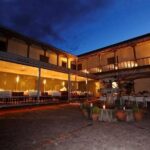
You sleep at a hostel in Santa Teresa.
Zipline day plus the Hidroelectrica to Aguas Calientes hike
Morning starts again around 6:30 am, breakfast first, then the big zipline pickup is around 8:00 am.
The zipline block: four cables and a suspension bridge
The zipline experience takes about 2 hours and includes 04 different cables and a suspension bridge. This is the kind of structure that works well for first-timers: you know it’s not going to be random, and you’ll get a full activity session rather than a short taste.
The suspension bridge also adds a different challenge. It’s not fast adrenaline like a cable launch; it’s controlled movement over height, and that can feel intense in a totally different way.
Ride to Hidroelectrica, then hike the rails to Aguas Calientes
After the zipline, you take a car for about 1 hour to Hidroelectrica for lunch. Then you hike for about 3 hours to Aguas Calientes, walking along the train rails.
That rails-walk part is important. It turns the day into a long, steady grind instead of a burst of activity. If you’ve been doing fine with previous hikes, you’ll likely handle this. If your knees are already sore, you’ll want to move carefully and keep your steps consistent.
You reach Aguas Calientes, check into your hotel, then have dinner around 7:00 pm before heading to sleep early.
Machu Picchu day: the checkpoint at 5:00 am and your guided tour
Day 4 is where you feel the emotional payoff—because you’re going to wake up extremely early.
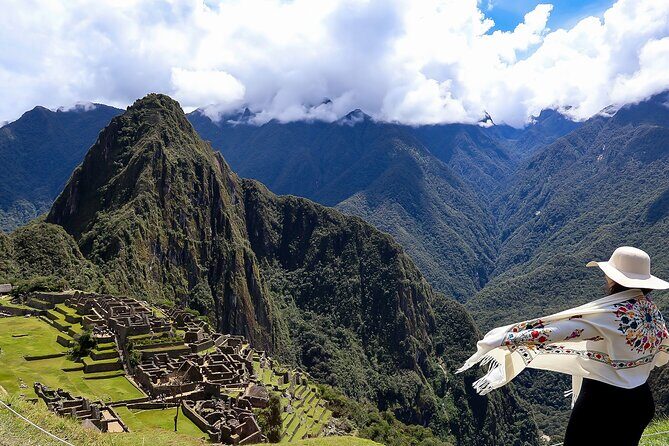
You’ll be up around 4:00 am to get ready for the hike to the Machu Picchu main entrance. Your first portion is about 30 minutes to Puente Ruinas checkpoint, which opens at 5:00 am. At the checkpoint, you show your passport and your Machu Picchu tickets.
Then it’s about 1 hour uphill to the main gate. The goal is to arrive around 6:00 am, when the morning energy is still taking shape.
The guided portion (about 2 hours)
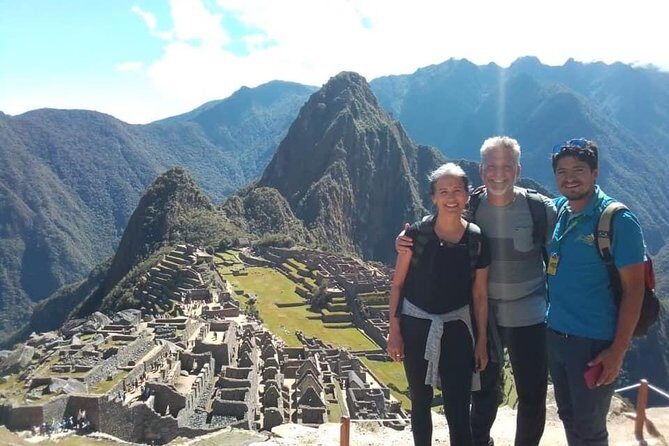
Once everyone meets at the gate, you get a guided tour of Machu Picchu for about 2 hours. This is the section where a guide really matters. You’ll learn about the Lost City of the Incas and how to read the site beyond “big views and stone walls.”
After the guided tour, you get free time to explore on your own. How long you can stay depends on how you return to Cusco.
Huayna Picchu is a separate plan
You can choose to climb Huayna Picchu or Machu Picchu, but the itinerary notes you must book in advance. That’s a key planning item. If you want one of those add-on climbs, don’t treat it like a casual decision the night before.
Return to Cusco is by train or minivan, depending on your situation and choices.
Guide energy and food: what the best trips get right
Even when the itinerary is packed, the trip lives or dies by people—especially in a small-group format. This tour caps at 10 travelers, which tends to make communication easier and group pacing more flexible.
From feedback for this operator, standout guide names pop up: Belizario, often called Beli, gets repeated praise for being funny, informative, enthusiastic, and attentive. Another name that shows up is Cesar, credited with creating a more reflective, spiritual-feeling experience around nature. And on the food side, a cook named Vicente is repeatedly mentioned for keeping people well fed with what sounds like varied, abundant meals.
You shouldn’t assume any one guide will be assigned to you, but you can use these names as a hint: the operator seems to care about both explanation and meals. Since the package includes breakfasts, lunches, and dinners (with first breakfast not included), the quality of food matters more than you’d think on a high-effort itinerary.
Price and value: is $299 a fair deal?
At $299 per person, the big value is that you’re not just paying for walking. You’re paying for a package that includes:
- Your Machu Picchu ticket
- An English guide
- Private transport for all participants at the start of the tour
- Meals: 3 breakfasts, 3 lunches, and 3 dinners
- The way back from the Hidroelectrica area (with a minivan option noted, and you can ask for train)
That’s why this price can make sense. Many “adventure to Machu Picchu” trips either add tickets and meals as extras or make you coordinate too many pieces yourself. Here, a lot of the hard-to-manage parts are bundled.
The value catch
You still need to handle anything not included, like the first breakfast ($6) and any tips. Also, the Machu Picchu experience involves early hours and physical effort, so the price is best when you actually want the active format—not when you want a comfortable sightseeing pace.
Practical tips that will keep you comfortable
Here are the real-world things you can control based on how the days are structured:
Plan for early starts
Day 4 starts around 4:00 am, and you also have morning activity setups on days 2 and 3. If you’re the type who needs a slow ramp-up, build that habit now in Cusco—sleep early, and don’t turn your pre-trip dinner into a late-night marathon.
Bring your passport for the checkpoint
Machu Picchu has a checkpoint where you show your passport along with your tickets. Don’t leave it buried in a bag you won’t access.
Expect wet and dusty gear days
You have biking and rafting and then multiple hike segments. Even if the tour provides equipment for biking, you’ll likely end up with gear that needs rinsing and drying. Your best bet is packing like this is an active trip, not a “nice clothes only” weekend.
Use the small-group size to ask questions
With a maximum of 10 travelers, it’s easier to ask how pacing will work and what to do at transitions (checkpoints, meals, and timing). If anything feels unclear, ask in the moment.
Who should book this Inca Jungle trip
This trip fits you well if you want:
- A mix of adventure activities (bike, rafting, zipline) plus hiking
- A guided Machu Picchu morning with enough time afterward to explore
- A small group feel with a maximum of 10 people
- A plan that includes meals so you’re not hunting food all day
It may not fit if you:
- Struggle with long uphill days and early starts
- Want a relaxed, low-effort schedule
- Don’t like needing to follow a strict time flow for checkpoints
Should you book the Inca Jungle 4 days 3 nights?
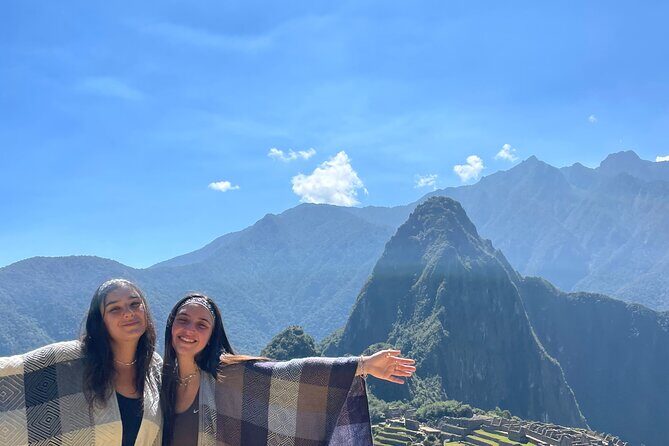
If you want a Machu Picchu trip that feels like Peru beyond one photo point, I’d book this. The value is strong because Machu Picchu ticket + meals + guide + transport are wrapped into the package. And the sequence makes sense: adrenaline day one, Inca trail and hot springs day two, zipline plus the rails trek day three, then Machu Picchu with a guide day four.
The decision comes down to one question: can you handle early mornings and an active itinerary with moderate fitness? If yes, this is a very efficient way to get multiple “wow” moments—without turning your days into a logistics puzzle.
FAQ
What is the cost and duration of the Inca Jungle 4 days 3 nights?
The tour costs $299 per person and runs for about 4 days (3 nights).
Where does the tour start, and what time does it begin?
The meeting point is Plaza de Armas de Cusco (Del Medio 123, Cusco 08000, Peru). The listed start time is 4:00 am.
Is Machu Picchu included?
Yes. The tour includes your Machu Picchu ticket, and you also get a guided tour once you enter the site.
Do I need a passport for Machu Picchu?
Yes. At the Puente Ruinas checkpoint (open at 5:00 am), you must show your passport and your Machu Picchu tickets.
What food is included, and what is not included?
The package includes 3 breakfasts, 3 lunches, and 3 dinners. First breakfast is not included and is listed at $6 per person.
How strenuous is the tour?
The tour is recommended for travelers with moderate physical fitness. You’ll do multiple hiking days plus biking and ziplining.
How many people are in the group?
This experience has a maximum of 10 travelers.