REVIEW · CUSCO
Sacred valley MorayMaras Chinchero Ollantaytambo pisaq 1 day
Book on GetYourGuide →Operated by tour machupicchu best E.i.r.l · Bookable on GetYourGuide
One day in the Sacred Valley feels packed. You’ll move through five big stops tied together by Inca stonework, salt-mining know-how, and panoramic valley views, all in a 12-hour loop built for efficiency.
I especially like the mix of Inca and colonial-era culture at Chinchero, plus the way the day uses bilingual guidance to connect what you’re seeing to how it was used. Even if you’re not an Inca nerd, the explanations help it click fast.
The main thing to watch is timing and extras: it’s a long day, and entrance tickets aren’t included (bring 80 soles cash), so add that to your budget and plan for a smooth cash stop.
In This Review
- Key highlights you’ll actually feel
- Why this Sacred Valley loop works in one day
- Morning start in Cusco: pickup, drive, and the 7:00 am rhythm
- Chinchero (1 hour): colonial architecture, craft fair energy, and Inca roots
- Moray (40 minutes): circular terraces that actually explain themselves
- Maras Salt Mines (40 minutes): simple handwork and a viewpoint you’ll remember
- Urubamba buffet lunch (1 hour): good fuel, but manage expectations
- Ollantaytambo (guided tour 1.5 hours): Inca stone you can read with your eyes
- Pisac archaeological park and craft market (guided 1 hour): a smart end to the route
- Price and logistics: what you’re paying for, and what can trip you up
- What to bring (so the day feels manageable)
- Who this tour is best for
- Booking with confidence: should you pick this one?
- FAQ
- FAQ
- What is the duration of the Sacred Valley Moray Maras Chinchero Ollantaytambo Pisac tour?
- Where does the tour start and end?
- What stops are included in the itinerary?
- Is lunch included?
- Are entrance tickets included?
- Do I need to pay for transport?
- What language will the guide speak?
- What time does the tour begin?
- What should I bring with me?
- Is there free cancellation?
Key highlights you’ll actually feel
- A 12-hour Sacred Valley circuit that hits Chinchero, Moray, Maras, Urubamba, Ollantaytambo, and Pisac
- Moray’s circular terraces, an easy-to-understand glimpse of experimental agriculture
- Maras salt mines by hand, where you see the process in motion and get strong viewpoint moments
- Urubamba buffet lunch built into the route so you don’t have to hunt food
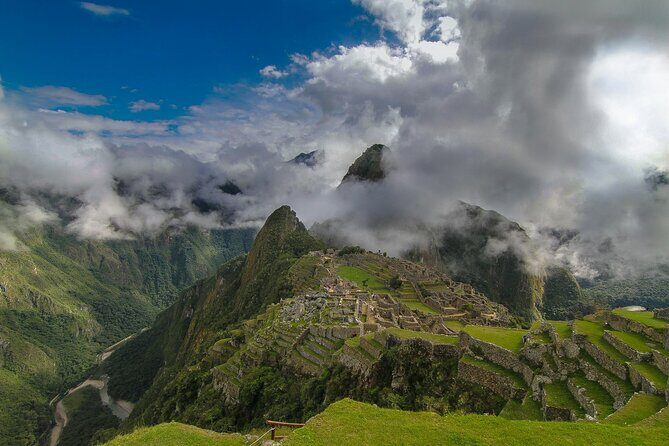
- Ollantaytambo’s Inca architecture plus Pisac’s archaeological park and craft market for a full close to the day
- Hotel pickup plus tourist transport, with a guide who can explain in both English and Spanish
Why this Sacred Valley loop works in one day
This tour is basically a greatest-hits route for the Sacred Valley. In one day, you’re guided through multiple sites that would take you much longer to stitch together on your own—especially if you don’t want to spend your time figuring out buses, schedules, and where to park.
What makes it work is the structure. You start early (7:00 am), knock out three core stops in the morning—Chinchero, Moray, and Maras—then settle into lunch in Urubamba. After that, you finish with the heavier history and the more “wanderable” vibe of Ollantaytambo and Pisac. It’s paced so you’re not sprinting nonstop, but you should still expect walking and stairs at multiple points.
The value question is simple: you’re paying for transport, a professional bilingual guide, and a lunch stop. You’re not paying for everything on the door. Entrance tickets are extra, and they’re not a small surprise. If you budget correctly (80 soles cash for those sites), the rest feels like a fair deal for a full-day circuit.
You can also read our reviews of more tours and experiences in Cusco



Morning start in Cusco: pickup, drive, and the 7:00 am rhythm
Your day begins with pickup from your hotel or Airbnb in Cusco. The plan is to get rolling at 7:00 am, then transfer by bus/coach—about 40 minutes at each main jump between stops.
That early start matters for two reasons. First, it helps you fit all five regions without the tour turning into a scramble. Second, it usually makes the light better for the viewpoints you’ll want at places like Moray and Maras. You don’t need to be an early riser hero—you just need to be ready.
A practical tip: the tour asks you to coordinate using WhatsApp by adding your number. That’s there for a reason. One traveler described a frustrating mix-up where the pickup timing didn’t match what the voucher showed, and the group waited a long time. You can’t control every operational hiccup, but you can reduce your risk by confirming your pickup details the night before and keeping your phone handy in the morning.
Chinchero (1 hour): colonial architecture, craft fair energy, and Inca roots
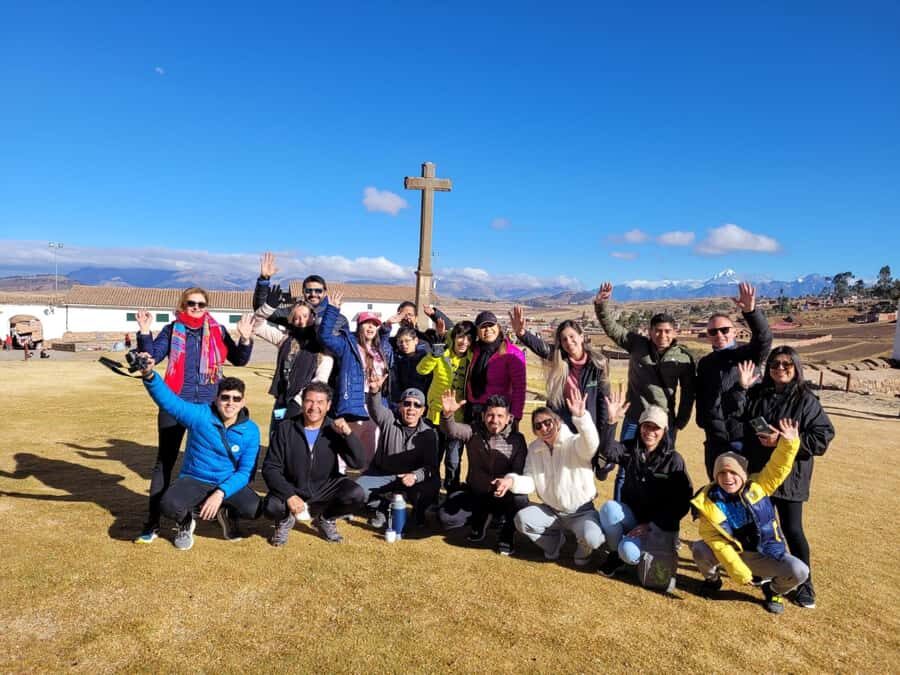
Chinchero is the kind of stop that rewards slow looking. You get about one hour here, which is a good amount of time to do two things: learn what makes the place culturally important and also enjoy the everyday texture of the area.
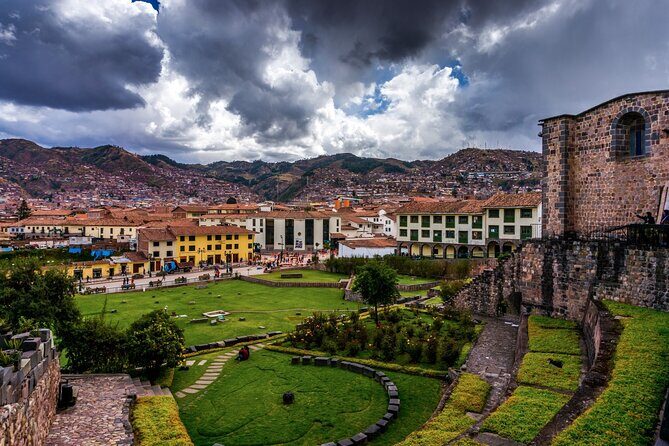
In Chinchero, you’ll focus on the intersection of eras. You can appreciate the beautiful colonial architecture while also learning about the history and culture of the district. Then there’s the craft fair element—this is where the experience becomes more than ruins on a map. If you like seeing local work up close, you’ll enjoy how much is happening right in front of you.
What to watch for: Chinchero can feel busy, and markets are not always the best place to compare prices if you’re in a hurry. With only about an hour, think of it as a browse-and-buy window, not a deep shopping mission. If you’re picky, take a quick lap first, then decide.
Also, if you’re sensitive to sun, protect yourself early. Sunscreen is listed as a bring item for a reason, and your morning stops are more exposed than you might expect.
Moray (40 minutes): circular terraces that actually explain themselves
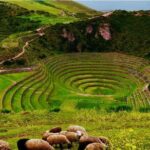
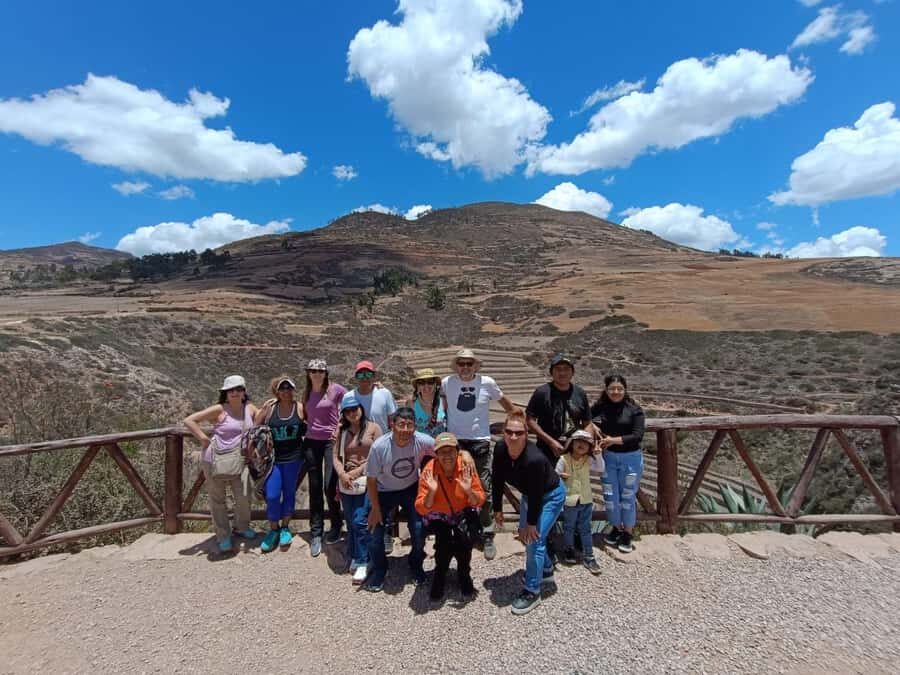
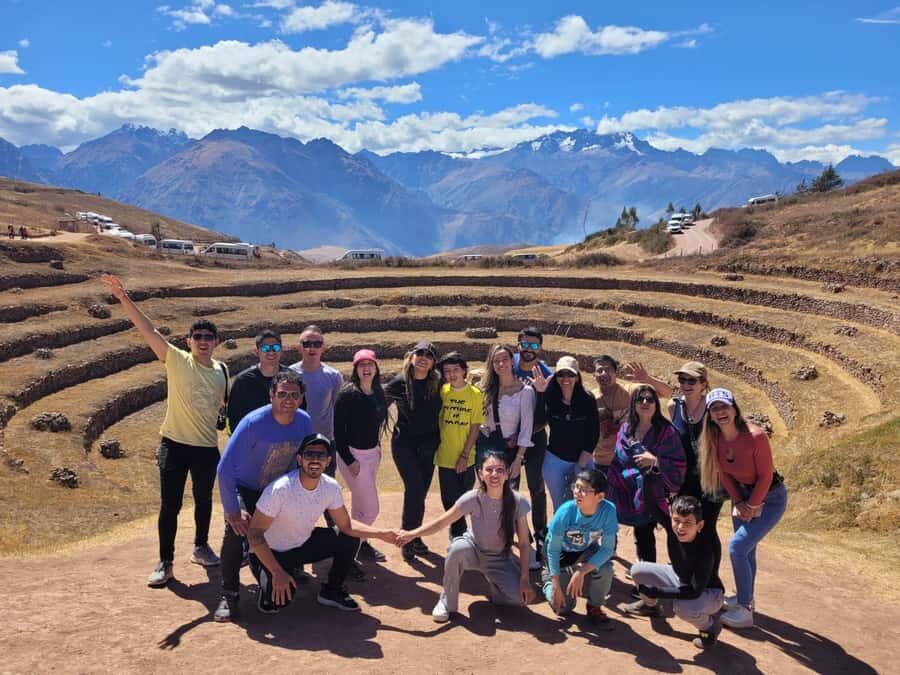
Moray is one of those sites where the visuals help you understand the concept. You get about 40 minutes here, enough time to see the impressive circular terraces and hear the story of how the Incas used them as an agriculture experimentation center.
The terraces are visually striking, but the best part is how the explanation connects form to function. You’re looking at structured land shapes meant for testing growing conditions—so even if you don’t know much about Andean farming, you can grasp why circular design might matter for microclimates.
Is 40 minutes rushed? It can be if you want photos nonstop, but for most people it’s the right time. You’ll see the main view, listen to the guide, and then have time for a few good pictures without feeling like you’re waiting around.
The practical drawback: Moray also means more daylight and open spaces. If you’re prone to getting cold late in the day, you’ll still likely start warm and then feel the temperature shift as your day goes on.
Maras Salt Mines (40 minutes): simple handwork and a viewpoint you’ll remember
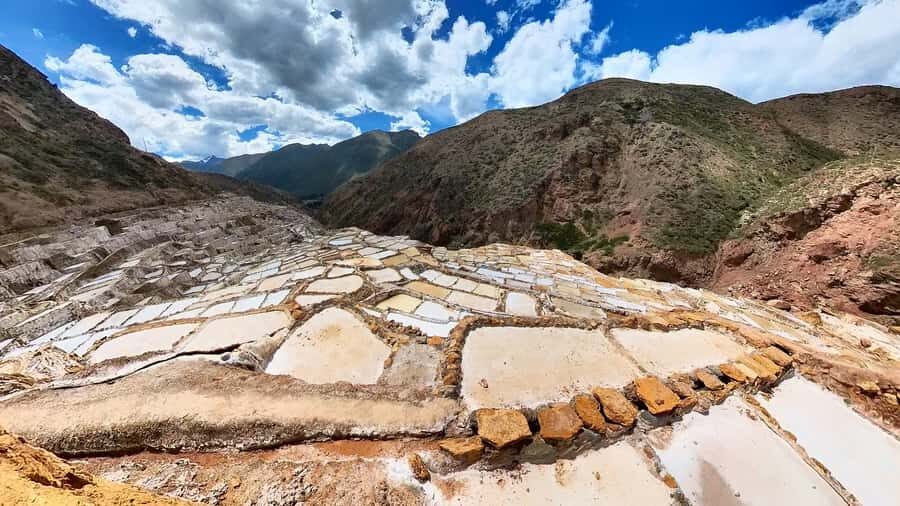
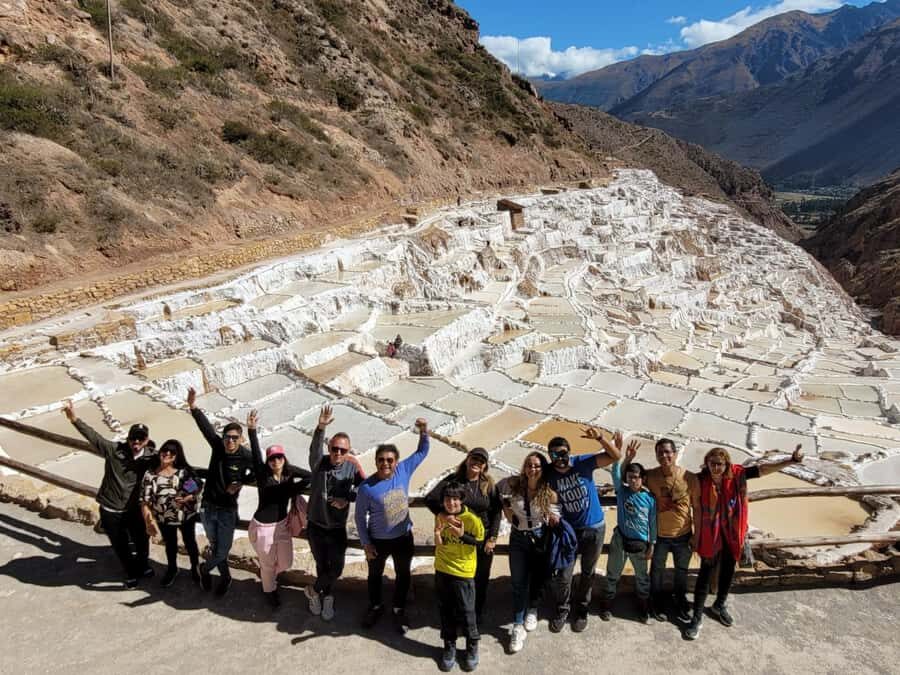
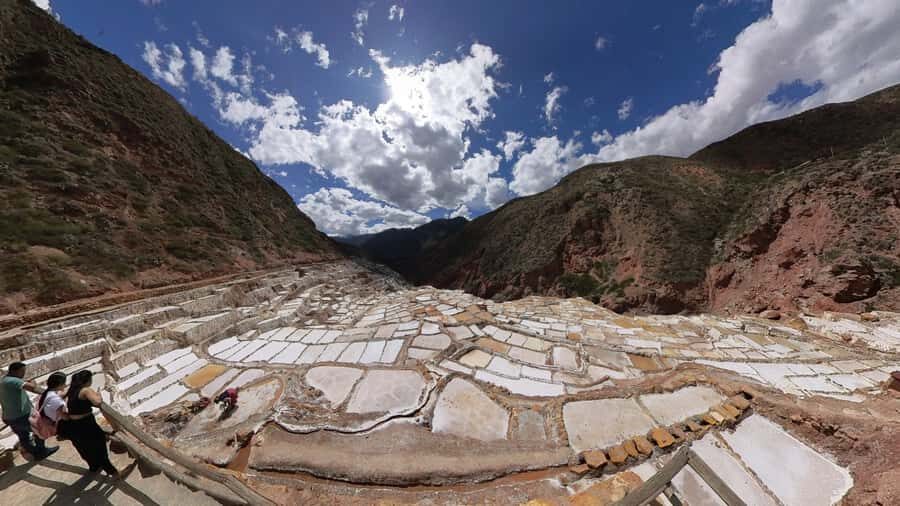
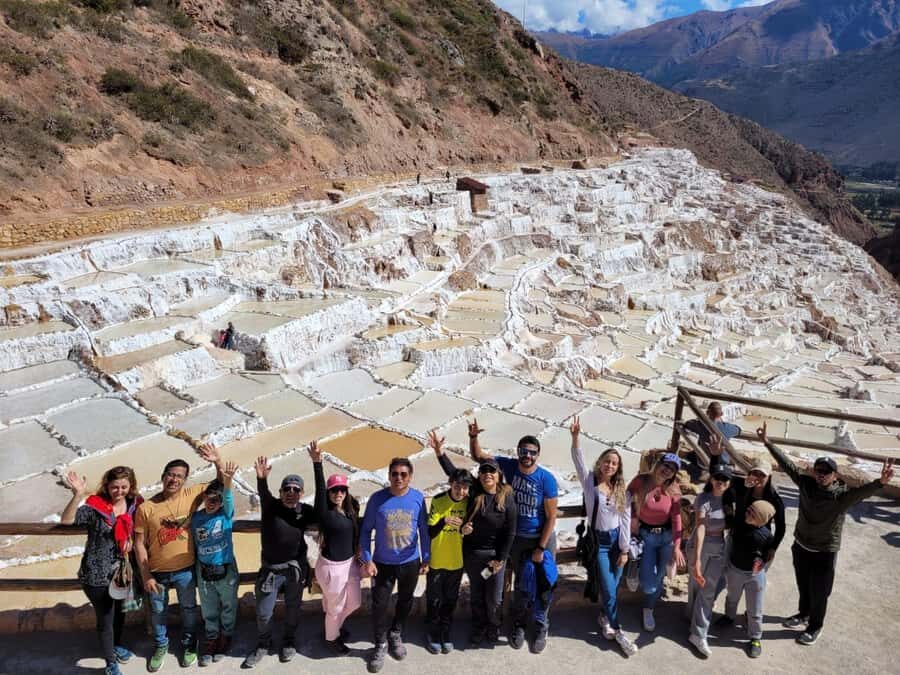
After Moray, the day sends you to the salt mines of Maras for about 40 minutes. This is a hands-on kind of spectacle: you can see how salt is extracted and processed by hand. It’s not a museum process you’re watching behind glass. It’s active work, built into the site’s logic.
And yes, the view is a big part of why people come. The salt pans create a patterned grid across the hillside, and it turns the area into a living geometry lesson. Even if you’re not obsessed with salt, you can still appreciate the engineering and the human scale of the work.
A consideration: salt-mines visits can be slippery or uneven depending on conditions, and you’ll be walking on uneven ground. Wear shoes you trust. If your walking pace depends on stable footing, prioritize comfortable, grippy footwear over stylish.





Urubamba buffet lunch (1 hour): good fuel, but manage expectations
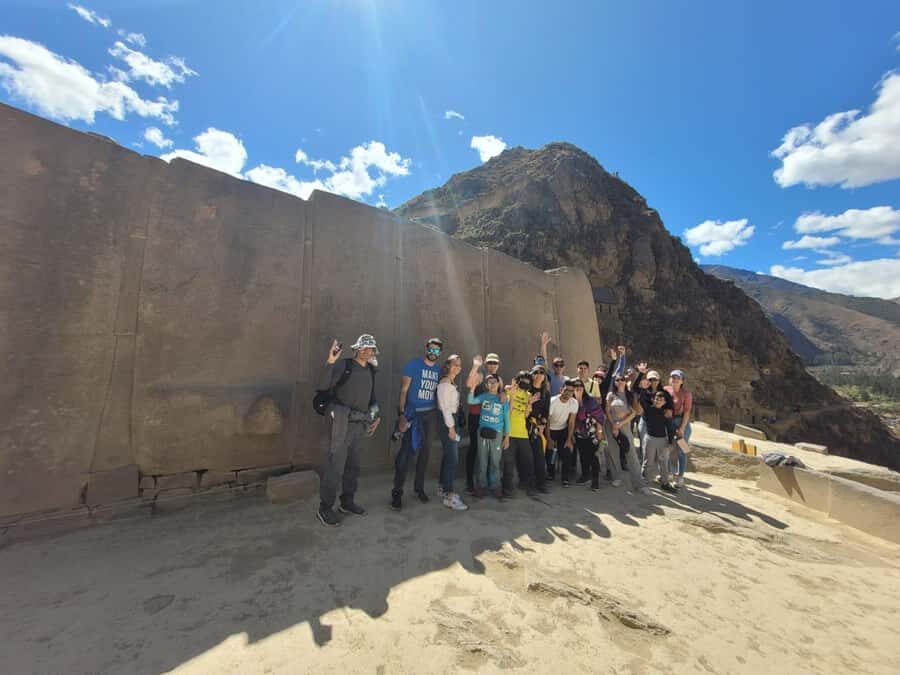
Once your morning circuit is done, you’ll get a delicious buffet lunch in Urubamba with about one hour for eating and resetting.
Buffet quality is always the wild card on day tours. In practice, this one tends to land well for many people because you get variety and enough quantity to keep you going for the rest of the day. Still, one traveler found it the weakest part of the whole experience. So my honest take is: plan to eat well, but don’t treat lunch like a top-tier fine-dining stop. Think of it as dependable fuel for more walking and sightseeing.
If you have dietary needs, you’ll want to be mindful. The only firm information here is buffet lunch, so don’t assume specific menus.
Ollantaytambo (guided tour 1.5 hours): Inca stone you can read with your eyes
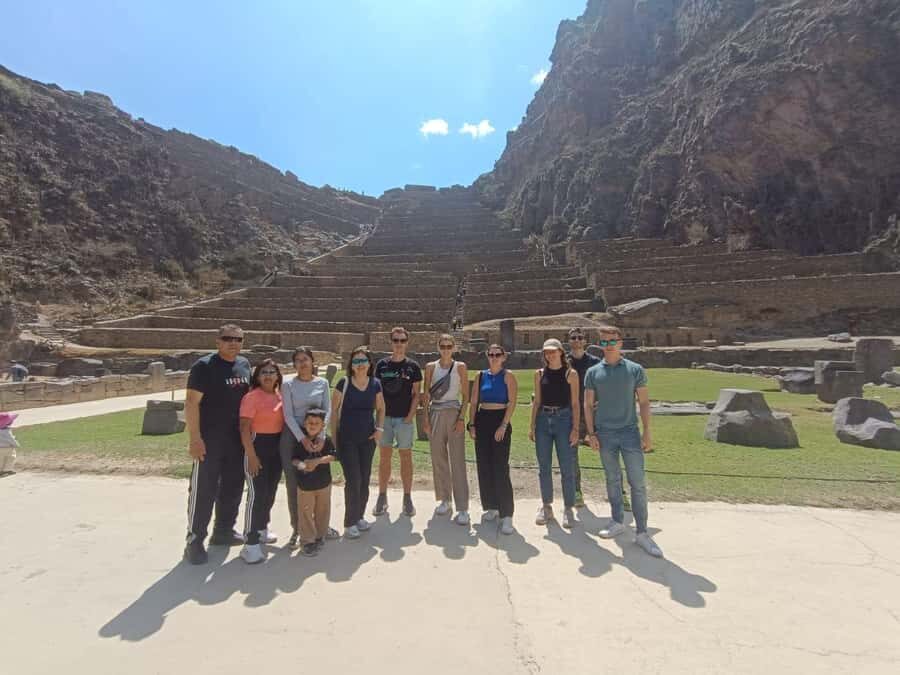
Ollantaytambo is one of the best uses of your afternoon time. You’ll get about 1.5 hours here with a guided tour focused on the impressive Inca architecture and the history behind the place.
This is where the Sacred Valley starts to feel less like a list and more like a lived-in landscape of architecture. You’re not just looking at ruins—you’re looking at massive stonework designed to handle real life. Even if you only catch parts of the explanation, you’ll understand why this place matters: the way walls, terraces, and building shapes fit together makes it hard to reduce into a simple “photo stop.”
What I like about this timing: it’s long enough for you to slow down. With 1.5 hours, you can take a couple of anchor photos and still have time to follow along with the guide’s story.
One pacing thought: after Moray and Maras, your legs might be tired. Ollantaytambo gives you time to catch your breath and still enjoy it fully.
Pisac archaeological park and craft market (guided 1 hour): a smart end to the route
Your final guided stop is Pisac Archaeological Park for about one hour. From there, you’ll also get time to explore the local craft market.
This is a smart pairing because Pisac gives you two kinds of satisfaction. The archaeological portion scratches the history itch. The craft market gives you the everyday side—things you can browse, compare, and potentially take home.
In terms of what to expect at the end of a long day: your attention may dip a bit if you’ve been sightseeing hard since morning. Treat Pisac like a closure act. Don’t try to do everything at 100%. Pick what you care about—either the ruins or the market—and let the other be a bonus.
Also, if you’re planning to buy crafts, keep an eye on your remaining energy. Day tours move fast by design, and you don’t want to lose the market moment because you’re rushing for the bus.
Price and logistics: what you’re paying for, and what can trip you up
At around $29 per person for a 12-hour day with hotel pickup, tourist transport, a professional bilingual guide, and lunch, the price can look like great value. The big reason is that you’re buying time-savings and guidance, not just transport.
But read the fine print your way, not theirs. Entrance tickets to the archaeological centers are not included, and you’re told to bring 80 soles in cash. That means your spending isn’t exactly $29 total—so plan to carry cash and budget that amount.
Here’s the other logistic reality: this tour is run on a schedule with multiple stops and multiple transfers. When one group’s timing coordination fails, the whole experience can feel off. One traveler described a pickup delay and a mismatch between expected tour details. You can’t prevent every operational issue, but you can avoid your personal part of the problem by:
- Keeping your WhatsApp number updated for pickup coordination
- Confirming your pickup location and time the night before
- Being ready to leave right when the day starts
If you hate stress, this tour is still worth considering—but only if you’re organized about the first 30 minutes.
What to bring (so the day feels manageable)
This tour specifically calls out sunscreen. I’d add practical clothing logic based on the kind of sightseeing involved: sun exposure is common at these open sites, and your day stretches from morning into early evening.
A good “do-no-harm” pack for this route usually includes:
- Sunscreen (non-negotiable here)
- Sunglasses and a hat if you tolerate bright sun
- Comfortable walking shoes for uneven ground at multiple stops
- A light layer for temperature changes as the day progresses
- Cash for 80 soles entrance tickets
If you’re prone to motion sickness on mountain roads, you might also want a plan for that, since you’ll be on a bus/coach for transfers throughout the day.
Who this tour is best for
This Sacred Valley route fits well if you want a structured day with minimal planning. If you’re short on time in Cusco, it’s one of the more efficient ways to see key Inca-related highlights without renting or driving your own transport.
It’s also a good pick if you like context. The stops are connected by explanations—from agricultural experimentation at Moray to the salt-mining process at Maras, then onward to Inca architecture and a final mix of ruins and crafts at Pisac.
You might want to think twice if:
- You dislike long days. This is a 12-hour experience with many transitions.
- You’re only willing to pay if everything is fully included. Entrance fees are extra.
- You can’t handle schedule uncertainty even with pickup coordination.
Booking with confidence: should you pick this one?
If your goal is to see Chinchero, Moray, Maras, Ollantaytambo, and Pisac in a single day, this tour makes a strong case. The route is built for flow: morning classics, a lunch break in Urubamba, then more Inca and a market finish.
I’d book it if you:
- Want a guided day with bilingual support (Spanish and English)
- Are okay bringing 80 soles cash for entrance tickets
- Like panoramic viewpoints and don’t mind walking through busy places
I’d pause and double-check before booking if you:
- Need a fully fixed pickup without any chance of day-of confusion. One past group had a major waiting issue, which can happen when meeting-time coordination goes wrong.
- Are highly sensitive to lunch quality. The buffet is included, but the experience isn’t judged the same by everyone.
FAQ
FAQ
What is the duration of the Sacred Valley Moray Maras Chinchero Ollantaytambo Pisac tour?
The tour runs for about 12 hours.
Where does the tour start and end?
It includes pickup from your hotel or Airbnb in Cusco and finishes at Plaza Kusipata.
What stops are included in the itinerary?
The day includes Chinchero, Moray, Maras Salt Mines, lunch in Urubamba, Ollantaytambo, and Pisac Archaeological Park (plus time at the local craft market).
Is lunch included?
Yes. Lunch is a buffet in Urubamba and is included in the price.
Are entrance tickets included?
No. Entrance tickets to the archaeological centers are not included, and you should bring 80 soles in cash.
Do I need to pay for transport?
No. Tourist transport is included, along with hotel pickup.
What language will the guide speak?
The guide is bilingual, with Spanish and English.
What time does the tour begin?
The day starts at 7:00 am.
What should I bring with me?
Sunscreen is specifically recommended, and you should also bring cash (80 soles) for entrance tickets.
Is there free cancellation?
Yes. Free cancellation is available up to 24 hours in advance for a full refund.