REVIEW · CUSCO
FULL DAY SACRED VALLEY TOUR (Just for your family)
Book on Viator →Operated by LIBERTREK PERU TRAVEL · Bookable on Viator
Early mornings make the Sacred Valley click.
This private full-day route strings together Inca sites and later colonial layers, with time to pause at Chinchero, Moray, the Salt Mines of Maras, and the markets at Pisac. I like that your day is run end-to-end by a guide and driver, and you’re not stuck figuring out logistics between stops. I also like the English guidance, since it makes the layers of the valley feel clear instead of like random ruins. One thing to plan for: the tour price doesn’t include most site tickets, plus lunch, so your total day cost will be higher once you budget those add-ons.
You start at 07:00 AM, and you’ll be back in Cusco around 7 pm (though timing can be quicker depending on how the day flows). The itinerary is carefully built so you’re not just driving past places—you get a set window at each stop, including about 1 hour each at Chinchero, Moray, Ollantaytambo, and Pisac. The Salt Mines are shorter (about 40 minutes), which is smart if you’re there for photos and a first look without exhausting yourself.
In This Review
- Key Highlights You’ll Feel in Your Day
- A 07:00 AM Private Sacred Valley Day From Cusco
- Chinchero: Colonial Church Built Over an Inca Temple
- Moray and the Maras Area: Terraces Used for Agricultural Experimentation
- Maras Salt Mines: About 2,000 Wells With Inca Roots
- Urubamba Weavers Route and Lunch: A Real Midday Break
- Ollantaytambo Fortress: A Tambo and a City Still In Use
- Pisac Market and Archaeological Terraces: Crafts Plus a Mountain-Back Setting
- Price and Value: What You Pay for the Private Day
- Practical Tips That Make This Day Easier
- Who This Private Sacred Valley Tour Fits Best
- Should You Book This Sacred Valley Tour?
- FAQ
- FAQ
- How long is the Sacred Valley tour?
- What time does the tour start?
- Is hotel pickup included?
- Is this tour private?
- What language is the tour offered in?
- Are entrance tickets included?
- Is lunch included?
- Which stops are included on the route?
Key Highlights You’ll Feel in Your Day
- A full Sacred Valley arc, not a scattered day: Chinchero → Moray → Maras salt wells → Urubamba → Ollantaytambo → Pisac.
- English-language guiding for the important context: you’ll understand what you’re looking at at each stop.
- Comfort and group size made practical: private for just your family, with vehicle space for real luggage.
- Hands-on culture at Chinchero: textile traditions using Andean materials and alpaca wool.
- Two famous “wow” sites back-to-back: Moray terraces, then the Salt Mines of Maras.
- Market time that doesn’t feel rushed: Pisac crafts plus the archaeological terraces in the same stop.
A 07:00 AM Private Sacred Valley Day From Cusco
This tour is set up like a proper day trip: pickup starts at 07:00 AM and you’re out for 10 to 12 hours total. That early start matters in the Sacred Valley. It gives you daylight for photos, and it helps you avoid turning the day into one long scramble between sites.
Because it’s private, the pacing feels more human. You can take a slower walk when the altitude and stairs start to get your attention, and you’re not trapped waiting on a large group. You’ll also travel with the same guide and transportation all day, which keeps the story consistent from stop to stop.
The “around 7 pm” return to Cusco is the right expectation to hold in your head. In one real example, a family group was dropped back closer to 4:30 pm, which suggests timing can improve when everything runs smoothly. Either way, plan an easy evening after you get back—your feet will remember the terraces.
You can also read our reviews of more tours and experiences in Cusco
Chinchero: Colonial Church Built Over an Inca Temple
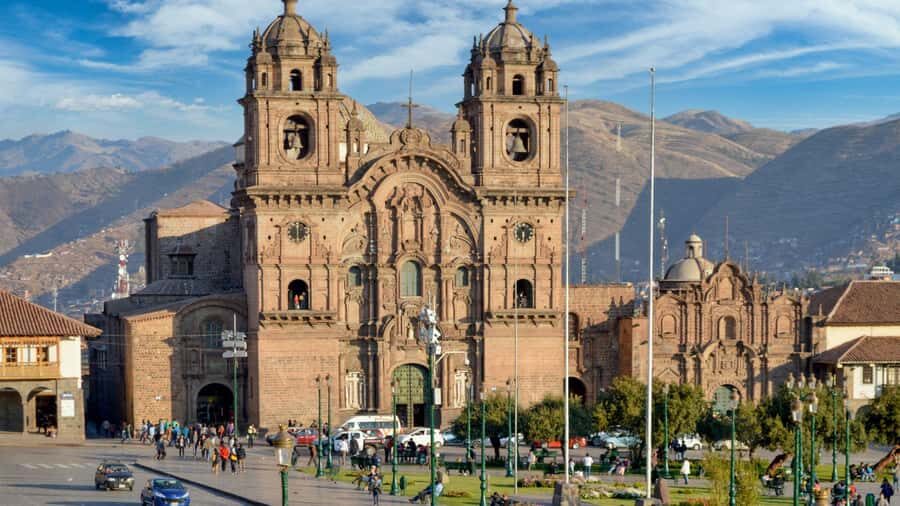
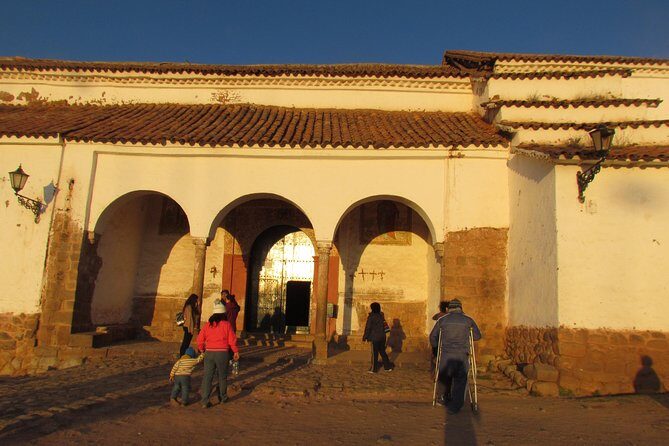
Chinchero is where the Sacred Valley starts feeling like a layered living museum. First you visit an archaeological site that was originally an Inca temple, and later a Catholic temple was built on top of it. That single detail helps you understand why places here feel different from standard “ruins-only” tourism.
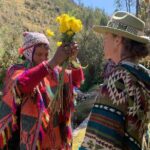
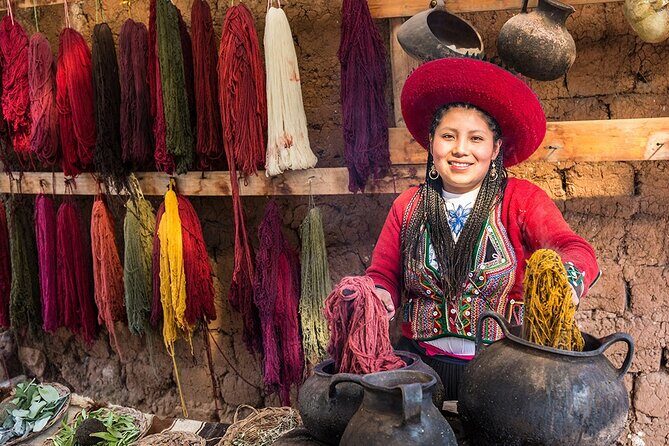
After that, you get into the town side of Chinchero. This is where the visit becomes more than monuments. You’ll have a demonstration of Inka textiles, using Andean materials and alpaca wool, and you’ll see the traditions the local people still practice.
Why it’s worth your time: textiles in this region are not just craft. They’re identity, knowledge, and technique passed through generations. Watching the process makes the valley’s history feel personal, especially for families who learn faster by seeing how people live and make things.
What to watch out for: Chinchero includes about 1 hour, and the textile demonstration is part of that window. If you’re the type who wants to linger at every photo angle, you may feel slightly time-pressed. I’d still pick Chinchero—just go in with the mindset of short, focused moments.
Moray and the Maras Area: Terraces Used for Agricultural Experimentation
After Chinchero, you head through towns and scenic stretches of the area around Maras. It’s not about speed here. The route is designed so you see the “in-between” places that help you picture how people actually move through the valley.
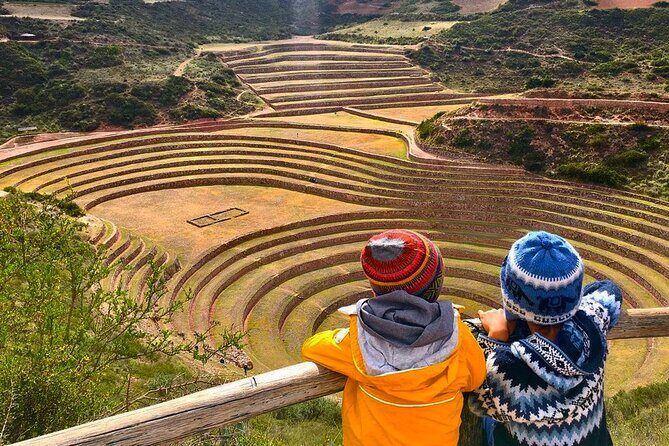
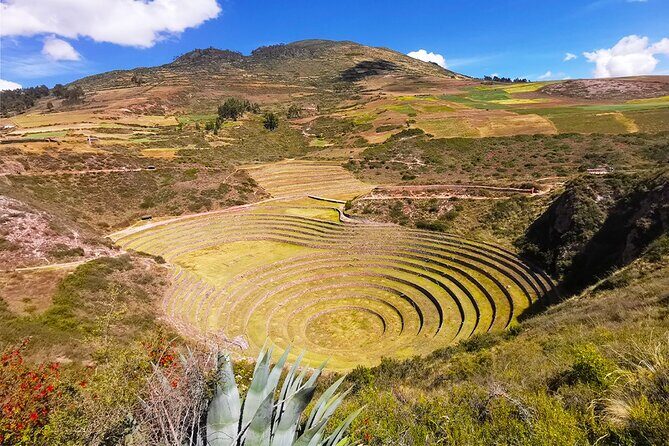
Then comes Moray, and it’s one of those sites that looks strange at first—natural gigantic holes with terrace platforms built into them. The terraces were used by the Incas as an agricultural experimentation center. In other words, it wasn’t just decorative engineering. It was a system for testing growing conditions.
A few details that help Moray click:
- The largest hole is about 150 meters deep.
- The average platform height is around 1.80 meters.
- There are irrigation canals connected to the terraces.
Your guide’s explanation is the difference between seeing a set of bowl-like ruins and understanding a practical science project. This is one of the stops where having an English guide truly pays off.
The practical downside: Moray’s visit is about 1 hour, and the terrain can feel uneven. If your family has mobility limits, you’ll want to pace yourselves and take breaks before you’re tired. I wouldn’t treat Moray like a casual stroll—bring water, and go steady.
Maras Salt Mines: About 2,000 Wells With Inca Roots
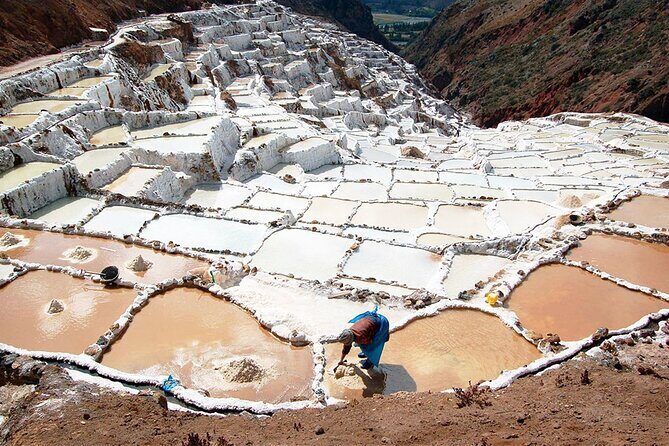
Next is the Salt Mines of Maras (Salineras). This is the spot people talk about because it looks unusual: a hillside filled with many small salt wells.
You’ll see around 2,000 small salt wells, and the mines are described as being exploited since Inca times as a means of economic exchange. That combo—visual spectacle plus a clear economic purpose—makes Maras memorable without needing a complicated explanation.
Time here is about 40 minutes. That’s a good length. Enough time to walk the area, take photos, and understand the layout. Not so long that you lose the whole afternoon.
What to plan for: salt mines can be bright and reflective. If you’re sensitive to glare, sunglasses help a lot. Also, the day is already well underway by this point—so keep your energy for the next stops too.
Urubamba Weavers Route and Lunch: A Real Midday Break
Urubamba is where your day shifts gears. You head there for the Urubamba Weavers route and a buffet lunch. You’ll have about 40 minutes for this segment.
This matters because it’s not just another “get in, get out” stop. It’s a chance to refuel in a more comfortable setting while your guide keeps the day moving.
Lunch is not included in the base tour price. It’s listed as $12 per person, and snacks and drinks aren’t included either. I’d treat the midday meal budget as part of planning your total day—not as an afterthought.
If you’re traveling with kids: this is a good time to reset. Short stops plus long drives can feel relentless. A proper sit-down meal helps everyone recharge, even if it’s not a long restaurant stay.

Ollantaytambo Fortress: A Tambo and a City Still In Use
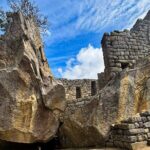
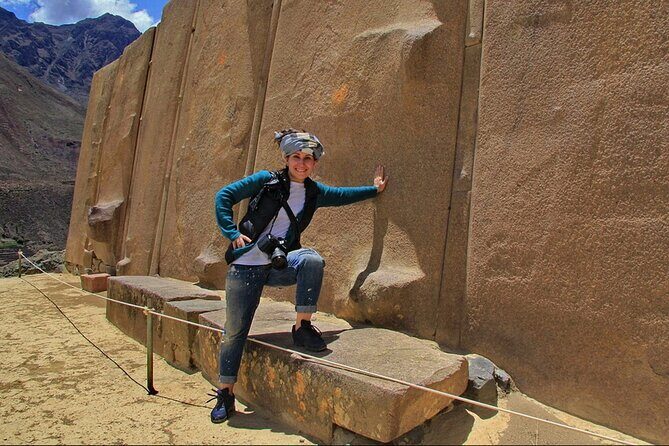
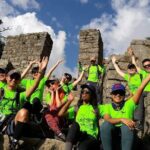
Ollantaytambo is the kind of place that feels alive. You visit the fortress area, described as a tambo or accommodation in Inca times. It also has a story attached to it: it’s named in honor of Chief Ollanta, linked to a famous tale involving an Inca princess, daughter of Pachacutec.
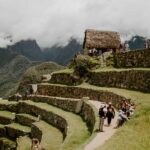
You’ll also hear that Ollantaytambo is the only Inca city in Peru that is still inhabited. That line matters. It changes how you interpret the site. You’re not just looking at a past civilization—you’re seeing present-day life connected to Inca planning.
This stop is about 1 hour, and it’s generally a strong follow-up after Maras and Moray. By now, you’ve seen experimental terraces and production at the salt mines. Ollantaytambo adds the defensive and logistical side of Inca life.
Consideration: like many fortress-style ruins, there’s uneven ground and stairs. Wear shoes you trust. If you have older family members, a steady pace beats sprinting for photos.
Pisac Market and Archaeological Terraces: Crafts Plus a Mountain-Back Setting
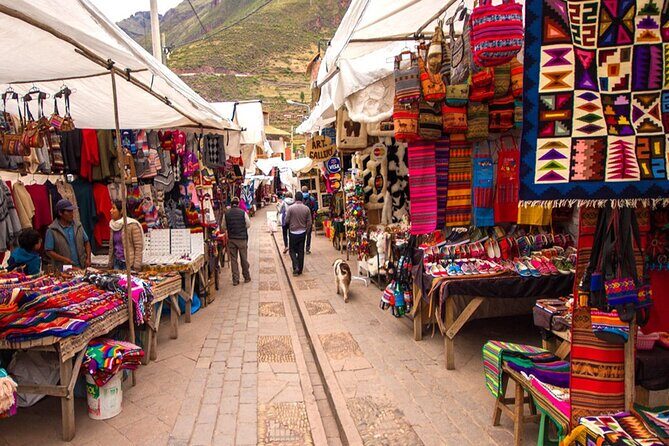
You finish in Pisac, with two experiences in one stop: the famous Pisac market of crafts and the archaeological site of Pisac, including terrace views on the mountain.
This is your chance to bring a piece of the valley back home—whether that means textiles, small handmade items, or gifts. Because the market is built into the same stop as the terraces, it feels like you get both culture and place in one stretch rather than splitting them across separate days.
Your time at Pisac is about 1 hour, so it’s not a full day of shopping and wandering. But it’s enough time to browse thoughtfully and still get to see the site terraces.
A practical tip: markets can get crowded, and bargaining can be part of the experience. If that’s not your thing, set a simple goal at the start—like find one textile, one small craft, and stop—and you’ll avoid the stress of decision fatigue.
Price and Value: What You Pay for the Private Day
The tour costs $370.52 per group, up to 10 people, with pickup included in Cusco city. For a private family day, that price can be a very workable deal—especially when you compare it to booking multiple tickets, taxis, and separate guides.
Here’s the value math, using the group cap:
- If you fill 10 people, it’s about $37 per person for the tour portion.
- If you’re 8 people, it’s about $46 per person for the tour portion.
Then add the parts that aren’t included:
- A partial ticket for Pisac, Ollantaytambo, Chinchero, and Moray: $23 per person
- Salt mines entrance: $3 per person
- Lunch in Urubamba: $12 per person
- Meals/snacks/drinks beyond lunch: not included
So your total day per person could easily be tour price share + about $38 in listed extras (tickets + lunch), depending on group size. That’s still reasonable for a long private day covering multiple major sites—especially with a guide who can explain what you’re seeing.
One more value point: it’s booked often, on average 7 days in advance. That’s a hint you should plan ahead if you want a specific date and time.
Practical Tips That Make This Day Easier
This tour runs long and includes terraces, uneven ground, and bright outdoor stops. Here’s how I’d set yourself up.
Wear for traction and altitude comfort
Choose closed-toe shoes you can trust on stone and steps. Bring a light layer too, even if Cusco feels warm earlier—weather can change quickly in the valley.
Carry the essentials
Water is key. Sun protection is smart at the Salt Mines and at Pisac. If your family gets tired fast, plan to take short pauses rather than pushing until you’re wiped.
Budget the tickets before you go
You’ll need to plan for about $23 for the combined partial ticket plus $3 for the salt mines, and $12 for lunch. If you show up with this budget ready, the day stays smooth.
Keep your expectations on pacing
Each major site is around 1 hour (except Maras salt mines at 40 minutes). This is a “see the highlights with context” style day. If you want to camp out in one location for hours, you’ll need a different kind of tour.
Who This Private Sacred Valley Tour Fits Best
This is a great match if you want:
- A family-friendly, private route without driving yourself between major stops
- English guidance so the Inca and colonial layers make sense
- A day that covers the classic Sacred Valley highlights in a logical order
It’s also a good fit if you like learning through practical examples—textiles at Chinchero, terrace engineering at Moray, and production at the salt mines—rather than just scanning for photo spots.
If your group includes someone who hates crowds, private touring can feel like a relief. If you’re traveling with very young kids, the long day still matters—bring snacks, take breaks, and keep your energy expectations realistic.
Should You Book This Sacred Valley Tour?
Yes, if you want a private Sacred Valley day that hits the key sites with clear explanations and easy logistics. The biggest reason to book is the combination of English guiding, a full route, and the fact that you’re not managing tickets and navigation between stops.
I’d say book with confidence if your family can handle a long outdoor day and you’re willing to budget the listed site tickets and lunch. If you prefer a slower pace with fewer stops, you might look for a shorter, more focused tour. But for most families in Cusco, this is a smart way to see a lot while still keeping the experience coherent.
FAQ
FAQ
How long is the Sacred Valley tour?
It runs about 10 to 12 hours, and you’ll be back in Cusco around 7 pm approximately.
What time does the tour start?
Pickup and start time are at 07:00 AM.
Is hotel pickup included?
Yes. Pickup is offered from hotels in Cusco city. You need to provide your hotel name and address.
Is this tour private?
Yes. It’s private, and only your group participates.
What language is the tour offered in?
The tour is offered in English.
Are entrance tickets included?
No. A partial ticket for Chinchero, Moray, Ollantaytambo, and Pisac is USD 23 per person, and the Salt Mines entrance is USD 3 per person.
Is lunch included?
Lunch in Urubamba is not included in the tour price. It’s listed as $12 per person.
Which stops are included on the route?
Chinchero (including textile demonstration), Moray, Salt Mines of Maras, Urubamba weavers route with lunch, Ollantaytambo archaeological park, and Pisac market plus the archaeological site.