REVIEW · CUSCO
Full Day Classic Sacred Valley Tour from Cusco
Book on Viator →Operated by Lares Trip · Bookable on Viator
You can do a lot here in one day. This Classic Sacred Valley tour links the big Inca-era sites—plus market time and Chinchero’s textile traditions—with hotel pickup and an English-speaking guide. It’s the kind of day trip that feels efficient, but not rushed.
My favorite part was the organization: punctual pickups and a smooth flow between stops so you can focus on the ruins instead of logistics. I also liked that you get a buffered lunch (traditional Peruvian food in the Sacred Valley) so you’re not hunting for something to eat between archaeology blocks.
One thing to consider: you’re committing to a long day (about 10 to 11 hours), and the tour depends on good weather. If the forecast turns ugly, plans can change.
In This Review
- Key highlights in plain terms
- Morning pickup and the day’s rhythm from Cusco
- Pisac ruins: the hilltop sweep you can actually picture
- Pisac market time: where culture shows up in daily life
- Ollantaytambo archaeological park: when the ruins feel alive
- Chinchero: textiles, place names, and the Rainbow connection
- Price and what makes it good value at $55.50
- Transportation, group size, and how the day stays manageable
- Who should book this tour (and who should consider something else)
- Quick packing and on-the-ground advice
- Should you book Lares Trip’s Classic Sacred Valley day?
- FAQ
- How long is the Classic Sacred Valley tour?
- What time does pickup start?
- Are tickets handled with a mobile ticket?
- What language is the tour guide?
- How many people are in the group?
- What are the main stops during the day?
- Is lunch included?
- What’s the cancellation and weather situation?
Key highlights in plain terms
- Hotel pickup in the 07:30–08:00 window means you don’t have to figure out transport first thing.
- Small group size (max 15) makes it easier to hear your guide and move at a sane pace.
- Pisac Ruins + Chinchero textiles give you two very different sides of Sacred Valley culture.
- Most major admission fees are free for the listed archaeological stops, which improves value.
- A buffet lunch keeps you fueled for a full day of stone steps and highland air.
- English guide + clear timing help you get meaning out of each stop, not just photos.
Morning pickup and the day’s rhythm from Cusco
This tour starts early, with pickup from your hotel between 07:30 and 08:00 (start time listed as 7:00 am). Practically speaking, that’s what saves you. Later starts often mean you hit the sites when crowds thicken and your energy is already sagging.
From the get-go, the logistics feel designed for real people. Round-trip transport is included, and it runs with a local agency feel, not a chaotic “everyone figure it out” vibe. In the small-group setup (up to 15), you’re more likely to have time for questions and actually hear answers.
You’ll also want to plan for altitude and comfort. Even if you’re in Cusco already, this is still a long day of walking around uneven terrain. I’d keep the day simple: water, layers, and comfortable shoes that work on stone.
You can also read our reviews of more tours and experiences in Cusco


Pisac ruins: the hilltop sweep you can actually picture
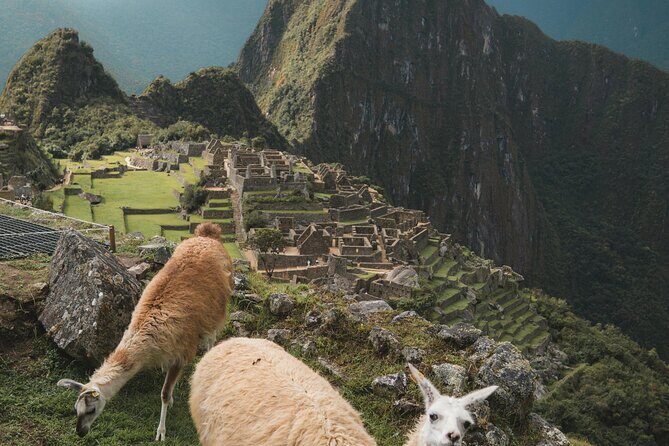
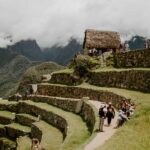
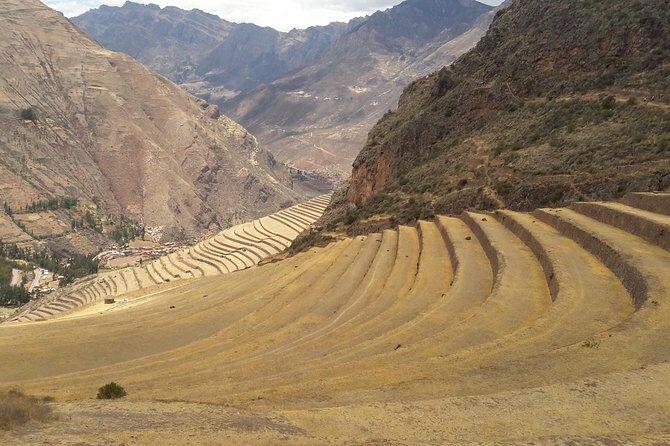
Pisac is one of those places where you instantly understand why people built here. The archaeological ruin sits on the highest hill in Pisac, on a dry, rocky surface. Expect views outward and stonework that looks deliberate—terraces, structures, and the kind of layout that makes you think in lines and slopes.
You get about 3 hours here. That’s enough time to walk at your pace, stop for photos, and still have room to absorb what your guide explains about the Inca presence in the region. Admission is listed as free for Pisac ruins, which is a nice bonus because it keeps the day’s costs under control.
A practical tip: don’t treat it like a quick photo stop. If you take even part of the time to follow your guide’s story, the site turns from scenery into context. That’s where the day starts clicking.
Pisac market time: where culture shows up in daily life
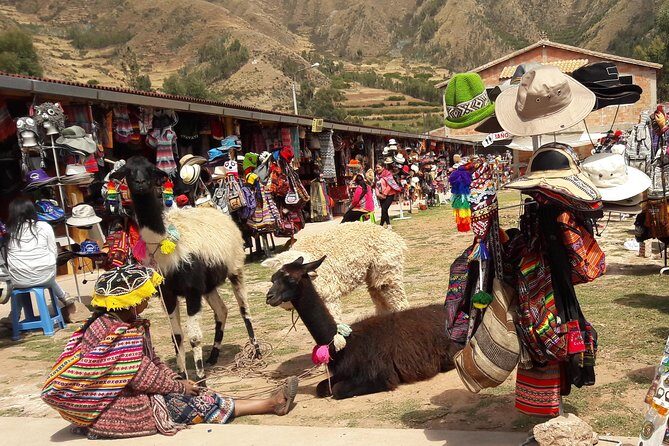
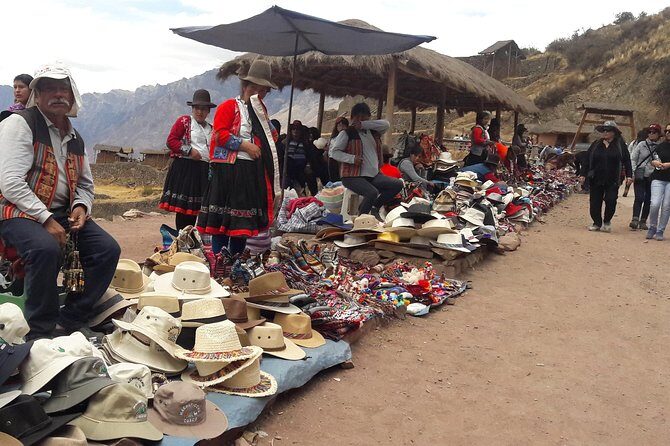
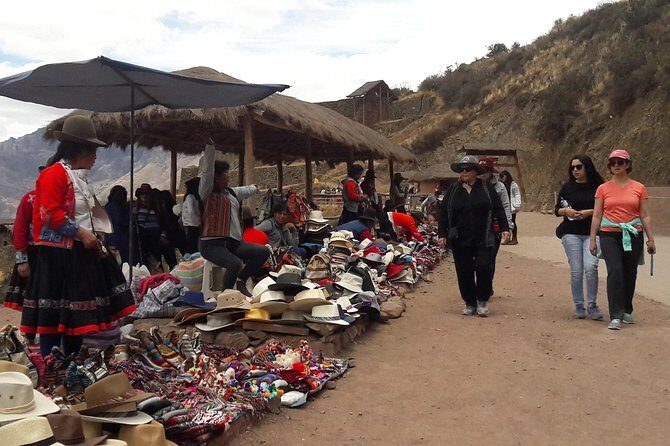
After Pisac ruins, you’ll shift gears into Pisac Market. This is where the Sacred Valley stops being only stone and starts being people doing normal life—trading, chatting, and selling goods that reflect Andean traditions.
You’ll have about 2 hours for the market, with admission listed as included. That time window is short enough that you won’t get stuck wandering for hours, but long enough to browse, compare prices, and pick up small items if that’s your thing.
One value angle here is pacing. Market time can be hit-or-miss on tours, because some groups rush it like a chore. The structure here gives you a chance to slow down and actually experience the place, not just pass through it.
If you’re shopping, keep your expectations realistic. You’re in a tourist region, so prices may be higher than local-only spots. Still, it’s worth going with curiosity and a light grip on your wallet.
Ollantaytambo archaeological park: when the ruins feel alive
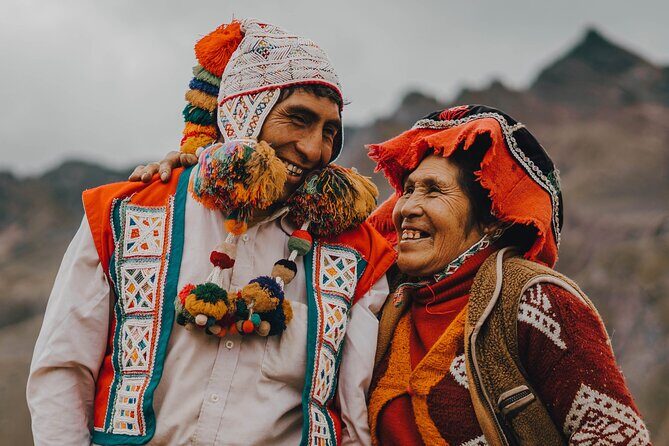
Ollantaytambo comes after the ride and it’s a strong mid-day anchor. The archaeological park is listed as about 2 hours, and admission is listed as free here too. It’s in the district of the same name, and the route is typically organized through the area around Chinchero/Pisac connections depending on the day’s driving.
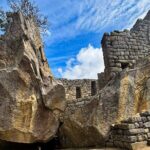
What you’re looking for is more than a pretty ruin. Ollantaytambo is a place where the stone layout makes you imagine movement—how people lived, organized space, and navigated the hillside. Even if you’re not an expert, a good guide helps you spot patterns that you’d otherwise miss.
Here’s how I’d approach it: walk a bit, stop, then walk again. If you keep moving nonstop, you end up with “lots of rocks” memories instead of meaningful ones. Build in breaks so you don’t lose the plot.
Also, this is one of the times when fatigue can creep in. By the time you reach Ollantaytambo, you’ve already done the morning. Pace yourself and remember: you’re not trying to win a walking contest.
Chinchero: textiles, place names, and the Rainbow connection
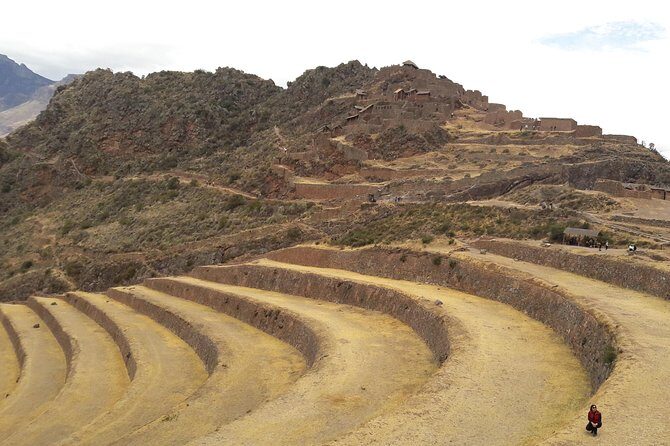
Chinchero is the last listed major stop and it has a specific cultural angle that sets it apart. The Complejo Arqueologico Chinchero is framed here as an unmissable village, set against the snow-capped peaks of the Urubamba mountain range (at least in the way guides commonly describe the view and setting).
You’ll get about 3 hours at Chinchero, and admission is listed as free. Locals say Chinchero is the birthplace of the Rainbow, tied to the textile industry that still functions today. That detail matters, because it links craft to place instead of treating textiles as just souvenirs.
This is also where you’ll appreciate a guide who can connect dots. In one of the experiences shared, Luis was mentioned for being professional and for giving strong study-level information. When the guide can explain how textiles connect to identity and tradition, the visit becomes more than a last-stop checklist.
Practical advice: if you’re interested in textiles, ask questions. Simple questions like how the colors or patterns connect to tradition can turn a casual stop into a real learning moment. Even if you don’t buy anything, you’ll leave with better understanding.






Price and what makes it good value at $55.50
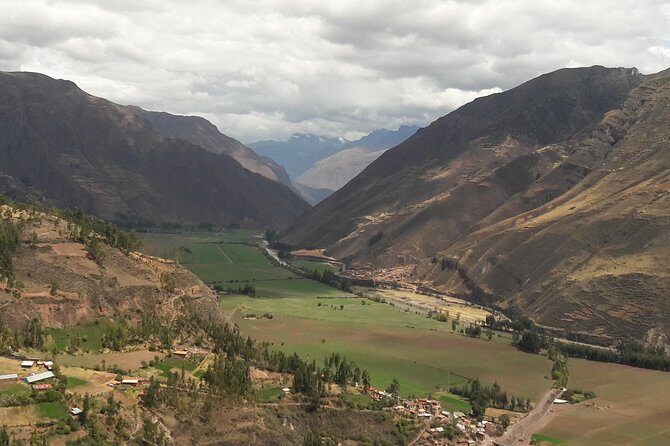
At $55.50 per person, this tour is priced like a solid value day, not a luxury one. Here’s why the math works for many people:
- Round-trip transportation is included, so you’re not paying separately for vans or fighting schedules.
- A professional English-speaking guide is included, which matters on sites where context is everything.
- Hotel pickup (07:30–08:00) covers the toughest part of the day: leaving Cusco.
- Lunch is included as a buffet based on traditional Peruvian food in the Sacred Valley.
- Admission is listed as free for Pisac ruins, Ollantaytambo, and Chinchero; Pisac Market admission is included too.
So even though it’s a long day, you’re not constantly paying extra at each stop. The one thing not included is gratuities—so if you enjoy the guide’s work, plan a little tip budget.
The only “cost” to factor in is time. You’re spending most of the day traveling and exploring, which is great if you want one big Sacred Valley hit. If you prefer a slower pace or you want to linger for hours at one site, this schedule might feel full.
Transportation, group size, and how the day stays manageable
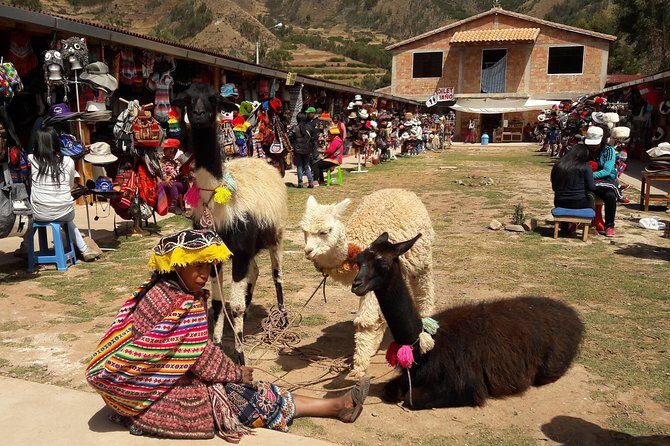
This is capped at 15 travelers, which is genuinely useful on a day like this. Smaller groups usually mean easier movement on foot, more room to ask questions, and fewer moments where you’re stuck waiting for the slowest group member.
Also, it runs with pickup from your hotel and offers a mobile ticket. That’s convenient, especially when you’re managing multiple days in Peru and don’t want extra paperwork.
Expect about 10 to 11 hours total. That’s normal for a full Classic Sacred Valley route. What I’d do is plan your morning like it’s a theater show: arrive ready, bring layers, and don’t start the day half-awake.
A bit of humor helps here: if you’re going to climb around old stones, you might as well show up wearing shoes that won’t betray you.
Who should book this tour (and who should consider something else)
This works best for you if you want a well-structured Sacred Valley day without overthinking transport. If you’re short on time in Cusco, this route hits the main highlights: Pisac, Ollantaytambo, and Chinchero, plus market time.
It’s also a good choice if you like explanations—because the value is not just what you see, but how you understand it. Multiple experiences highlight that the guides were organized and strong at explaining Inca culture, and that kind of interpretation is what turns a tour into a trip memory.
Consider looking at a different pace if:
- you hate long days and lots of driving,
- you want deep time in only one site,
- you’re traveling with very limited mobility (the tour says most travelers can participate, but it doesn’t promise step-free access).
Quick packing and on-the-ground advice
Even though the tour provides transportation and guide support, you’ll still control your comfort. Here’s what I’d prioritize based on the schedule and typical site conditions:
- Comfortable walking shoes for rocky and uneven areas
- A light layer for morning and higher elevations
- Water and small snacks only if you need them (lunch is included, but timing can vary)
- A rain layer if the forecast looks questionable since the experience requires good weather
If you’re prone to altitude headaches, take it easy early. The first stop can feel big, especially after a morning ride.
Should you book Lares Trip’s Classic Sacred Valley day?
If you want an easy, high-value way to see the Sacred Valley in one day, I’d say yes. The combination of pickup, an English-speaking guide, and a full set of meaningful stops makes this the kind of tour that reduces stress and boosts understanding. Add in the fact that most of the listed admission is free, and it becomes a straightforward choice.
Skip it only if you’re chasing a relaxed schedule or you want to spend long hours at fewer sites. This tour is designed for coverage with context, not for wandering slowly with no timeline.
If your plan is to make the most of your time around Cusco, this is a very practical way to do it.
FAQ
How long is the Classic Sacred Valley tour?
The tour lasts about 10 to 11 hours.
What time does pickup start?
Pickup starts between 07:30 am and 08:00 am, with the tour starting at 7:00 am.
Are tickets handled with a mobile ticket?
Yes, the tour includes a mobile ticket.
What language is the tour guide?
The tour offers an English-speaking tour guide.
How many people are in the group?
The maximum group size is 15 travelers.
What are the main stops during the day?
You visit Pisac (ruins), Pisac Market, Ollantaytambo archaeological park, and Chinchero archaeological complex.
Is lunch included?
Yes. A buffet lunch is included, based on traditional Peruvian food in the Sacred Valley of the Inkas.
What’s the cancellation and weather situation?
There is free cancellation up to 24 hours in advance for a full refund. The experience requires good weather, and if it’s canceled due to poor weather, you’ll be offered a different date or a full refund.