REVIEW · CUSCO
From Cusco: South Valley Villages and Archaeology Tour
Book on GetYourGuide →Operated by Peru & U · Bookable on GetYourGuide
Cusco’s South Valley has a way of surprising you fast. This 5-hour tour mixes Tipón’s Inca terraces with a quick hit of pre-Inca and colonial art, guided in English and Spanish. I like that it feels organized without feeling rushed, and hotel pick-up and drop-off means you start moving the moment you’re ready.
My other favorite part is the variety in one loop. You’ll see Inca engineering up close, then switch gears to the Huari adobe city at Pikillacta, and later walk into the Sistine Chapel of Peru at Andahuaylillas. One consideration: lunch isn’t included, and entrance fees aren’t included either, so your day budget can change depending on what you choose to pay for on-site.
In This Review
- Key highlights worth your attention
- How the South Valley loop works from Cusco
- Tipón: Inca terraces, aqueduct irrigation, and the Viracocha connection
- Pikillacta: the Huari adobe city from 700 to 900 AD
- Andahuaylillas and the Sistine Chapel of Peru
- Saylla on the way back: choosing your local food moment
- Price and value: what $29 gets you for 5 hours
- Who this tour suits best (and who might want a different plan)
- Should you book the Cusco South Valley Villages and Archaeology Tour?
- FAQ
- How long is the tour from Cusco?
- Is hotel pick-up and drop-off included?
- Do I need to pay entrance fees at the sites?
- Is lunch included?
- Is the guide available in English?
- Which stops are included during the tour?
- Is the tour refundable if I cancel?
Key highlights worth your attention
- Tipón’s Inca farming system: terraces plus an irrigation aqueduct tied to the sacred Pachatusan mountain
- Viracocha setting at Tipón: the site is associated with a royal garden commissioned for the Inca god Viracocha
- Pikillacta’s Huari adobe complex (700–900 AD): an earlier culture expressed through distinctive construction
- Andahuaylillas’ Sistine Chapel of Peru: famous for the ceiling and wall paintings, including works associated with Escuela Cuzqueña
- Saylla stop for local food: pork chicharrones or roasted guinea pig gives you a real taste of the region
- Bilingual guidance (English/Spanish): helpful for understanding what you’re looking at, not just where to stand
How the South Valley loop works from Cusco
This tour is built around a simple idea: use a single morning or afternoon block to connect several time periods in the Cusco region. You get hotel pick-up in Cusco, then shared transportation carries you down to the South Valley area with an English-speaking and Spanish-speaking guide.
It lasts about 5 hours, which is long enough to feel like you had a real outing, but short enough that you’re not stuck all day in transit. Because it’s shared transport, you should expect a bit of flexibility with timing, like waiting for people to board and getting dropped off again afterward.
The big value here is that you’re not just ticking off names. You’re learning how different cultures in the region shaped the land, used water, built cities, and decorated sacred spaces—then you close with a food moment on the way back through Saylla.
You can also read our reviews of more tours and experiences in Cusco.

Tipón: Inca terraces, aqueduct irrigation, and the Viracocha connection
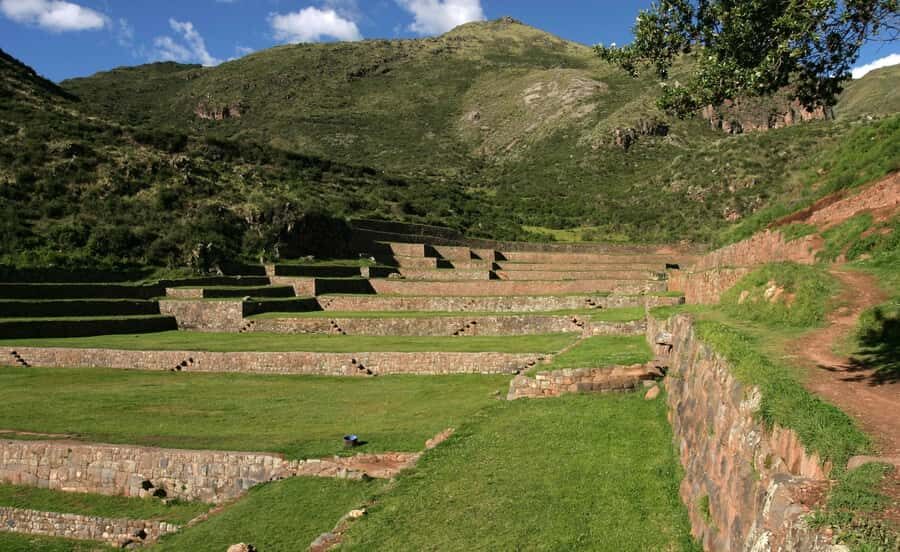
Tipón is the star stop, and it makes sense. You’ll arrive at the archaeological site of Tipón, often linked to a royal garden commissioned by the Inca god Viracocha. Even if you’ve only read a little about the Incas, this is a great place to connect the dots between belief and engineering.
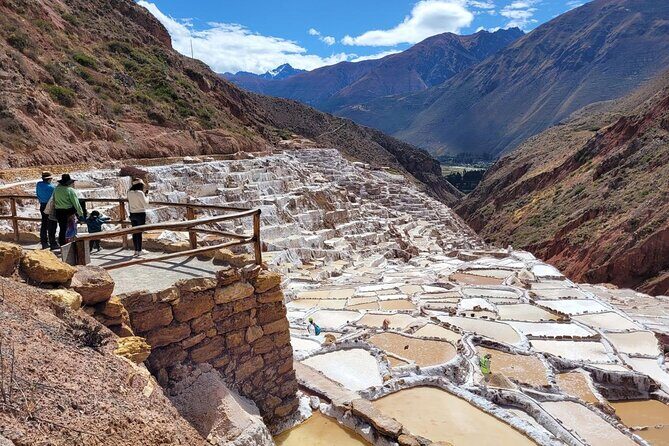
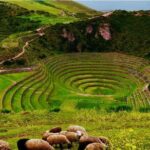
What you’ll spend time on is the Inca agricultural system. The terraces weren’t just for farming—they were part of a controlled landscape designed to handle water. Tipón’s terraces are described as being irrigated by an aqueduct fed from the Pachatusan mountain area, which helps explain how the Incas could make difficult terrain productive.
As you walk around, the guide points out more than terraces. You’ll also look at structures like the baths and a temple complex. That matters because it turns Tipón from a pretty viewpoint into a functioning space: it suggests how food production, ritual, and daily life could be linked.
Practical note: entrance fees are not included, so if Tipón requires payment on the day, you’ll want to have the right amount ready. Also, since you’re outdoors for part of the route, wear shoes that handle uneven stone and slopes.
Pikillacta: the Huari adobe city from 700 to 900 AD
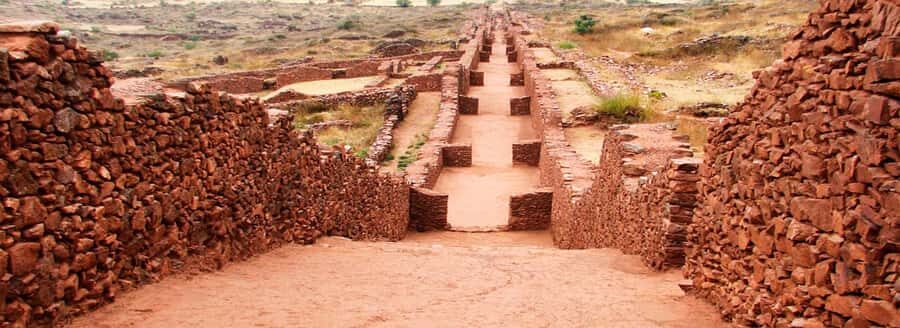
After Tipón, the tour shifts to a pre-Inca site: Pikillacta. This is where the day stops feeling like a single-theme story and starts feeling like a timeline. Pikillacta is an adobe complex associated with the Huari people, built roughly 700 to 900 AD.
Adobe architecture can look simple from a distance, but close up it tells a different kind of story than carved stone. It’s a reminder that complex societies weren’t limited to the Inca. The Huari left their mark through layout, walls, and built forms that shaped how people moved and used space.
Why this stop feels valuable on a short tour: it gives you context. Seeing an earlier culture right after Tipón helps you notice differences in construction and priorities—stone terraces and water control versus a different approach to building and settlement.
The guide’s role is key here. Without explanation, Pikillacta can turn into “just walls.” With a guide, you start thinking about who lived there, how the complex may have worked, and how these places fit into the wider Cusco region.
Andahuaylillas and the Sistine Chapel of Peru
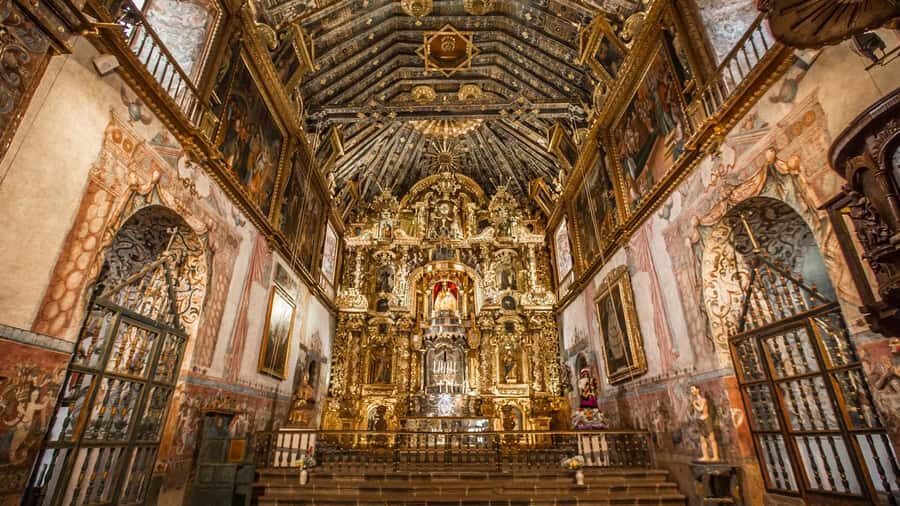
Then comes one of the most memorable moments in the day: Andahuaylillas and the Sistine Chapel of Peru. The nickname is widely used because the interior art leaves a strong impression, and this stop is often the one people remember most after the tour ends.
You’ll look at elaborate paintings attributed to Escuela Cuzqueña. That’s important because it connects indigenous and European artistic influences during the colonial era, and it helps explain why this chapel is famous beyond local circles.
What makes this part work on a 5-hour schedule is the contrast. You’ve been outside and focused on land—terraces, water, stone, and adobe. Now you’re in a space built to hold attention, devotion, and meaning. The guide helps you read the paintings rather than just stare at them.
If you care about art history, this stop is a high payoff. If you don’t, it’s still worth going because the scale and detail are hard to ignore. Just plan to slow down once you’re inside, so you can actually take in what you came for.
Saylla on the way back: choosing your local food moment
Returning via Saylla is how the tour keeps one foot in everyday life. This is the part where you can grab regional food, with options like pork chicharrones or roasted guinea pig.
This isn’t the kind of stop where you’re forced to eat anything. It’s more like an invitation to taste what people eat locally, especially if you’ve spent the day focused on archaeological and religious sites. Food is often the fastest way to understand a place’s culture at street level.
Since lunch isn’t included, this can also help solve the day’s hunger problem—either by treating Saylla as your meal, or by using it as a snack break while you figure out what works best for you. Still, entrance fees and any food you buy will be extra, so keep that in mind when you’re budgeting.



Price and value: what $29 gets you for 5 hours
At $29 per person for a 5-hour guided outing, the value is in the structure. You’re paying for hotel pick-up and drop-off, shared transportation, and a bilingual guide who helps you understand the sites. For Cusco-area days, that combination often saves time and stress compared with figuring out everything on your own.
What you should factor in: lunch isn’t included and entrance fees aren’t included. So the final cost depends on whether you need to pay for sites during the tour and what you choose to eat. If you’re careful with spending, you can keep the day close to the base price. If you prefer to add extra admissions or make a big food stop, it can run higher.
Still, considering the number of major stops—Tipón, Pikillacta, and Andahuaylillas—the guided format is the point. You’re not just moving between places; you’re learning why each place matters.
Who this tour suits best (and who might want a different plan)
I’d book this if you want a tight schedule with big variety: Inca water and farming at Tipón, Huari adobe at Pikillacta, and the art-and-faith stop at Andahuaylillas. It’s also a good fit if you want a guide to explain what you’re seeing, especially at sites where the clues aren’t obvious at first glance.
It’s less ideal if you want total freedom to linger at one place for a long time. With only 5 hours, you get meaningful time at each stop, but it won’t be a slow, deep exploration. If you like unstructured wandering, you might prefer options that let you build your own day.
One more small note: pets aren’t allowed. If that affects you, plan accordingly before you book.
Should you book the Cusco South Valley Villages and Archaeology Tour?
Yes, if you want a well-paced sampler that actually teaches you what you’re looking at. For the price, you get a strong mix of Inca agriculture, Huari pre-Inca context, and Andahuaylillas’ chapel art, all tied together with easy hotel pick-up and drop-off.
I’d book with a simple plan for the extras: bring money for entrance fees and decide in advance how you’ll handle lunch. If you do that, the day feels smooth and worthwhile, with the guide doing the heavy lifting of making the sites click.
FAQ
How long is the tour from Cusco?
The tour lasts about 5 hours.
Is hotel pick-up and drop-off included?
Yes. The tour includes hotel pick-up and drop-off in Cusco.
Do I need to pay entrance fees at the sites?
Entrance fees are not included.
Is lunch included?
No. Lunch is not included.
Is the guide available in English?
Yes. The guide is bilingual, speaking both English and Spanish.
Which stops are included during the tour?
You’ll visit Tipón, Pikillacta, and Andahuaylillas, with a return route via Saylla.
Is the tour refundable if I cancel?
No. The activity is non-refundable.
If you tell me your travel dates and whether you prefer a morning or afternoon schedule, I can help you map this against the rest of a Cusco itinerary.