REVIEW · CUSCO
From Cusco: Lake Titicaca, Uros and Amantani by sleeper bus
Book on GetYourGuide →Operated by MACHU PICCHU JUNGLE · Bookable on GetYourGuide
Reed islands and a sleeper bus. One day on Lake Titicaca can feel like a speedrun of Peru’s living traditions—especially when you start with a sleeper bus and spend your daylight on the Uros and Amantani islands.
I love how this trip puts you close to the people, not just the scenery. The Uros visit is hands-on in a meaningful way—totora reeds, layered island building, and craft time—then Amantani adds a classic day-on-the-lake rhythm with walking, temple stops, and lunch prepared by locals.
One big consideration: the schedule is tight. You’ll arrive in Puno early (around 5:00 a.m.) and you can end up waiting through cold hours before the day really starts, then you’ll wait again before the late return bus.
In This Review
- Key points to know before you go
- The sleeper-bus rhythm from Cusco to Puno (and why it works)
- From Puno to the Uros reed islands by boat
- Uros to Amantani: what the long speedboat leg is really for
- Amantani Island: temples, walking, lunch with a family
- The late-afternoon Puno break (and the wait before the 10 p.m. bus)
- Price and value: is $90 reasonable for Uros + Amantani?
- What to bring so the day doesn’t feel miserable
- Who this tour fits best (and who should think twice)
- Should you book this Uros and Amantani sleeper-bus tour?
- FAQ
- What’s the duration of the Cusco to Lake Titicaca trip with Uros and Amantani?
- Does this tour include round-trip sleeper bus travel?
- What time does the pickup happen in Cusco?
- How early do you arrive in Puno?
- What do you do on the Uros floating islands?
- Is lunch included on Amantani?
- Do you stay the night on Amantani with the 2-night, 1-day version?
- Is breakfast included?
- Do I need a passport or ID?
Key points to know before you go

- Sleep on the night bus: Cusco pickup in the 9:00 p.m. hour, then you’re in Puno by around 5:00 a.m.
- Uros is reed-focused: totora weaving and layered construction are the core experience, not just photos
- Expect a lot of boat time: you’ll move across the lake by speedboat for long stretches
- Amantani centers on walking plus food: square/temples, a guided visit, and lunch with a family
- There’s shopping time on both islands: arts and crafts markets are built into the day
- Puno has a window, then the bus: you get free time in the afternoon/evening before the 10:00 p.m. departure
The sleeper-bus rhythm from Cusco to Puno (and why it works)
This tour is built for one goal: get you to Lake Titicaca fast, then bring you back to Cusco without the stress of planning day-by-day logistics. You’re picked up from your hotel or Airbnb in downtown Cusco in the 9:00 p.m. to 9:20 p.m. range. From there, the goal is simple: board the night bus and sleep on 180-degree reclining seats.
When the bus gets you to Puno around 5:00 a.m., you’re not arriving for a leisurely breakfast—this is an early start that sets up the island visits. You’ll have time for a breakfast stop in Puno (not included), but the real action begins once you’re transferred onward. If you’re the kind of traveler who hates waiting, plan to treat this morning like a holding pattern: you’re meant to be fresh-ish for the boat day, not entertained in a museum.
The upside is that you avoid a full extra hotel night in transit. The downside is temperature and comfort. Multiple departures land at the same early hour, and Puno bus areas can be cold in the early morning. Bring layers you can actually move in, not just a light jacket.
You can also read our reviews of more tours and experiences in Cusco.



From Puno to the Uros reed islands by boat

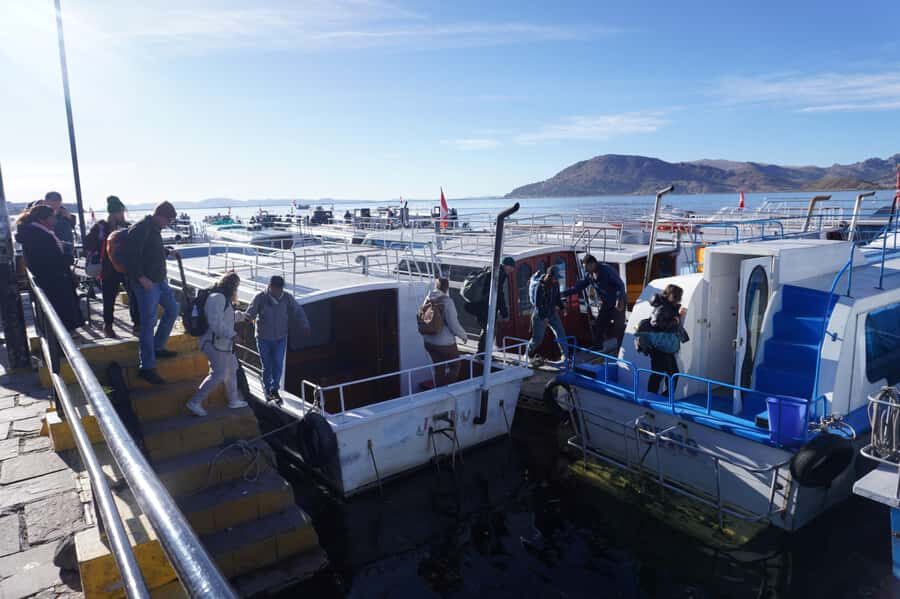
Once you’re in the port area, the trip to Uros starts with a van transfer and then speedboat time across the lake. In other words: you’re not driving a short distance and hopping off. You’re on open water, and it’s part of the experience—views change as you glide across Lake Titicaca.
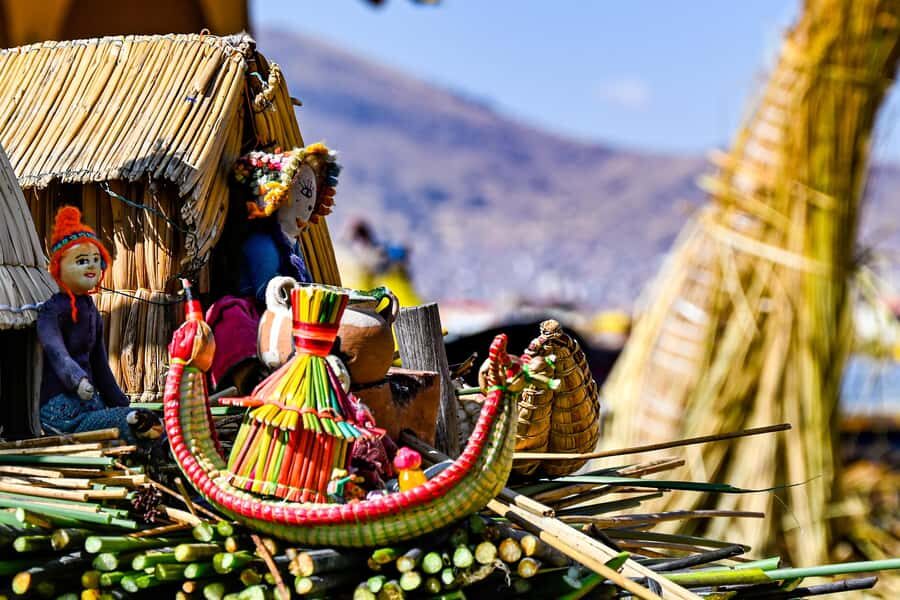
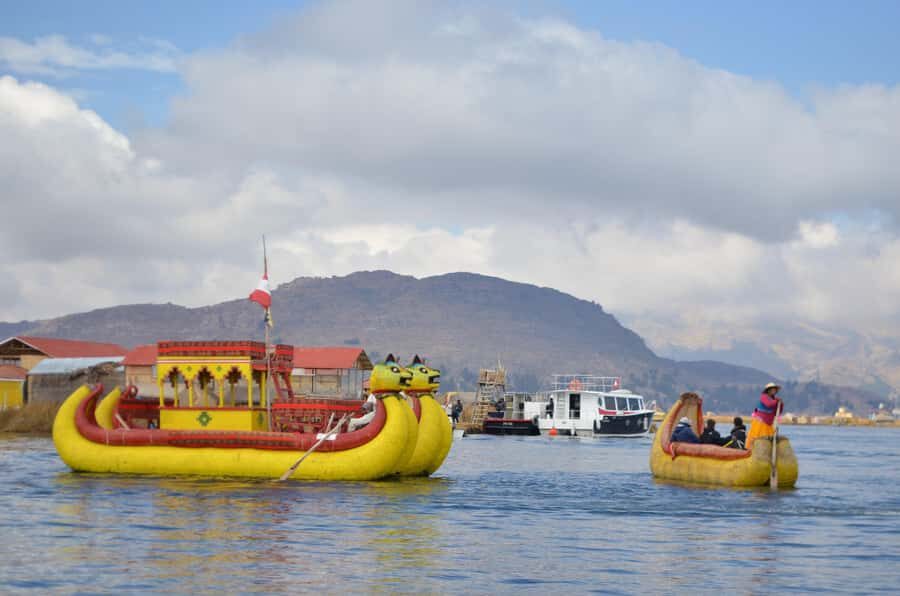
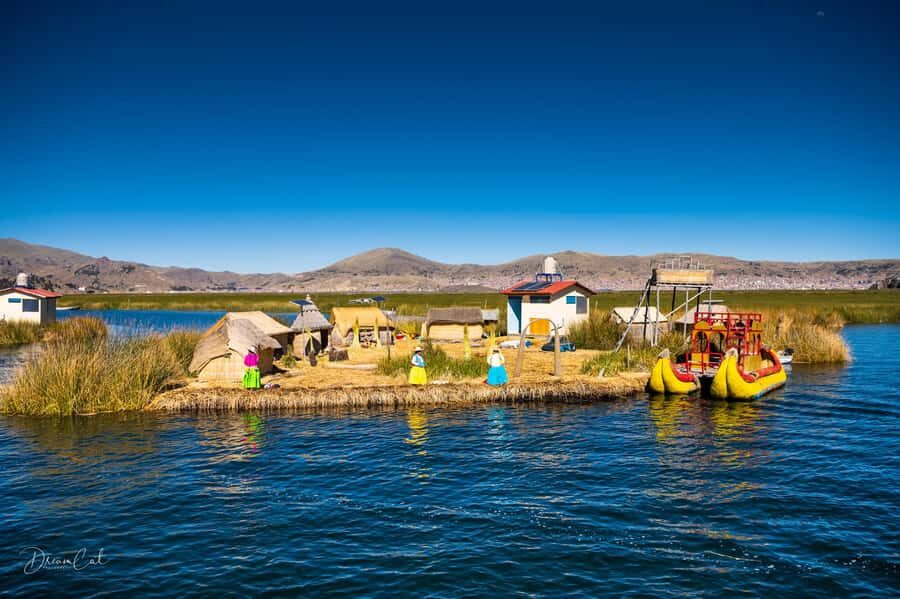
On Uros, the focus is totora reeds and how people turn an aquatic plant into a place to live. You’ll learn how the reeds are woven and layered to create the island surface, and you’ll get a guided look at how the floating communities function. It’s one of the few places in Peru where the “scenery” is also the technology.
There’s also an optional activity you can choose if you want more reed-powered adventure: a totora raft ride, also made from totora. For some people, that’s the moment that turns the island visit from educational to fun.
Time on Uros can feel brief depending on the flow of the day. You’ll have a mix of photo stops, guided time, and then some free time that often includes arts-and-crafts shopping. That means you can pick up a small souvenir that feels connected to the place, not a random street trinket.
One practical note: boats and sun hit hard. Even if it’s cool on land, bring sunglasses and something to protect your face and eyes once you’re out on the lake.
Uros to Amantani: what the long speedboat leg is really for

Between Uros and Amantani, you’ll spend a good chunk of time on the water. Speedboat crossings can feel longer than you expect because there’s not much to do besides watch, take photos, and hang onto the moment.
That might sound like a drawback, but it’s also where the day’s feel starts to change. Lake Titicaca isn’t just a backdrop. It’s the main character, and the boat ride is your chance to see how the islands sit out in the water and how communities carve out daily life around the lake.
If you get motion sick easily, pack your usual remedy. The tour data doesn’t mention medication or special accommodations, so assume you’re on your own for comfort.
Amantani Island: temples, walking, lunch with a family
Amantani is where the tour shifts from floating reeds to a more land-based island day. After arriving, you’ll walk up to the main square and temples. That walk is usually part of the experience—Uros is about floating structure, and Amantani is about community life in a more traditional village setting.
Then comes the part I’d call the heart of this shorter tour: lunch on Amantani prepared using local products. You’ll be guided through the main points of interest, and locals prepare a typical menu for you. This is the moment you stop “touring” and start participating in island life.
There’s also time to explore. You’ll get free time after the guided segment, and the tour includes room for sightseeing and some hiking-style walking depending on how the day’s pacing works. If you want something beyond a quick photo stop, Amantani is the better match.
Shopping is also part of the plan. You’ll have time for an arts-and-crafts market visit, which is where you can usually find more meaningful souvenirs—pieces tied to local weaving and island crafts, not just mass-produced items.
One more practical thing: the day ends with your return to Puno in the late afternoon (around 5:00 p.m.). That means you should pace yourself. If you sprint through Amantani, you’ll feel it later at night when it’s time to wait for the 10:00 p.m. bus back.
The late-afternoon Puno break (and the wait before the 10 p.m. bus)

After you return to Puno, the schedule gives you a free window from about 5:00 p.m. to 9:00 p.m. You can use it to walk the plaza and nearby streets, grab dinner, and soak up a bit of city atmosphere before taxi back to the bus terminal.
This is the part where I’d set expectations clearly. You’re not arriving to Puno for a full sightseeing day. You’re arriving to support an island day. That means Puno can feel like a transit hub with a short taste of real life.
If you dislike waiting, know what you’re walking into: the bus departure is around 10:00 p.m., and you need to get back to the terminal. Plan to stay calm and treat the evening like downtime. Keep cash and a charged phone handy, and don’t count on a long, relaxed meal with extra stops.
Also remember: even if days in Peru feel warm, evenings on the altiplano can cool fast. Layering helps. You can always shed a layer later, but you can’t magically become warm once you’re stuck in a cold waiting area.






Price and value: is $90 reasonable for Uros + Amantani?

At about $90 per person for a 1-day/2-night format, the value depends on how you hate planning.
What you get for that money is not just boat rides. You’re paying for:
- Round-trip night transportation (Cusco to Puno, then Puno back to Cusco)
- Pickup from your downtown accommodation in Cusco
- English/Spanish speaking guide for the excursion
- Entrance to Uros and Amantani
- Transfers by tourist boat and speedboat across the lake
- Lunch on Amantani
- Free time in Puno before your return bus
What you don’t get (and should plan for):
- Breakfast on the day you reach Puno (not included)
- Dinner in Puno (you manage it with the free time)
- Anything requiring additional upgrades or activities beyond what’s offered
So is it worth it? If you want Uros and Amantani but don’t want to coordinate transport, port timing, and entrance tickets yourself, yes—this style of tour is paying for reduced friction. You’re basically buying time and coordination.
If, on the other hand, you love planning and can handle independent transport, you may find ways to do it cheaper. The schedule compression—waiting in the early morning and then the late terminal—can also feel like you’re paying for “access” more than comfort.
What to bring so the day doesn’t feel miserable
This is one of those trips where packing for comfort matters more than packing for fashion. Bring:
- Comfortable shoes for walking up to squares/temples
- Layers for cool morning and evening hours in Puno
- A change of clothes (you’ll be on buses and boats)
- Cash (handy for meals and small purchases)
- Camera and a small daypack
- Drinks, especially if you tend to get thirsty on long boat rides
The tour also specifies passport or ID, and it notes alcohol and drugs aren’t allowed. Keep it simple and clean: you’re going out for village visits and boat segments.
If you’re tempted to bring only a light jacket: don’t. Based on how chilly Puno can feel in the early hours, a warm layer can be the difference between “great day” and “why am I shivering.”
Who this tour fits best (and who should think twice)

This tour fits you best if:
- You want a fast, low-planning way to see both Uros and Amantani
- You like structured days with a guide and built-in entrance tickets
- You care about meeting locals and eating a meal connected to island life
- You’re okay with a long travel day compressed into short island time blocks
It may not be ideal if:
- You strongly dislike waiting around terminals in the early morning and evening
- You need a relaxed pace with lots of downtime
- You’re expecting lots of time on each island without boat or transfer time
For comparison, there’s also a longer option that adds a family stay on Amantani and an extra day to visit another island. If you’re considering that version, keep in mind that your comfort expectations should be modest based on how basic island living can be (the water and bathroom setup can be simpler than what you’re used to). For the shorter tour, you’re spared the overnight family-homestay realities, which is a big reason this is attractive.
Should you book this Uros and Amantani sleeper-bus tour?
I’d book it if you want the highlights—Uros reed islands, Amantani walking plus lunch with locals—and you want to do it with minimal coordination. The sleeper-bus approach is the right match if you’d rather sleep through transport than spend extra days arranging it all.
I’d pause and consider another plan if your idea of travel is slow mornings and flexible pacing. This tour is efficient, and that efficiency creates waiting windows. If you can handle that trade, you’ll get a very memorable day on Lake Titicaca without turning your trip into a spreadsheet.
If you do book, pack warm layers, bring comfort items for long boat time, and go into it with the mindset that the schedule is part of the deal. You’re there for the living tradition—totora islands, island walking, and a meal that actually connects you to how people live on the lake.
FAQ
What’s the duration of the Cusco to Lake Titicaca trip with Uros and Amantani?
The experience is listed as lasting 1 to 2 days, with the common format using a 2-night, 1-day plan.
Does this tour include round-trip sleeper bus travel?
Yes. It includes transportation by night bus from Cusco to Puno, and then the return trip from Puno back to Cusco.
What time does the pickup happen in Cusco?
Pickup in Cusco is between 9:00 p.m. and 9:20 p.m., depending on the number of people in your reservation.
How early do you arrive in Puno?
You arrive in Puno at approximately 5:00 a.m.
What do you do on the Uros floating islands?
You visit the floating islands built with totora reeds, learn how the reeds are woven and layered, and you may have time for shopping at the arts and crafts market. There is also an optional totora raft ride.
Is lunch included on Amantani?
Yes. A typical lunch is included, and locals prepare it using local products.
Do you stay the night on Amantani with the 2-night, 1-day version?
No. With the shorter 2-night, 1-day tour, you return to Puno the same day. Staying overnight on Amantani is part of the longer 3-night, 2-day version.
Is breakfast included?
Breakfast on the day you arrive in Puno is not included.
Do I need a passport or ID?
Yes. You should bring a passport or ID card (and children need it too).