REVIEW · MACHU PICCHU
Salkantay trek to Machu Picchu – 5D/4N – Premium
Book on GetYourGuide →Operated by Grupo Conde Travel · Bookable on GetYourGuide
One word for this trek: altitude-adjacent endurance. This is the popular alternative to the Inka Trail, with premium camping at SalkantayPampa and a guided route that gets you to Machu Picchu without feeling like a bus tour.
What I like most is the mix of big views plus real time on foot, and how the camp setup is designed so you can recover and keep going.
Two specific wins: first, the small group size (limited to 15) makes it easier to move at a sane pace and ask questions. Second, you get real support out there—bilingual guide, chef and assistants, a spacious dining tent, and even a sleeping bag.
One possible drawback: based on past guest feedback, the experience can swing based on how smoothly the operator handles guides, timing, and logistics. If anything goes sideways (illness, ticket timing), you’ll want clear answers on backup plans and how quickly they solve problems.
In This Review
- Key things I’d pay attention to
- Salkantay to Machu Picchu: what makes this route worth your time
- Price and value: what $510 includes (and what you still cover)
- The “premium camping” reality: food, tents, and recovery
- Day 1: Cusco to Humantay Lake and basecamp at SalkantayPampa
- Day 2: SalkantayPampa to Chaullay (the long day that builds grit)
- Day 3: Chaullay to Lucmabamba, with a slightly shorter grind
- Day 4: Llactapata to Hydroelectric to Aguas Calientes
- Day 5: Machu Picchu citadel by bus, then train and Cusco return
- Guides, group size, and the small decisions that change everything
- What to pack (and what not to): the exact gear list you’ll feel grateful for
- Who should book this trek (and who should skip it)
- Should you book the Salkantay trek premium package?
- FAQ
- What is the duration and hiking distance for this Salkantay trek?
- How big is the group and what language is the guide?
- What transportation is included for Machu Picchu?
- Are Huayna Picchu or Montaña Machu Picchu included?
- What meals are included?
- What should I bring and what’s not allowed?
Key things I’d pay attention to
- SalkantayPampa basecamp camping instead of just day hiking, with sleeping bag included
- 64 km total (about 39 miles) over 5 days, with 6–7 hour days on foot
- Machu Picchu access includes the citadel bus round trip, but not Huayna Picchu or Montaña
- Train back from Aguas Calientes to Ollantaytambo is included, plus transportation back to Cusco
- English-speaking guide with group cap of 15, which matters when plans change
- Pack for cold mornings and big walking days, not for comfort-city trekking
Salkantay to Machu Picchu: what makes this route worth your time
Salkantay is one of the best-known ways to reach Machu Picchu because it feels like an actual journey. You’re not just “going to Machu Picchu.” You’re crossing regions on foot, day after day, and the trek naturally spaces out the effort. That rhythm is what makes it memorable.
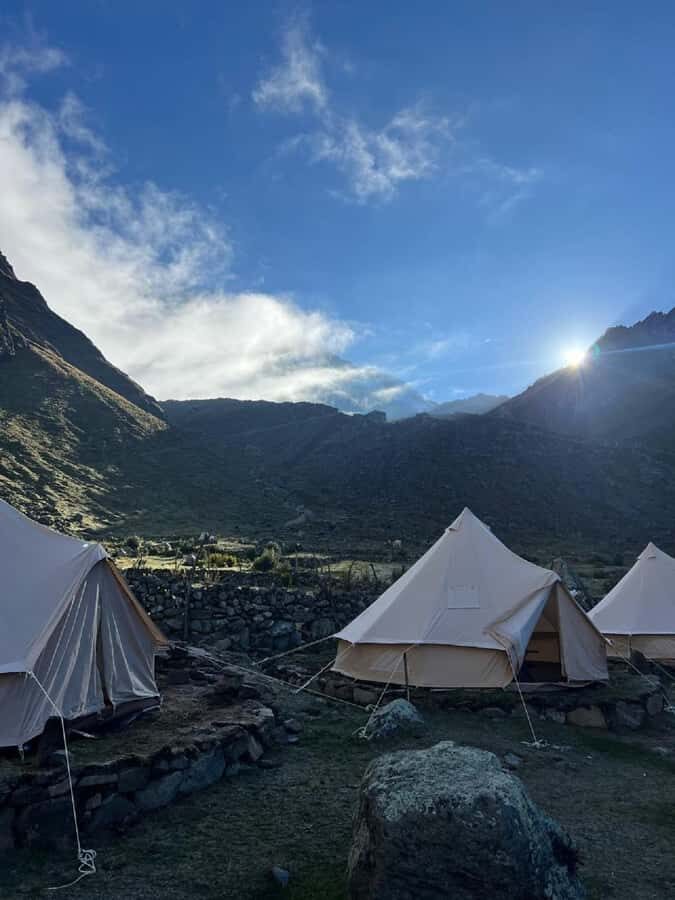
This specific version adds a “premium camping” feel. Instead of roughing it with zero comfort at night, you’re set up with a spacious dining tent and a kitchen, plus a sleeping bag. Translation: you can focus on walking in the day and recovering at night, without spending energy figuring out how your group will eat or where you’ll sleep.
And yes, it’s still challenging. The itinerary totals about 64 km / 39 miles over four long hiking days. Each day is roughly in the 6–7 hour range, which means you’re living in your daypack for multiple stretches.
You can also read our reviews of more tours and experiences in Machu Picchu.
Price and value: what $510 includes (and what you still cover)
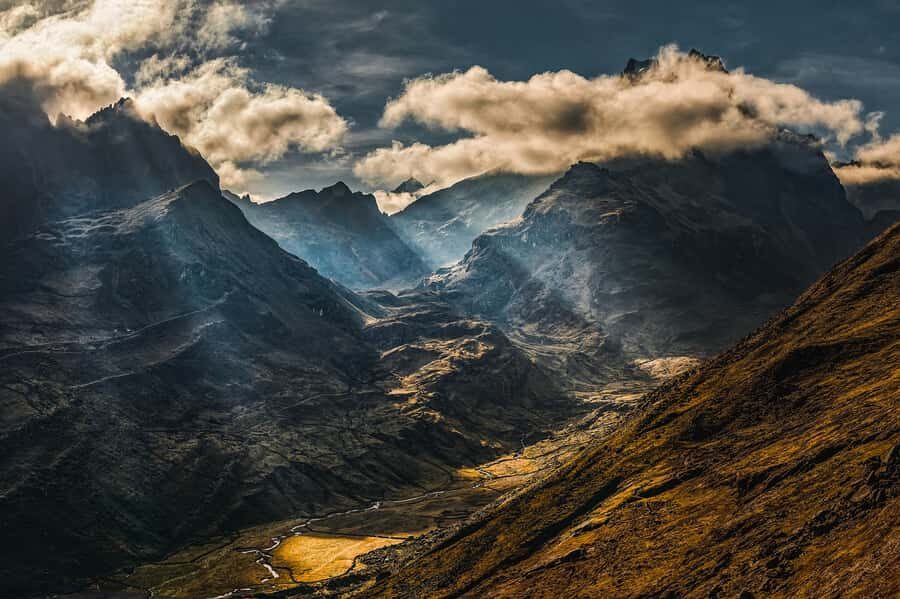
At $510 per person for 5 days, the big question is value for the hard-to-plan parts: transport, tickets, guide time, and the “Machu Picchu day” headache.
Here’s what you’re covered for:
- Transfers throughout the trip
- Machu Picchu citadel entrance ticket and the round-trip bus to the site
- Entrance ticket to the Mollepata–Salkantay route
- 3 nights campsite plus 1 night hotel in Machu Picchu Pueblo (Aguas Calientes)
- A professional bilingual guide (English)
- Chef and assistants, plus the food listed in the itinerary
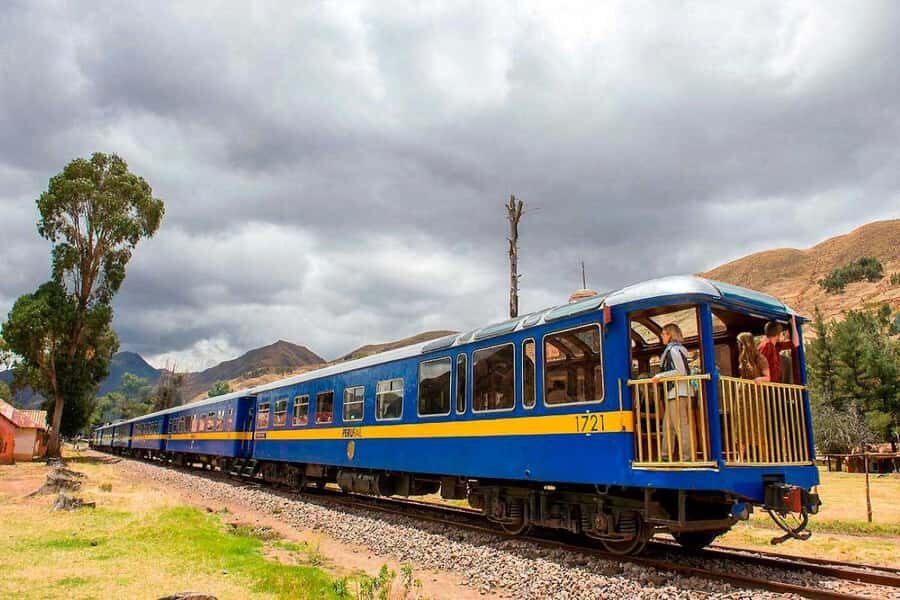
- Train back from Aguas Calientes to Ollantaytambo, and then transport from Ollantaytambo to Cusco
- Sleeping bag
What you’re not covered for:
- Your first breakfast and the last day lunch and dinner
- Optional viewpoint tickets: Huayna Picchu and Montaña Machu Picchu are not included
- Personal care items
My take: the price looks fair if you like your trek packaged end-to-end. The included train and bus alone save you time and stress on the most schedule-sensitive day. If you plan to add Huayna Picchu or Montaña, you should budget extra.
The “premium camping” reality: food, tents, and recovery
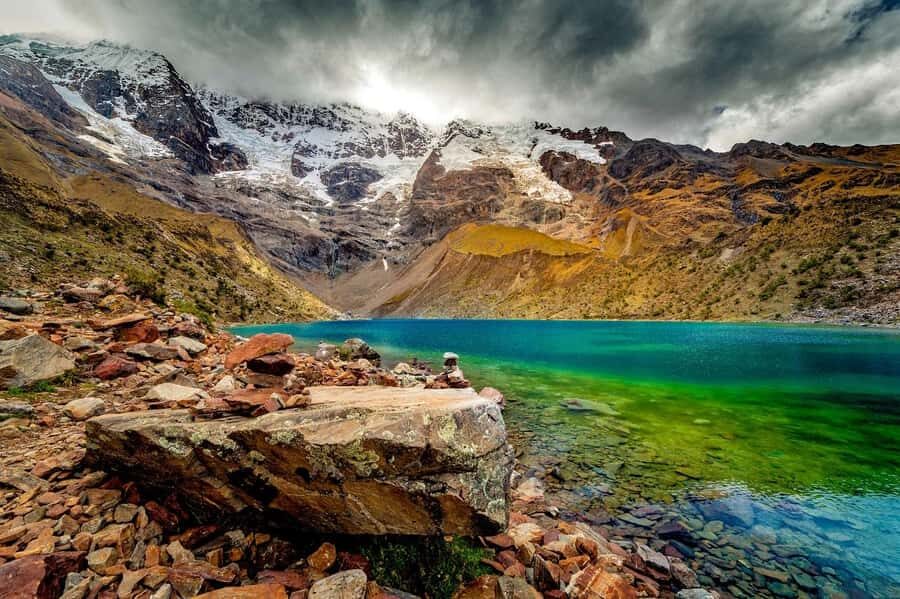
Camping on SalkantayPampa changes the vibe. You’re not just passing through villages. You’re part of a moving base: a dining tent for meals, a kitchen team, and a sleeping setup designed for the cold and the long walking.
You’ll get food as mentioned in the itinerary, and vegetarian options are available. That matters more than people think. When you’re hiking hard, small food problems become big problems fast.
The sleeping bag is included, but you still need to bring the rest of your cold-weather game. Your packing list explicitly mentions snow clothing, which is a clue to take mornings and nights seriously—even if you’re starting in Cusco. Also pack a flashlight. In camp life, that can mean the difference between quick comfort and a slow, awkward scramble.
Day 1: Cusco to Humantay Lake and basecamp at SalkantayPampa
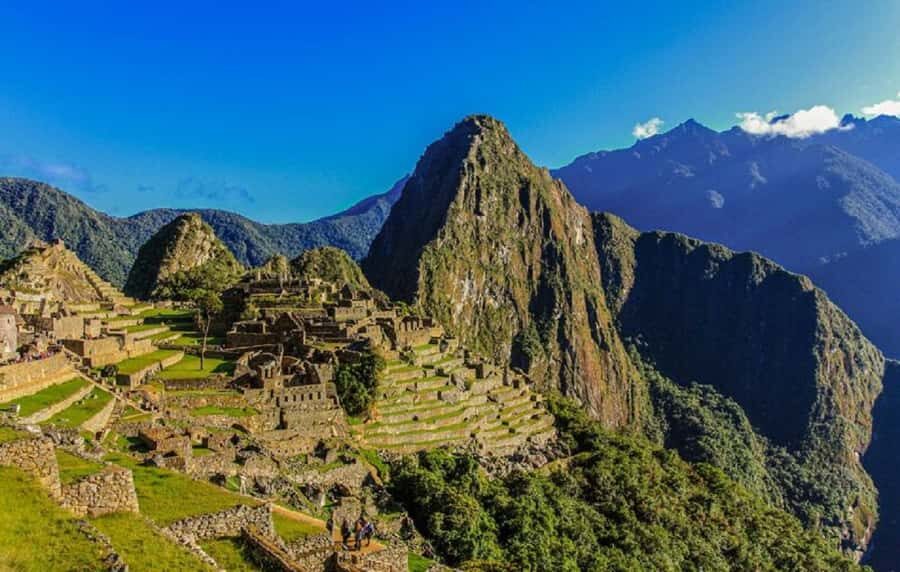
Day 1 is all about warming up your legs while building excitement. You’ll start in Cusco, head toward Humantay Lake, then continue to basecamp at SalkantayPampa. The hiking portion is about 16 km (around 7 hours).
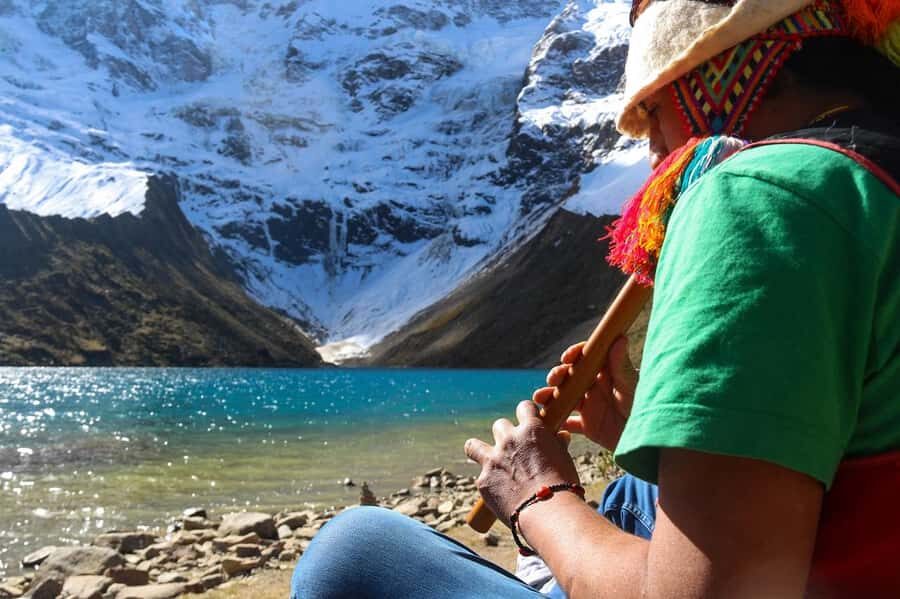
Humantay Lake is a great first “wow” stop. It’s also a useful mental reset. After travel time and Cusco energy, you get a clear, scenic break—then you switch into trek mode.
After that, you’ll reach camp. This is where the premium part really helps: you’re not arriving at a chaotic, guess-it-yourself campsite. There’s a dining tent setup and kitchen support, plus a sleeping bag so you can settle in and get rest.
What to watch: Day 1 is long. Even if you feel fine, your muscles often tighten later. Start slower than you think you need to on the climb, because you’ll be doing this again on Day 2.
Day 2: SalkantayPampa to Chaullay (the long day that builds grit)
Day 2 stretches you with about 18 km (around 7 hours) from basecamp SalkantayPampa to Chaullay. If Day 1 is your welcome, Day 2 is the test run for your pace.
This day matters because it sets how you’ll handle the rest of the trek. The best strategy is consistency: steady effort, frequent small breaks, and not sprinting just because you see something photogenic around the next corner.
Chaullay gives you a chance to reset before Day 3. This is also when you’ll start noticing how your group gels—especially because the trek is limited to 15 participants. In a smaller group, you tend to get fewer bottlenecks and more patience with each other, which helps when you’re tired.
What I’d consider: if you’re the type who needs constant structure, this kind of trek can feel “less predictable” than a city tour. It’s not chaos, but you should expect a trek rhythm that runs on trail time, not clock time.
Day 3: Chaullay to Lucmabamba, with a slightly shorter grind
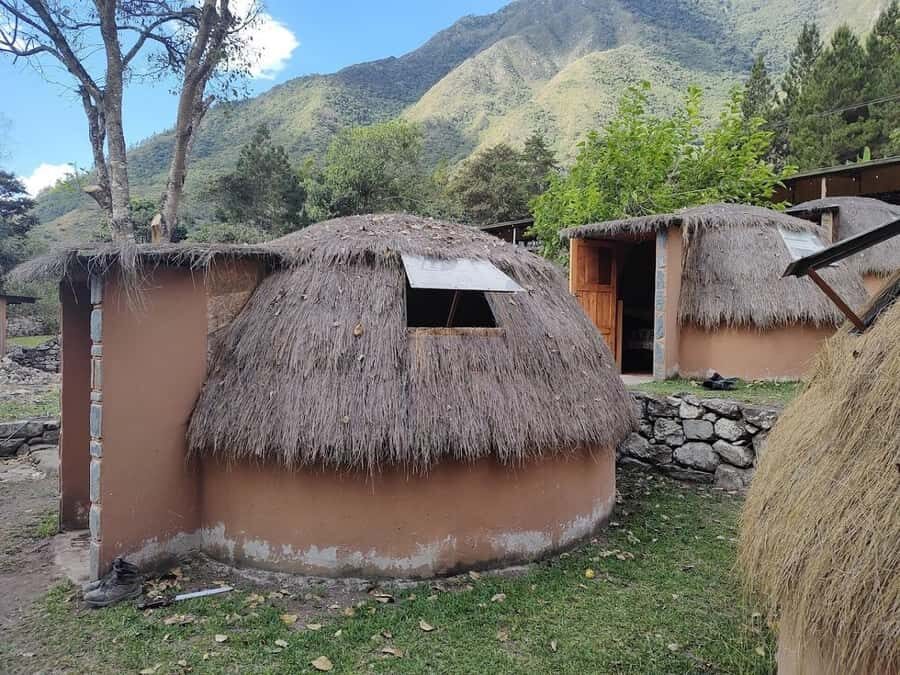
Day 3 covers about 16 km (around 6 hours) from Chaullay to Lucmabamba. It’s a bit shorter on paper than Day 2, but don’t assume it’s easy. With trekking, “shorter” often just means you can feel more tired in a different way.
Lucmabamba is a key step toward the final approach. This is also where you’ll see how the route flows from higher trail segments down toward the Machu Picchu region.
If you’ve listened to your body the first two days, you’ll likely arrive in better shape on Day 3. If you went too hard early, Day 3 is when the bill comes due.
Small practical tip: keep your daypack light and predictable. You’ll want quick access to essentials like your daypack, charged smartphone for photos, and a garbage bag (packed trash matters on the route). Don’t bury your warm layer deep in the bag.
Day 4: Llactapata to Hydroelectric to Aguas Calientes
Day 4 is about finishing strong. It’s roughly 14 km (around 6 hours) from Lucmabamba to Llactapata, then through Hydroelectric, ending in Aguas Calientes (Machu Picchu Pueblo).
This is the day you’ll feel the most “tired but charged.” You’ve been walking for days, but the end is near. Also, this is a logistically important day because Aguas Calientes is where your Machu Picchu morning starts.
You’ll spend one night in a hotel in Aguas Calientes. That night matters. Treat it as recovery time. Eat well, hydrate, and try to sleep like your legs depend on it—because they do.
What to watch: your energy management is the difference between a smooth Machu Picchu day and a shaky one. Keep your warm clothes ready. Your packing list includes snow clothing and closed-toe shoes, which tells you weather can shift on these final approaches.
Day 5: Machu Picchu citadel by bus, then train and Cusco return
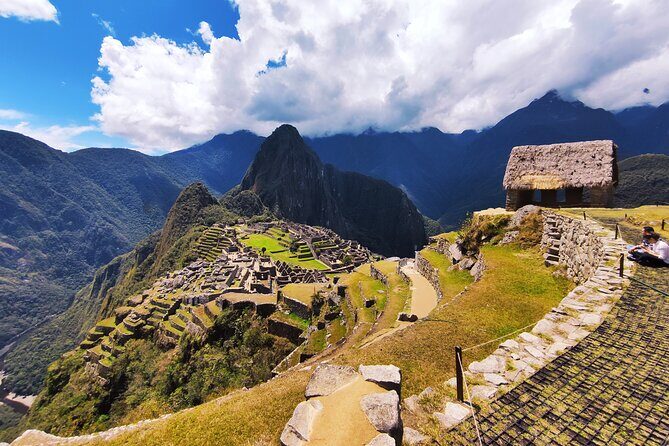
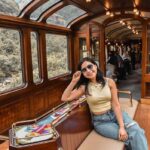
On the final day, you’ll do Machu Picchu citadel with a round trip bus included. After that, the schedule leads you back toward Cusco.
The route back is practical:
- Train back from Aguas Calientes to Ollantaytambo is included
- Then transportation from Ollantaytambo to Cusco brings you to the finish
This is the part where optional viewpoints can matter. Your package includes the Machu Picchu entrance, but Huayna Picchu and Montaña Machu Picchu are not included. So if those add-ons matter to you, you’ll need to handle them separately and plan carefully for timing.
One more note: this trek is moderate to challenging. That means your Machu Picchu day will feel extra worthwhile because you earned your place there. But it also means you’ll want to manage expectations. You’ll likely be walking through sight-dense terrain after a multi-day trek, so wear shoes you trust.
Guides, group size, and the small decisions that change everything
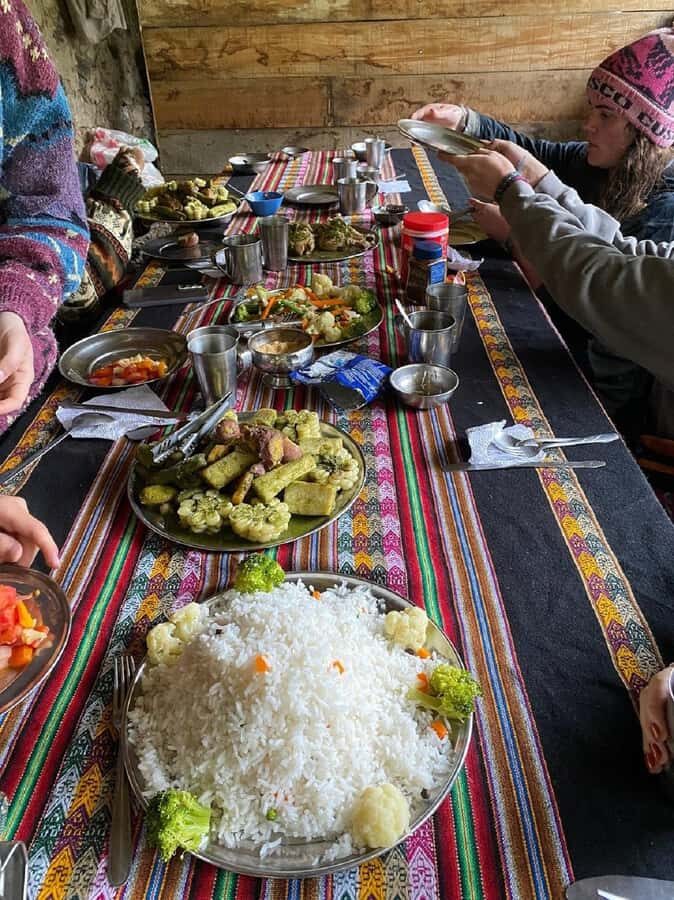
This trek runs with a professional bilingual guide in English, plus a chef and assistants. The group limit of 15 participants is there for a reason: it keeps the trek from turning into a line of people moving at different speeds.
One guide name did stand out in the feedback you shared: Eduardo. When a guide connects the trek to the nature and traditions around it, the trail feels less like a workout and more like learning. I’d look at this trek as a chance to ask questions and slow down just enough to understand what you’re walking through.
Now the balanced part: not every booking runs perfectly. There’s at least one example where organization broke down and the guest reported no radio backup when they were sick, plus issues like changing guides mid-trek and losing time dealing with Machu Picchu tickets. I can’t promise you won’t face problems on any trek—but you can reduce your risk.
My practical advice:
- When you get your guide, ask them clearly how emergency communication works on the trail.
- Confirm whether the same guide stays with your group for the full trek.
- Ask how Machu Picchu tickets are handled and when you need to be ready in Aguas Calientes.
What to pack (and what not to): the exact gear list you’ll feel grateful for
You’ll carry your own daypack, and the goal is functional, not fashion. Here’s what your list says to bring, and why it’s worth it:
- Passport: needed for entry processes
- Closed-toe shoes: no open-toe risk on rough trail days
- Hat and biodegradable sunscreen: sun is still a thing while you’re walking
- Comfortable clothes + snow clothing: mornings and evenings can bite
- Flashlight: useful in camp and around early starts
- Charged smartphone: photos and basic coordination
- Change of clothes: a comfort reset in Aguas Calientes can help you sleep
- Garbage bag: pack out what you pack in
- Personal medication: bring what you need, and keep it accessible
Not allowed items matter because they can cause last-minute problems:
- Oversize luggage, strollers, alcohol and drugs
- Electric wheelchairs and crutches
- Open-toed shoes
- Nudity
Also: there’s a clear pickup instruction—be ready at your hotel lobby about 10 minutes before the pickup time, and you’ll be met by a driver holding a sign with the company logo and their surname. That’s easy if you’re organized. It’s a headache if you’re late, so set a real alarm.
Who should book this trek (and who should skip it)
This hike is moderate to challenging, with long days and multiple days in a row. It’s a good match if you like planning your day around your own effort and you’re excited to earn Machu Picchu on foot.
It’s not suitable for:
- Children under 5
- Pregnant women
- People with back problems or heart problems
- People with mobility impairments
- People over 70
- Wheelchair users
If you fall into any of those categories, this trek may not be worth the risk. Pick a different route that better fits your body and energy level.
Should you book the Salkantay trek premium package?
If you want a guided, ticketed, mostly handled-to-the-detail trek—with camping at SalkantayPampa, meals planned, and the biggest logistics handled—you’ll likely like this. The value comes from getting the hard parts bundled: Machu Picchu bus and entrance, the included train back, and a guide and camp team.
But I’d book with your eyes open. With a small number of past reviews and at least one serious complaint about organization and emergency handling, you should do two things before paying:
1) Ask how emergency communication works on the trail.
2) Confirm whether your group keeps the same guide through the full trek and how they handle Machu Picchu ticket timing in Aguas Calientes.
If those answers feel solid, this is a strong way to experience Salkantay. You’ll walk, you’ll camp, you’ll arrive tired, and then you’ll get the payoff at Machu Picchu citadel—by a route that feels like you actually went somewhere.
FAQ
What is the duration and hiking distance for this Salkantay trek?
It runs 5 days / 4 nights and covers about 64 km (39 miles) of hiking.
How big is the group and what language is the guide?
The group is limited to 15 participants, and the live guide speaks English.
What transportation is included for Machu Picchu?
You get a round trip bus to the Machu Picchu citadel, plus the train back from Aguas Calientes to Ollantaytambo and transportation from Ollantaytambo to Cusco.
Are Huayna Picchu or Montaña Machu Picchu included?
No. Huayna Picchu and Montaña Machu Picchu entrances are not included.
What meals are included?
Food is included as mentioned in the itinerary. The first breakfast and the last day lunch and dinner are not included.
What should I bring and what’s not allowed?
Bring items like your passport, hat, daypack, closed-toe shoes, biodegradable sunscreen, flashlight, and a garbage bag. Oversize luggage, alcohol and drugs, open-toed shoes, and certain mobility aids are not allowed.