REVIEW · CUSCO
Full-Day Puno to Cusco Coach Ride with Lunch
Book on Viator →Operated by Inca Lake · Bookable on Viator
A long ride can feel like punishment. This one feels like payback. You get a coach straight from Puno to Cusco with timed stops in places most people rush past, including La Raya Pass at 14,100 feet. What I like most is the structure: a real guide and a calm driver, with names like Roli the guide and Mauro behind the wheel popping up in the kind of feedback that matters. You also get a full buffet lunch, not a sad snack that leaves you hunting for food later.
Two more things I love: the way the stops connect—Pukara, then a high pass, then major Inca religious sites, and finally a church famous for mixing Andean and Catholic art. Second, the comfort and organization for such a long day; people call out smooth hotel-to-bus transfers and a coach experience that feels far steadier than last-minute seat scrambling.
One possible drawback: it is a full 12-hour day with early timing, and each site is relatively short. If you like to linger, plan to treat these stops as highlights, not deep study sessions. Also, entrance costs are extra and paid in cash.
In This Review
- Key things to know before you go
- Puno to Cusco by coach: why this drive feels like part of the trip
- The 6:20 am start and how the day stays manageable
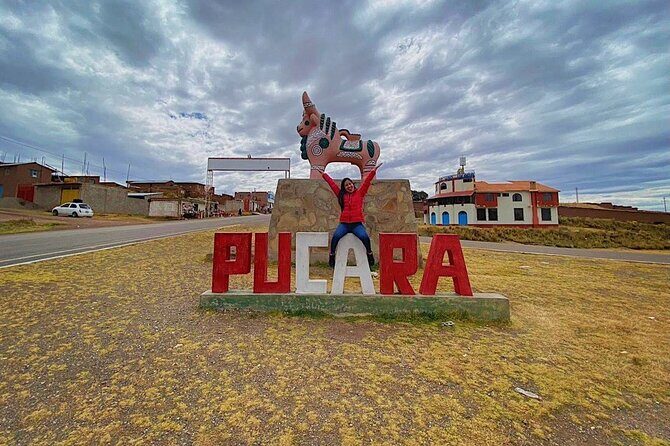
- Stop 1: Museo Litico Pukara and the Pukara story in stone
- La Raya Pass at 14,100 feet: views, border clues, and alpaca herders
- Parque Arqueologico de Raqchi (Temple of Wiracocha): Inca engineering in a quick hit
- San Pedro Apostol de Andahuaylillas: why this chapel earns its nickname
- Comfort, pacing, and the kind of guide you want on a long route
- Price and value: what $89.95 really covers
- Who should book this Puno to Cusco coach day, and who might not love it
- Should you book this tour?
- FAQ
- How long is the Puno to Cusco coach ride with lunch?
- What time does the tour start?
- Is hotel pickup included?
- Is the guide available in English?
- Is lunch included?
- Are entrance tickets included in the price?
- How do I pay for entrance fees?
- What sites are included on the route?
- How big is the group?
- What is the cancellation policy?
Key things to know before you go
- Early 6:20 am departure means you will start your day before Cusco has even fully woken up
- La Raya Pass (4,300 m / 14,100 ft) is a quick stop with real altitude bragging rights
- Four major stops cover archaeology, a high mountain pass, an Inca temple, and Andahuaylillas church
- Hotel pickup + English guide makes the long drive feel guided instead of chaotic
- Entrance fees cost extra (55 soles, cash), even though lunch and the route are included
Puno to Cusco by coach: why this drive feels like part of the trip
Taking a bus from Puno to Cusco is one of those unavoidable travel chores. The smart move is to make it useful. This tour turns the transfer into an actual route through the Andes, with story-driven stops rather than just a highway ride. You’re not just watching scenery from a window; you’re getting context for what you’re seeing.
I also like the pace for most travelers. The day has a rhythm: short museum time, a photo-and-views pass, and brief but meaningful visits to Inca and colonial-era sites. It works especially well if you’re short on days and want to arrive in Cusco with your head already in the right place—history, altitude, and culture all introduced in one go.
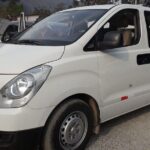
The group size stays small (up to 20), which helps you feel like you’re on a tour, not a cattle-line schedule. And yes, the vehicle is air-conditioned, which is a quality-of-life detail you appreciate once you’re on a long day.
You can also read our reviews of more tours and experiences in Cusco

The 6:20 am start and how the day stays manageable
Start time is 6:20 am. That is early. But here’s the practical advantage: you get the big driving window done without losing half the day after you arrive.
The itinerary is also built to reduce the worst kind of boredom. Instead of sitting for hours with nothing but road noise, you’re scheduled for breaks that also happen to be worthwhile stops. The longest stop is the Pukara museum at about 30 minutes. The other key photo-and-sight moments are around 15 minutes each, including La Raya Pass, Raqchi, and Andahuaylillas.
That short timing is both a feature and a warning. It’s a feature because you keep the day moving and hit the big names. It’s a warning if you want to read every plaque and take 40 photos from the same angle. If you’re a slow traveler, bring extra patience. If you’re a “see it, get it, move on” traveler, you’ll be happy.
You also only need moderate physical fitness. These stops are not described as intense hikes. Still, you will be at high altitude at La Raya Pass, so factor in how you personally handle altitude and breathing.
Stop 1: Museo Litico Pukara and the Pukara story in stone
Your first scheduled stop is the Museo Litico Pukara, located in Pukara. This is a museum that leans into a specific theme: how the Pukara culture lived, worked, and believed long before the Incas dominated the region.
What I like about this stop is that it gives you a different kind of Peru. You’re not only seeing Inca monuments. You’re meeting another local culture with its own style of carving and craft. The museum collections include stone sculptures, ceramic vessels, and textiles. Even if you don’t read every caption, the mix of materials helps you understand that everyday life and spirituality were tied together.
A standout detail here is the presence of special stones with two sides. That connects to an Andean idea of duality—balance between opposing forces like light and dark, or life and death. It’s the kind of concept that makes later sites feel less random, because the whole region uses symbolism in the built world.
The visit time is about 30 minutes, and admission is not included. If you’re the type who likes museums but hates rushing, plan to focus on the main displays and skip the urge to see every single item. This is a “make sense of it fast” stop, and that’s fine.
La Raya Pass at 14,100 feet: views, border clues, and alpaca herders
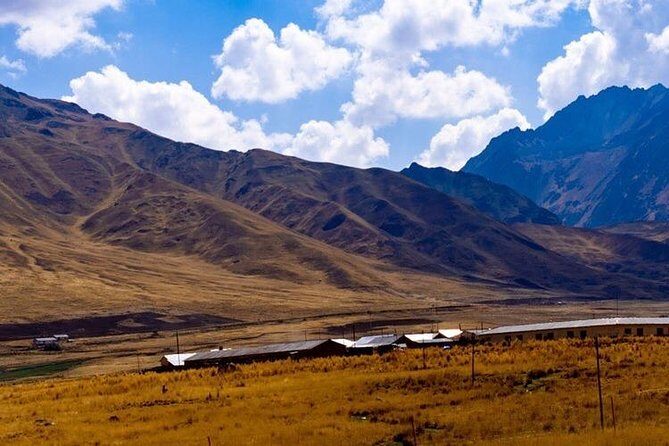
Then you’re climbing to La Raya Pass. This is the highest point of the journey, listed at 14,100 feet (4,300 meters). That alone is reason enough to pay attention. At this altitude, everything feels sharper—your awareness, your photos, even your sense of how high you really are.
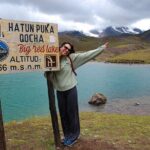
The stop is short, about 15 minutes, but it’s built for impact. You get expansive views of the surrounding hills and peaks, plus freshwater pools in the area. It’s the kind of place where your camera will get used even if you usually prefer not to.
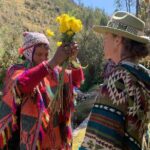
What makes La Raya more than a viewpoint is the cultural meaning. It marks a border between the Puno and Cusco regions. You also see how local herders move through the area with traditional Andean clothing made from alpaca wool. Along the route, llamas and alpacas graze, which gives the stop a living, everyday feeling rather than a purely scenic one.
Practical tip: because it’s high and you’re outside, bring your comfort basics. Layers help, and slow breathing helps. No need to be tough about it.
Parque Arqueologico de Raqchi (Temple of Wiracocha): Inca engineering in a quick hit
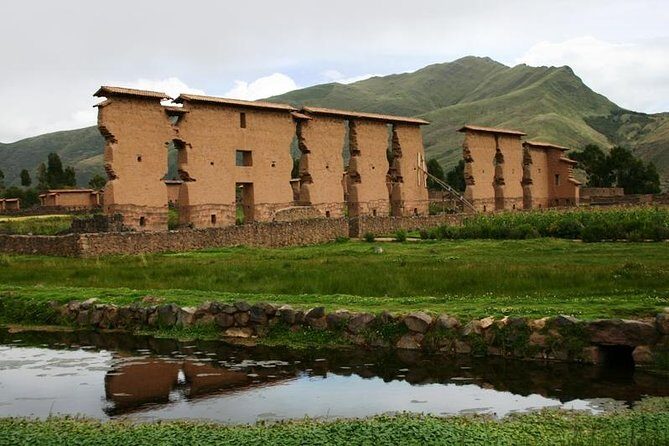
Next comes Raqchi, known for the Temple of Wiracocha. This temple is dedicated to Wiracocha, an Incan creation deity associated with the sun and earth. You can feel why this matters: it isn’t just a building. It’s a statement about how the Inca viewed the universe.
Construction is dated to the 15th century during the reign of Huayna Capac. The main structure is a huge central rectangular wall, surrounded by rows of columns. There are also open courtyards that were used for ceremonies. What’s especially cool is the craftsmanship: stones cut and fitted carefully without mortar.
Even in a short visit (about 15 minutes), you can catch the logic. This is architecture designed to last and to impress, with the kind of engineering that doesn’t need fancy decoration to make a point. There are also ruins of storehouses (qolqas) and living quarters, which helps you understand the temple wasn’t alone out in space—it connected to people and systems.
Entrance tickets are not included, so plan on paying onsite. If you only have one chance to take in Raqchi on this route, focus on the layout and construction details rather than trying to memorize every term.
You can also read our reviews of more tours and experiences in Cusco
San Pedro Apostol de Andahuaylillas: why this chapel earns its nickname
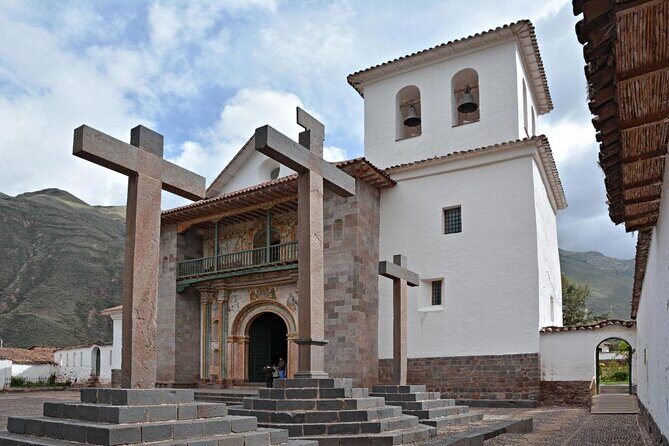
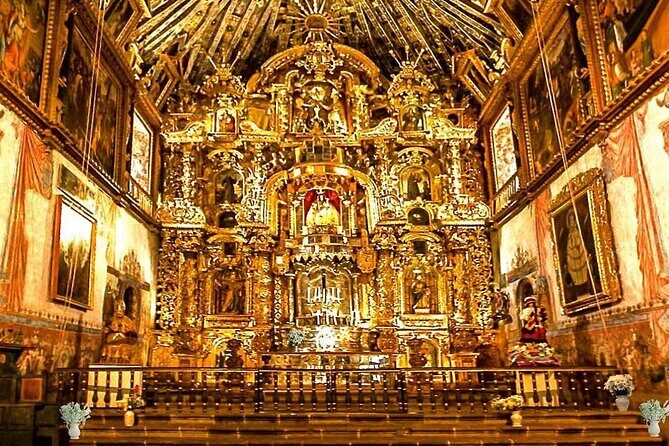
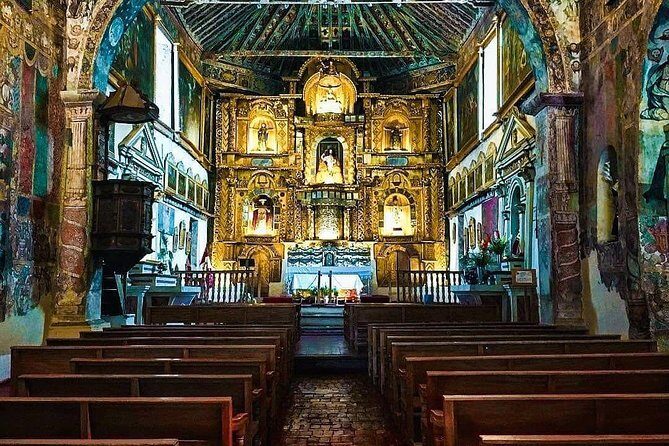
Andahuaylillas is the stop many people talk about, and with good reason. The San Pedro Apóstol Chapel is often called the Sistine Chapel of the Americas, and the description fits: ornate baroque details mixed with a deep Andean layer of meaning.
The church was built by Jesuits in the 16th century, and it sits atop a pre-Columbian huaca, a sacred site used by earlier Andean cultures for ceremonies. That means you’re not just looking at Catholic art transplanted into Peru. You’re seeing a blending of Inca-era sacred space and later Christian symbolism.
The chapel is known for its painted ceiling and intricate religious artwork—Bible scenes paired with Andean mythology. There are ornate altars and frescoes, and the overall effect is a very visual kind of storytelling. If you love art and symbolism, this is where your attention should go during the short visit.
Timing is about 15 minutes. That can feel rushed if you stop to stare at everything. But the flip side is that you get the emotional hit without the fatigue of a long museum day. Try to pick one element to focus on—ceiling painting or the altar artwork—and let that anchor your memory of the place.
Comfort, pacing, and the kind of guide you want on a long route
A long coach day lives or dies on two things: comfort and communication. This tour is set up with both in mind.
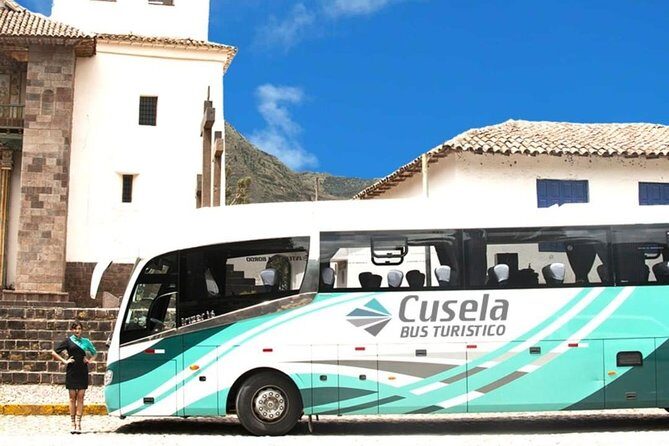
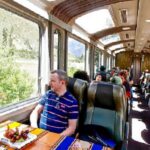
First, the vehicle is air-conditioned. That matters more than you might think when you’re moving for most of the day. Second, the driver is described as prudent, which is a big deal when you’re climbing and descending mountain roads.
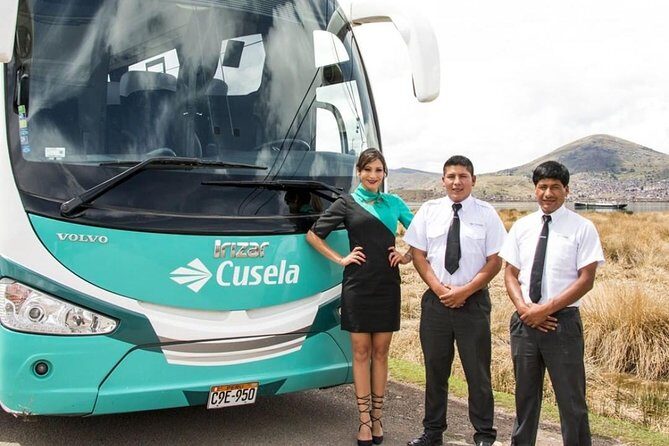
Then there’s the guide. English-speaking guidance is included, and the feedback you can find consistently highlights knowledgeable explanations, not just stop-and-go logistics. Names like Rodrigo and Roli come up, tied to tours that felt well organized and informative. One key point I like: good guides don’t just repeat facts about places. They connect geography and history so you understand why each stop fits the route.
Also, there’s a proper lunch buffer built into the day. You get a buffet lunch included, and it’s described as more than basic fuel, served in a pleasant setting. The only caution is that food and drinks beyond lunch are not specified as included, so don’t expect the lunch table to solve your whole hydration and snack needs.
Price and value: what $89.95 really covers
The price is $89.95 per person, and the tour is typically booked about 22 days in advance on average. That timing isn’t about you needing to rush; it’s usually a sign that people plan early for popular routes.
Here’s the real value picture:
- You’re paying for the long-distance coach ride with hotel pickup.
- You’re getting an English-speaking guide.
- Lunch is included as a buffet.
- You’re also getting access to major route stops along the Andes.
Now the catch: entrance fees are not included in the base price. Entrance tickets are listed as 55 soles for all attractions, cash only, and there’s a specific 55 soles entry fee for San Pedro Apóstol de Andahuaylillas. Translation: bring cash and plan to pay that amount onsite.
This can still be great value because the tour gives you structure and saves time. Without it, you’d have to coordinate transport, entrance schedules, and guides (and that’s where many budget plans get messy). The most cost-effective approach is to budget for the extra 55 soles and not be surprised mid-day.
Who should book this Puno to Cusco coach day, and who might not love it
This is a strong match for:
- You want an efficient day that turns the transfer into sightseeing
- You prefer coach travel over arranging multiple connections
- You like guided stops with a clear schedule
- You need lunch included without hunting for a restaurant between bus changes
It may not be the best fit if:
- You want lots of time at each site. The stops are short by design.
- You’re highly sensitive to early starts. 6:20 am is not negotiable.
- You dislike paying entrance fees onsite in cash. You will need cash for the sights.
Also, if you’re the kind of traveler who hates groups, this one stays small (max 20), which helps. It’s not described as huge or crowded, and the comfort/organization feedback is a positive sign.
Should you book this tour?
If you want the most straightforward way to go from Puno to Cusco while still seeing meaningful sights, I’d book it. The big reason is simple: you’re not choosing between transportation and culture. You get both in one long day, with lunch and a guide already handled.
Just go in with the right mindset. This isn’t a slow, sit-down tour where you study every wall for hours. It’s a highlights route with strong stop selection: Pukara culture at the museum, a high pass moment at La Raya, an Inca temple at Raqchi, and a church stop that mixes Catholic and Andean art in a very visual way.
If that sounds like your style, you’ll likely feel good landing in Cusco already tuned in to what you’re about to explore next.
FAQ
How long is the Puno to Cusco coach ride with lunch?
The duration is about 12 hours.
What time does the tour start?
Pickup starts at 6:20 am.
Is hotel pickup included?
Yes, pickup is offered.
Is the guide available in English?
Yes, the tour includes an English-speaking guide.
Is lunch included?
Yes, a buffet lunch is included.
Are entrance tickets included in the price?
No. Entrance tickets are not included, and the listed total is 55 soles for all attractions.
How do I pay for entrance fees?
Entrance tickets are cash only.
What sites are included on the route?
The stops include Museo Litico Pukara, La Raya Pass, Parque Arqueologico de Raqchi (Temple of Wiracocha), and San Pedro Apóstol de Andahuaylillas.
How big is the group?
The maximum group size is 20 travelers.
What is the cancellation policy?
Free cancellation is allowed up to 24 hours before the experience start time for a full refund.