REVIEW · CUSCO
Excursion + Sillar and Culebrillas Route in Arequipa
Book on GetYourGuide →Operated by Inspires Viagens · Bookable on GetYourGuide
White stone meets ancient canyon art. On the Sillar and Culebrillas Route in Arequipa, you get a hands-on look at where sillar came from in working quarries, plus a canyon walk where the walls climb skyward and old Wari petroglyphs are visible.
I especially like the mix of real production and real culture. You’ll see active quarry work in Añashuayco and then step into Quebrada de Culebrillas for a short, guided walk that feels like you’re moving through time. One practical heads-up: if you run hot, note that at least one rider reported the bus had no air conditioning.
In This Review
- Key highlights you’ll actually feel
- Getting oriented: what this route is really about
- 09:15 start and the volcano viewpoints you’ll pass
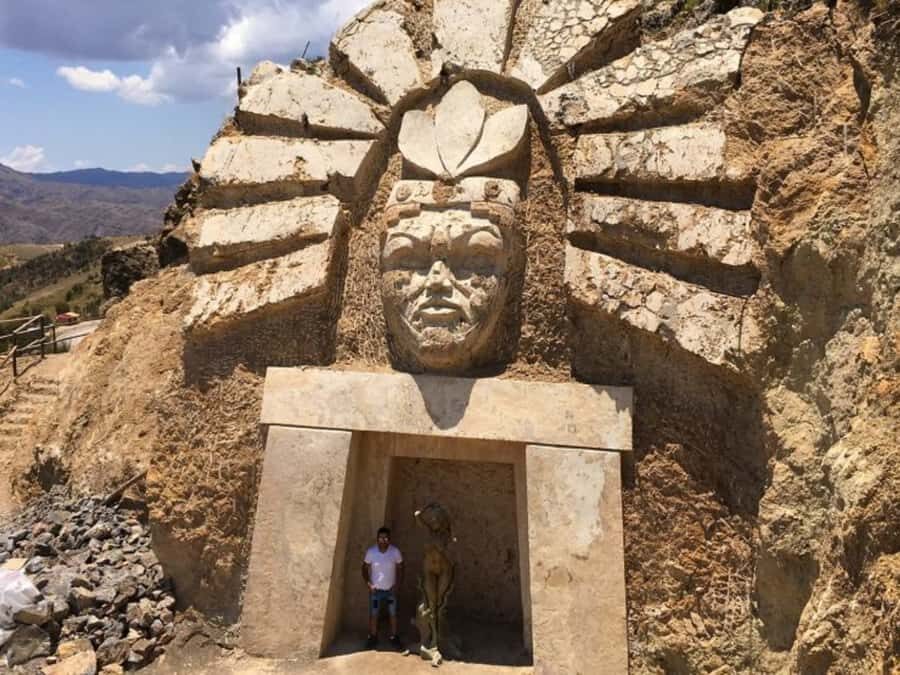
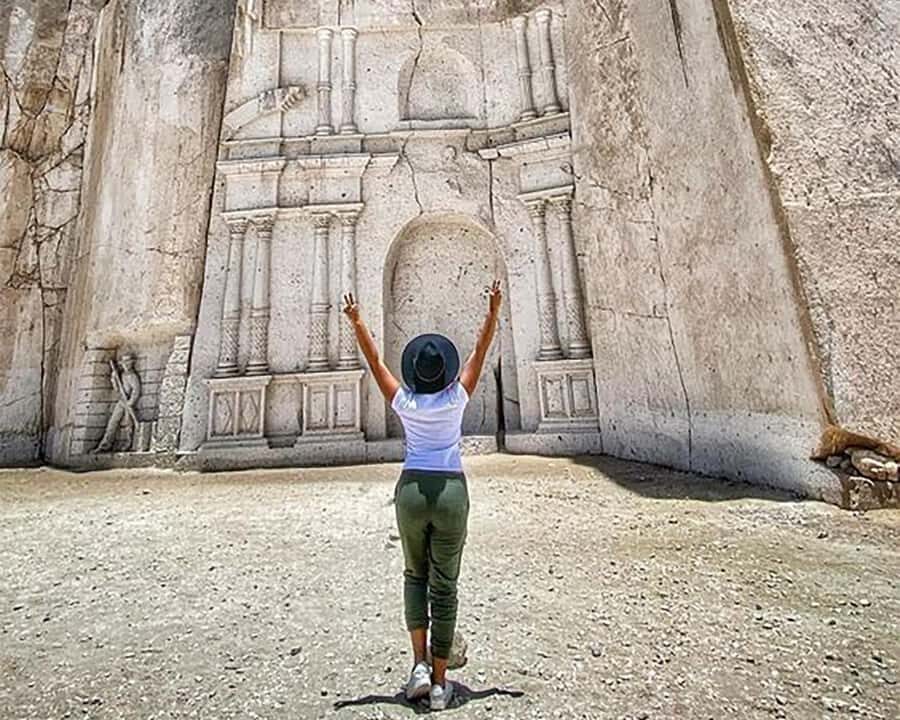
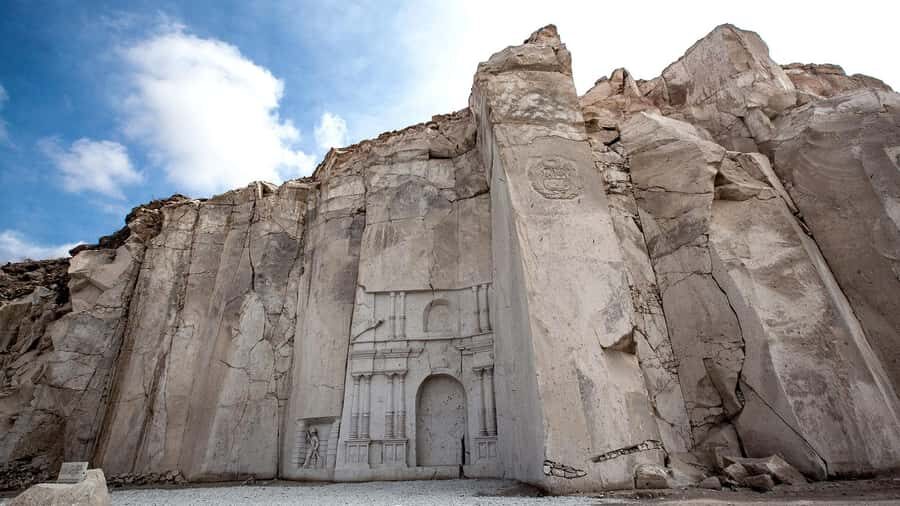
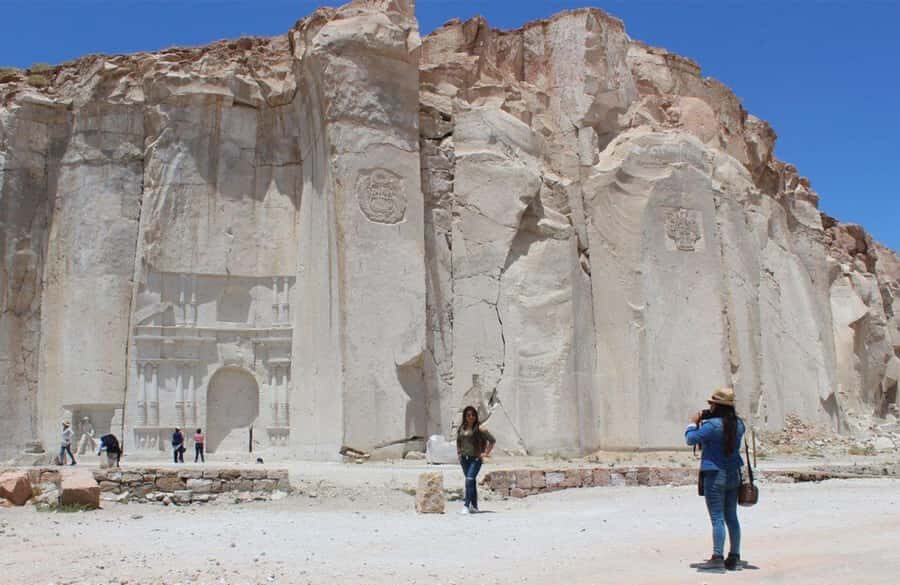
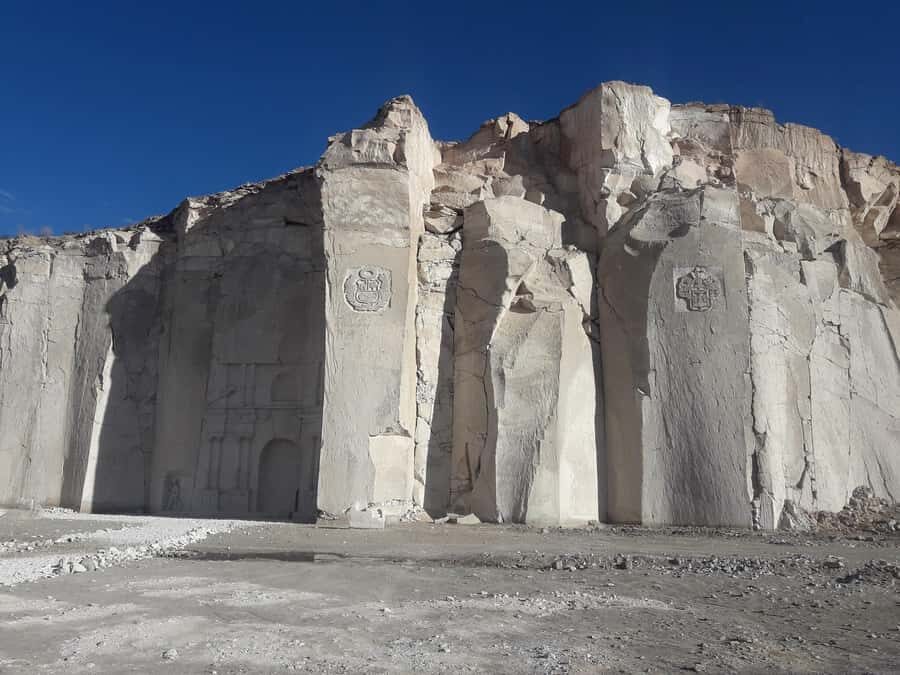
- Añashuayco Quarry: ignimbrite walls, living labor, and a huge church carving
- The Mega-carving of the Church of the Society of Jesus
- Hands-on moment with a quarryman
- The walk into Quebrada de Culebrillas and the Wari petroglyphs
- How to get the most out of the petroglyph moment
- Apachetas: stone piles, gratitude, and good-luck vibes
- 4 hours in motion: transport, timing, and your Plaza de Armas drop-off
- What I’d watch out for
- How far you’ll walk
- Price and tickets: where the value really is
- Who should book this Sillar and Culebrillas route
- Should you book it?
- FAQ
- How long is the Arequipa Sillar and Culebrillas excursion?
- What does the $14 price include?
- Do I need to pay entrance tickets?
- What languages is the tour guide available in?
- What are the main stops on this route?
- Where do you get dropped off in Arequipa?
- Is the bus air-conditioned?
Key highlights you’ll actually feel
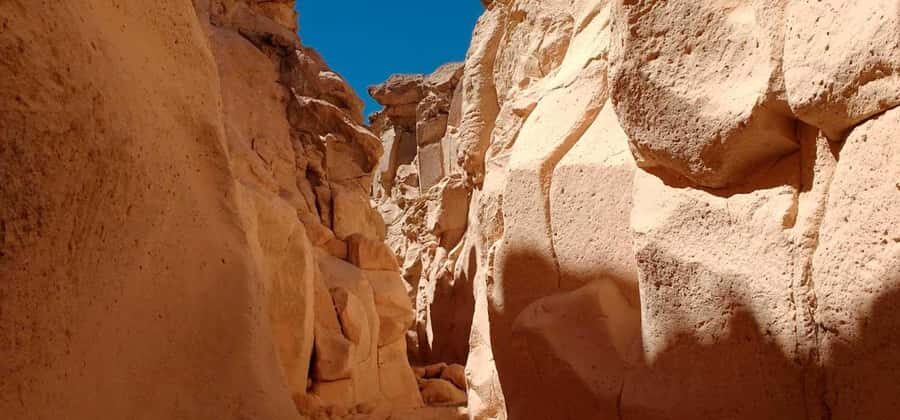
- Working quarry views at Añashuayco: massive ignimbrite cliffs formed by extraction for sillar.
- Mega-carving at the quarry: a large-scale carving of the Church of the Society of Jesus made by local stonemasons.
- You can meet a quarryman: he can explain his daily routine and let you try cutting a stone block.
- Culebrillas canyon walk: about 20 minutes inside a narrow canyon with walls roughly 15 to 20 meters tall.
- Wari petroglyphs: old rock markings you can spot at the end of the walk.
- Apachetas on the way back: stacked stone piles tied to gratitude and good luck.
Getting oriented: what this route is really about
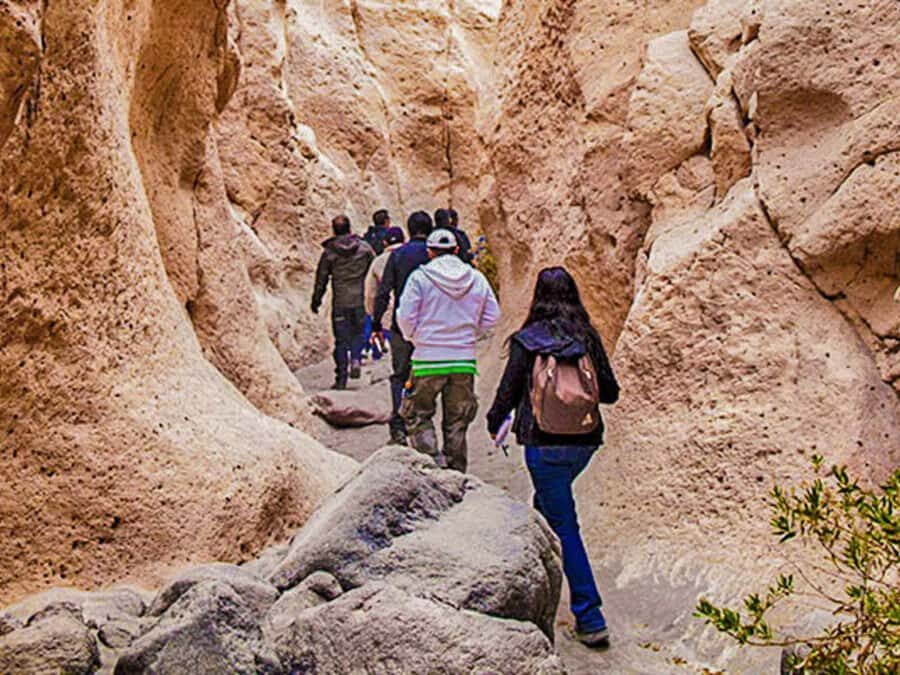
This tour is built around two places that explain Arequipa’s stone story in a direct, visual way. First you focus on sillar—how it’s produced and what the stone shaped over time—then you shift to Culebrillas, where water carved a canyon and left behind traces of earlier cultures.
What makes this outing worth your time is that it’s not just a viewpoint stop and a quick photo. You’re moving between a working quarry and a small canyon that you walk into. That change of scenery keeps you engaged, and it also makes the guide’s explanations easier to understand because you’re seeing the evidence right in front of you.
If you like places where the past is still present in daily work—hand tools, stone blocks, and lived-in craft—this one fits. If you only want polished, slow museum vibes, you might prefer a more urban tour. Here, you’re in motion, and the sights come from the real terrain.
You can also read our reviews of more tours and experiences in Cusco.

09:15 start and the volcano viewpoints you’ll pass
At 9:15 am, the day starts with the journey toward the Sillar Route, a tourist route tied to history and living local culture. Before you get fully into the quarries, you cross a strategic viewpoint where you can see the volcanoes and the Chilina Valley.
Depending on the time of year, the start may include an alternate traditional viewpoint as well. That means you may get slightly different sightlines, but the goal stays the same: get your bearings fast, then head to the stone sites while you can still connect the views to what you’ll learn.
These stops matter more than they sound. They give you context for why this region’s geology is so visually dramatic, and they set up the next big theme: the stone you’re about to see didn’t appear by accident. You’ll understand the scale better once you’ve looked out over the valleys and volcanoes first.
Añashuayco Quarry: ignimbrite walls, living labor, and a huge church carving
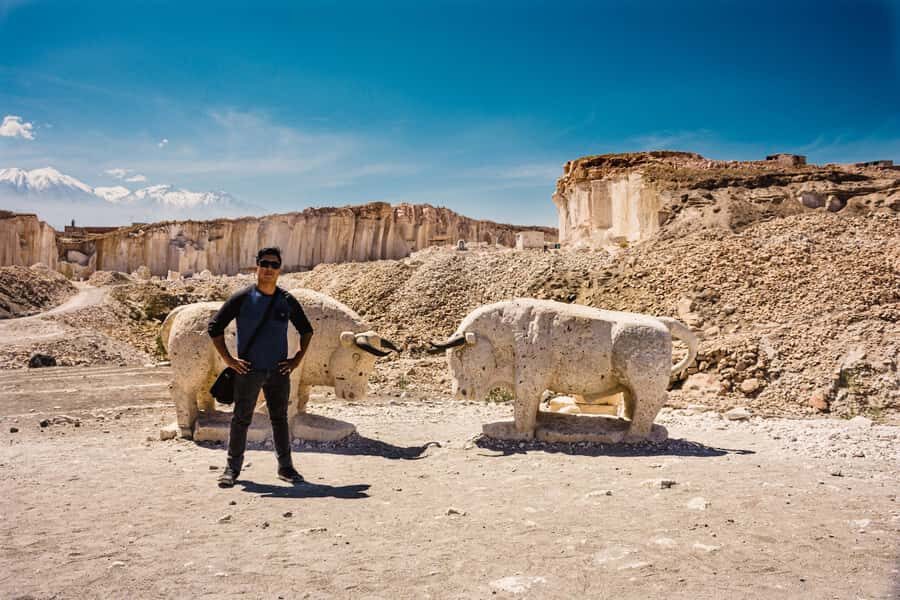
Next comes the heart of the sillar story: Añashuayco Quarry. You reach it after about 45 minutes. This quarry is currently in operation, and that alone gives the visit a different feel. You’re not looking at abandoned ruins; you’re seeing extraction happening on a schedule set by the quarrymen.
In the quarry, the guide points out an immense canyon with cliffs made from extraction—ignimbrite walls several meters high. It’s the kind of place that makes the material feel real. You can literally see the result of cutting and removing stone, and then you hear how the sillar was produced and how it has been used.
The Mega-carving of the Church of the Society of Jesus
One of the most eye-catching moments is the mega-carving of the Church of the Society of Jesus. The carving is made by stonemasons themselves, and the effect is part craftsmanship, part monument. Even if you’re not a big art-buff, it’s impressive to see how quarry work and monumental stone art can share the same tools and skill set.
Hands-on moment with a quarryman
This stop also has a rare feature: you may be able to meet one of the quarrymen and hear what his daily work is like. The plan includes an option to experience cutting one of the stone blocks yourself.
I like this part because it turns “explanation” into “understanding.” When you try a small cutting action, you start appreciating why shaping stone takes time and why the guide’s details about production don’t feel random. Even if you don’t make anything worth framing, you walk away with a better sense of effort and precision.
Pro tip for value: ask the quarryman the practical questions: how he approaches a block, what makes the work easier or harder, and what people usually get wrong about stone carving. The guide can translate and frame the answers so it stays informative.


The walk into Quebrada de Culebrillas and the Wari petroglyphs
After Añashuayco, you head to the Quebrada de Culebrillas, about 30 minutes away. Once you arrive, you take a walk of roughly 20 minutes inside the small canyon.
The canyon is formed by the passage of water. As you walk deeper, the walls rise—from about 15 to 20 meters near the entry—and the canyon feels narrower and more enclosed the farther you go. That vertical pull is what makes the petroglyph stop feel earned rather than tacked on. You’re already in the “why it’s preserved” mindset by the time you reach the markings.
At the end of the walk, you can see petroglyphs made by the Wari culture more than a thousand years ago. This is one of those experiences where the guide’s pointing matters. Rock art can be easy to miss if you’re scanning like you’re reading a sign at street level. When a guide explains what you’re looking for, it suddenly becomes legible.
How to get the most out of the petroglyph moment
When you reach the petroglyphs, slow down. Let your eyes adjust to the wall texture and contrast. I’d also recommend listening first, then looking. The guide’s description usually tells you where to focus, and that prevents you from wandering in search of something that might not be obvious at a glance.
This isn’t a long hike. It’s short, guided, and focused. That’s a good match for travelers who want a “canyon walk” experience without giving up half a day.
Apachetas: stone piles, gratitude, and good-luck vibes
Before returning to Arequipa, you make time to observe Apachetas—stone formations stacked one on top of the other. In this tour, the guide frames them as a symbol of gratitude toward nature and also an attraction of good luck.
Even if you’re not into spiritual symbolism, these stops are worth a glance because they show how people interact with the environment here. Apachetas are small, human-scale markers in a place dominated by geology. They’re also a reminder that the region’s meaning isn’t only ancient. It’s lived.
A helpful mindset: treat Apachetas as a moment to pause and look around, not just a quick stop for a photo. The mystical feeling the tour mentions comes from being inside the route’s “stone logic,” after quarry cliffs and before city streets.
4 hours in motion: transport, timing, and your Plaza de Armas drop-off
On the standard schedule, you begin at 9:15 am and return to the city so you can be back by about 1:30 pm, dropped off near Plaza de Armas.
There’s also a 2:00 pm shift, which can be useful if you’re doing other morning activities in Arequipa. If you’re trying to coordinate lunch plans or museum time, the early versus later shift is a real difference-maker.
What I’d watch out for
One practical issue showed up in a past experience: the bus used for transport may not have air conditioning, so the ride can feel warm during hotter hours. Another timing snag can happen when a group needs to wait for members, which can stretch the schedule.
Neither of those should automatically scare you off. Just plan with a little buffer in your day. If you’re sensitive to heat, bring water and dress in light layers. If your schedule is tight, choose the shift that gives you the most cushion.
How far you’ll walk
Walking is limited: about 20 minutes inside the canyon. Most of the rest is driving and looking. That makes it a manageable option for people who want movement but not a full-day trek.
Price and tickets: where the value really is
The price is $14 per person for a 4-hour excursion. That cost covers tourist transport and a professional guide.
Entrance tickets are not included, and the tour notes around 10 soles for the places you visit. That means the true all-in cost is a bit more than the $14 headline, but it’s still reasonable for the number of real stops you get: viewpoints, a functioning quarry with explanations, and a canyon walk with petroglyphs.
For me, the value comes from the combination of:
- active quarry labor you can observe,
- a major stone carving created by stonemasons,
- and a canyon walk with Wari rock art.
If you only wanted one of those, you’d pay for it anyway. Here, you’re stacking the themes of stone, time, and place into one tight route.
Who should book this Sillar and Culebrillas route
This is a great fit if you:
- like geology and how it connects to daily work,
- want a short canyon experience without a demanding hike,
- care about Arequipa’s stone craft and want more than surface-level photos,
- and enjoy guided explanations that point out what to notice.
It’s less ideal if you need a fully cushy, low-movement day or if you strongly prefer climate-controlled transport. Also, if you hate any chance of timing drift, build in a buffer day because groups can affect departures.
This excursion is run by Inspires Viagens, and it’s offered in Spanish and English, so you’re not stuck if your Spanish is basic.
Should you book it?
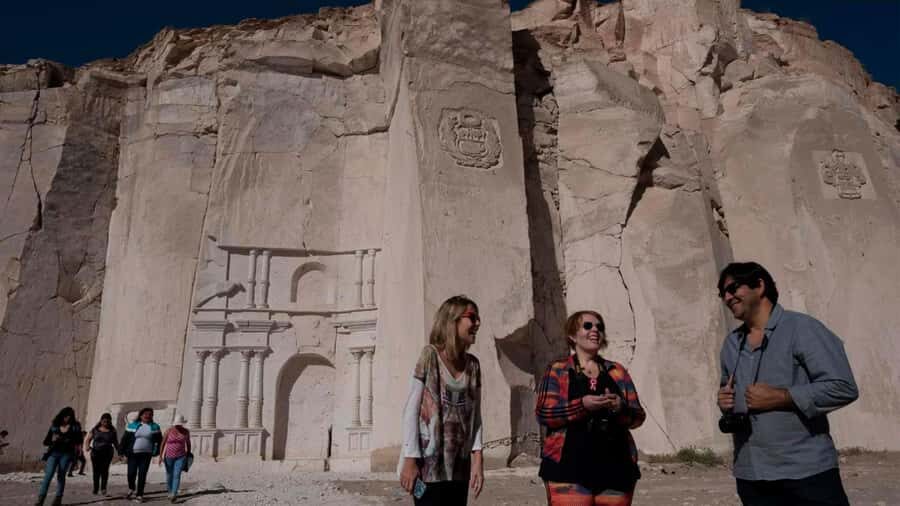
Yes, if you want a compact Arequipa outing that feels grounded in real stone work and real rock art. The quarry pieces alone are compelling, especially the mega-carving of the Church of the Society of Jesus, and the Culebrillas stop adds a different kind of history you can physically walk through.
I’d book it with two small expectations: dress for heat since the bus may not have air conditioning, and don’t schedule your next activity to the minute. If you handle those two points, you’ll likely come away with a clear picture of how this region’s geology and culture connect.
FAQ
How long is the Arequipa Sillar and Culebrillas excursion?
It lasts about 4 hours. With the 9:15 am start, you return to Arequipa and get dropped off near Plaza de Armas around 1:30 pm.
What does the $14 price include?
The price includes tourist transport and a professional guide. Entrance tickets for the visited places are not included.
Do I need to pay entrance tickets?
Yes. The tour notes entrance tickets are about 10 soles.
What languages is the tour guide available in?
The guide offers Spanish and English.
What are the main stops on this route?
You’ll see the Sillar Route focus points, visit Añashuayco Quarry (including the mega-carving of the Church of the Society of Jesus), and walk into the Culebrillas canyon to view Wari petroglyphs.
Where do you get dropped off in Arequipa?
For the 9:15 am shift, you arrive in the city center around 1:30 pm and are dropped off near Plaza de Armas.
Is the bus air-conditioned?
One participant reported that the bus used for transport did not have air conditioning. Plan for a potentially warm ride.