REVIEW · CUSCO
8-Day: Cusco || Sacred Valley || MachuPicchu|| Rainbow Mountain||Humantay Lake||
Book on Viator →Operated by Chullos Travel Peru · Bookable on Viator
Eight days, five big Inca moments. This is a tightly planned Cusco adventure that strings together Machu Picchu, Sacred Valley classics, and two high-altitude lakes without you doing the heavy planning. You travel with an English-speaking guide, and the big-ticket pieces are handled as part of the package.
I particularly like how the tour blends major sights with smaller stops that explain how the Inca thought about land and water, from Qorikancha to Moray and the salt mines. You also get real altitude support on the hike days, including oxygen and walking assistance, which matters when you’re heading to Humantay Lake and Vinicunca.
One thing to think about: the schedule includes very early starts (some pickups around 4 a.m.), and long driving days. If you’re sensitive to motion or you have a low tolerance for early mornings, plan your expectations carefully.
In This Review
- Key takeaways before you go
- Cusco to Machu Picchu: Why this 8-day route feels efficient
- Day 1 in Cusco: Qorikancha and the Sacsayhuaman skyline
- Sacred Valley Day 2: Pisac, Urubamba lunch, and Ollantaytambo by train
- Machu Picchu Day 3: Guided entry, flexible circuits, and real-world ticket rules
- Moray and Maras Day 4: Agriculture experiments and salt that powered trade
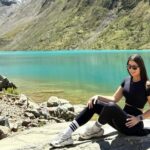
- Humantay Lake Day 5: The 4,250m hike with oxygen and walking sticks
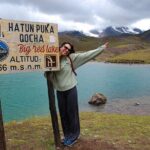
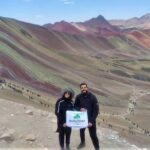
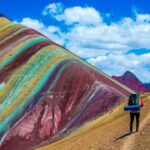
- Rainbow Mountain (Vinicunca) Day 6: What it’s like to go for the colors
- Q’eswachaka and the four lagoons Day 7: Inca bridge life, not just ruins
- Day 8 in Cusco: Market life, neighborhoods, and Plaza de Armas
- Price and logistics: Is $603.25 a good deal?
- Who this tour suits best (and who should think twice)
- Should you book this 8-day Cusco highlights tour?
- FAQ
- Is pickup from the airport included?
- Does the price include hotel stays?
- What language is the tour conducted in?
- What is the group size limit?
- Are tickets for Machu Picchu included, and what if they are sold out?
- Do you get oxygen or support for the altitude hikes?
- Are meals included?
- What can I expect on the last day in Cusco?
- Can I cancel and get a full refund?
Key takeaways before you go
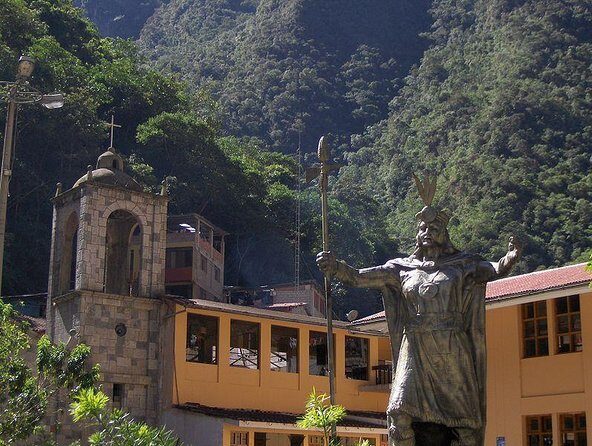
- Machu Picchu tickets are managed for you, typically circuits 1 and 2, with a full refund if any Machu Picchu ticket type isn’t available.
- All the big guided blocks are included: Qorikancha + Sacsayhuaman, Sacred Valley sites, and guided time on the Machu Picchu and hike days.
- Altitude hikes come with support like oxygen and walking sticks for Humantay Lake and Vinicunca (Rainbow Mountain).
- Group size stays small (max 15), which helps when buses and trains get hectic.
- You’ll experience different kinds of Inca geography, not just ruins—agriculture experiments at Moray, salt production at Maras, and the annual Q’eswachaka bridge renewal.
- Local support has been praised, including strong phone help from representatives such as Sharon, and attentive guidance from people like Margarita and Katia.
Cusco to Machu Picchu: Why this 8-day route feels efficient
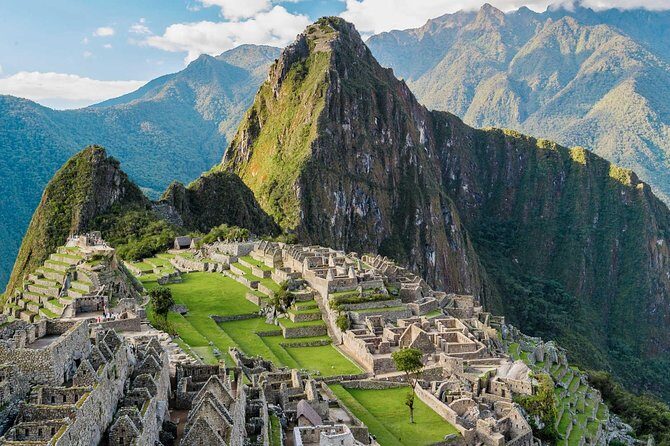
If your goal is to see the “greatest hits” of southern Peru in a week-plus, this format works. Instead of you stitching together separate day trips and ticket reservations, you get a guided flow from Cusco into the Sacred Valley, then onward to Machu Picchu, and finally to the high-country sights like Humantay Lake and Rainbow Mountain.
What makes this tour feel practical is that it covers the moving parts: pick-ups, transportation between regions, train and bus segments around Aguas Calientes, and the day’s pacing with a guide. That removes a lot of stress in a place where logistics matter (train schedules, entrance circuits, and early shuttle times).
You’ll also like the mix of famous ruins and places that explain how the Incas used their environment. On this route, you’re not only looking at stones. You’re learning why Qorikancha mattered, how Moray functioned as an agricultural lab, and how the salt mines of Maras turned mineral deposits into an economic engine.
You can also read our reviews of more tours and experiences in Cusco.

Day 1 in Cusco: Qorikancha and the Sacsayhuaman skyline
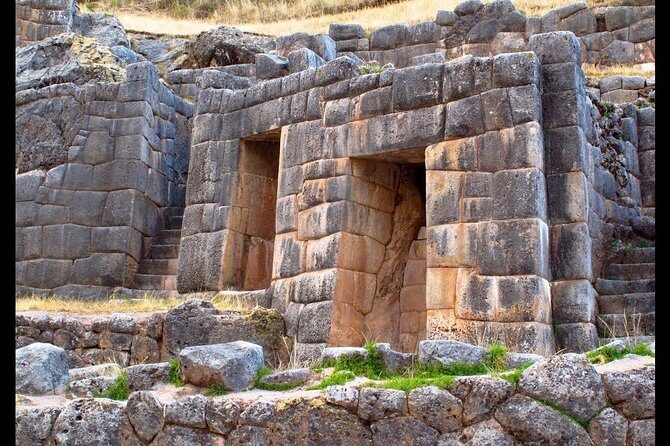
Day 1 starts with a free morning in Cusco. That’s not a throwaway. It’s your chance to acclimatize at altitude before the walking starts. Cusco can feel like it’s trying to throttle you on day one, so letting you breathe a bit first is smart.
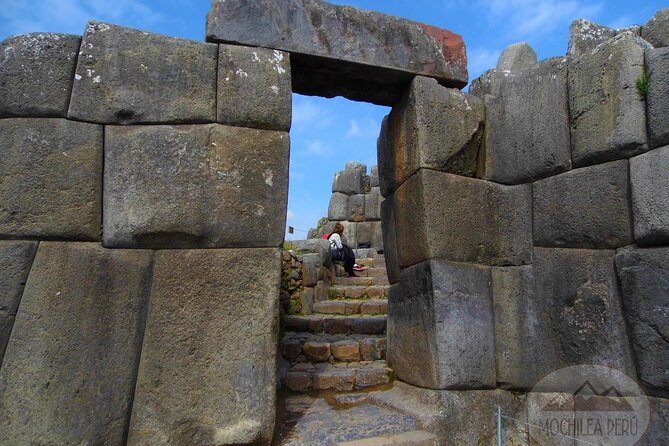
In the afternoon, your city tour hits the Inca-era and colonial-era landmarks that shape how Cusco looks and feels. You’ll begin at Qorikancha (Temple of the Sun) with a guided visit. This place gives you a quick mental model for Cusco: an Inca power center that later became wrapped into later architecture. After that, you move through Sacsayhuaman with a guided hour. If you like panoramic ruins, this is a great use of time because the site sits above the city, making the stonework easier to read.
You then continue to Q’enqo, described as a ritual center inside a rocky outcrop—often atmospheric because you’re moving through stone formations rather than just standing at a wall. Puca Pucara (Red Fort) follows, and then Tambomachay (Baños del Inca), where water and worship connect. By the time you’re back around 7:00 p.m., you’ve covered the main interpretive story of Cusco’s sacred geography.
A small practical note: this is a city day with multiple stops, so comfortable shoes matter. The tour does include tickets for some stops, which saves time and hassle.
Sacred Valley Day 2: Pisac, Urubamba lunch, and Ollantaytambo by train
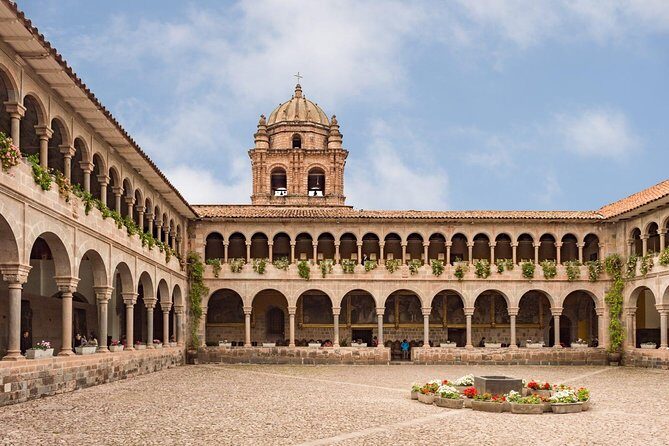
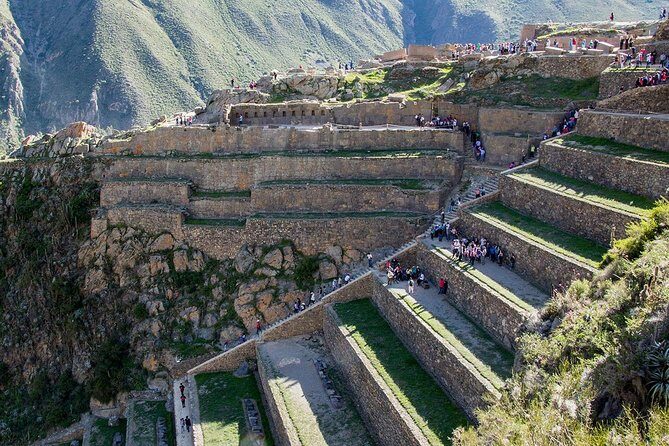
This day is built around a classic Sacred Valley rhythm. You leave Cusco around 8:00 a.m., then travel about 1.5 hours to Pisac. Expect a guided visit around an hour at the archaeological park. Pisac tends to work well with a guide because the terraces and layouts make more sense when you’re shown what to look for.
Then comes Urubamba and a buffet lunch with typical Andean food. This is one of those “simple but important” inclusions. After a morning of travel and ruins, you want food that’s consistent, not a hunt for something you can trust.
After lunch, you head to Ollantaytambo for about an hour guided at the archaeological site. Here you’ll focus on the Temple of the Sun, the Intihuatana, the Princess Baths, and the terrace layout. The value of Ollantaytambo is not just that it’s famous—it’s that it still feels like a working town because the living village sits near the site.
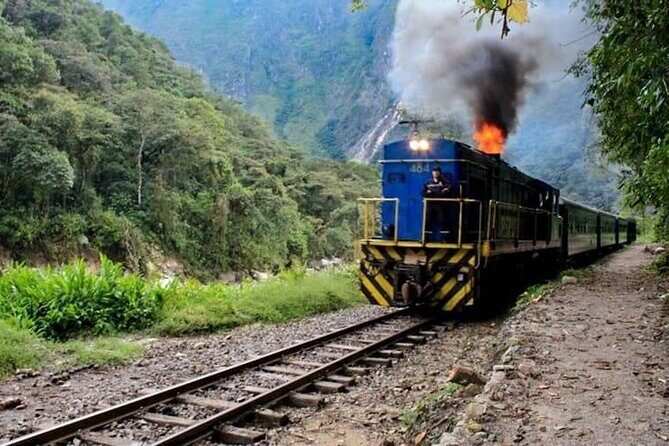
The day ends with the logistical key step: you board the train to Aguas Calientes (Hot Waters) for the night. The tour also states that the guide will pass through your hotel the night before Machu Picchu to walk you through visit details. That kind of pre-game briefing is gold because it clarifies what buses, timing, and entry rules you should expect the next morning.
Machu Picchu Day 3: Guided entry, flexible circuits, and real-world ticket rules
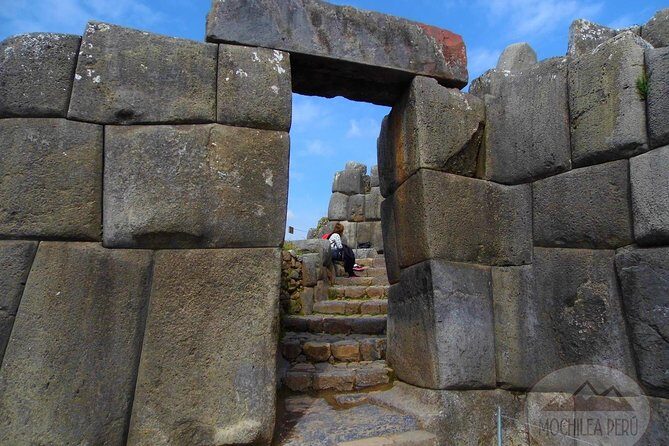
Machu Picchu is the reason many people book this entire week. Here you’ll wake up early, take the bus up to the ruins, and enjoy a guided tour. The guide time depends on your entry type/circuit, which is normal for how Machu Picchu manages visitors.
One practical detail matters: Machu Picchu tickets are subject to availability. The tour notes that tickets are only sold by the Ministry of Culture of Peru, and they’re purchased based on available circuits—specifically circuits 1 and 2. If there’s no availability of any ticket type, you receive a full refund of the tour package. In plain terms: you’re not left guessing. The tour provider follows the official system, and it’s handled if they can’t secure tickets.
You’ll return to the village for lunch, then get free time before returning by train to Ollantaytambo and continuing by bus back to Cusco. That sequence is important. It usually protects your energy. You see the site in the morning, then you’re not forced into a chaotic afternoon scramble.
What to watch for: Machu Picchu mornings can feel cold and windy early on. Dress in layers. Also, if you’re prone to altitude headaches, take it easy on your first hours in Cusco so the big day doesn’t stack fatigue on fatigue.
Moray and Maras Day 4: Agriculture experiments and salt that powered trade
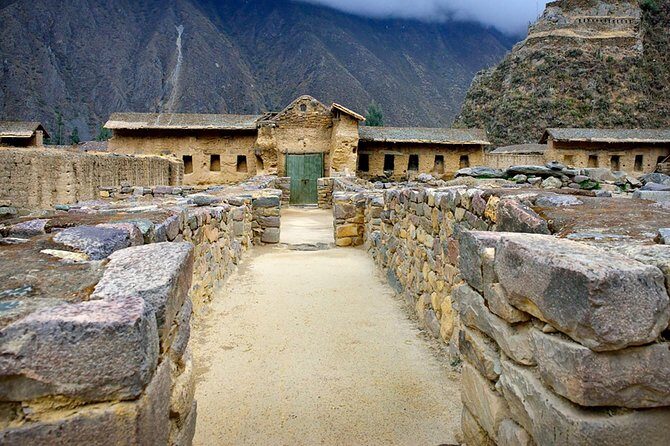
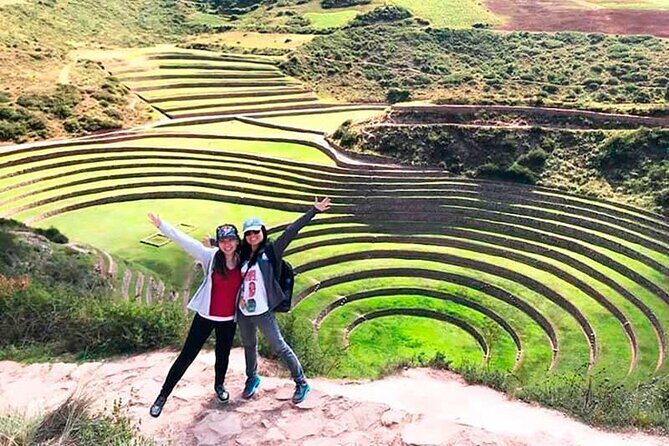
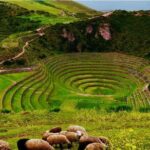
Day 4 starts with a pick-up around 8:00 a.m., then drives through the town of Maras and onward to Moray. Moray is one of those stops that can feel different from the usual ruin photos. It’s described as an agricultural laboratory—an intentional system where the Incas experimented with growing conditions using the bowl-like structure of terraces.
Your guided visit at Moray is around 40 minutes, so you’ll have enough time to understand the concept without feeling dragged. After that, you travel about 30 minutes to the salt mines of Maras (Salineras). Here the experience shifts from agriculture science to resource extraction: guided time of about an hour, plus some shopping time for salt bags and souvenirs.
What makes this day enjoyable is how it ties into everyday life. Salt mattered for preservation and trade. Moray mattered for farming efficiency. Together, you get a more complete picture of how the Inca built power using food systems and materials.
You’re back in Cusco around 3:00 p.m., which is a comfortable return time compared with some Sacred Valley schedules.


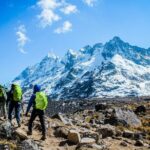
Humantay Lake Day 5: The 4,250m hike with oxygen and walking sticks
This is where the tour turns from “big highlights” into “real effort.” The pick-up time is early—around 4:00 a.m.—and you’ll travel to Mollepata for breakfast. This helps because you start the hike fueled rather than stumbling out of bed hungry.
From Mollepata, the hike to Humantay Lagoon begins at Soraypampa. You’ll walk for about 1 hour 30 minutes up, at an altitude noted as around 4,250 meters (m.s.m.). Along the way you’ll appreciate fauna and flora as you climb. Then you descend, take transport back toward Mollepata, and enjoy lunch before returning to Cusco around 6:00 p.m.
The tour includes oxygen and walking sticks for this day. That’s not fluff. On a steep hike, having support can make the difference between a painful day and a manageable one. Even if you’re an active person, altitude can hit fast, and extra help keeps you safer.
Practical advice: start the climb slowly. Don’t sprint just because you feel okay at the beginning. Keep water handy, and bring a light rain layer—clouds can roll in around these lakes.
If you’re the type who likes a “bucket list” photo but also wants the walk to feel worthwhile, Humantay fits. You’re working for the view, and the effort feels meaningful.
Rainbow Mountain (Vinicunca) Day 6: What it’s like to go for the colors
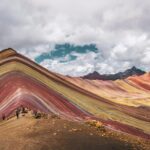
Day 6 is another early start, with pick-ups around 4:00 a.m. to assemble the group. You head toward Cusipata, arrive around 6:30 a.m., and enjoy a buffet breakfast for about 30 minutes.
Then you continue to the Wasipata area, and you start the walk toward Vinicunca (also called Winicunca, Mountain of Colors) around 8:00 a.m. The walk is about 1 hour 30 minutes one way, followed by around 40 minutes of time at the mountain. After that, you return about 1 hour 15 minutes to the pickup area. You’re back at a restaurant around early afternoon for buffet lunch, then return to Cusco around 3:30 p.m. depending on traffic.
This day includes an oxygen balloon and walking sticks. Again, that’s useful. Vinicunca sits at high altitude, and the hike is long enough that altitude fatigue can stack quickly.
One of the big “value” elements here is timing. You’re not just going “someday.” You’re leaving early, arriving before you’re exhausted by the day, and getting a window to enjoy the mountain colors while conditions are still favorable.
What to plan for: the cold and sun are both real. Sunscreen and a warm layer matter, and so do gloves if you’re sensitive to cold mornings.
Q’eswachaka and the four lagoons Day 7: Inca bridge life, not just ruins
Day 7 mixes scenery and a cultural moment that feels less like a museum stop. You’re picked up at about 7:00 a.m., then travel roughly two hours through southern Cusco to visit the four lagoons. There’s time to enjoy a quiet moment near the water, then you visit the small Pabellones volcano near Yanaoca.
After that, you reach Q’eswachaka, where the experience centers on an Inca suspension bridge made from vegetable fiber (ichu). The bridge exists thanks to an annual renewal by local communities—four of them—who repair the bridge once a year. You’ll also see the respect ritual tied to the Pachamama before bridge work begins.
Then you get the chance to cross the bridge from both sides. The tour notes that it looks easy but takes courage. That’s accurate: this isn’t a flat walkway. It’s a real crossing with height and movement, and it’s better to go slow and steady rather than treat it like a thrill ride.
On the way back to Cusco, there’s one last visit to the colonial Inca bridge of Checacupe so you can compare differences between the two bridges. You finish in Cusco around 5:00 p.m.
Why this day is special: it’s not only about seeing a famous structure. It’s about understanding that some Inca traditions continue through community labor and yearly cycles.
Day 8 in Cusco: Market life, neighborhoods, and Plaza de Armas
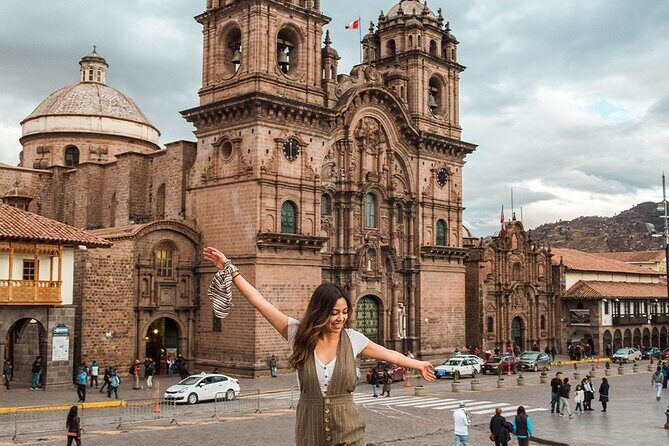
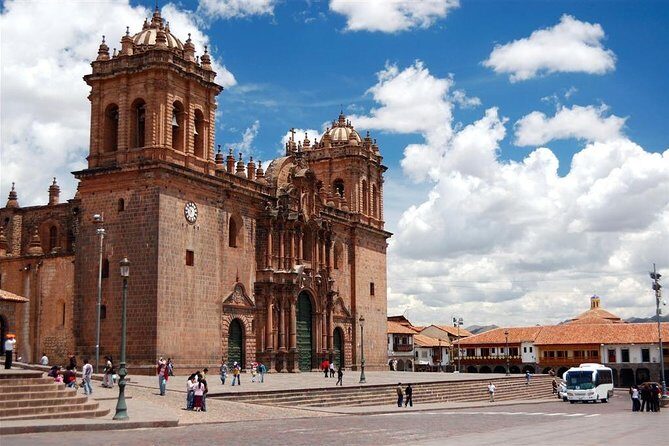
You end with a free morning and an easy walking plan through Cusco. You’ll visit Plaza de Armas (with the cathedral and colonial houses), Nazarenas Square, San Blas neighborhood, the twelve angle stone, and San Pedro local market.
This is a great way to finish because it shifts from adrenaline and altitude into Cusco’s everyday texture. If you want souvenirs, snacks, and a chance to walk at your own pace, this day helps.
After that, you transfer to the airport. In other words: you’re not trapped into yet another long day trip, and you have time to regroup before travel.
Price and logistics: Is $603.25 a good deal?
At $603.25 per person, the value here depends on what you already plan to pay for yourself—especially lodging. This package does not include hotels, and it does not include meals outside the ones explicitly listed in the plan.
That said, the price can pencil out well because you’re not only buying guided tours. You’re also getting:
- city and site tickets for major stops (at least where specified as included)
- Sacred Valley transportation and guided time
- train tickets from Ollantaytambo to Aguas Calientes and back
- bus tickets between Aguas Calientes and Machu Picchu
- guided time in Machu Picchu itself
- oxygen and walking stick support for the altitude hikes
- a full guide structure across multiple days
The one wildcard is Machu Picchu tickets. They’re included in the sense that they’re procured for the circuits available (circuits 1 and 2), and if none are available you get a full refund of the tour package. That reduces risk, even if it doesn’t eliminate the possibility of a ticket limitation.
My practical take: this tour is best value if you don’t want to spend your vacation time coordinating tickets, train timing, and shuttle logistics. If you already have Machu Picchu tickets and you enjoy building your own route, you may find cheaper options. If not, paying for someone else to handle the big moving pieces is usually worth it.
Who this tour suits best (and who should think twice)
This is a strong fit if you:
- want a guided route that covers Cusco, Sacred Valley, Machu Picchu, Humantay Lake, and Rainbow Mountain without extra planning
- are comfortable with long days and early pickups
- have at least moderate physical fitness for high-altitude hikes
- want small-group handling (max 15) and a professional guide team
It’s not a great fit if you:
- hate very early starts (some days begin around 4:00 a.m.)
- have a low tolerance for long drives and bus/train transitions
- need flexible pacing on hikes, because the schedule is tight
One more candid point: there’s a real-world caution about driving safety. The service has been praised for support and organization, but at least one experience flagged very dangerous driving by drivers. You can’t control everything, but if you’re travel-risk sensitive, it’s reasonable to ask the provider what transport standards they use for comfort and safety, and to prioritize hydration and calm during transit.
Should you book this 8-day Cusco highlights tour?
If your dream trip includes Machu Picchu plus Humantay Lake plus Rainbow Mountain, this plan makes the whole week feel doable. The combination of included guides, key transportation legs, and altitude support is the big draw. You get structure, you get context, and you’re not stuck solving ticket timing alone.
I’d book if you’re ready for early mornings, long travel days, and some real altitude effort. I’d hesitate if you want a slow, laid-back trip or if you’re very sensitive to motion and long road segments. If you do book, focus your packing on layers, hiking shoes, sun protection, and a light rain shell—and be ready to move.
FAQ
Is pickup from the airport included?
Yes. Pickup in Cusco is included for both the airport arrival and your hotel pick-up.
Does the price include hotel stays?
No. Hotels are not included in the tour price.
What language is the tour conducted in?
The tour is offered in English.
What is the group size limit?
This tour/activity has a maximum of 15 travelers.
Are tickets for Machu Picchu included, and what if they are sold out?
Machu Picchu tickets are subject to availability. The tour states that tickets are purchased according to available circuits (corresponding to circuits 1 and 2). If no tickets of any type are available, you receive a full refund of your tour package.
Do you get oxygen or support for the altitude hikes?
Yes. For Humantay Lake the package includes oxygen and walking sticks. For Vinicunca (Rainbow Mountain) it includes an oxygen balloon and walking sticks for the mountain.
Are meals included?
Breakfast and lunch are included on several days as listed in the package (for example, breakfast in Mollepata for Humantay Lake day, breakfast and lunch in Cusipata for Rainbow Mountain day, and breakfast and lunch in Aguas Calientes around Machu Picchu).
What can I expect on the last day in Cusco?
You’ll have a free morning plus a guided walking tour covering Plaza de Armas, Nazarenas Square, San Blas neighborhood, the twelve angle stone, and San Pedro local market. Then there’s a transfer to the airport.
Can I cancel and get a full refund?
Yes. Free cancellation is available up to 24 hours in advance of the experience start time for a full refund.