REVIEW · CUSCO
Super Sacred Valley + Salt Mines – Moray
Book on Viator →Operated by TULIPA BEYOND THE INCREDIBLE · Bookable on Viator
Morning starts early, but it pays off. This Cusco-area day tour strings together Sacred Valley classics and the Maras salt mines in a tight loop that feels efficient, not rushed.
I especially like how the itinerary balances small stops with enough time to actually notice details: Chinchero for weaving life, Moray’s odd agricultural terraces, then Maras’ thousands of salt pans. You also get a guided experience with transport handled, plus a buffet lunch that helps you avoid the classic spend-all-day hungry trap.
One consideration: the day runs about 10 to 12 hours, and several stops rely on road time. If you want lots of free time at each site, this schedule may feel like it moves too quickly.
In This Review
- Key Points to Know Before You Go
- Sacred Valley in One Day: What This 10–12 Hour Loop Actually Gives You
- Morning Pickup from Cusco and the Pace You Should Expect
- Chinchero Textiles and Town Life in About 40 Minutes
- Moray’s Terraces: Why This Agricultural Complex Matters
- Maras Salt Mines: 3,000 Natural Pools and the View You Can’t Skip
- Urubamba Lunch Break: A Real Pause in the Middle of the Day
- Ollantaytambo’s Inca Urban Layout: More Than a Mandatory Stop
- Pisac’s Archaeological Park and the Astronomical Angle
- Price and Logistics: What You’re Paying For (and What Can Cost Extra)
- What I’d Do Differently to Make This Day Go Smoothly
- Who This Tour Fits Best (and Who Might Want a Different Plan)
- Should You Book Super Sacred Valley + Salt Mines – Moray?
- FAQ
- What time does the tour start in Cusco?
- How long is the Super Sacred Valley + Salt Mines – Moray tour?
- Is the tour guided, and what language is it offered in?
- What’s included in the price?
- What tickets or entrances might cost extra?
- Is it a private tour?
Key Points to Know Before You Go

- Early pickup timing means you beat crowds to the big sights.
- Short, guided visits (around 40 minutes each) keep the day moving and reduce decision fatigue.
- Moray terraces show an agricultural idea that feels weird in the best way.
- Maras salt pools are a visual wow made from thousands of working pans.
- Lunch in Urubamba is included, so you can budget and focus on sightseeing.
- Private tour style means it’s just your group, not a giant mixed crowd.
Sacred Valley in One Day: What This 10–12 Hour Loop Actually Gives You
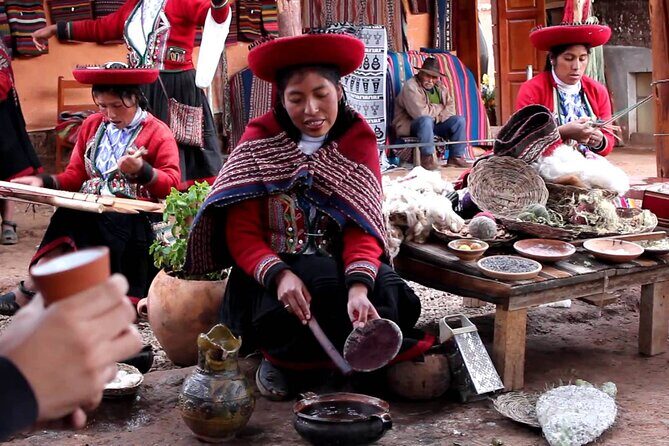
This tour is a classic “greatest hits” day in Peru’s Sacred Valley, built for people who want big results without having to plan connections between towns. You’ll cover Chinchero, Moray, Maras, Urubamba, Ollantaytambo, and Pisac—so you get both Inca-era sites and the everyday local economy that still runs beside them.
The best part is the pacing philosophy. Each main stop is short (about 40 minutes), which sounds brief until you remember you’re also doing serious driving across the valley. In practice, that structure works well if you like seeing a lot, learning what you’re looking at, and then moving on before you get bored.
The tradeoff is simple: don’t book this if you’re the type who wants to wander for hours at one ruins complex. You’ll have photo time, you’ll get guide explanations, and you’ll see a lot—but the schedule is designed for coverage.
You can also read our reviews of more tours and experiences in Cusco.



Morning Pickup from Cusco and the Pace You Should Expect
The day starts with pickup from your hotel between 6:30 a.m. and 6:55 a.m., and the activity also starts at Plaza de Armas in Cusco. It ends back at the meeting point, so you’re not sorting out transportation after a long day.
Because the duration is about 10 to 12 hours, expect a full-day rhythm: early depart, multiple short stops, and a lunch break in the middle. This is one of those tours where “being ready on time” matters. Getting organized the night before (water, sun protection, a light layer) makes the whole day feel smoother.
Physical note: the tour asks for moderate fitness. Even when the walking isn’t extreme, sites in the Sacred Valley can mean uneven ground and stairs in places. If you’re comfortable walking a bit while managing altitude and cool morning air, you’ll likely be fine.
Chinchero Textiles and Town Life in About 40 Minutes
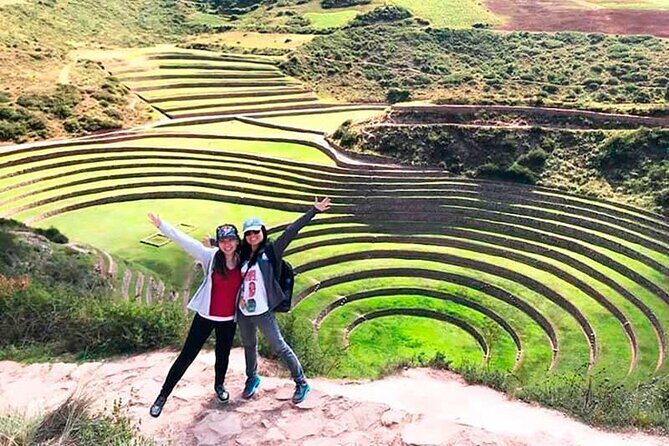
Chinchero is a small Andean town with white adobe houses, narrow cobblestone streets, and colonial-style arches. The setting feels more like a living community than a themed stop, and that matters because it keeps your experience grounded.
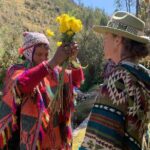
Where Chinchero really wins is textiles. You’ll see why this place is known for the quality of its weaving craft, and you’ll likely catch workshops or demonstrations tied to the local market life. It’s the kind of stop where the guide’s context helps you see beyond the souvenir layer—what you’re looking at is part of ongoing tradition.
The visit is about 40 minutes, with the rest of the time spent on transportation. That means you should treat Chinchero like a “visit and notice” stop rather than a “roam and shop for hours” stop. If textiles are your thing, you’ll still have time to browse, but prioritize the demonstration and explanations first.
Moray’s Terraces: Why This Agricultural Complex Matters
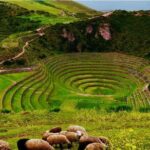
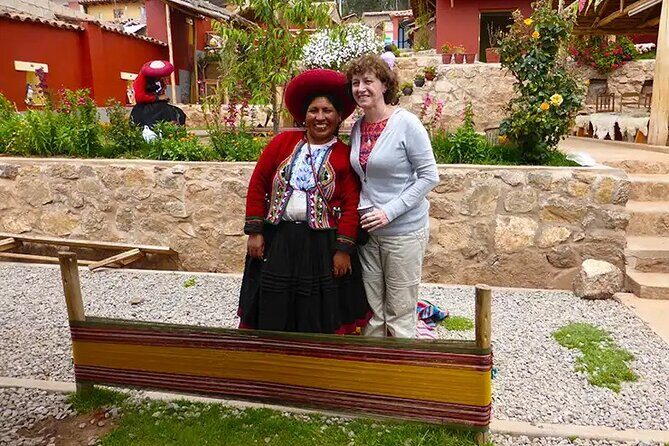
Moray looks like someone built an amphitheater out of earth and then planted it with intention. The site is an agricultural complex with semicircular terraces shaped to fit the topography of Waninmarka Hill. The result is a set of levels that can create different growing conditions.
At the top of the terraces, you’ll find the pit of the Ñusta Hispana Muyo (also referred to as Kuchi Muyo). The names and layout are part of what makes Moray interesting: it’s not just a ruin to look at. It’s a clue about how people studied land, climate, and cultivation.
This is also a short stop—about 40 minutes—so you’ll want to use it smart. Listen closely when the guide explains the terrace idea and why the shape matters. If you only take photos, you’ll miss what makes Moray memorable.
Maras Salt Mines: 3,000 Natural Pools and the View You Can’t Skip
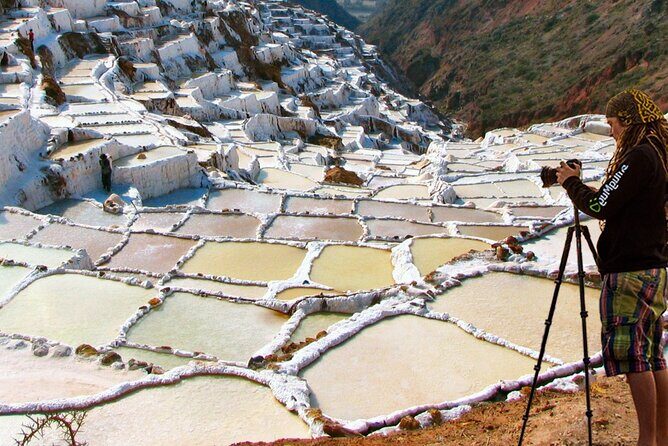
Salinas de Maras is one of those places where the scale hits you fast. The mines consist of more than 3,000 natural salt pools near Maras, and each pool is about 5 square meters. The pools are fed by a hypersaline underground spring tied to the geologic story of the Andes.
Today, the salt pools draw a lot of visitors, but the real point is that locals market this salt much the way the Incas did centuries ago. So yes, it’s scenic. But it’s also working industry. That combination gives the visit more meaning than a purely historical stop.
You’ll spend about 40 minutes here. The best advice is to take a moment before you start walking: look out over the pools and let the pattern register. Then move with the guide’s route and use the remaining time for photos and a few close-up views.
One practical check: the tour details show salt mines as included in the itinerary, but the pricing notes also list a separate salt mines entrance fee. I’d confirm the exact situation when you book so you’re not surprised at the site.





Urubamba Lunch Break: A Real Pause in the Middle of the Day
Urubamba is your recharge stop, and it’s a good one. You get a delicious lunch made with local ingredients, and since lunch is included, it helps you manage the overall cost of the day.
This is also where the day’s structure makes sense. After Chinchero, you’ve got Moray and Maras in the flow, so the meal in Urubamba isn’t just a bonus—it’s the point where you can reset your energy and keep the afternoon enjoyable.
If you’re sensitive to timing on tours, treat lunch like a checkpoint. Eat what you can comfortably handle, drink some water, then get ready for more driving and short site stops. The rhythm of the day depends on you being calm and fueled.
Ollantaytambo’s Inca Urban Layout: More Than a Mandatory Stop
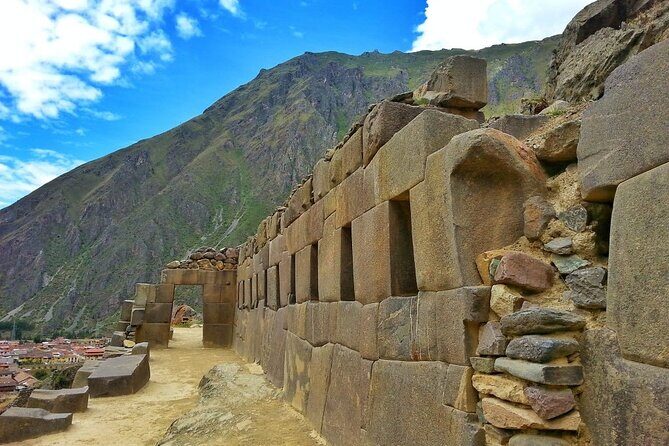
Ollantaytambo is one of the most important towns in the Sacred Valley, and it’s strongly tied to the route toward Machu Picchu. It’s also the only place in the area that preserves its ancient Inca urban layout.
That’s the key idea: you’re not just looking at a collection of ruins. You’re seeing an Inca-designed town plan that still reads in the modern settlement. And because you spend about 40 minutes, you’ll want to focus on the archaeological remains the guide highlights rather than trying to cover everything.
Ollantaytambo is highly visited, but the site’s own character gives it more weight than a quick photo stop. If you like town layouts, stonework, and how people shaped streets and space, this is a strong mid-to-late-day option.
Pisac’s Archaeological Park and the Astronomical Angle
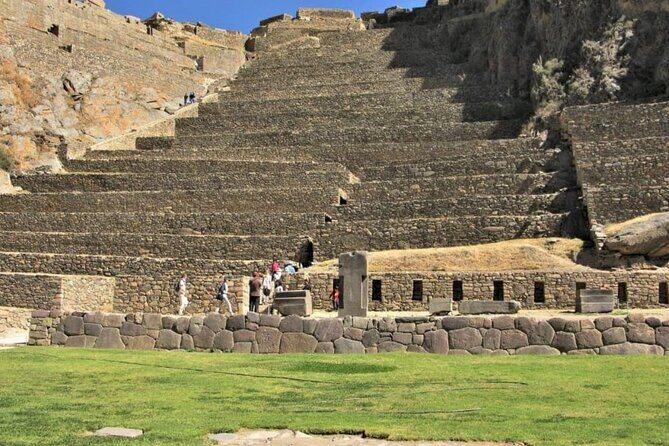
Pisac Archaeological Park sits on Apu Inti Huatana Hill. It’s located near the town of Pisac, about 30 km from Cusco in the Calca province. These details matter because they place Pisac in the geography of the region, not as a random “next stop.”
Today, Pisac is known as an astronomical observatory, which gives the visit a different flavor from places like Maras. Instead of production or cultivation, the emphasis is on observation—how ancient people used the sky and timing.
You’ll have about 40 minutes at Pisac, and again, you’ll spend the rest of the time traveling. With a short visit, your best move is to listen for what makes it an observatory and how the site connects to alignment and observation. If you love these science-and-land connections, you’ll walk away feeling like you saw something more unusual than another ruins overlook.
Price and Logistics: What You’re Paying For (and What Can Cost Extra)
The base price is $60.00 per person, and you get tourist transport, pickup from your hotel between 6:30 a.m. and 6:55 a.m., a tour guide, and buffet lunch.
That’s good value for a day that covers multiple towns and long road distances. In Cusco, transport alone can add up fast when you try to DIY. Here, you’re essentially buying convenience plus interpretation.
Still, check the extra costs carefully. The notes list a tourist ticket for archaeological sites of S/. 70 (about $25 USD) and an entrance to the salt mines of S/. 10 (about $3.3 USD). Yet the itinerary section also labels some admissions as included. Since those details conflict inside the provided information, confirm with the operator when you book so you know exactly what you’ll pay on the ground.
Tips are not included, and you’ll want some cash ready. Also consider bringing small bills for any site-related payments if needed.
What I’d Do Differently to Make This Day Go Smoothly
This is the kind of tour where small preparation pays off. I’d plan around the early start and long day by packing light but smart:
- Wear comfortable shoes for uneven terrain and stairs at sites like Moray and Maras.
- Bring sun protection and a light layer for mornings that can feel cooler.
- Carry water, even though lunch is included.
- If you’re sensitive to altitude, keep your pace steady and don’t sprint between photo points.
Also, treat each stop like a chapter. Chinchero is for weaving and daily life. Moray is for the “how could they do this?” agricultural terrace idea. Maras is the visual scale of salt work. Then you transition into Inca town layout and astronomical angles at Ollantaytambo and Pisac.
That approach helps you get more than check-the-box sightseeing.
Who This Tour Fits Best (and Who Might Want a Different Plan)
This tour fits you well if:
- You want multiple Sacred Valley highlights in one day without arranging transport.
- You like guided context, especially for things like textile craftsmanship and Moray’s terrace logic.
- You’re okay with a 10–12 hour day and short site visits around 40 minutes.
You might want to choose something else if:
- You prefer slow travel and long free time at each archaeological site.
- You dislike tours where driving takes up a large chunk of the schedule.
- You’re hoping for lots of downtime after lunch.
The private tour style is a plus. Only your group participates, so the experience can feel calmer and more adjustable to your questions—within the time limits of the schedule.
Should You Book Super Sacred Valley + Salt Mines – Moray?
I’d book it if your goal is a high-value day: Sacred Valley towns, Moray terraces, and Maras salt mines in one efficient loop, with transport, guide, and lunch handled. The short guided visits work well when you want strong coverage and you don’t need an all-day deep study at each site.
Before you click confirm, do two quick checks:
- Confirm what archaeological and salt-mine fees you’ll pay on the day. The included/not-included notes show a possible mismatch.
- Make sure you’re comfortable with a moderate-fitness day and an early pickup.
If that sounds like your kind of trip, this tour is a solid way to see a lot of Peru’s Sacred Valley without turning your vacation into a logistics project.
FAQ
What time does the tour start in Cusco?
Pickup is between 6:30 a.m. and 6:55 a.m., and the tour starts from Plaza de Armas. The listed start time is 6:30 am.
How long is the Super Sacred Valley + Salt Mines – Moray tour?
The duration is about 10 to 12 hours.
Is the tour guided, and what language is it offered in?
Yes, it includes a tour guide, and it’s offered in English.
What’s included in the price?
Included are tourist transport, hotel pickup between 6:30 a.m. and 6:55 a.m., a tour guide, and a buffet lunch.
What tickets or entrances might cost extra?
A tourist ticket for archaeological sites is listed as S/. 70 per person, and an entrance to the salt mines is listed as S/. 10 per person. The itinerary also labels some admissions as included, so confirm the exact charges when booking.
Is it a private tour?
Yes. It’s described as a private tour/activity, and only your group participates.