REVIEW · CUSCO
4 days – Inca Trail to Machu Picchu – Group Service
Book on Viator →Operated by inca machu picchu tours · Bookable on Viator
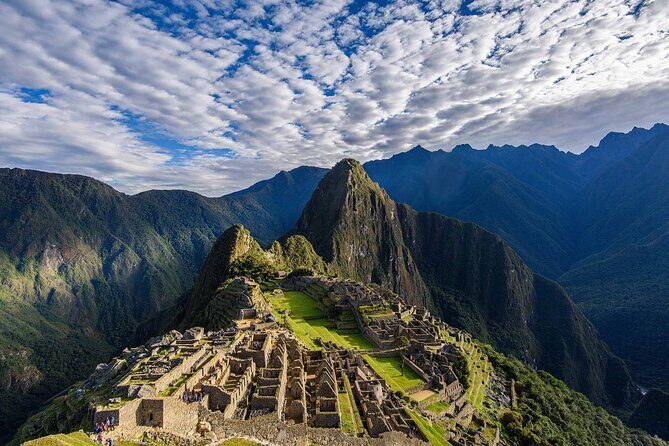
Machu Picchu at sunrise feels surreal. This 4-day Classic Inca Trail group service is built for real-world trekkers who still want good organization: you hike the famous route, camp overnight, and reach Machu Picchu through the Sun Gate before the crowds fully wake up.
I especially like the way the trip handles the heavy lifting and the details. Porters hike alongside you with tents, food, and cooking gear, and the support team can include people like Yang, plus on-trail guides such as Carlos or Efrain who bring Inca history to life.
The main drawback to plan for is physical strain and timing. You need moderate fitness, and the days run early with steep altitude climbs like Dead Woman’s Pass—so if you hate early mornings or long uphill hours, this won’t feel easy.
In This Review
- Key things that make this Classic Inca Trail run work
- Classic Inca Trail group service: what you’re buying
- The day-one rhythm: pickup timing and the briefing you’ll want
- Day 1: Cusco to Piskacucho (km 82) and settling into Wayllabamba Camp
- Day 2: Dead Woman’s Pass (Abra de Warrmihuañusca) and the steep climb day
- Day 3: Town in the Clouds (Phuyupatamarca) to Wiñay Wayna
- Day 4: Sun Gate entry and how to do Machu Picchu without mistakes
- Guides, porters, and food: the comfort engine of this trek
- Transport back to Cusco: train timing and a late-night finish
- Price and value: is $794.88 a fair deal for 4 days?
- Who should book this Inca Trail group trek (and who should think twice)
- Should you book this Inca Trail group service?
- FAQ
- What’s included in this 4-day Inca Trail to Machu Picchu group tour?
- What time does pickup happen?
- Do I need a sleeping bag?
- Are vegetarian or special diets available?
- How does Machu Picchu work on the final day?
- Are Huayna Picchu or Machu Picchu Mountain included?
- What happens if weather is bad or I cancel?
Key things that make this Classic Inca Trail run work
- Machu Picchu through the Sun Gate at about 6:00am after a 4:00am wake-up and a downhill finish into the citadel
- Porters carry tents, food, and cooking equipment, so you’re hiking without shoulder-busting loads
- Camp comfort is handled with thick foam mattresses, tents for two, and basic sleeping pads
- Food is part of the package (breakfasts, lunches, dinners as indicated) with hot water and boiled water for refills
- Small group size (max 15) keeps the pace more human than big group chaos
- A full return flow is included: bus from Machu Picchu down to Aguas Calientes, then train back to Ollantaytambo, then to Cusco
Classic Inca Trail group service: what you’re buying
This is the Classic Inca Trail experience, timed for the big payoff: the sunrise arrival at Machu Picchu. It’s also a group trek, which changes the vibe. You’ll walk with others, share stops, and take comfort knowing the logistics are already lined up.
The value here is practical. You get the trek setup—tents, sleeping pads, porters, guides, tickets, and the transport chain—instead of piecing everything together yourself. And because the max group size is 15, you usually get the benefits of group travel without feeling like you’re being herded.
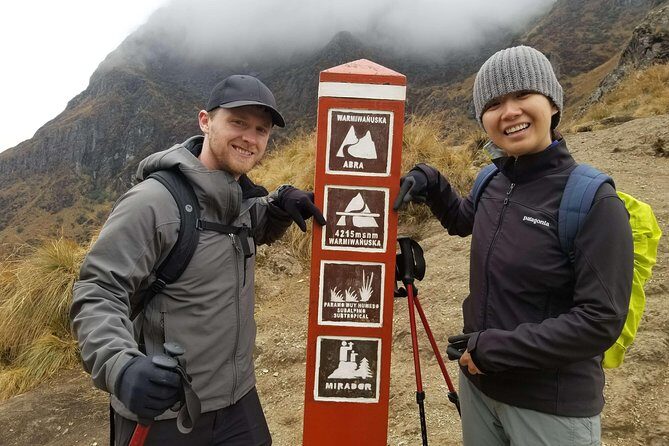
You’re still doing a real hike. The route includes high passes like Abra de Warrmihuañusca (Dead Woman’s Pass) at about 4,200m, plus multiple long stair-and-trail days.
You can also read our reviews of more tours and experiences in Cusco

The day-one rhythm: pickup timing and the briefing you’ll want
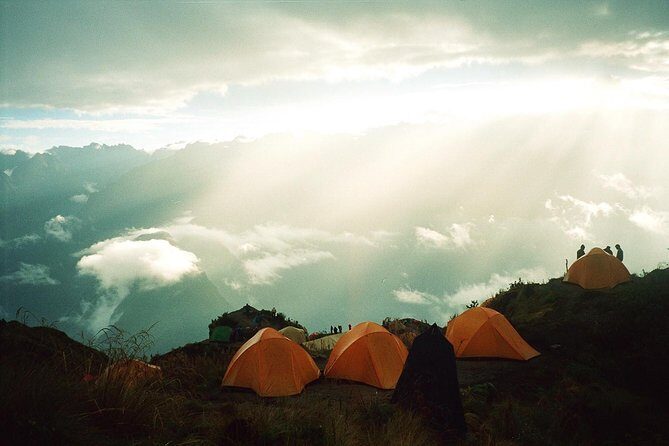
You’ll get a day-before briefing in your hotel. Then pickup is offered from your hotel/hostel/Airbnb, and the first morning starts very early (around 5:00am) for the drive to Piskacucho, also known as kilometer 82, where the Classic Inca Trail begins.
One small thing to be ready for: the “start time” listed as 5:00pm in the general info doesn’t match the 5:00am pickup described for Day 1. That’s often because the tour has a briefing window or a pre-departure schedule the evening before. Either way, do yourself a favor and confirm your exact pickup time in the message you receive after booking.
Also note the tour uses a mobile ticket, runs in English, and is priced per person at $794.88. It’s booked about 54 days in advance on average, so waiting too long can shrink your options.
Day 1: Cusco to Piskacucho (km 82) and settling into Wayllabamba Camp
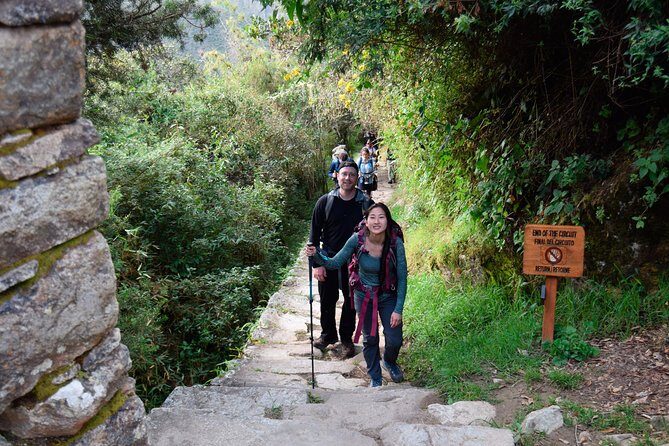
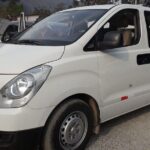
Day 1 is about getting you positioned for the actual trail start. You’ll leave Cusco around 5:00am in a private van and travel to Piskacucho (km 82). Along the way you stop in Ollantaytambo for snacks and water—use that moment. You’ll be hiking soon, and small supplies tend to matter when you’re moving fast.
By the time you reach camp territory (Wayllabamba Camp is listed as the stop), you’re likely to feel both excited and tired. That’s normal. This day is not about suffering; it’s about setting the stage and making sure you’re ready for the higher-altitude climbing ahead.
What I like about Day 1 in this format is that it reduces friction. When camping and equipment are handled for you, you can focus on adjusting, not troubleshooting.
Day 2: Dead Woman’s Pass (Abra de Warrmihuañusca) and the steep climb day
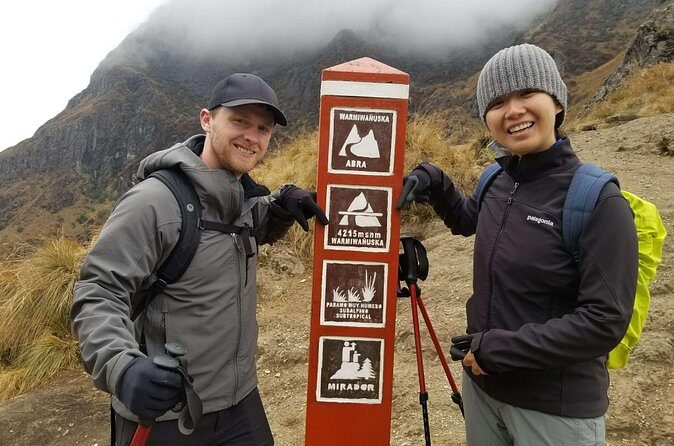
Day 2 is where the Classic Inca Trail becomes real. After an early start (wake around 5:00–5:30am) and a hot breakfast, you begin a steep ascent toward Abra de Warrmihuañusca, also known as Dead Woman’s Pass, at about 4,200m.
You’ll feel it at altitude, even if you’re fit. The climb is described as long enough that reaching the top brings a real sense of achievement—and that matches what the route is famous for. After a rest, you descend toward Pacaymayu for lunch around 3,550m.
Then comes the second steep push: a two-hour climb toward Runkuraqay pass (almost 4,000m). You arrive at camp by about 5:00pm, and night temperatures at that campsite are listed around 4°C. In other words, bring layers you can actually use outdoors, not just for show.
Why this day is worth the effort: you’re hiking through cloud-forest type environments with native plants, and you may spot birds like hummingbirds along the way. The guide’s bird-and-plant mentions matter because they give you something to notice besides breath control.
Day 3: Town in the Clouds (Phuyupatamarca) to Wiñay Wayna
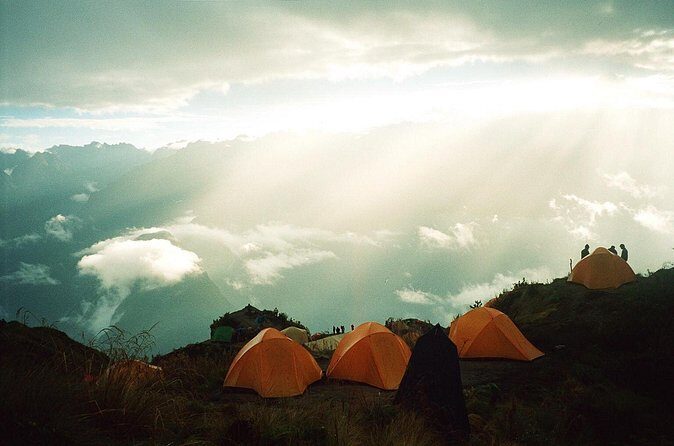
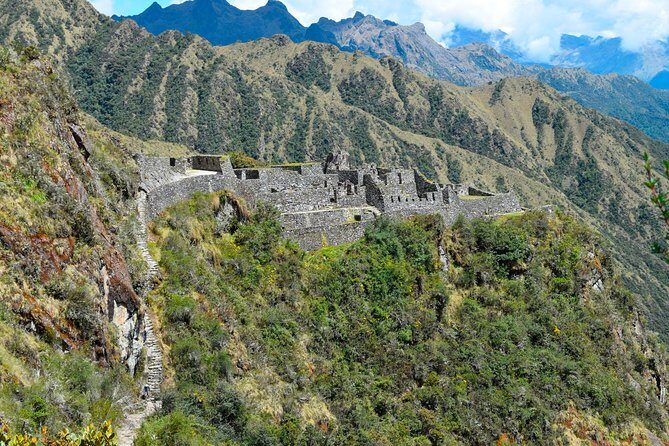
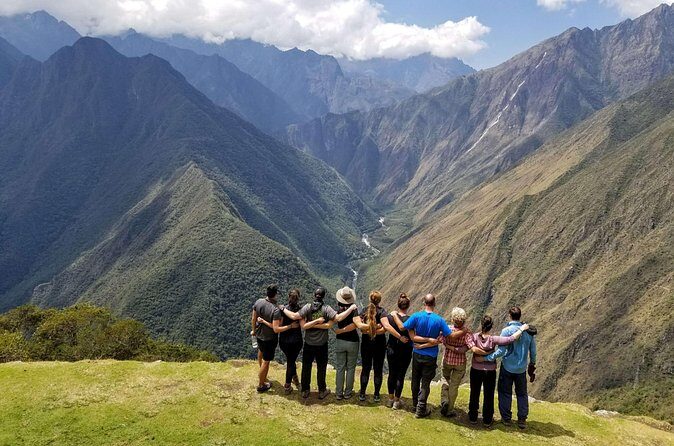
Day 3 is often the most satisfying day for people who like both hiking and archaeology. You wake around 6:00am and start with a gentle climb toward Phuyupatamarca, which means Town in the Clouds. You reach about 3,680m and get spectacular views of mountains and canyons.
Then you visit the Inca site near the third pass. After that, you continue downhill through the cloud forest via roughly 3,000 stairs to Intipata. That stair descent can be tough on knees, but it’s also part of the drama of the route—one moment you’re climbing the pass experience, the next you’re stepping into a different kind of Inca setting.
You walk until you reach the third campsite, Wiñay Wayna (about 2,680m), with a stated walking time of about 4–5 hours and arrival by lunchtime. Night temps are listed around 12°C, which feels like a warm-up compared to Day 2.
A nice detail here is the connection to Wiñay Wayna’s name: the area is associated with a special orchid that grows there. Even if you don’t recognize the plant, having your guide point to how the landscape ties into meaning makes the site feel more intentional than just ruins on a hill.
Day 4: Sun Gate entry and how to do Machu Picchu without mistakes
This is the big finish. You wake at around 4:00am, have breakfast, and start for the final section. The aim is to reach Sun Gate (Inti Punku) around 6:00am so Machu Picchu Citadel appears in front of you. That early timing is one of the strongest reasons people choose the Inca Trail route rather than only doing Machu Picchu by itself.
After arriving at the Sun Gate, you walk downhill toward the citadel (about 40 minutes). You enter from the top through the House of the Guardians. Before entering main areas, you register and leave large backpacks and walking poles. The tour notes that walking poles are not allowed because they can damage stones, so skip bringing them unless you’re sure your plan matches the rules.
Inside, you’ll follow a professional guide to the most important areas. You can wander the architecture, climb carved stone stairways, and take your time—Machu Picchu is described as a major spiritual center, so the guide context helps you move slower and look smarter.
Optional add-ons are listed:
- Huayna Picchu or Machu Picchu Mountain hikes (additional fee; must be requested at booking)
- In Aguas Calientes, you can choose a local museum visit or hot springs (also extra)
Then you descend to Aguas Calientes by bus (included). Lunch is on your own, and then you board the Expedition train departing at 18:20 to Ollantaytambo. A private van transfers you back to Cusco, arriving around 10:00pm.
Guides, porters, and food: the comfort engine of this trek
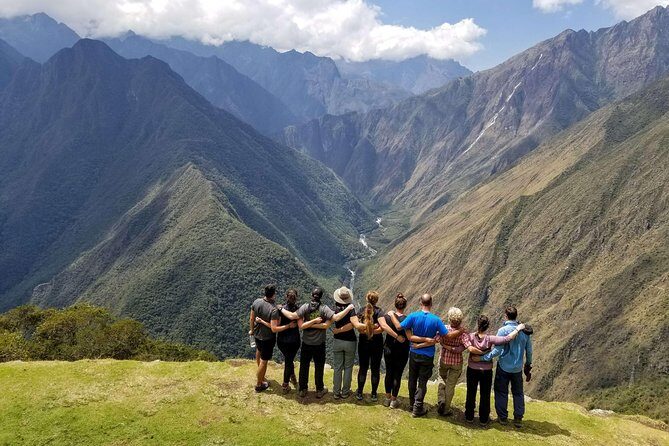
This tour is built so you’re not cooking or hauling gear. You get:
- thick, comfortable foam mattresses
- camping accommodation (tents for two plus a basic sleeping pad)
- hot water for washing
- boiled water to refill your bottles or camelback
- first aid kit plus an emergency oxygen tank
- porters to carry tents, food, and cooking equipment
The food schedule is included as indicated in the itinerary: breakfasts (3), lunches (3), dinners (3). Day 1 breakfast is not included, and Day 4 lunch is not included, so you’ll plan for those meals yourself.
Why this matters: when you don’t have to manage the camp setup, you can actually enjoy the walking. The supplied crew’s job is to keep the trek running, so you can focus on adjusting to altitude, watching the trail details, and resting when you reach camp.
From the reviews, the chef experience is repeatedly praised—people call the trail meals talented and plentiful, and that directly affects your day-to-day energy. Even without that chef hype, the basic logic holds: you’ll burn calories all day, and having decent meals ready is a huge quality-of-life upgrade.
Transport back to Cusco: train timing and a late-night finish
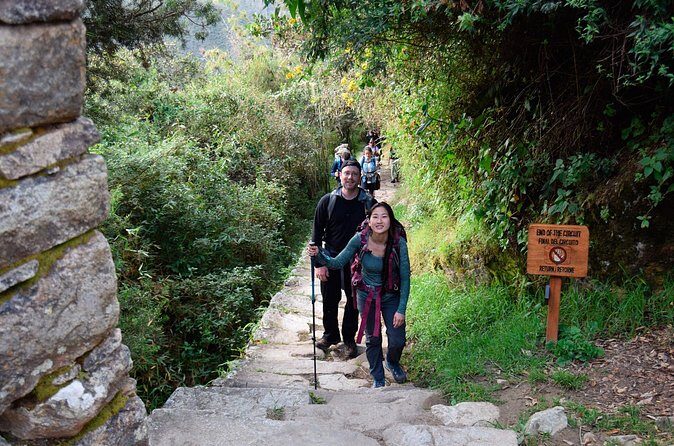
The return day is long by design, because you’re fitting train schedules into one smooth sequence. After the Machu Picchu visit, bus to Aguas Calientes is included, and you’ll have time for lunch on your own before the train.
The train depart time is specific: 18:20 from Aguas Calientes to Ollantaytambo. After that, you’ll transfer by bus and/or private van back to Cusco, arriving around 10:00pm.
Practical tip: plan for sore legs, a big appetite, and the likelihood that you’ll want to hit your hotel quickly. If your Cusco plans the next morning are tight, avoid stacking them too close to your arrival.
Price and value: is $794.88 a fair deal for 4 days?
At $794.88 per person, you’re paying for more than “a hike.” You’re paying for access and a whole logistics chain. This amount includes:
- Classic Inca Trail tickets
- Machu Picchu entrance
- bus from Machu Picchu down to Aguas Calientes
- train Aguas Calientes → Ollantaytambo
- bus/transfer back to Cusco
- camping gear setup elements (tents, foam mattresses, sleeping pads)
- porters
- guides
- meals as listed in the itinerary
- hot water and boiled water refills
What’s not included can change your final cost. A sleeping bag rental is listed at $20 for 4 days, which is worth planning for if you don’t already have one. Optional items like Huayna Picchu or Machu Picchu Mountain are listed at $75 per person. There’s also an option for extra porter service at $130 for 4 days if you truly need extra carrying help (maximum weight 14 kilos).
So the value question comes down to your priorities:
- If you want to avoid planning, buying equipment, and juggling transport, this price looks fair.
- If you already have gear and are good at logistics, you might find cheaper self-planned routes, but you’d lose the built-in structure.
Who should book this Inca Trail group trek (and who should think twice)
This tour fits best if you:
- want a structured group experience with max 15 people
- like having porters and guides handle the heavy work
- prefer comfort basics like foam mattresses and hot water
- are excited about Machu Picchu at sunrise and want the Sun Gate approach
It may feel like too much if you:
- struggle with steep climbs at altitude (Day 2 includes Dead Woman’s Pass at 4,200m)
- hate early mornings and long travel days
- need lots of flexibility if weather doesn’t cooperate (the tour requires good weather and can be canceled if conditions are poor)
If you’re training and your fitness is “moderate,” you’ll likely appreciate the pacing. If you’re starting from low conditioning, you’ll want more lead time before your trek.
Should you book this Inca Trail group service?
I’d book it if you want the Classic Inca Trail experience without turning your vacation into a project. The combination of porters, camp setup, meals, and ticketed access means you can spend your energy on the trail and the sights.
I’d also book it if your priority is Machu Picchu timing. Reaching Sun Gate at about 6:00am and entering from the top is a big part of why this trek feels special.
Just be honest with yourself about two things: how you handle altitude and whether you can commit to early mornings. If you’re good with that, this looks like a strong, organized way to do the Inca Trail.
FAQ
What’s included in this 4-day Inca Trail to Machu Picchu group tour?
The tour includes hotel briefing, hotel/hostel/Airbnb pickup, private transportation from Cusco to Piskacucho, camping accommodation (tents for two plus basic sleeping pad and thick foam mattresses), professional English-speaking guides, porters to carry tents/food/cooking gear, hot water for washing, boiled water to refill bottles, first aid kit with emergency oxygen tank, meals as indicated (3 breakfasts, 3 lunches, 3 dinners), Classic Inca Trail tickets, Machu Picchu entrance, bus from Machu Picchu to Aguas Calientes, and train Aguas Calientes to Ollantaytambo plus transfer back to Cusco.
What time does pickup happen?
The itinerary describes a private van pickup from your accommodation around 5:00am for Day 1. You also get a day-before briefing in your hotel. The general meeting info lists a start time of 5:00pm, so confirm your exact pickup time in your booking message.
Do I need a sleeping bag?
A sleeping bag is not included. Sleeping bag rental is listed at $20 for 4 days.
Are vegetarian or special diets available?
Meals are included as indicated in the itinerary, and vegetarian or other dietary needs can be requested in advance.
How does Machu Picchu work on the final day?
You wake up around 4:00am, reach Sun Gate (Inti Punku) around 6:00am, then walk downhill about 40 minutes to enter Machu Picchu from the top through the House of the Guardians. You register and leave large backpacks and walking poles. You’re allowed small bags such as camera bags.
Are Huayna Picchu or Machu Picchu Mountain included?
No. Huayna Picchu or Machu Picchu Mountain are optional and cost an additional $75 per person. They must be requested at booking.
What happens if weather is bad or I cancel?
The tour requires good weather. If it’s canceled due to poor weather, you’ll be offered a different date or a full refund. The experience is non-refundable and cannot be changed once booked.