REVIEW · CUSCO
Super Sacred Valley: A Full-Day Private Inca Experience
Book on Viator →Operated by Valencia Travel Agency S.a.c. · Bookable on Viator
Cusco’s Sacred Valley feels like a living museum on wheels. This private day strings together Pisac, Ollantaytambo, Moray, Maras, and Chinchero, with a real guide helping you make sense of what you’re seeing. I like the pacing (early start, big sites, then a calmer break in Urubamba), and I like that you get a proper guided visit at the standouts. One drawback to plan for: entrance fees for the archaeological sites are extra, and that can change your final total.
You’ll also get the practical stuff that makes a day like this feel easier—pickup in Cusco, private transportation, and an English-speaking guide. In past departures, guides have included Eduardo, Guido, and Yenrri (with driver Richard on at least one trip), and that kind of experience helps you get more out of places that can otherwise feel like piles of stones.
If you’re short on time but want more than a quick look, this is the kind of full-day route that actually gives you context. Just keep an eye on tickets, and you’ll be fine.
In This Review
- Key highlights at a glance
- Morning pickup, a real schedule, and the long Sacred Valley drive
- Pisac market first, then ruins and the Intihuatana
- Ollantaytambo’s Temple of the Sun and those perfectly cut stones
- Urubamba lunch break: a short reset, not a full meal plan
- Moray: the Inca agricultural laboratory with microclimate logic
- Maras salt ponds: pink salt views that feel almost unreal
- Chinchero: a church built on an Inca base, plus terraces and views
- Price and tickets: what $115.79 really buys you
- Private guide quality: the small details that change your day
- Who this tour is perfect for—and who should think twice
- Should you book the Super Sacred Valley private day?
- FAQ
- What’s the duration of the private Sacred Valley tour?
- What time does the tour start?
- Is pickup included?
- Is this tour private or shared?
- What stops are included in the full-day route?
- Are entrance fees included in the price?
- Is lunch included in the tour price?
- Do I need the Cusco Tourist Ticket?
- What language is the tour guide?
- What’s the cancellation policy?
Key highlights at a glance
- Pisac: Market stop plus a guided climb through terraces and the famous Intihuatana (Hitching Post of the Sun)
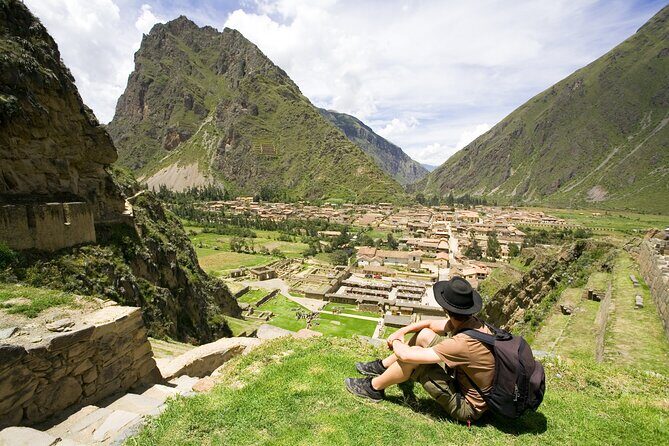
- Ollantaytambo: Temple of the Sun with massive carved stone blocks, polished surfaces, and terraces
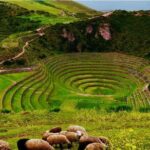
- Moray: Amphitheater-like circular terraces tied to the Inca idea of farming in different microclimates
- Maras salt ponds: Shimmering salt evaporation pools against the Andean backdrop
- Chinchero: Church of Our Lady of Monserrat built on Inca palace foundations, with nearby archaeological terraces
Morning pickup, a real schedule, and the long Sacred Valley drive

The day starts early. Depending on where you’re staying, pickup is arranged from your Cusco hotel around the morning hours (the start time is listed as 7:00 am). You’ll also have a defined meeting point at the Main Square area if you’re not using hotel pickup.
Then the route gets moving fast. You head out toward the Sacred Valley, descending about 1,500 feet as you travel alongside the Urubamba River and toward the village area around Pisac. That descent matters more than it sounds: it sets the tone for a day of contrasting views and site types—markets and ruins, then salt ponds and church-over-Inca layers.
Because it’s private transportation, you’re not stuck waiting for a big group shuffle. In a day packed with stops, that one advantage can be the difference between feeling rushed and actually enjoying the pauses.
You can also read our reviews of more private tours in Cusco

Pisac market first, then ruins and the Intihuatana
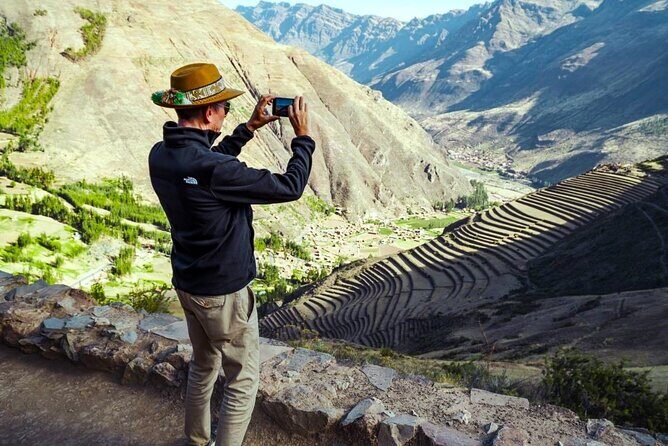
Pisac is a two-part stop that works well if you like both culture and monuments.
First comes the traditional Pisac market. You’ll have about 30 minutes to browse. This is your chance for small souvenirs without turning it into a time sink. If you care more about shopping than history at this moment, you can tell your guide. The tour notes that if you prefer extra market time, they can arrange your pickup to adjust the balance.
Next you drive up to the Pisac ruins for a guided visit of about 90 minutes. This is where the Sacred Valley turns from pretty views into a specific story. The guided tour is focused on elements like temples, altars, tunnels and caves, and terraces carved into the hillside. The headline detail is the Intihuatana, also called the Hitching Post of the Sun—an Inca feature that’s frequently tied to time and astronomical observation.
Practical consideration: Pisac is a guided experience with a fixed time window. If you’re the type who wants to linger and photograph from every angle, it helps to be decisive. Ask your guide where the best viewpoints are and plan your route inside the site while you still have time.
Ollantaytambo’s Temple of the Sun and those perfectly cut stones
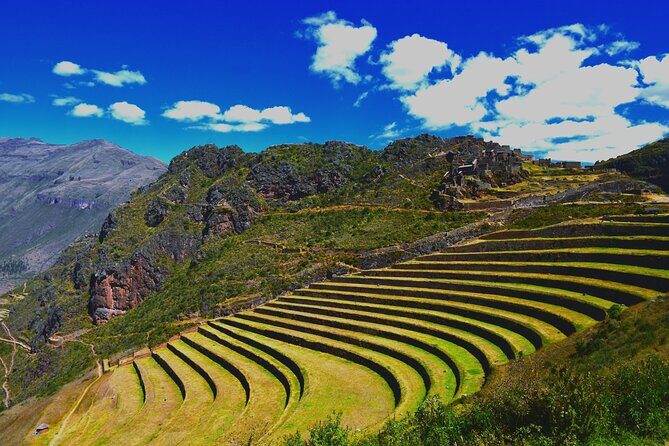
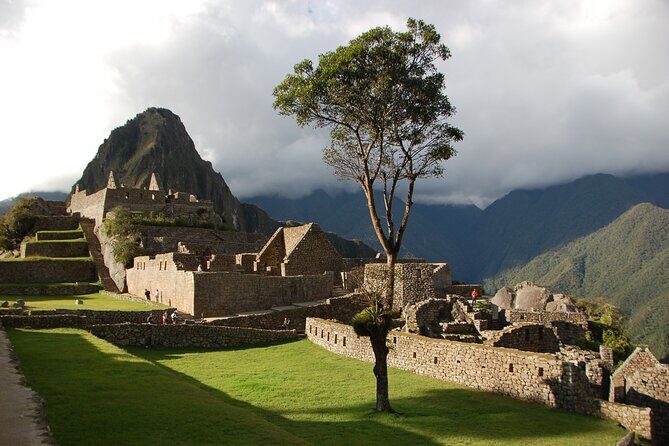
After Pisac, you head to Ollantaytambo, a town tucked into the sacred mountains. You’ll spend about one hour exploring the Incan heritage here.
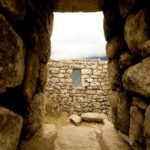
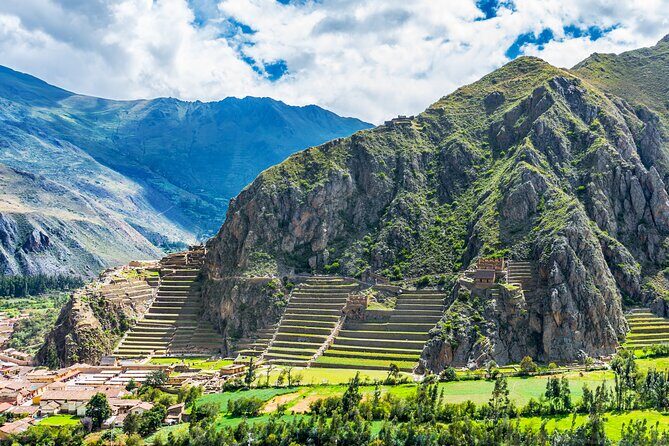
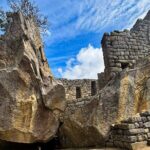
The center of the stop is the Temple of the Sun. What makes it impressive is exactly what your guide will point out: massive stone blocks, finely carved and fitted, with polished surfaces that catch the light. The visit also includes terraces and features like ancient stairways and stone water fountains.
One thing I really like about this stop in the context of the whole day: it’s not just ruins. You’re in a living town setting, so you get a stronger sense of how communities have continued here. The route notes that you’ll notice local people dressed in traditional attire and you’ll also look out over valleys named Patacancha and Willoq, which helps connect the stonework to the geography it was built for.
Time check: you only have about an hour. That’s enough for the big points, but if you want more, you’d need a separate longer visit.
Urubamba lunch break: a short reset, not a full meal plan
From Ollantaytambo you continue toward Urubamba. This part of the day is built for recovery.
You get about 45 minutes for lunch. Lunch isn’t included, and the tour suggests you can relax in town, then choose a local eatery or café for something traditional or a lighter snack.
This stop is valuable because it breaks the pattern of moving from site to site. In a full-day archaeology route, that reset helps you stay present later—especially when the route shifts into Moray and Maras, which can feel more visually intense once you see the farming terraces and salt pools.
A consideration: 45 minutes goes quickly. If you want to avoid stress, eat close to where you’re dropped off and don’t plan on a long sit-down meal.
Moray: the Inca agricultural laboratory with microclimate logic
Moray is one of those places where a guided explanation changes everything. Without context, it can look like an amphitheater. With context, it becomes a window into how the Incas experimented with crops.
You’ll drive about 1.5 hours to get there, with time to see Andean scenery along the way. Once you arrive, the guided walkthrough takes about one hour.
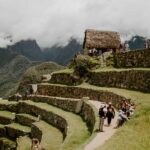
The focus is on Moray’s circular, stepped terraces—bowl-shaped like an agricultural testing site. The commonly taught idea (which your guide will explain during the visit) is that these terraces created varying microclimates. In other words, the design helped the Incas figure out which crops would do best under specific conditions.
Entrance note: Moray is listed as not included. So even if you plan to use the Cusco Tourist Ticket for some sites, you may still want to budget for Moray separately based on what you’re holding that day.
You can also read our reviews of more tours and experiences in Cusco
Maras salt ponds: pink salt views that feel almost unreal
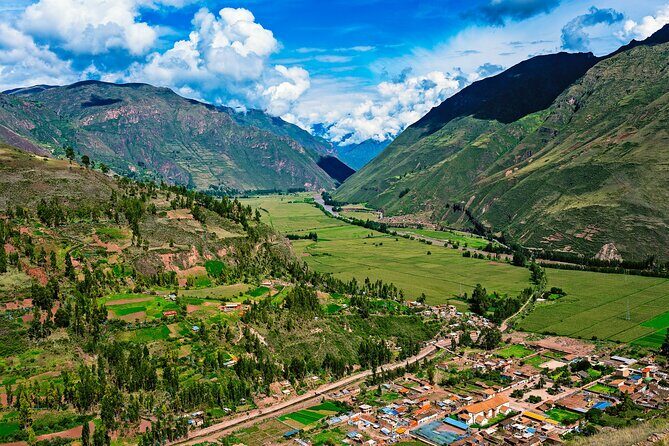
After Moray, Maras is close—about two miles away—which helps keep the momentum without turning the day into constant long drives.
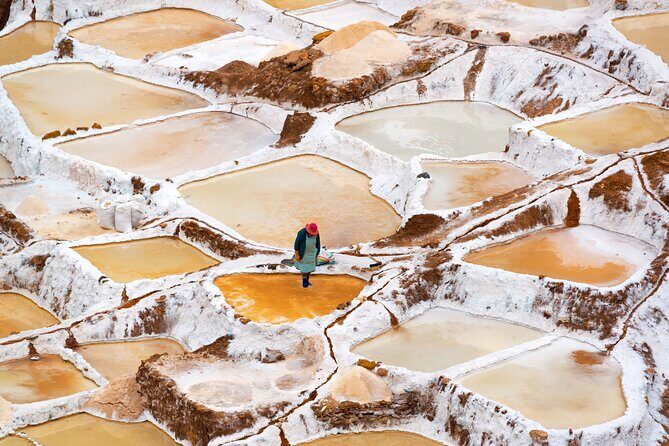
You’ll visit the salt evaporation ponds, ancient pools carved into the mountainside. They capture salty water from a natural spring. As the water evaporates, salt is left behind and collected through a communal process. The tour specifically calls out sal de Maras, the well-known pink salt that’s harvested here.
The reason this stop hits hard for many people is visual contrast. You get shimmering pools against the Andean backdrop, and the whole scene can look like it’s dusted with snow or ice, even though it’s salt.
Practical consideration: this stop is likely outdoors with uneven ground. Wear footwear you feel confident in, and keep moving so you don’t get stuck late in the day with photos but no time left.
Chinchero: a church built on an Inca base, plus terraces and views
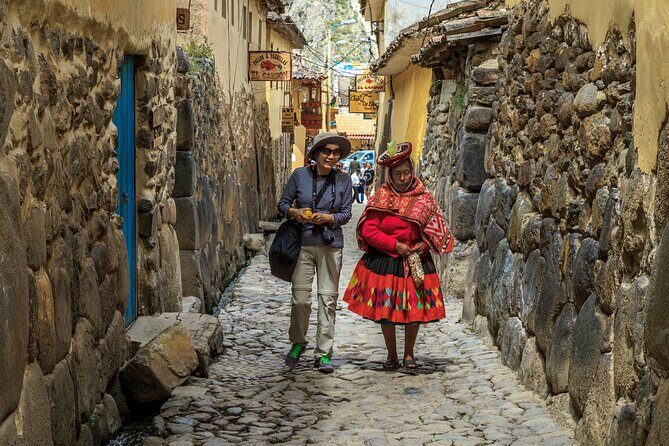
On the way back to Cusco, you make a brief stop at Chinchero.
The highlight is the Church of Our Lady of Monserrat, built on foundations of an Inca palace. That layering—Inca architecture under colonial construction—is exactly what makes Chinchero interesting. The church’s frescoes and intricate designs are part of the reason it’s a stop worth making, especially after seeing mostly outdoor Inca ruins earlier in the day.
Nearby, you’ll also visit an archaeological area with agricultural terraces and panoramic views. This makes Chinchero feel like a quieter chapter of the day, tying the theme of farming and landscape control back to the terraces you saw at Moray and the salt system you saw at Maras.
The tour expects to return to Cusco around 6:30 to 7:00 pm. That means you’ll have a full evening free right after, but plan on being tired in a good way.
Price and tickets: what $115.79 really buys you
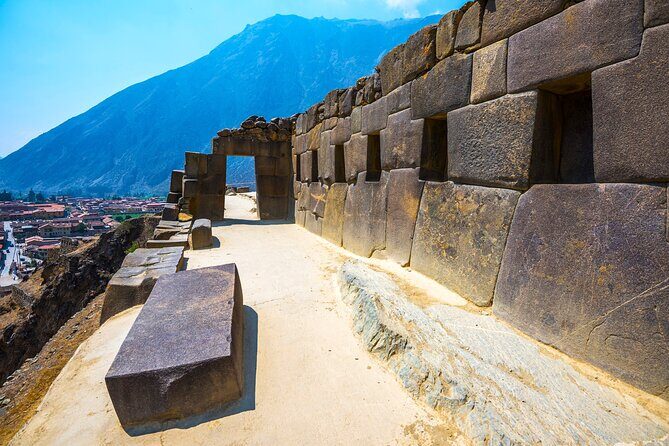
The tour price is $115.79 per person for a private full-day experience (about 9 hours). What you’re paying for is the combination of:
- private transportation through the Sacred Valley route
- a professional English-speaking guide
- pickup from your hotel in Cusco
- first aid kit support (and a reminder to bring prescriptions if you take medication)
What’s extra are the site entrance costs. The tour lists entrance to the archaeological sites as about $45 (or s/130). Moray is specifically marked as not included, which you should treat as a likely separate cost depending on your ticket situation.
There’s also an important local factor: the Cusco Tourist Ticket is about 130 soles (around $45), and it includes a “use it across certain sites” idea. There’s also a 50% student discount with an ISIC card. If you’re not planning to visit many other Cusco sites, the tour mentions a partial ticket that covers just Pisac and Ollantaytambo for a one-day visit. That can be a smarter buy if you want to keep your spending tidy.
My advice: before you arrive, sit down with your plan for Cusco and decide whether you’ll use the Cusco Tourist Ticket at more than one time. If you only care about Sacred Valley ruins and not the other city sites, a partial ticket might save money. If you’ll visit multiple Cusco sites, the full tourist ticket may be worth it.
Private guide quality: the small details that change your day
Because this is private, your guide can shift emphasis and pacing to you. That’s a big deal on a day with many stops.
In past trips run by Valencia Travel, the guide names mentioned include Eduardo, Guido, and Yenrri, and at least one group also mentioned driver Richard by name. While you can’t assume you’ll get the same person, it’s a good sign that the operation has used guides who focus on history and day-of logistics.
Here’s what that tends to mean for you in real life:
- You’re more likely to understand why a site looks the way it does, not just what it’s called.
- You can ask practical questions as you go.
- If you have preferences—like spending more time at the Pisac market—you can communicate them.
Also, private transportation means you’re not forced into awkward timing gaps. When the day is 9 hours long and the route is packed, efficient transfers matter.
Who this tour is perfect for—and who should think twice
This works best if you want a structured Inca Sacred Valley day without having to coordinate transport between sites yourself.
You’ll likely like it if:
- you want guided stops at the big names (Pisac ruins, Ollantaytambo, Moray)
- you like a plan that covers markets, towns, and major ruins in one day
- you value pickup in Cusco and a private car for comfort
You might want to think twice if:
- you hate paying separate entrance fees and want a fully inclusive price
- you want long free time in each town (this day moves—Urubamba lunch is only 45 minutes)
- you’re expecting a slow, wandering style tour instead of a route with timed visits
It’s also noted as suitable for most travelers, but like most Sacred Valley routes, you should be ready for walking at ruins and standing time at viewpoints.
Should you book the Super Sacred Valley private day?
I’d book it if you’re doing Cusco for a short visit and you want your Sacred Valley day to be more than a drive-by. The route has the right mix: markets and towns for texture, then guided Inca sites where explanations actually matter, and a closing pair of stops (Maras and Chinchero) that give you a strong sense of how engineering and tradition share the same ground.
I’d reconsider if your main goal is “one site, lots of time.” This is a full-day sampler with guided depth at key locations, but it’s not a relaxed, choose-your-own-pacing day.
If you do book, plan for extra entrance fees (especially for Moray), decide in advance whether you’ll use the Cusco Tourist Ticket or a partial ticket, and bring your medication prescription if needed. Then show up ready for a long day that’s organized enough to feel smooth and informative, not chaotic.
FAQ
What’s the duration of the private Sacred Valley tour?
It runs about 9 hours.
What time does the tour start?
The start time is listed as 7:00 am, with pickup from your Cusco hotel arranged for the morning.
Is pickup included?
Yes. Pickup from your hotel in Cusco is included, and the tour also lists a meeting point at the Main Square area.
Is this tour private or shared?
It’s private. Only your group will participate.
What stops are included in the full-day route?
The tour includes Pisac (market and ruins), Ollantaytambo, Urubamba, Moray, Maras salt ponds, and Chinchero (church and nearby archaeological area).
Are entrance fees included in the price?
No. Entrance to archaeological sites is listed as extra (about $45 or s/130). Moray is specifically listed as not included.
Is lunch included in the tour price?
No. There is a 45-minute lunch stop in Urubamba, and lunch is not included.
Do I need the Cusco Tourist Ticket?
The tour notes that the Cusco Tourist Ticket is about 130 soles (around $45 USD) and can be used for certain city tours and sites. It also mentions a partial ticket option for Pisac and Ollantaytambo if you’re not visiting other Cusco sites.
What language is the tour guide?
The tour is offered in English.
What’s the cancellation policy?
Free cancellation is available up to 24 hours before the experience starts for a full refund. If you cancel less than 24 hours before, the amount paid is not refunded.