REVIEW · CUSCO
Voluntering at the Cochahuasi Sanctuary
Book on Viator →Operated by Cochahuasi Animal Sanctuary · Bookable on Viator
Rescued animals need more than photos. At Cochahuasi Animal Sanctuary near Cusco, you swap sightseeing for real help—feeding and caring for animals, plus visitor education that explains why the rescue work matters. I like that this is built around hands-on volunteering, not just watching from the sidelines.
Two things I also appreciate: round-trip pickup keeps the day simple, and you’re given structured tasks like cleaning, enclosure work, and animal enrichment. One thing to consider: the day is focused and you may get dirty, and meals (and bottled water) aren’t included, so you’ll want to plan accordingly.
In This Review
- Key highlights at Cochahuasi in Cusco
- Why volunteering at Cochahuasi Animal Sanctuary feels different in Cusco
- Your 5-hour volunteering day: how it typically flows
- Animal feeding, cleaning rooms, and building enclosures
- River cleanup and reforestation: the practical side of rescue work
- Guided tours, English education, and the stories behind rescues
- Transportation, meeting point, and how easy the logistics are
- Price and value: what $89 covers (and what doesn’t)
- What to expect emotionally (and physically) during the work
- Who should book this Cochahuasi volunteer program?
- Before you go: timing, weather, and practical planning
- Should you book Cochahuasi volunteering in Cusco?
- FAQ
- Where is the Cochahuasi sanctuary volunteering activity based?
- How long is the volunteering program?
- What does the $89 price include?
- Are meals included in the price?
- Do I get pickup from my hotel?
- Is the tour in English?
- Is this a private group activity?
- What activities will I help with?
- What if the weather is bad?
- What’s the cancellation policy?
Key highlights at Cochahuasi in Cusco
- Private, guided volunteering: your group does the activity together with staff support.
- English instruction and animal history: you get a summary of animal backgrounds to help with visitor tours.
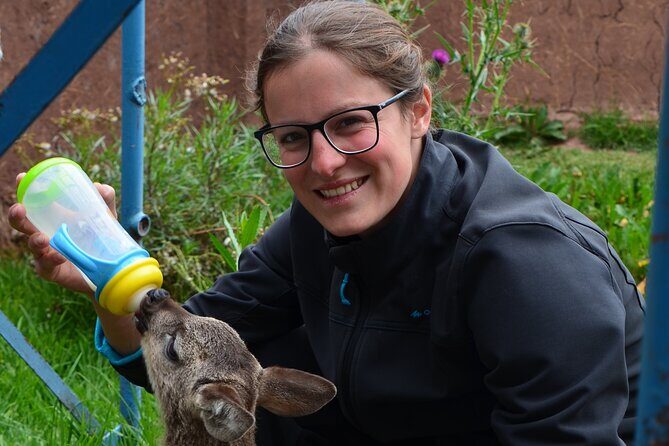
- Hands-on animal care duties: feeding and animal room cleaning are part of the assigned work.
- Practical conservation tasks: river cleanup and reforestation show up as real work, not just a feel-good add-on.
- Flexibility with management approval: you can take on volunteer initiatives if the sanctuary signs off.
Why volunteering at Cochahuasi Animal Sanctuary feels different in Cusco
Cochahuasi is the kind of place where your time has a clear, measurable purpose. The program is designed around educational and aid activities for domestic and wild animals, and you’re placed into daily tasks meant to support day-to-day rescue operations.
If you care about animal welfare and don’t mind getting your hands involved, this works. You help with day-to-day chores such as animal feeding and cleaning, but you also join the bigger “keep the sanctuary running” work like removing solid waste from a river that passes through the center and nearby roads, plus reforestation and building enclosures. That mix makes the experience feel practical, not performative.
Another reason it connects is the education side. Staff don’t just point at animals—they guide you through the stories behind the rescues so you can share that context with visitors. One review even mentions meeting Monica the monkey and being drawn into the animals’ individual histories, some of which are described as heartbreaking. That emotional honesty is part of the reason the experience sticks with people.
You can also read our reviews of more tours and experiences in Cusco.

Your 5-hour volunteering day: how it typically flows

This activity runs about 5 hours in total. The sanctuary’s approach is straightforward: you’re introduced to the facilities and then you rotate through tasks based on what the sanctuary needs that day.
A key part of the rhythm is the first-day structure:
- You’ll receive a guided tour of about 35 minutes that introduces the facilities and the volunteer activities.
- You’re also set up with an English summary of the animals’ history, meant to help you educate visitors during guided tours.
After that, your tasks are assigned with staff present. The program lists several core activities, but the exact order can vary depending on the sanctuary’s needs and what’s feasible on the day. In other words, you’re not boxed into one single chore for the full duration—you’re involved with multiple types of support.
If you want a day that feels active and grounded, this structure helps. You’re not just there to observe. You’re there to contribute, then help explain the work to others.
Animal feeding, cleaning rooms, and building enclosures
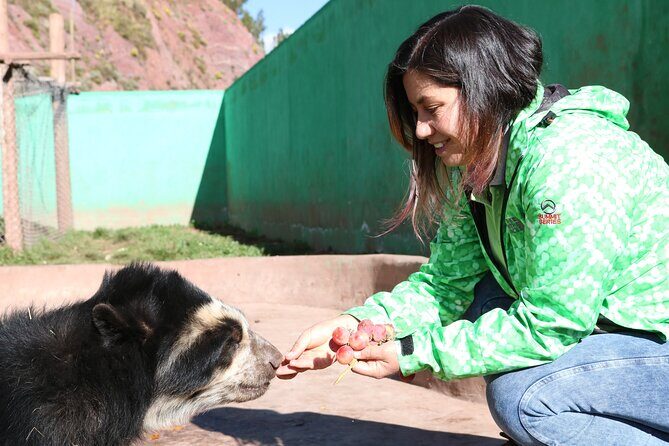
Animal care is the heart of the day. You’ll be assigned responsibilities such as animal feed with staff support. That means you’re not thrown into chaos with no guidance—you’re shown how to give food and drinks properly while staff oversee the process.
Cleaning work is also part of the job. The program specifically includes cleaning of rooms, again with assistance from staff in charge. This matters more than it sounds. Sanctuaries run on hygiene, safety, and routines that protect both animals and humans. When you’re helping with that, you’re supporting the environment the animals need to recover and live comfortably.
Then there are bigger physical tasks, depending on the day. Volunteers may help with:
- Construction of enclosures for animals
- Recreational activities for animals
- Other approved volunteer initiatives over multiple days
Enclosure work can be especially meaningful because it supports long-term safety and housing needs. If you’re the type who likes visible progress—things that change and improve on the ground—that’s where you’ll likely feel it most.
Just keep your expectations realistic: this isn’t a “light touch” volunteer gig. You should be ready to move, help carry out tasks, and work at sanctuary pace.
River cleanup and reforestation: the practical side of rescue work
One of the most interesting parts of the program is that it doesn’t limit itself to animals alone. The center has a river that passes through the site, and the program includes cleaning solid waste from the river plus cleanup around the property, including the asphalt road that borders the center.
This is conservation work in a literal sense—keeping the environment healthier so the sanctuary can function safely. It’s also a reminder that rescue is connected to the wider human environment. If you’ve ever wondered what “animal rescue” means beyond the animals themselves, this portion answers that question.
The program also lists reforestation. Planting and restoring vegetation helps support the broader ecosystem around the sanctuary. It’s not glamorous, and you may not see instant results in a single day—but it’s the kind of steady effort that sanctuaries rely on.
These tasks are a strong fit if you’re the type who likes doing real work with clear impact. If you prefer activities that are mostly indoors or very gentle, this might feel more physical than you expected.
Guided tours, English education, and the stories behind rescues
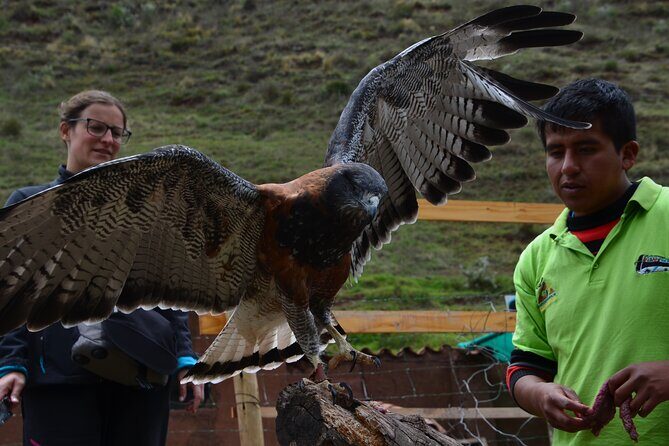
Education is built into the volunteering process. On your first night at the latest, you’re given an English summary of the animals’ history. The idea is that you’ll be ready to guide and give information to visitors as part of the sanctuary’s mission.
That matters for two reasons:
- It turns your time into advocacy. You’re not just helping animals; you’re helping visitors understand what they’re seeing.
- It gives context. Rescued animals often come with complex backstories, and the program is designed to help you explain those stories responsibly.
The reviews highlight how emotional this can be—some animal histories are described as heartbreaking. I see that as a sign the sanctuary tells the truth, not a sugar-coated version. If you’re emotionally ready to hear difficult stories and still want to help, you’ll likely find this part deeply worthwhile.
Also note: your volunteer initiative can expand with prior approval of management. That means you’re not trapped in a rigid script. If you show initiative and follow staff guidance, you may take on extra roles when appropriate.




Transportation, meeting point, and how easy the logistics are
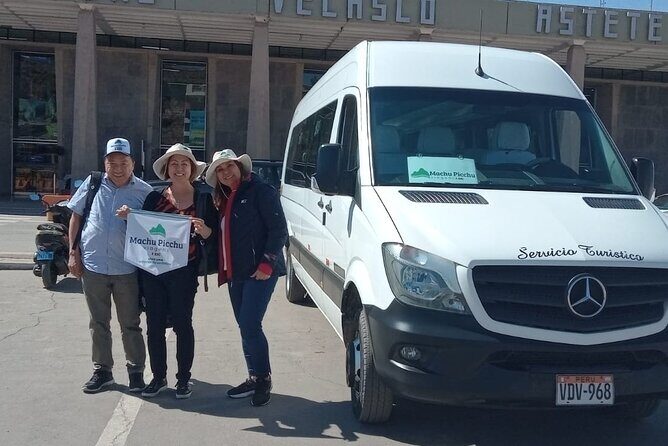
A big reason people choose this program is how simple the setup is. You get private transportation and private tour/activity, meaning only your group participates.
The meeting point is listed as C. Plateros 599, Cusco 08002, Peru, and the activity ends back at the meeting point. Pickup is usually at your hotel or hostel, but you can agree on a pick-up spot if needed. In practice, that reduces friction for a Cusco day when you might already have a packed schedule.
This matters because volunteering programs can be harder to reach than typical tours. Here, the structure is designed to make it easier for you to show up and focus on the work instead of wrestling with transit plans.
Price and value: what $89 covers (and what doesn’t)
At $89 per person for about five hours, the value comes from what’s included. Your ticket covers:
- Private transportation
- Admission tickets
- An instructor at the sanctuary
That combination is the main deal. You’re paying for access to the sanctuary’s volunteer program plus the support that keeps you safe and effective while you work.
What’s not included is equally important for planning:
- Bottled water
- Lunch
- Breakfast
- Snacks
So, if you’re doing this as a full-day commitment, you’ll want to plan around meals. Since bottled water also isn’t included, bring your own or plan to buy it near your route. The sanctuary has staff guiding and assisting with tasks, but you don’t want to get caught hungry and thirsty mid-shift.
Also, remember your time is limited to one day unless you book more. If you want more contact with the animals and more chance to join multiple types of projects, a second day is an option people seem to enjoy—one review described booking a second day after an excellent first one.
What to expect emotionally (and physically) during the work
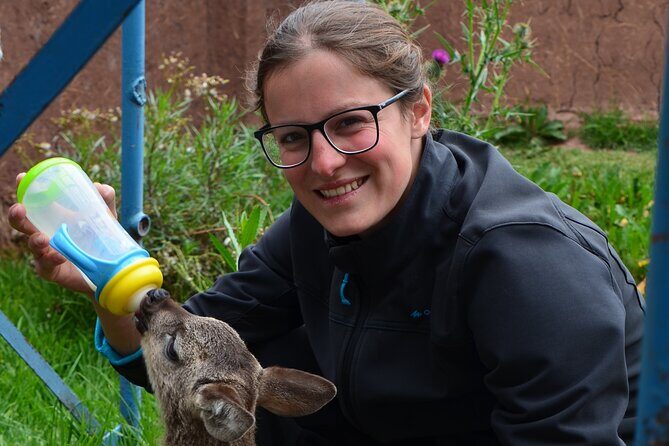
This is one of those experiences where both your body and your heart may get involved.
Physically, you might find it a bit dirty or hands-on. The reviews specifically mention not minding getting a little dirty, and that feeling fits with tasks like cleaning, waste removal, and enclosure or room maintenance work.
Emotionally, the animals’ histories can weigh on you. When a program shares rescue stories honestly and acknowledges that some details are difficult, it can feel heavy—but it’s often paired with uplifting moments: seeing animals cared for by people who are committed to them, and understanding that some may be rehabilitated or released depending on the sanctuary’s process.
If you’re the type who likes gratitude without guilt—where your help is genuinely needed—this is likely your kind of day.
Who should book this Cochahuasi volunteer program?
This program is a strong match if:
- You want to give back while in Cusco, not just take photos
- You enjoy structured tasks and staff guidance
- You like animals and want more direct contact than you’d get from a standard visit
- You’re open to learning and then sharing what you learn in English with visitors
It’s less ideal if:
- You want a purely relaxed, low-effort outing
- You’re not comfortable with physical tasks like cleaning and cleanup work
- You strongly need meals and snacks included in your program price
It also suits people who want a one-day commitment that still feels meaningful. Even reviews that describe volunteering for only a single day mention surprisingly strong animal contact and a chance to meet other longer-term volunteers.
Before you go: timing, weather, and practical planning
The program runs Monday through Sunday, 8:00 AM to 5:00 PM. It’s scheduled around your pickup and a return to the meeting point, and it’s usually easy to fit into a Cusco itinerary.
One practical point: the experience requires good weather. If weather is poor, you’ll be offered a different date or a full refund. That’s a big deal for planning, especially if you’re visiting during a season when weather can swing.
For comfort, I’d plan like you’re working outdoors and doing hands-on cleaning support. Wear clothes you don’t mind getting dirty, and make sure you’ll be able to move comfortably for a few hours.
Also, since bottled water and snacks aren’t included, you’ll feel better if you plan ahead. Bring water if you can, and time your meals so you’re not running on empty.
Should you book Cochahuasi volunteering in Cusco?
If your goal is to help animals in a way that’s structured, guided, and clearly connected to real sanctuary operations, I think this is a smart booking. The combination of hands-on care, education support in English, and practical conservation tasks like river cleanup and reforestation gives you a fuller picture of what rescue work involves.
Book it if you:
- Want a meaningful half-day in Cusco
- Don’t mind getting a little dirty
- Are ready to hear and share animal stories with visitors
Skip it if you:
- Need meals included
- Want a low-activity tour
- Are uncomfortable with cleaning and physical volunteer tasks
Bottom line: this is one of the better ways to turn a Cusco visit into something you can feel good about afterward—because your time goes directly into animal care and the sanctuary’s day-to-day survival.
FAQ
Where is the Cochahuasi sanctuary volunteering activity based?
The activity takes place in the Cusco area and uses C. Plateros 599, Cusco 08002, Peru as the meeting point. Pickup is usually arranged from your hotel or hostel, if available.
How long is the volunteering program?
It’s about 5 hours (approx.).
What does the $89 price include?
The price includes private transportation, admission tickets, and an instructor at the sanctuary.
Are meals included in the price?
No. Breakfast, lunch, and snacks aren’t included, and bottled water isn’t included either.
Do I get pickup from my hotel?
Pickup is usually offered from your hotel or hostel, but you can agree on a pick-up point with the provider if you ask.
Is the tour in English?
Yes. The experience is offered in English.
Is this a private group activity?
Yes. It’s listed as a private tour/activity, so only your group participates.
What activities will I help with?
You may help with animal feeding, room cleaning, cleaning solid waste from the river and surrounding property, reforestation, construction of enclosures, recreational activities for animals, and guiding/giving information to visitors.
What if the weather is bad?
The experience requires good weather. If it’s canceled due to poor weather, you’ll be offered a different date or a full refund.
What’s the cancellation policy?
Cancellation is free. You can cancel up to 24 hours in advance for a full refund.