REVIEW · CUSCO
Tour to Machupicchu By Train Full-Day
Book on Viator →Operated by Mega Expeditions · Bookable on Viator
Machu Picchu in one sprint day. What makes this tour interesting is the route efficiency: you’re handled step-by-step with train and bus connections, so you’re not wrestling schedules all on your own. I like that the day includes a briefing the day before, which matters when you’re starting at 4:00 am and your brain is still rebooting.
Two things I really like: first, you get a professional bilingual guide for a 2-hour orientation at Machu Picchu, so you know what you’re looking at right away. Second, after the guide, you’re not stuck—there’s a long window to wander at your own pace once you’re inside.
One possible drawback to keep in mind: several parts of the experience depend on ticket availability. If the Machu Picchu entrance you need isn’t ready for your day, the flow can get complicated, and you may end up needing to adjust your plan.
In This Review
- Quick take: what you’ll feel most on this tour
- Why this full-day train plan is such a practical idea
- The 4:00 am pickup: what the schedule really means for you
- Ollantaytambo to Aguas Calientes: a scenic train ride, not just transit
- Getting from Aguas Calientes up to Machu Picchu: bus time and arrival stress
- The 2-hour guided tour: what you gain right away
- After the guide: planning your self-exploration time
- Ticket availability is the make-or-break factor
- The long return: 6:20 pm train and where you’ll be dropped
- What you’re paying for with this $360 price
- Solo travelers: safe, structured, and still long
- Should you book this Machu Picchu full-day train tour?
- FAQ
- FAQ
- What time does the tour start?
- How long is the full-day tour?
- How much does the tour cost?
- What transport is included during the day?
- Do I get a guide at Machu Picchu?
- How much time will I have to explore Machu Picchu on my own?
- Is the Machu Picchu entrance ticket included?
- What is the group size?
- Where will I be dropped off in Cusco at the end?
- Is the tour suitable for solo travelers?
Quick take: what you’ll feel most on this tour
- A brutally early 4:00 am start that pays off with a big chunk of daylight at the site
- Ollantaytambo to Aguas Calientes by train for the scenic Andes ride (about 1 hour 50 minutes)
- Guided Machu Picchu first, then freedom to explore on your own for as long as you like
- Small group size (max 15), which usually makes logistics feel more manageable
- Ticket timing matters: the tour is designed around Machu Picchu entrance secured in advance, but availability can still affect timing
- Drop-off may not be your front door: one review notes return to central Cusco rather than direct hotel drop
Why this full-day train plan is such a practical idea
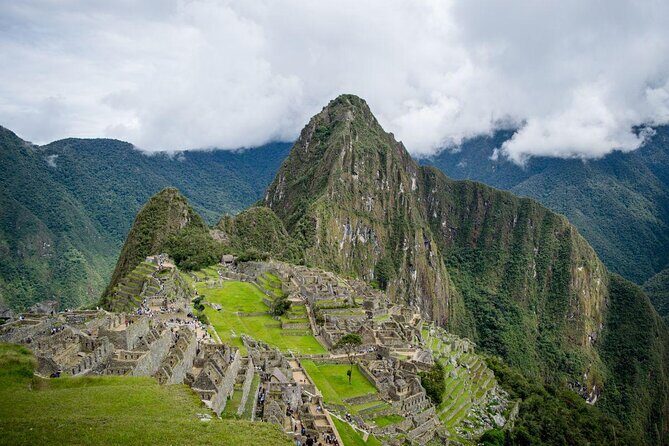
If you only have a few days in Peru, Machu Picchu can be hard to fit without turning your trip into a logistics puzzle. This tour is built to compress the biggest part—getting there and back—into one long, structured day.
I also like that the experience is designed around connections you don’t have to plan from scratch. You move by minivan, bus, and train, and you get a guide at Machu Picchu to help you get your bearings fast. That’s a real value add when the site is busy and the paths are easy to overthink.
Price-wise, $360 is not cheap. But when a tour includes train tickets, bus to the citadel, the Machu Picchu entrance (when booked in advance), and a bilingual guide for the main site time, you’re paying for fewer decisions and less risk on the day.
You can also read our reviews of more tours and experiences in Cusco


The 4:00 am pickup: what the schedule really means for you
This is an early start tour. You’re picked up from your Cusco hotel at 4:00 am, then taken toward the train station area.
That timing is not random—it’s how the day stays workable. You’re trying to reach Machu Picchu in a time window where you can get a guided tour, then still have hours afterward to explore. Translation: you’ll feel the early hour more than you’ll feel the travel later.
Also pay attention to how the tour is organized. It’s small, with a maximum of 15 travelers, and there’s a briefing the day before so you know what to expect. That briefing is especially helpful because the day has multiple transport steps and specific meeting points.
Ollantaytambo to Aguas Calientes: a scenic train ride, not just transit
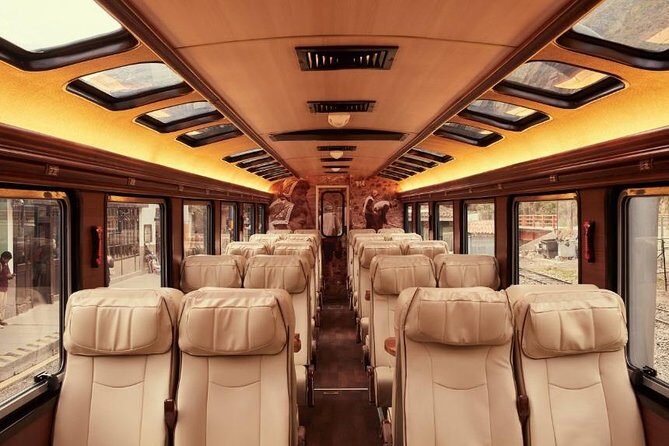
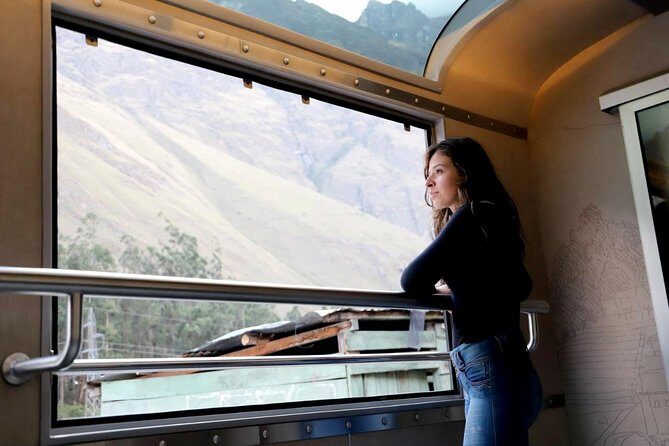
Your first big transport block is the train from Ollantaytambo to Aguas Calientes (Machu Picchu village). The train ride is about 1 hour 50 minutes, and you’ll get Andes views and snow-capped peaks if the weather cooperates.
This segment matters because it makes the trip feel like a journey instead of a hallway sprint. You’re not stuck staring at a schedule board; you’re moving through the Sacred Valley region by rail, which is often the most comfortable way to travel that distance.
One detail that can affect how you enjoy this part: the ride is a set connection, so your comfort will depend on your tolerance for early mornings and packed group timing. Still, if you want views without adding extra transfers, this is the cleanest chunk of the day.
Getting from Aguas Calientes up to Machu Picchu: bus time and arrival stress
Once you arrive in Aguas Calientes, you’ll meet your guide and group, then take the bus up to Machu Picchu.
Here’s why this part is worth understanding before you go: Aguas Calientes is where crowds build, and lines can form around tickets and entry. The tour includes what it can for you, but your experience still depends on how entrance timing plays out that day.
Once you’re at Machu Picchu, the tour switches gears. This is where the structure shows its value: your guided introduction starts soon enough that you can use the day’s energy on the site instead of on confusion.
The 2-hour guided tour: what you gain right away
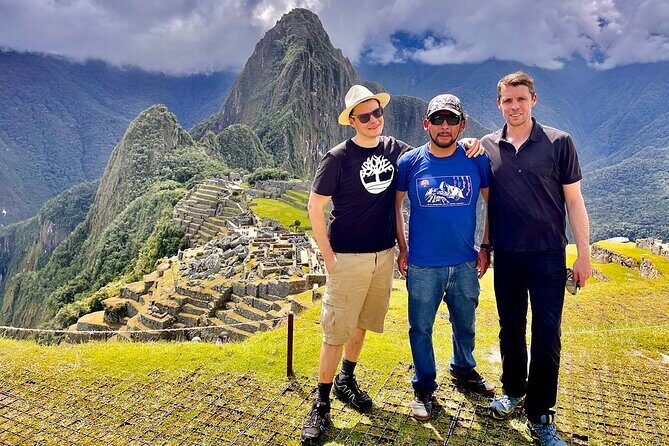
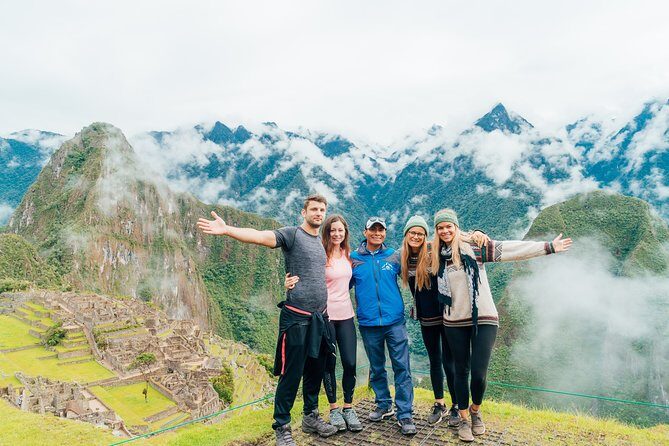
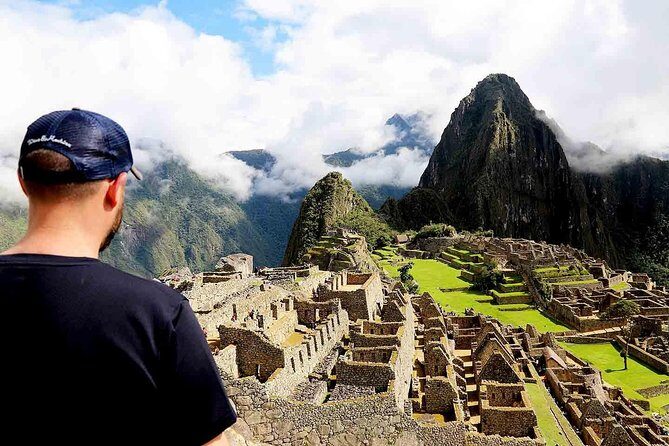
At Machu Picchu, you’ll get a 2-hour guided visit with a bilingual professional guide. This is the part I’d treat as your “make sense of it” window.
A guided tour helps because Machu Picchu is not a museum with one clear route. It’s an active maze of terraces, viewpoints, and landmarks. Having a guide means you learn what’s worth noticing and how to move efficiently once you’re on your own.
One review specifically praised a guide named Julio, calling out his patience and great photo spots. Even if you don’t have the same guide, the bigger point stands: a good guide helps you stop guessing.
After the guided portion, you’re free to explore on your own for as long as you like. That shift is important. You get context first, then you get control.






After the guide: planning your self-exploration time
After your guided tour ends, you can explore independently for up to 8 hours. That’s a big window, but it also means you should think a little about how you’ll use it.
If you love viewpoints, you’ll likely spend more time walking between key angles. If you’re more into photos and details, you’ll want to slow down and revisit spots after crowds move.
One practical tip from a real-world experience: entrance tickets can map to different “circuits.” In at least one case, a ticket left for the day included circuits 1 & 2 plus Inca Bridge, described as a popular route. If your ticket timing or circuit differs, your walking pattern could change—so it helps to follow the guide’s advice early and then use your free time to match your ticket layout.
Bottom line: once you’re independent, you’ll enjoy the day more if you move with purpose, not just wander randomly for hours. Use the guided tour to learn the “why” of the place, then use your free time for your “what if I had more time” moments.
Ticket availability is the make-or-break factor
This tour includes Machu Picchu entrance when it’s booked in advance. The provided info says the entrance is handled with 2 months in advance; if that’s not available, the tour has to be in 2 days.
That’s great when everything lines up. But it also means the tour’s promise can bend if demand is high or tickets aren’t secured for your specific date.
In one lower-scoring experience, the person arrived worried because the entrance ticket couldn’t be guaranteed for their visit day. They ended up managing ticket lines themselves and secured an entry slot later in the day. In another case, an agency suggested adding a night in Aguas Calientes when entry was not available for the original day, and the promised ticket situation wasn’t fully resolved.
So here’s my practical advice: before you book, ask what happens if tickets are not available for your exact date. Don’t just accept a vague explanation. You want to know whether you’ll need extra time in Aguas Calientes and whether any additional costs could appear.
You don’t need to be anxious—just be informed. Machu Picchu is popular. Ticket constraints are real, and they can affect your day even with a well-run operator.
The long return: 6:20 pm train and where you’ll be dropped
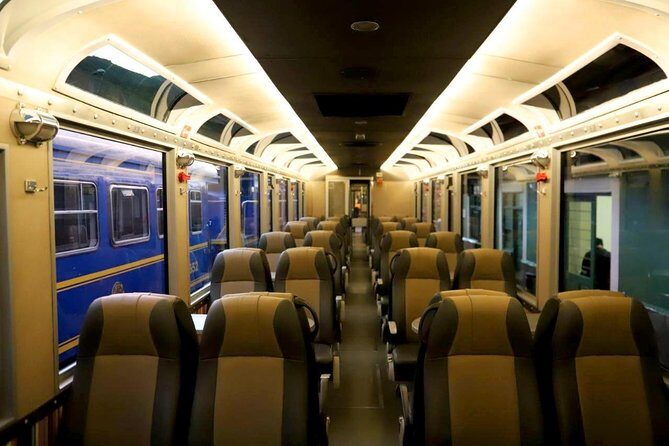
When you’re done at the site, you’ll take the bus back down to catch the 6:20 pm train from Aguas Calientes to Ollantaytambo. After that, you’ll ride by minivan back to Cusco, typically arriving around 10:00 pm.
You’ll be dropped off 3 blocks from the main square in central Cusco. That’s convenient if your hotel is near the center.
One review raised an issue though: they expected a direct hotel drop-off but were not taken back to their hotel. They were told the minivan couldn’t go inside the city center, and they then had to walk back to their lodging. Other parts of the trip may still feel smooth, but the final drop-off can make the difference between a “great day” and a “long day, then one more walk.”
If door-to-door drop-off is non-negotiable for you, treat this as a key question when you confirm details.
What you’re paying for with this $360 price
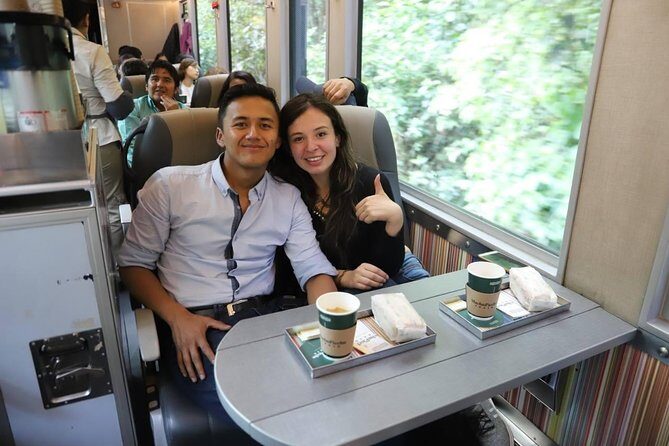
Let’s talk value, not just cost. At $360 per person, you’re paying for a lot of orchestration:
- Hotel pickup in Cusco for a very early start
- Round-trip transport between Cusco and the train station area
- Train tickets Ollantaytambo ↔ Aguas Calientes
- Bus Aguas Calientes ↔ Machu Picchu
- Machu Picchu entrance handled via booking in advance
- A bilingual professional guide for the core Machu Picchu time
- A briefing the day before
What you should not assume from the provided info: that every part of the day is fully “guide-led door-to-door.” More than one review type suggests there are handoffs between staff, and sometimes a local guide meets you at the entrance or in town rather than accompanying you from station to station all day.
That structure isn’t necessarily bad—it can be efficient. But it does mean you should plan to be proactive, especially around meeting points and ticket timing.
If you want the comfort of fewer decisions and fewer “where do we go next?” moments, this is the kind of tour that usually feels worth it. If you hate ambiguity and want zero extra effort, you may need to look for a different operator with stronger end-to-end handling.
Solo travelers: safe, structured, and still long
One strong theme in the reviews is confidence for solo travelers. The positive feedback emphasized that communication before, during, and after the trip felt excellent, and that the traveler felt safe getting back to their hotel.
With a max group size of 15, you’re not in a massive herd. You also have a clear guided segment at Machu Picchu, plus a transport plan that gets you back to Cusco the same night.
Just remember: even with safe logistics, this is still a very long day that starts at 4:00 am and ends around 10:00 pm. Bring patience. Bring water. And if you’re traveling solo, make sure you’re comfortable walking a few blocks at the end if your drop-off is central rather than right at your door.
Should you book this Machu Picchu full-day train tour?
I’d recommend booking if you match most of these points:
- You want Machu Picchu without spending multiple days planning around train schedules
- You like the idea of a bilingual guide for the key orientation at the site
- You’re okay with a long day and a very early start
- You want a structured experience with limited decisions on your end
I’d hesitate or shop around if:
- Hotel drop-off is essential after 10:00 pm
- You’re worried about ticket availability and need guarantees for your exact entry time
- You prefer a tour where one staff member is with you for every transport handoff from start to finish
If you do book, go in with one mindset: treat Machu Picchu as the highlight, but treat ticket timing and meeting points as the work you handle. Ask clear questions before departure, especially about what happens if entry tickets are not available for your date.
Do that, and this tour can feel like the smart shortcut—train views, guided orientation, then hours to explore one of Peru’s most unforgettable places.
FAQ
FAQ
What time does the tour start?
Pickup in Cusco is at 4:00 am.
How long is the full-day tour?
It runs about 18 to 20 hours.
How much does the tour cost?
The price listed is $360.00 per person.
What transport is included during the day?
You travel by minivan, bus, and train: Cusco to the station area, train to Aguas Calientes, bus up to Machu Picchu, then return by train and minivan.
Do I get a guide at Machu Picchu?
Yes. You get a professional bilingual guide for a 2-hour guided tour at Machu Picchu.
How much time will I have to explore Machu Picchu on my own?
After the guided portion, you can explore on your own for as long as you like, with the tour duration listing up to 8 hours at the site.
Is the Machu Picchu entrance ticket included?
The tour includes Machu Picchu entrance when booked in advance. The information says it’s booked with about 2 months’ advance timing, and if it isn’t available the tour may need to be in 2 days.
What is the group size?
The maximum group size is 15 travelers.
Where will I be dropped off in Cusco at the end?
You arrive around 10:00 pm and are dropped off about 3 blocks from the main square.
Is the tour suitable for solo travelers?
The provided information says most travelers can participate, and at least one review specifically praised it as safe for solo travelers.