REVIEW · SACRED VALLEY
Salkantay Trek Llactapata 5 days 4 nights
Book on Viator →Operated by Salkantay Backpackers Org · Bookable on Viator
Altitude hits fast on this Salkantay route. This 5-day, 4-night trek from Cusco funnels you through Soraypampa (3,900 m), the Salkantay summit day (to a 6,264 m high point), and then onto the Inca-side approach at Llactapata with views toward Machu Picchu. I especially like the mix of big-altitude effort plus culture stops like the organic coffee farm in Lucmabamba, and the way your Machu Picchu day starts early with a guided walk through the Royal Citadel. One thing to consider: you should confirm your Machu Picchu ticket is actually secured before you travel, since at least one past booking account reported a ticket-buying failure and slow help afterward. (One guide name, Ellio, shows up in that same account as a standout in-person.)
What I love most is how the itinerary pairs hard trail time with smart scenery stops, not just moving from A to B. Your Day 4 approach is a big deal: you reach Llactapata in front of Machu Picchu, then keep hiking downhill while the views keep coming until Hidroelectrica. Still, budget for optional costs that can add up fast, like the bus to/from Machu Picchu, Huaynapicchu if you want it, and gear like a sleeping bag or walking poles.
In This Review
- Key highlights worth planning for
- Salkantay to Machu Picchu through Llactapata: what this route feels like
- Starting in Cusco at 4:30 am: why the early pickup matters
- Day 1 to Soraypampa: Mollepata supplies, then Humantay Lake at 4,200 m
- Day 2: the hardest day, Salkantay high point, and Chaullay huts
- Day 3: Santa Teresa valley to La Playa, plus the Lucmabamba coffee stop
- Day 4: Llactapata ruins, Machu Picchu in your sight, and Hidroelectrica lunch
- Day 5: early Machu Picchu entry, 2-hour guided Royal Citadel tour, and optional Huaynapicchu
- What’s included for $299: meals, Machu Picchu ticket, and the missing gear
- Group size, physical fitness, and pace control
- Price, timing, and booking advice that actually helps
- Should you book this Salkantay Trek Llactapata route?
- FAQ
- What time does the trek start in Cusco?
- Is the Machu Picchu entrance ticket included?
- How much does the Humantay Lake entrance cost?
- Do I need to pay extra for sleeping gear and walking poles?
- Can I visit Huaynapicchu or Machu Picchu Mountain?
- What is the cancellation window for a full refund?
Key highlights worth planning for
- Llactapata approach to Machu Picchu: ruins first, then long downhill views to Hidroelectrica
- One summit day with real altitude: you push uphill to a high point tied to Salkantay’s 6,264 m peak
- Coffee farm detour in Lucmabamba: taste coffee prepared by locals in an organic setting
- Guided Machu Picchu circuit: 2-hour guide-led visit to temples, terraces, palaces, and farming areas
- Small group cap (15 people): easier communication and less chaos when plans tighten
Salkantay to Machu Picchu through Llactapata: what this route feels like
This trek is built for people who want the famous Salkantay effort, but also want a strong Machu Picchu entry experience. You get two distinct “wow” phases: first the altitude drama on the hardest day, then the cinematic reveal from the Llactapata side as Machu Picchu stays in your line of sight during the Day 4 descent.
The pacing is fairly classic for this region: early mornings, frequent breaks for food and regrouping, and night stays in simple huts. That’s not a luxury model. It’s a “earn your views” model, and it’s exactly why this route has a strong reputation: the scenery isn’t delivered through a bus window; you walk for it.
At $299 per person for a 5-day/4-night package, this is priced more like a trekking value bundle than a high-end expedition. When you compare what you receive (multiple meals, Machu Picchu ticket, and guided time at the site), the price can feel fair—so long as the logistics are handled correctly.
You can also read our reviews of more hiking tours in Sacred Valley
Starting in Cusco at 4:30 am: why the early pickup matters
Your day begins with a Plaza de Armas meeting point in Cusco around 4:30 am, with pickup from your hotel between 4:30 and 5:00 am. Then you travel by bus toward Mollepata and continue on to Challacancha to meet support staff.
That early start is not random. Higher-altitude treks in this area run on tight windows: trail conditions, meal timing, and the day’s most important activities (like the Humantay Lake detour and the summit push) all benefit from leaving while it’s cool and the schedule is stable.
Practical tip: treat that early pickup like a flight. Have breakfast plan-ready (since breakfast in Mollepata is not included), keep your essentials within easy reach, and don’t count on last-minute convenience stores.
Day 1 to Soraypampa: Mollepata supplies, then Humantay Lake at 4,200 m
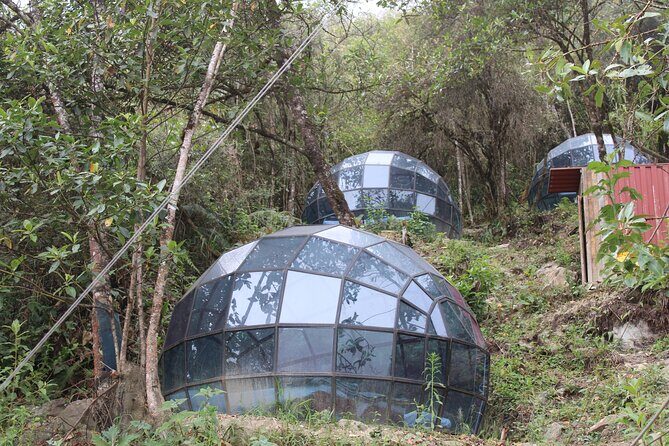
After the bus ride and a stop in Mollepata for breakfast and last-minute supplies (not included), you switch into the trek setup phase. At Challacancha, support staff handle loading equipment onto horses and mules, which is a big comfort factor on Day 1.
You then trek toward Soraypampa (3,900 m). If you hold a regular pace, the hike to camp is about 2 hours, followed by lunch. Afternoon is where the itinerary adds a memorable altitude side quest: a hike to Humantay Lake around 4,200 m.
A few things to know before you go:
- The Humantay Lake hike is described as about 3 hours round-trip from camp. That’s not a quick photo stop.
- The cost is listed as 20 soles for the entrance (so plan on paying on the ground even if some descriptions suggest inclusion).
- You’ll want to conserve energy. Day 1 is not the summit day, but altitude can still make every step feel heavier.
That combination—getting to camp, eating, then adding Humantay—sets the tone for the trek. It’s a good warm-up for higher elevations because your body learns the rhythm of climbing without yet going all the way.
Day 2: the hardest day, Salkantay high point, and Chaullay huts
Day 2 starts early with coca tea and breakfast around 6:00 am. Then you begin the most challenging segment: a continuous uphill effort toward the trek’s highest point.
You hike about 6 kilometers uphill through rocky mountain scenery, with views of Salkantay along the way. The high point is tied to Salkantay’s 6,264 m elevation. From there, you start a downhill segment around 1:00 pm, then reach Chaullay (2,900 m) after about 3 hours.
This day matters because it’s where you’ll feel the full altitude equation. Even if you’re fit, this is still “heavy legs plus thin air.” The good news is that after the summit effort, the descent gives you a payoff: you’re walking away from the highest stress point toward a lower sleeping altitude and recovery meals.
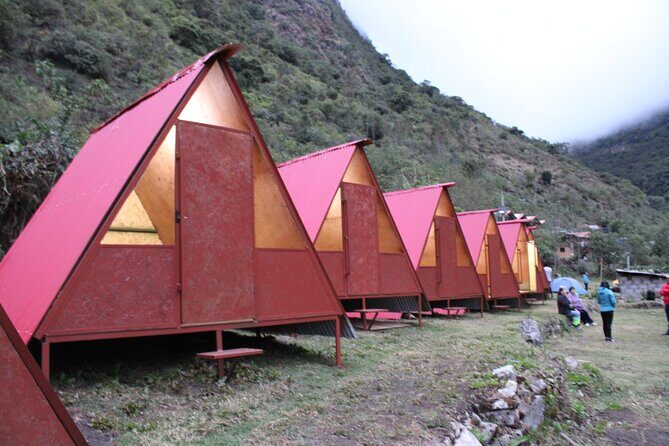
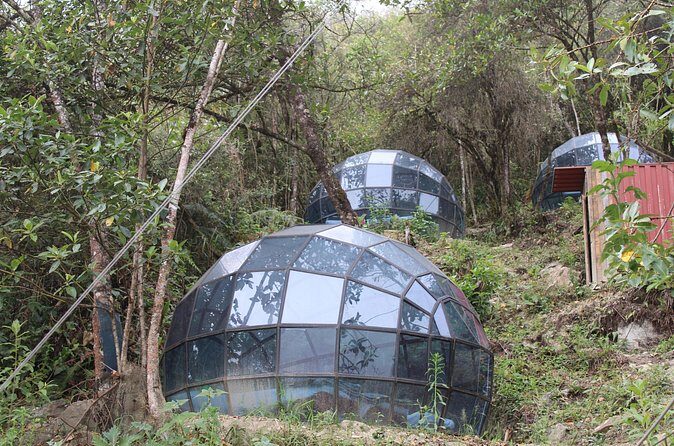
Dinner happens around 7:00 pm, and you sleep in Indian huts (simple, basic sleeping arrangements). If you’re sensitive to cold nights, you’ll want to pack accordingly. Sleeping bags are listed as an extra add-on, so don’t assume you’ll be comfortable without one.
Day 3: Santa Teresa valley to La Playa, plus the Lucmabamba coffee stop
Day 3 shifts from high-altitude pressure to a warmer, greener rhythm. Around 6:00 am, you start hiking to La Playa through the Santa Teresa valley. The hike is about 6 hours, with plenty to look at along the way: rivers, waterfalls, wild orchids, and plantations of coffee, banana, and avocado.
You also pass Colpapampa, described as the “brow of the cloud forest.” That detail is useful because it hints at changing weather and humidity compared to the higher zones. You’ll have things like waterfalls, birds, and fruit-bearing trees around you, plus the general feeling that the air is different down here.
After a hearty lunch at La Playa, you continue a short 20-minute hike to Lucmabamba for camp. In the afternoon, you explore the tropical forest area and visit an organic coffee farm. If you like coffee, this is a great moment because it’s not just tasting a beverage. You can watch how coffee is prepared and served by locals, and you may taste coffee freshly prepared.
You sleep in huts again, so this is still a trek mode night—not a hotel. But the scenery shift makes Day 3 a breathing space after Day 2.
You can also read our reviews of more tours and experiences in Sacred Valley
Day 4: Llactapata ruins, Machu Picchu in your sight, and Hidroelectrica lunch
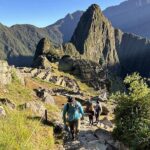
Day 4 is where the “trek to Machu Picchu” story becomes a “trek into the Machu Picchu complex.” You start early and get a chance to experience a small part of the famed Inca trail, then arrive at Llactapata.
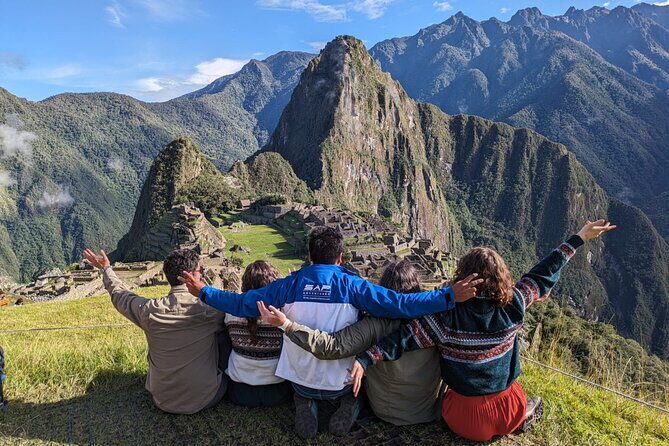
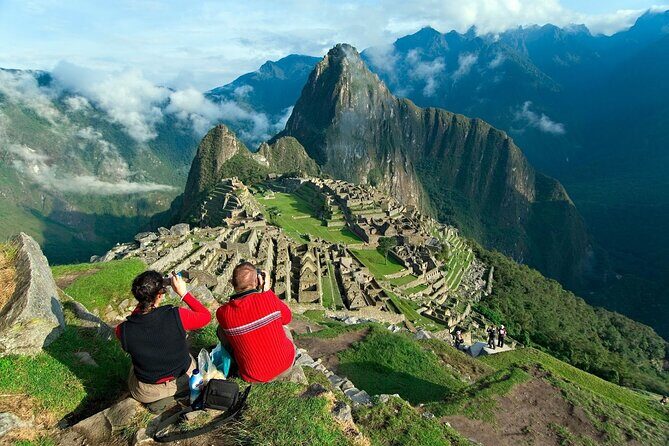
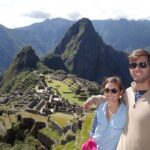
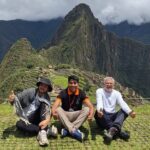
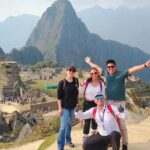
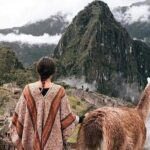
From Llactapata, you can see not only Machu Picchu, but also Huayna Picchu and Machu Picchu Mountain. This viewpoint is the kind of moment that makes the earlier altitude days feel like a setup, not punishment.
After the Llactapata ruins, you hike downhill for about 2 hours. The key benefit here: Machu Picchu stays visible from this stretch until you reach Hidroelectrica, where lunch happens.
This is also where the itinerary brings a dramatic natural feature into the day: a 300-meter-tall natural waterfall that generates electricity for the region. It’s one of those places where you can feel how the geography supports the modern world around it.
After lunch, you head to Intiwatana, an ancient rock used as a sundial in Inca times. The itinerary frames it as working with the Machu Picchu sundial stone, so even if you don’t know the details ahead of time, it’s worth paying attention to what the guide explains on site.
Day 5: early Machu Picchu entry, 2-hour guided Royal Citadel tour, and optional Huaynapicchu
Machu Picchu day is built around beating crowds. You wake up early and aim to reach the entrance on time for the 6:00 am to 3:00 pm window. The plan includes an early start plus an option: a bus ride is optional for $12 (so you can choose how much you want to walk up to the gates).
Once you enter, you get a guided tour of the Royal Citadel for about 2 hours. The guide covers temples, terraces, palaces, priest’s houses, the sundial, the industrial sector, and farming fields. That “guided approach” matters because Machu Picchu is easy to view as random stones if you don’t have context. A good guide helps you connect what you see to how the Inca designed the site.
There’s also an optional add-on: Huaynapicchu or Machupicchu Mountain for 60 USD extra, and you need to book in advance for availability. If you’re deciding late, you might miss the chance—so if this is important to you, treat it as a planning priority.
What’s included for $299: meals, Machu Picchu ticket, and the missing gear
This package is priced as a full supported trekking + Machu Picchu circuit, and that shows in the inclusions.
Included:
- Machu Picchu ticket
- Lunches (4), breakfasts (4), dinners (4)
- Return by minivan from Hidroelectrica
- 3 hours walk from Machu Picchu (as stated)
- Contact by mail to get the Machu Picchu ticket
Not included:
- Drinking water
- Sleeping bag (listed extra at $20)
- Walking poles (listed extra at $20)
- Humantay Lake entrance (listed as 20 soles)
- Optional Machu Picchu bus $12
- Optional Huaynapicchu/Machu Picchu Mountain $60
- Train back optional service $80
Value reality check: when a trekking package includes meals and the Machu Picchu entry ticket, your budget becomes easier. The catch is the extras. If you don’t bring poles or a sleeping bag, or if you want the extra mountain viewpoint, costs rise quickly. Still, this is fairly normal for Peru treks.
Group size, physical fitness, and pace control
The group is capped at 15 people, which is small enough to keep the trek from feeling like a moving parade. Smaller groups usually mean easier regrouping and more room for the guide to manage pace.
Fitness guidance is straightforward: you should have moderate physical fitness. That doesn’t mean “easy.” Day 2 includes a steep uphill climb to the highest point, and Day 3 still includes 6-hour walking with multiple environmental changes. If you’re able to walk for hours and handle altitude, you’ll be in good shape.
Most important: you should prepare for early starts and basic sleeping conditions. If you’re expecting a bed every night, this trek will feel rough. If you accept huts and simple meals, you’ll likely enjoy the whole flow more.
Price, timing, and booking advice that actually helps
At $299 per person, the math can work out nicely if the essentials are handled well: reliable pickup, a properly reserved Machu Picchu ticket, and smooth meal planning during the trek.
The trek is typically booked about 20 days in advance, so you should plan ahead. That’s especially true if you’re considering Huaynapicchu/Machu Picchu Mountain, since those require advance booking.
One big booking item to confirm before you pay fully: ask for written confirmation that your Machu Picchu ticket reservation is secured for your exact day. There’s at least one reported case where ticket buying failed and the person had to scramble and lose time and money. You can’t erase risk entirely, but you can reduce it by confirming details early and keeping messages in writing.
Also, don’t underestimate what you carry. The itinerary mentions equipment loaded on horses and mules early in the trek, but you’ll still want to travel with a pack system you can manage on steep climbs and fast descents.
Should you book this Salkantay Trek Llactapata route?
Book it if you want a classic Salkantay trek with a strong Machu Picchu build-up, especially the Llactapata viewpoint day and a guided Machu Picchu visit. It’s a good match for people who handle long walks, don’t mind basic huts, and want a trekking-focused approach that feels more earned than purchased.
Think twice or plan extra carefully if you’re the type who hates last-minute surprises or relies on gear rentals. Budget for the likely extras (sleeping bag, poles, Humantay entrance, and the Machu Picchu bus if you prefer less walking). And for peace of mind, confirm in advance that the Machu Picchu ticket is reserved for your dates—because that’s the one piece of the puzzle where a past problem has been reported.
FAQ
What time does the trek start in Cusco?
You meet at the Plaza de Armas de Cusco, with pickup starting around 4:30 am (between 4:30 am and 5:00 am).
Is the Machu Picchu entrance ticket included?
Yes. The Machu Picchu ticket is listed as included, with contact by mail to arrange it.
How much does the Humantay Lake entrance cost?
Humantay Lake entrance is listed as 20 soles and is not included.
Do I need to pay extra for sleeping gear and walking poles?
Yes. A sleeping bag is listed as $20 extra, and walking poles are listed as $20 extra.
Can I visit Huaynapicchu or Machu Picchu Mountain?
Yes, but it is optional. Huaynapicchu or Machupicchu Mountain costs 60 USD extra per person and needs advanced booking for availability.
What is the cancellation window for a full refund?
You can cancel up to 6 days in advance of the experience for a full refund.