REVIEW · CUSCO
8-Day Best of Cusco: Inca Valley, Machu Picchu & Rainbow Mountain
Book on Viator →Operated by VIPAC Travel · Bookable on Viator
Eight days, and your legs do real work. This Cusco adventure strings together big Inca sites, hands-on Sacred Valley culture, Machu Picchu (with managed ticket circuits), and the eye-popping colors of Vinicunca. You get a guided plan that keeps moving, but still gives you time to look closely, ask questions, and take photos.
What I like most is the human touch. You’ll be with bilingual English/Spanish guides who explain what you’re seeing in plain language, not just dates and distances. I also like how the trip balances major ruins with everyday life stops, from Cusco markets to textile and village demonstrations in the Sacred Valley.
One thing to think about: parts of this trip run at high altitude and the days are set. Rainbow Mountain reaches about 4,800–5,000 m, and Machu Picchu tickets are non-refundable with no date changes, so you’ll want solid flexibility on your schedule and a moderate fitness base.
In This Review
- Key Things You’ll Notice on This Tour
- A Small-Group Cusco Loop With Bilingual Guides
- Lima Day One: Start Calm, Then Hit Cusco
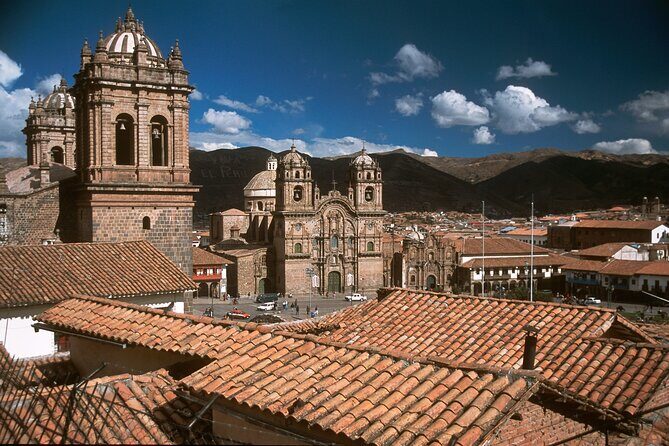
- Cusco City Walk: Markets, Qorikancha, and Inca-Set Colonial Corners
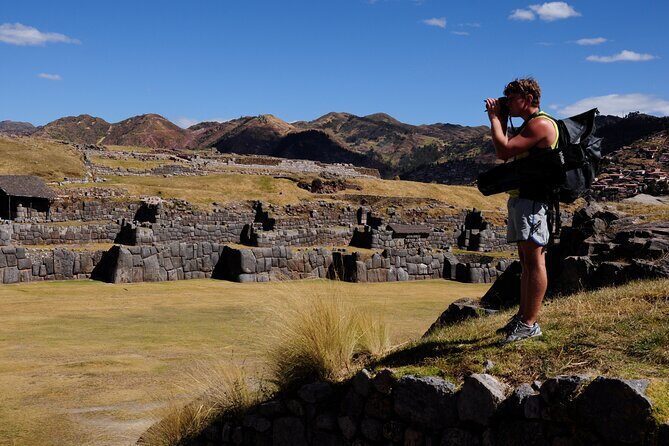
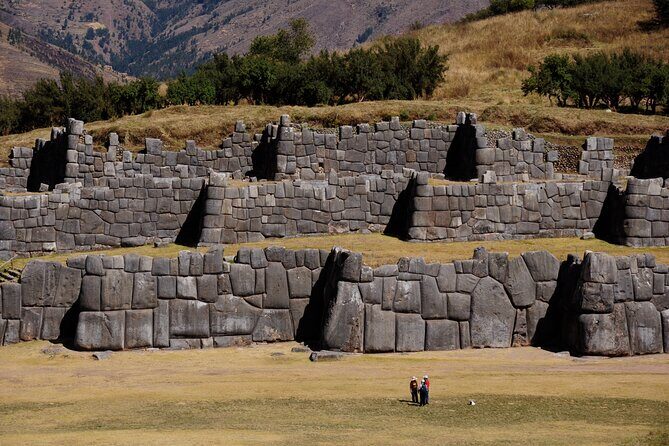
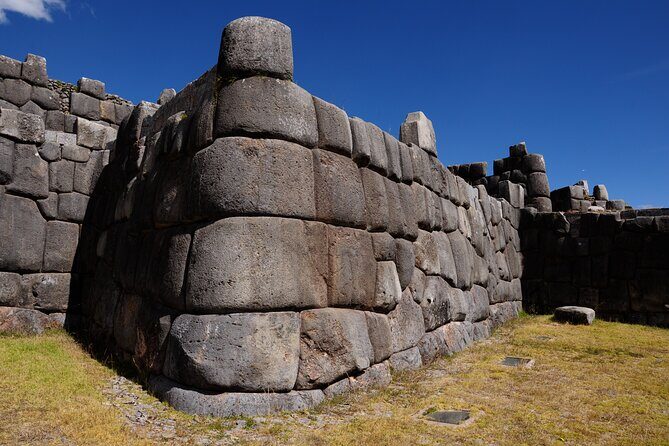
- Sacsayhuaman, Q’enqo, Tambomachay: Big Stone, Clear Meanings
- Sacred Valley Day: Pisac, Artisan Time, and Yucay’s Living Traditions
- Moray and Maras to Ollantaytambo: Microclimates and Salt That Still Matters
- Machu Picchu by Voyager Train and Bus: Circuits, Timing, and What You’ll See
- Rainbow Mountain Vinicunca: 4 km at Altitude and How Not to Hate It
- Price and Value: What $989 Buys You (and What It Doesn’t)
- Who This Tour Fits Best
- Should You Book This 8-Day Best of Cusco Tour?
- FAQ
- What’s included in the $989 price?
- Is pickup offered, and where do I meet the group in Cusco?
- Are the guides bilingual?
- Which train is included, and how is it used for Machu Picchu?
- How do Machu Picchu visitor circuits work on this tour?
- Can I change my Machu Picchu visit date?
- How hard is the Rainbow Mountain hike?
- Is this a small group tour?
Key Things You’ll Notice on This Tour
- Small group pace (max 12) that feels easier to manage at busy sites
- Bilingual guidance (English and Spanish) during key visits so nothing feels lost in translation
- Machu Picchu circuit planning (Route 2 prioritized; alternatives if needed, confirmed before tickets)
- Sacred Valley culture stops beyond ruins, including weaving/dyeing and local food drink like chicha
- Rainbow Mountain at altitude with guided technique for walking properly and optional horse rentals at the base
- Voyager train included plus guided transfers, so you’re not piecing together logistics day by day
A Small-Group Cusco Loop With Bilingual Guides
This tour is built around a straightforward idea: you see the classics, but you also get help understanding them. In practice, that means you’re not wandering around Cusco guessing where to go next. You move through each day with a guide, and the pacing is designed to keep you from spending the whole trip waiting in line or stuck trying to decode bus schedules.
The guides are a big part of the appeal. Names like Yuber, Louis David, Joanes, and Marlene have been highlighted for clear explanations and friendly, caring support. That matters more than people expect. When you’re looking at stonework, terraces, and sacred spaces built for a different worldview, good guiding helps you actually see what’s in front of you.
Also, the group size cap of 12 travelers is a real quality-of-life detail. At places like Cusco’s main squares or popular archaeological stops, big crowds can turn a site into a camera obstacle course. A smaller group helps you keep your head up and actually enjoy the place.
You can also read our reviews of more tours and experiences in Cusco.



Lima Day One: Start Calm, Then Hit Cusco
Day 1 begins with arrival in Lima, with assistance and a transfer to your hotel. The big purpose of this day is recovery and setup. If you’re coming in from far away, it’s smart to not cram sightseeing into the first hours.
A practical note: flights are not included for Lima–Cusco–Lima, and the operator recommends a morning flight that gets you into Cusco before midday if you’re booking yourself. That advice is less about comfort and more about altitude management. Arriving too late can make days in Cusco feel harder than they need to.
By the time Cusco sightseeing starts, you’ll want at least some time to get oriented: short walks, hydration, and letting your breathing settle. This tour gives you that kind of breathing room with city days that feel structured rather than chaotic.
Cusco City Walk: Markets, Qorikancha, and Inca-Set Colonial Corners
Cusco’s old center is where the trip starts to feel alive. In the afternoon, you’ll get an exclusive stroll that covers both the tourist-facing icons and the places that show day-to-day life.
Here’s what stands out in the Cusco city portion:
- Plaza de San Cristóbal for panoramic views, including the chance to quickly understand Cusco’s geography
- San Pedro Market, where you can see and smell local products and learn what’s typical in the area
- Qorikancha, including the story of former gold-covered walls
- A walk through San Blas and along Hatun Rumiyoc, with stops like the Inca Roca palace, the Archbishops Palace, and the famous Twelve Angled Stone
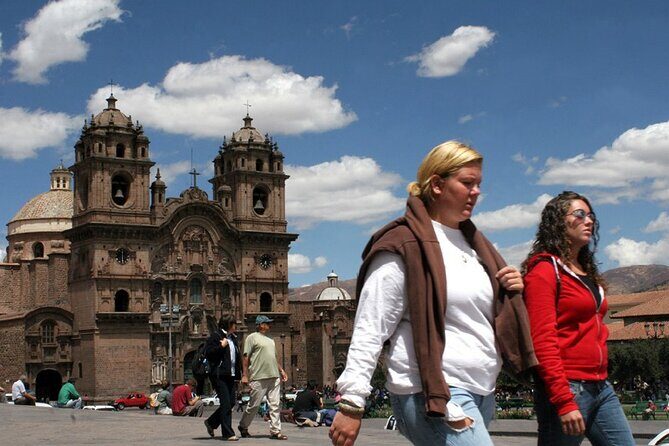
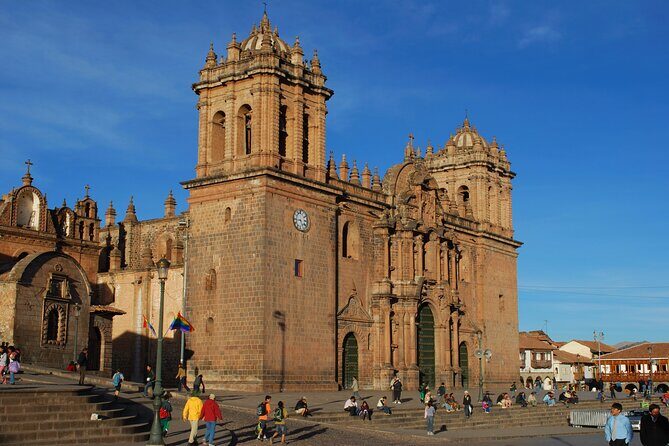
- Plaza de Armas and the Cathedral with colonial works
I like this setup because it trains your eye. You start with a high view, then you move into street level where you can spot the mix of Inca and colonial layers. That also makes later Inca sites easier to understand. You’re not only seeing ruins; you’re learning how the city’s history sits on top of itself.
One consideration: city walks are still walks. The tour is not built for people who want a lot of lounging time. Wear shoes you’d trust on uneven sidewalks, and bring layers, because Cusco weather can swing even when the sun is out.
Sacsayhuaman, Q’enqo, Tambomachay: Big Stone, Clear Meanings
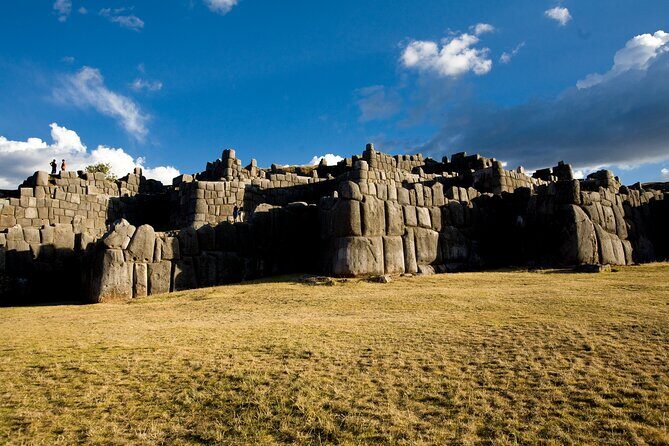
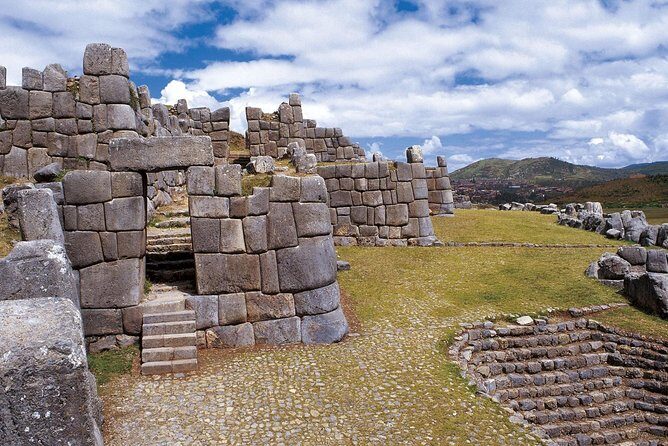
Day 3 is the “keep your eyes up” day in Cusco. The itinerary aims to step away from pure crowd chaos by visiting major Inca sites with time to look.
You’ll go to:
- Sacsayhuaman, an Inca citadel made of colossal constructions in a dramatic setting
- Q’enqo, with its rock-embedded altar for sacrifices
- Puca Pucará lookout
- Tambomachay, known for architectural excellence and tied to Andean cosmovision
What makes this part valuable isn’t just that these are famous names. It’s the way the day connects engineering to belief. At Q’enqo, for example, you’re not only looking at a carved form; you’re learning why it mattered. With Tambomachay, the focus is on how design reflects cultural thinking.
Then you get a free afternoon in Cusco. That’s a gift. After structured visits, you can choose what you need most: a slower walk, a museum, a café break, or just time to sit and watch people in the Plaza.
Sacred Valley Day: Pisac, Artisan Time, and Yucay’s Living Traditions
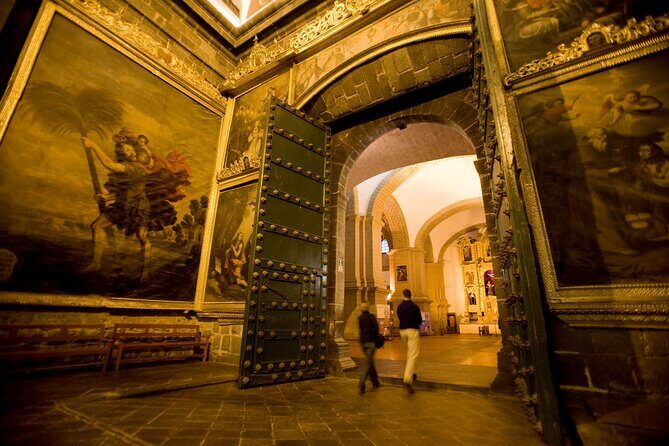
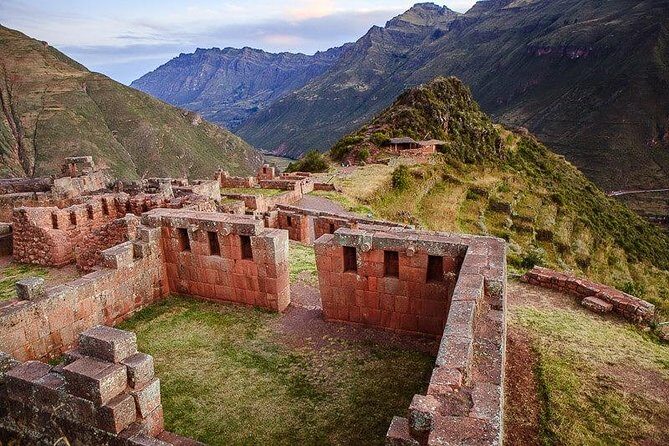
The Sacred Valley day (Day 4) is where the tour shifts from ruins-as-spectacle to traditions you can actually observe. You’ll start at Pisac, a standout archaeological site, then move into the colonial village of Pisac.
You’ll also get:
- Shopping time at artisan workshops (handcrafted items, not just souvenirs on a single table)
- A visit to the Inkariy Museum, with halls showing representations of pre-Hispanic cultures of ancient Peru
- Lunch
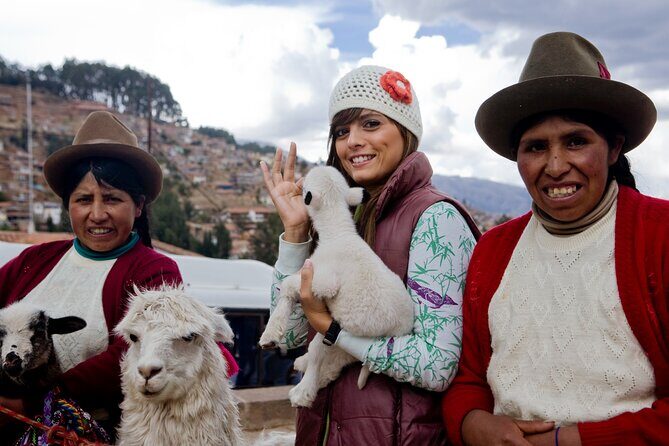
- Yucay Live Culture Center, where local settlers demonstrate techniques like weaving and dyeing, adobe making, chicha preparation (corn-based), and you’ll meet Andean camelids like llamas and alpacas
This is the part I think many first-timers underestimate. It’s easy to think you’re only going to learn history by walking stone paths. But the Yucay portion shows skills that are still practiced. Even if you can’t take home weaving tools, you’ll understand the difference between a product and a process.
Practical tip: museums and cultural centers can be cool indoors while the sun feels strong outside. Layers help again. Also, if you’re sensitive to altitude symptoms, this day’s schedule is still active, but it tends to feel more varied than pure sightseeing marathons.




Moray and Maras to Ollantaytambo: Microclimates and Salt That Still Matters
Day 5 is a strong mix of science, survival, and stunning views you’ll want to photograph.
You’ll visit:
- Moray, known as a lab-like site designed to recreate different microclimates (the goal was agricultural stability for the Inca empire)
- Maras salt mines, with white salt wells contrasted against the clayey land—mined since immemorial times
- Lunch
- Ollantaytambo, including streets, plazas, and terraces of one of the last Inca living villages
- The archaeological site dominating the village, where you’ll see techniques used in the Sun temple area that was left half built
Then comes the transition to Machu Picchu: you board the train from the village train station to reach Aguas Calientes, where you overnight.
This is a good sequencing choice. Moray and Maras teach you how the Inca worked with the land. Then Ollantaytambo shows you how their architecture and village life fit together. By the time you board the train, it doesn’t feel like jumping tracks. It feels like continuing the same story.
Also, don’t rush through the salt mines if your legs allow it. It’s a place where the geometry and color contrast make photos look better the slower you go.
Machu Picchu by Voyager Train and Bus: Circuits, Timing, and What You’ll See
Day 6 is the centerpiece: Machu Picchu.
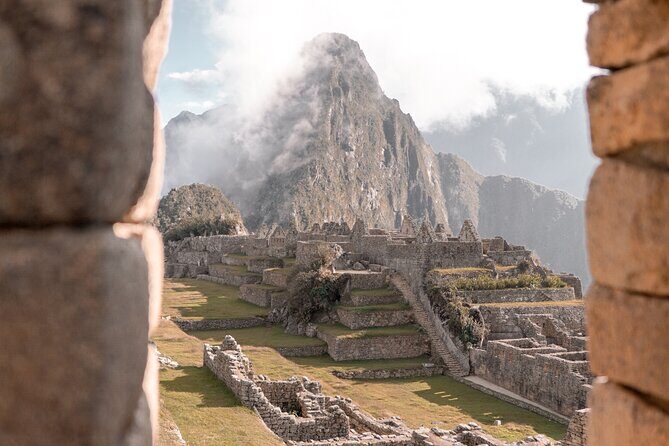
The day starts with train boarding at Ollantaytambo station, using the included Voyager train ticket. You arrive at the Machu Picchu station, then you’ll be assisted to board a bus that climbs a winding road with views of the Urubamba River canyon. After that, you’re at the Lost City of the Incas with terraces, staircases, ceremonial spaces, and urban areas.
A big practical detail here: Machu Picchu now uses visitor circuits, with different routes that distribute crowds across the site. This tour prioritizes Circuit with Route 2. If it’s not available, you may be offered Circuit 3B or Circuit 1B, and you’ll confirm your choice before tickets are issued.
Why this matters for you:
- It reduces bottlenecks compared to a single unrestricted wandering pattern
- It can change what you see first (and where you stop for photos)
- It’s not something you can easily adjust later
The included lunch and the return train and transfer back to Cusco are also a comfort feature. You’re not negotiating the entire day on your own.
One more key fact: Machu Picchu admission tickets are not refundable, and date changes or amendments are not accepted. So if your internal clock is shaky, build in buffer time in your overall trip plan.
Rainbow Mountain Vinicunca: 4 km at Altitude and How Not to Hate It
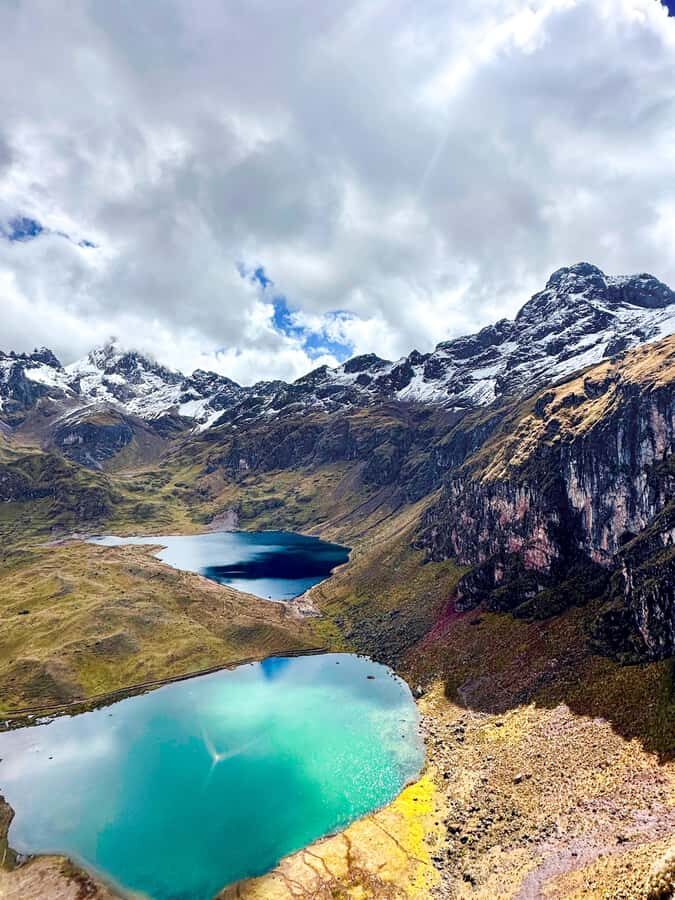
Day 7 is Rainbow Mountain (Vinicunca), and it’s built around an early start. You travel by van along Valle Sur to Cusipata, have breakfast, then begin the ascent through a community dirt road to around 4,800 m.
After that, the main hike is about 4 km, guided the whole way. Your guide teaches how to walk properly in altitude, and as you climb, the colored mountain stripes appear gradually until you reach an observation point at around 5,000 m. There’s free time for photos, then you descend by the same path.
This is the day where physical readiness matters most. The tour requests moderate fitness level, and the altitudes here are real. The good news: you’re not left alone. You have experienced adventure field guides supporting your pace, and horses are available for rent at the base if you need a different option.
My best advice if you’re considering Vinicunca:
- Plan for cold mornings and fast temperature shifts at altitude
- Dress in layers and protect your ears and hands
- Take the pace your guide suggests, not the pace your ego wants
Even if you’re not a super hiker, you can still enjoy this day if you respect the altitude and keep your effort controlled. The payoff is that you reach a viewpoint that feels like a reward, not a punishment.
Price and Value: What $989 Buys You (and What It Doesn’t)
At $989 per person for about 8 days, the value isn’t just the headline price. It’s what’s bundled.
Included that you’d normally have to price separately:
- 4 nights in Cusco, 1 night in Sacred Valley, 1 night in Aguas Calientes, and 1 night in Lima
- All entrance fees
- Voyager train ticket (key for Ollantaytambo to Aguas Calientes / Machu Picchu access workflow)
- Live bilingual guide (English/Spanish service)
- Meals: breakfast (7) and lunch (4)
- Pickup in Cusco: staff await you outside baggage claim at Velazco Astete Airport
What isn’t included:
- Beverages on meals
- Airfare Lima–Cusco–Lima
So for value: this package is strongest if you want a guided route that handles the complicated parts (train + site access structure) without you building the whole schedule yourself. If you already planned every hotel, train, and entrance, then the savings might feel less obvious. But most people don’t want that planning headache when they’re going to multiple altitude-heavy days.
Given the small group size and bilingual guiding, I’d call it a solid deal for the type of trip this is.
Who This Tour Fits Best
This is a great fit if you:
- Want classic Cusco and Inca sites with guided explanations
- Prefer a small group over a huge bus crowd
- Are comfortable with moderate hiking and altitude days like Vinicunca
- Like a mix of big ruins plus living culture stops (market time, weaving/dyeing demonstrations, and more)
You might think twice if you:
- Struggle with high altitude and long uphill days
- Need very flexible scheduling on key fixed-date items like Machu Picchu admission
- Want a trip that’s mostly resting and light strolls
Should You Book This 8-Day Best of Cusco Tour?
I’d book it if your goal is to see the Peru highlights around Cusco without wasting time on logistics, and you value clear, bilingual guiding at major sites. The combination of Sacred Valley culture stops, train-based Machu Picchu access, and Rainbow Mountain makes it feel like a full arc rather than disconnected day trips.
Just be honest with yourself about altitude and pacing. If you plan layers, move at the guide’s walking rhythm, and keep your Machu Picchu date stable, this is the kind of trip that leaves you with more than photos. You’ll come away understanding how the Incas shaped daily life, not only how they built monuments.
FAQ
What’s included in the $989 price?
It includes accommodations for 4 nights in Cusco, 1 night in the Sacred Valley, 1 night in Aguas Calientes, and 1 night in Lima; all entrance fees; the Voyager train ticket; a live bilingual English/Spanish guide; and meals with 7 breakfasts and 4 lunches. Beverages with meals aren’t included.
Is pickup offered, and where do I meet the group in Cusco?
Yes. Pickup is offered, and staff meet you outside the baggage claim area at Velazco Astete Airport in Cusco, Peru.
Are the guides bilingual?
Yes. The tour provides live bilingual Spanish and English guidance.
Which train is included, and how is it used for Machu Picchu?
A Voyager train ticket is included. You board at Ollantaytambo station, then you arrive at the Machu Picchu station. After the Machu Picchu visit, you return by train and then transfer back to your hotel in Cusco.
How do Machu Picchu visitor circuits work on this tour?
Machu Picchu uses visitor circuits with different routes to manage crowd flow. Route 2 is given priority; if it’s not available, you may be offered Circuit 3B or Circuit 1B, and you confirm before tickets are issued.
Can I change my Machu Picchu visit date?
No. Machu Picchu admission tickets are not refundable, and date changes or amendments are not accepted. If you need a different date, you would need to purchase a new entrance ticket.
How hard is the Rainbow Mountain hike?
The tour requests moderate physical fitness. Vinicunca visits include an altitude ascent to about 4,800 m, then a hike of about 4 km to an observation point around 5,000 m, guided throughout. Horses are available for rent at the base of the mountain.
Is this a small group tour?
Yes. The maximum group size is 12 travelers.