REVIEW · CUSCO
Sacred Valley with Moray and Salineras Private Full-Day Tour
Book on Viator →Operated by Machu Picchu Peru Travel · Bookable on Viator
One day, six Sacred Valley stops. This private full-day tour strings together Inca ruins, craft markets, and the Maras salt mines, with hotel pickup and an English/Spanish guide to keep the whole day moving. You’ll cover the area from Chinchero through Pisac and Ollantaytambo, plus Moray and Salineras, without worrying about transport.
What I like most is the pacing: in a private setup, you can usually linger when you want and skip the rush. I also really like that entrance tickets are handled and the itinerary includes a lunch stop in Urubamba for value. One thing to consider: it’s a long day (about 8–10 hours), and a few places involve walking on uneven ground and stairs, so plan for your comfort.
In This Review
- Key Things That Make This Tour Work Well
- Cusco to Sacred Valley in One Efficient Private Day
- Price and Logistics: What the $136.85 Buys You
- Chinchero’s Craft Market and Inca Foundations: More Than a Photo Stop
- Moray’s Circular Terraces: Experimental Farming With a Spiritual Layer
- Maras Salt Mines (Salineras): Thousands of Small Wells, One Big System
- Urubamba Lunch Stop: Good Value, Just Confirm What Included Means
- Pisac’s Market and Ruins: Crafts, Ceramics, and Fortified Inca Design
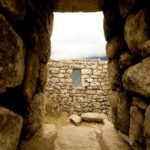
- Ollantaytambo: A Living Inca Town With Temples and Stone Detail
- How to Pace a 8–10 Hour Day Without Feeling Rushed
- Who This Sacred Valley Private Tour Is Best For
- Should You Book This Tour?
- FAQ
- How long is the Sacred Valley with Moray and Salineras Private Full-Day Tour?
- Where does the tour start and what time?
- Do you get hotel pickup and drop-off?
- Is this tour private?
- What languages is the guide offered in?
- Are entrance tickets included?
- What stops are included in the day?
- Is lunch included?
- What is the price per person?
- Is free cancellation available?
Key Things That Make This Tour Work Well
- Private car + hotel pickup/drop-off means less stress in Cusco traffic
- Entrance tickets included helps you avoid ticket-line chaos
- Moray and Maras deliver two very different kinds of “how the Inca used the land”
- Guides like Willy and Danny, plus coordination from Tania, keep details tidy
- Time at each stop is adjustable so you’re not stuck at a rigid pace
- A lunch stop in Urubamba breaks up the day (with a small inclusion detail to confirm)
Cusco to Sacred Valley in One Efficient Private Day
Cusco to the Sacred Valley can be a little logistically annoying if you’re doing it yourself. Roads, timing, altitude, and the simple question of where your next turn is can wear you down. This tour’s main advantage is that it’s built as a full day plan with pickup and drop-off, so your brain stays focused on what you’re actually seeing.
The route also makes sense. You don’t just hit the headline ruins. You also get a stop at Chinchero’s craft scene, then Moray’s experimental terraces, then Maras’ salt wells. Later it flips back to markets and Inca town life in Pisac and Ollantaytambo. It’s a good mix of everyday culture and large-scale Inca planning.
Because it’s private, you’re not forced to match everyone else’s pace. The guide can also time things to reduce the big-bus crush—useful when you’re trying to enjoy spaces rather than simply survive them.
You can also read our reviews of more private tours in Cusco


Price and Logistics: What the $136.85 Buys You
At $136.85 per person, this isn’t the cheapest way to do the Sacred Valley. But for a private day with transport, a guide, and entrance tickets, it starts to look like fair value—especially if you care about not losing hours to planning.
Here’s what’s included:
- hotel pickup and drop-off
- transportation
- an English/Spanish guide
- entrance tickets
Two practical notes you should keep in mind. First, the day runs about 8 to 10 hours, so you’re paying for a full program, not a short “highlights only” drive. Second, there’s a possible mismatch on lunch. The highlights say there’s a buffet lunch included in Urubamba, but the exclusions section lists meals as not included. I’d treat lunch as “in practice, likely provided,” but confirm the exact lunch arrangement when you book so you don’t get surprised.
Chinchero’s Craft Market and Inca Foundations: More Than a Photo Stop
Chinchero is where the day gets colorful fast. You’ll start with the Complejo Arqueologico Chinchero, and the big draw isn’t only the stones—it’s the living craft culture.
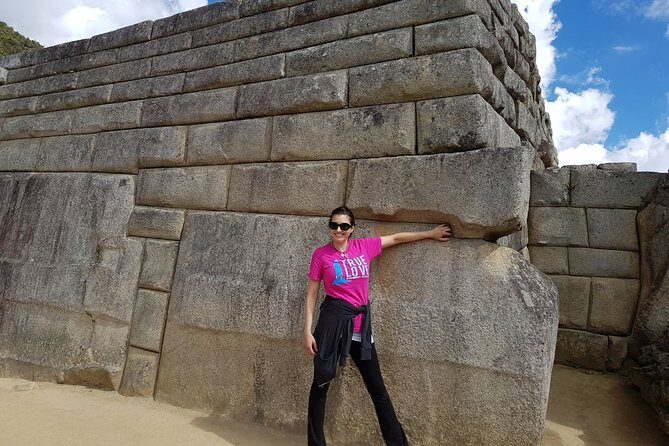
The site is described as a colonial temple built on Inca foundations, tied to the Royal Hacienda connected with Tupac Inca Yupanqui. That layering matters. You’re not looking at “one era only.” You’re watching how Inca systems and later colonial life overlapped in the same place.
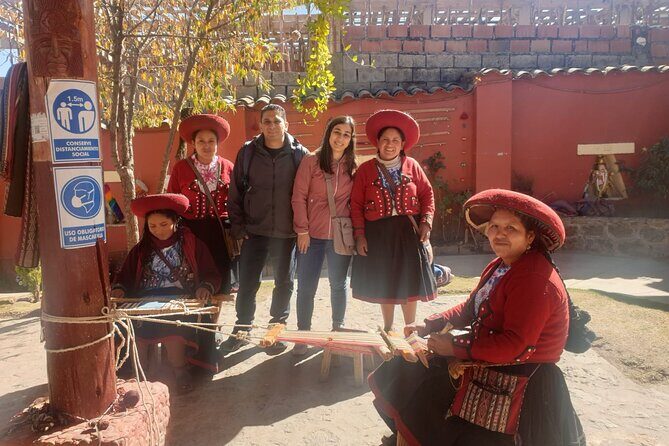
Then there’s the market angle. Chinchero’s Sunday market is presented as a spectacle of movement, centered on exchanges between valley villagers and shoppers looking for high-quality textiles and handicrafts in pre-Columbian styles. Even if you’re not shopping, this is one of the best moments to slow down, watch the process, and understand what the Sacred Valley economy looks like up close.
Practical tip: if you want textiles, this is a logical stop to shop. Prices and quality vary, so take a few minutes to compare and ask what’s behind the weave (especially if you’re buying something you plan to bring home and actually use).
Time on site is about 1 hour, and that’s usually enough to get a feel for the place without turning the day into a museum marathon.
Moray’s Circular Terraces: Experimental Farming With a Spiritual Layer
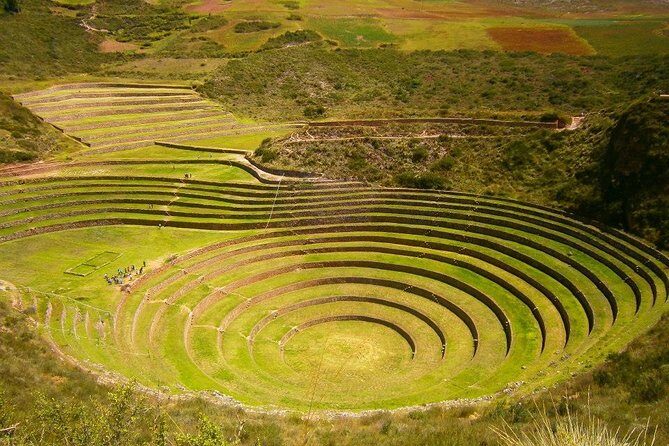
After Chinchero, you head toward Moray, a site that feels instantly “engineered.” Moray features circular terraces of different sizes, set up like a living lab. The explanation you’ll hear is that these terraces were part of an experimental approach to agriculture—essentially using different conditions created by terrace geometry.
What makes Moray memorable is the double meaning. Alongside the practical agricultural story, the site is also described as a Pachamama-connected place, associated with female energy and framed as a kind of magnetic center. In other words: it’s not only about what you can measure. It’s also about how people interpret the land.
Duration here is about 45 minutes, which means you’ll get enough time to walk the terraces, take photos, and absorb the explanation without feeling like you’re stuck in one spot too long.
Consideration: Moray’s terraces are outdoors, and the light can be strong. Wear something comfortable for sun and plan for basic walking and uneven surfaces.
Maras Salt Mines (Salineras): Thousands of Small Wells, One Big System
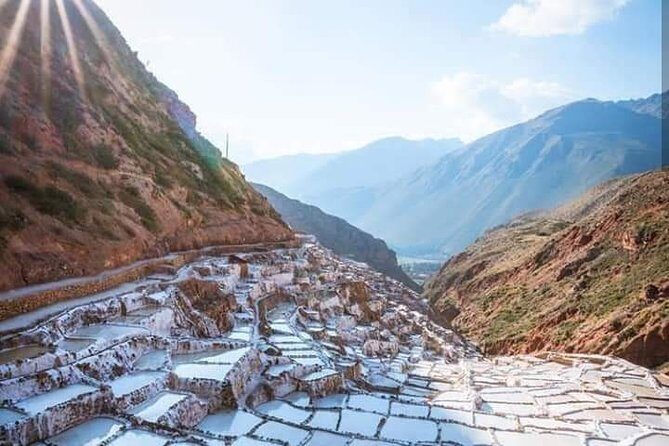
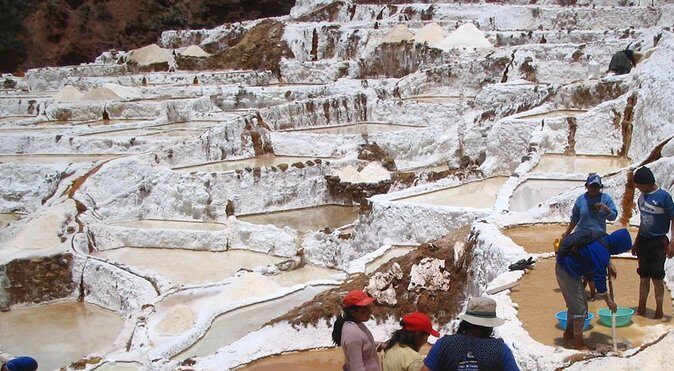
Maras is a completely different vibe from Moray. Instead of terraces, you get thousands of salt wells—about 3,000 small wells—set up on a hillside.
The core idea is fascinating and simple: salt is produced using a system that starts with saltwater from an underground stream, then relies on sun evaporation. Once the water evaporates, the salt is ready for sale. It’s old-school production, scaled in a way that’s almost unreal to see in person.
This stop runs about 45 minutes. That’s enough time to understand the system, walk enough to get a sense of the scale, and take photos from a few angles without turning it into a long hike.
One detail worth noting: the salt mines are shown as free admission in the stop notes, but overall entrance tickets are listed as included by the tour. Either way, you’ll want to follow your guide’s instructions on what’s covered so you’re not caught paying something unexpectedly.
Practical note: Maras can be intensely bright. Bring sunglasses and plan for sun protection.
You can also read our reviews of more tours and experiences in Cusco

Urubamba Lunch Stop: Good Value, Just Confirm What Included Means
Urubamba is where the day gets a reset. You’ll stop for lunch in town for about 30 minutes.
The highlights describe a buffet lunch included in Urubamba for extra value. Yet the exclusions list meals as not included. That’s the main “watch this” point of the whole tour.
So what should you do? I’d do one quick thing:
- confirm the lunch arrangement when you book (and ask if you’re getting buffet service at the stated restaurant)
If lunch is included, this is a smart break, because it prevents the classic Sacred Valley problem: arriving hungry later and spending your time hunting for food instead of enjoying the sites. If it’s not included, plan your expectations so you can buy something quick and keep rolling.
Pisac’s Market and Ruins: Crafts, Ceramics, and Fortified Inca Design
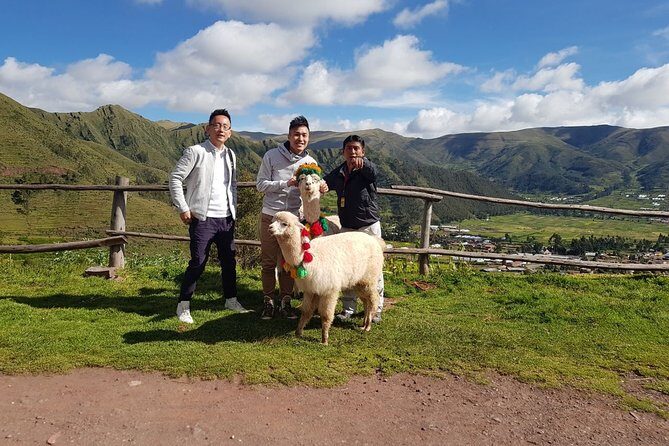
Pisac is two tours in one: market life and major Inca ruins.
The market side is known for handicrafts, ceramics, textiles, silver, food, paint, and even Andean music. That means you can browse without needing a specific “must buy.” If you like texture—woven patterns, metalwork, local ceramics—this is a place where you’ll feel the variety quickly.
Then the ruins do the heavy lifting. The Pisac archaeological area includes fortresses built to protect the ceremonial capital from attacks. The site is described as having a cemetery, palaces, and a hydraulic platform with finely cut stones. That hydraulic detail is key: it’s a reminder that Inca architecture wasn’t only about temples. It was also about managing water and reinforcing how the city worked.
Your time here is about 45 minutes, and that’s a good pace for Pisac because it keeps you from getting stuck only in one section. You can sample both the market energy and the ruins’ strategic layout without exhausting yourself.
If you’re shopping, Pisac is another logical place to buy souvenirs. Just pace your purchases. It’s easy to get carried away on day one and then find better options later.
Ollantaytambo: A Living Inca Town With Temples and Stone Detail
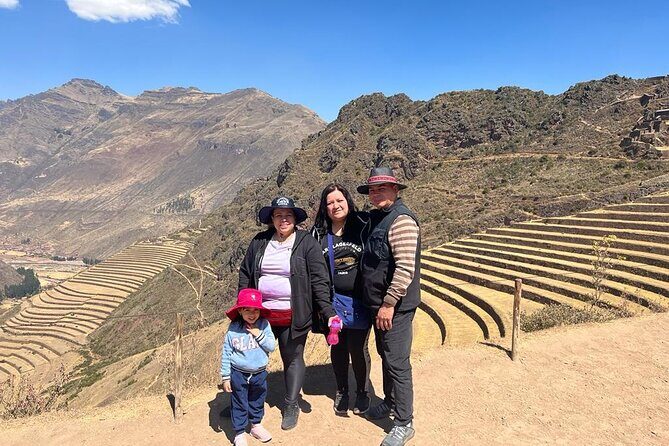
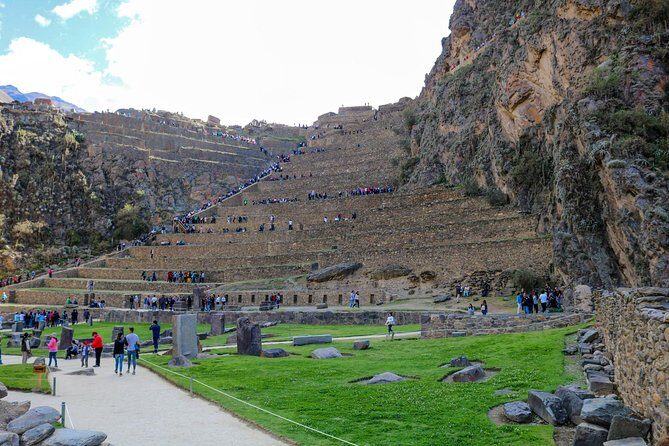
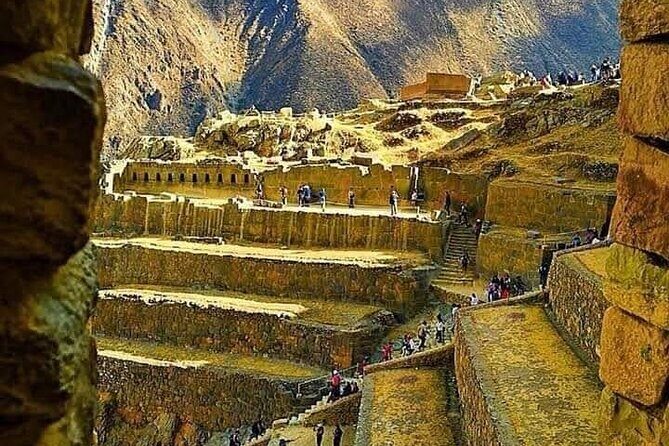
Ollantaytambo is one of the final stops and often the most satisfying to end on, because it still feels like an Inca town rather than just a collection of ruins.
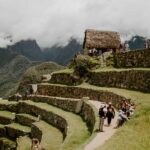
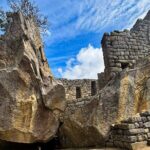
The complex is described as being part of a strategic military, religious, and agricultural center. You’ll also see it explained as one of the last living Inca towns, with streets that keep the same line to the Inca layouts. That matters. Streets don’t just “look old.” They shape how people move, and that continuity is what makes Ollantaytambo feel alive.
Key structures mentioned include:
- Temple of the Sun
- Intihuatana
- “bathrooms princess”
Expect about 45 minutes here. It’s long enough to get the major points your guide will highlight, plus time to soak in the stonework and street plan without rushing through everything at once.
Ending here can be a good choice because it gives you a “last Inca sweep” before returning toward Cusco. Your brain tends to process the day better when the final stop feels coherent and grounded.
How to Pace a 8–10 Hour Day Without Feeling Rushed
The tour is packed, but it’s not chaotic. A good guide makes the difference. In this setup, the guide can stagger stops to visit before or after the largest bus crowds, which usually means more breathing room and better photos.
Still, you’ll want to protect your energy:
- start ready at the 8:00 am start time, because your day is built from early momentum
- plan for sun and altitude (you’re in the Andes, after all)
- wear shoes that handle uneven surfaces, especially for terraces and salt areas
Because the itinerary includes multiple zones with different ground types, the “best” approach is to treat the day as a series of short walks rather than one long hike. With private pacing, you can do small pauses whenever you feel winded.
If you’re the type who likes to stop and ask questions, private time helps. Your guide can answer as you go instead of dumping everything in a lecture.
Who This Sacred Valley Private Tour Is Best For
This tour fits well if you want:
- a full-day Sacred Valley experience without figuring out routes
- a mix of Inca sites + market culture + Moray and Maras in one go
- a more personal day than a big group bus schedule
It’s also a great option for couples or small groups because the tour requires a minimum of 2 people per booking, and it stays private to your group once you’re confirmed.
If you’re traveling with kids, older relatives, or anyone with mobility limitations, be cautious. The tour notes say most travelers can participate, but the sites are outdoors with uneven steps and walking. You’ll want to be honest about what “participate” means for your group.
Should You Book This Tour?
I’d book it if you want a clean, efficient way to see the Sacred Valley’s best-known highlights in one private day—especially the combination of Moray + Maras with Pisac and Ollantaytambo. For most people, the value is in the reduced hassle: pickup, transport, entrance tickets, and a guide who can help you make sense of why each place matters.
I’d hesitate only if:
- you hate long days and want a slower pace
- you’re strongly focused on one single site and want deep time there (this is still a multi-stop program)
- you need clarity on lunch being included, so you’d rather confirm before you go
If you’re the kind of traveler who likes variety—markets in the morning, Inca engineering in the afternoon, and a classic living-town finish—this is an easy choice.
FAQ
How long is the Sacred Valley with Moray and Salineras Private Full-Day Tour?
The tour is listed as lasting about 8 to 10 hours.
Where does the tour start and what time?
It starts at 8:00 am.
Do you get hotel pickup and drop-off?
Yes. Hotel pickup and drop-off are included.
Is this tour private?
Yes. It’s private, and only your group participates.
What languages is the guide offered in?
The guide is offered in English and Spanish.
Are entrance tickets included?
Entrance tickets are listed as included. Some stops also note free admission.
What stops are included in the day?
The tour includes Chinchero, Moray, Maras Salt Mines, Urubamba (lunch), Pisac, and Ollantaytambo.
Is lunch included?
The highlights say there is a buffet lunch in Urubamba, but the exclusions list meals as not included. You should confirm the lunch details when you book.
What is the price per person?
The price is $136.85 per person.
Is free cancellation available?
Yes. You can cancel up to 24 hours in advance for a full refund.