REVIEW · CUSCO
Sacred Valley of the Incas with Moray and Salt mines
Book on Viator →Operated by Knowing Peru and Cusco Tour Operator. · Bookable on Viator
Morning ruins, salt flats, and an Andean brain.
This Sacred Valley outing feels interesting because the guide connects Inca agriculture, mining, and textile know-how as you move site to site. I especially like that the day starts early, so you’re not stuck in a slow crowd crawl, and you get a bilingual English/Spanish guide to translate what you’re seeing into real context.
I also like the practical rhythm of the tour: van transport from selected Cusco hotels plus a lunch buffet lunch that keeps the long day sane. The one drawback to plan around is that the schedule can include multiple shopping stops, so if you prefer straight sightseeing, go in mentally ready for some detours.
In This Review
- Key moments worth marking on your day
- Sacred Valley in one day: what you’re really buying
- Price and logistics (the part that affects your comfort)
- Chinchero: Inca walls, a 16th-century church, and live textiles
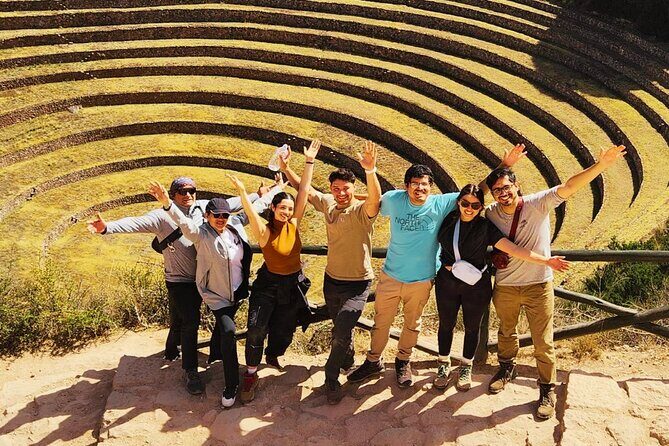
- Moray’s circular terraces: why this site feels like a “lab”
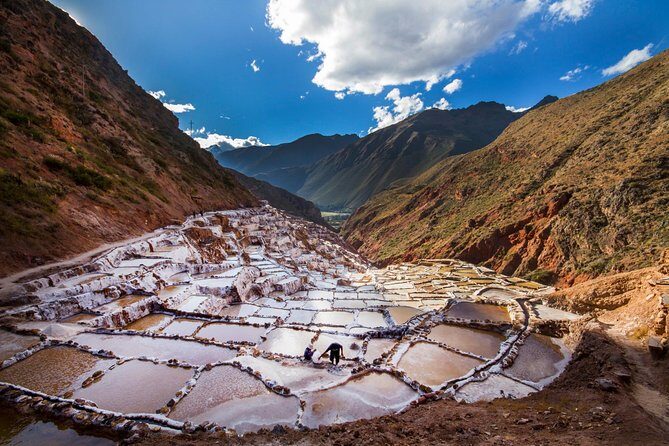
- Salinas de Maras: salt mines you can see working
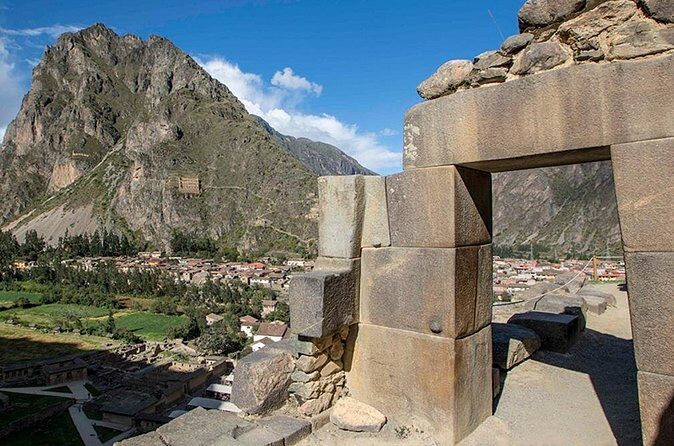
- Ollantaytambo: some of the sharpest stonework you’ll see
- Pisac: urban area, agriculture, cemetery, then back to Cusco
- Lunch buffet and the pace of the day
- Shopping stops: the one thing to manage
- Bilingual guide: how to get more out of every stop
- Who this tour fits best
- Should you book Sacred Valley with Moray and Salt Mines?
- Quick check before you decide
- FAQ
- What time does the tour start?
- How long is the tour?
- How much does the tour cost?
- Are hotel pickup and drop-off included?
- What’s included in the price?
- What entrance fees are not included?
- Are Ollantaytambo and Pisac free on this tour?
- Where is the tour meeting point?
- Is a passport required?
- What happens if I cancel?
Key moments worth marking on your day
- Chinchero pairs Inca stonework next to a 16th-century colonial church, with alpaca-textile making in view
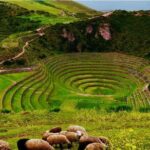
- Moray shows circular terraces often described as an Inca agricultural laboratory
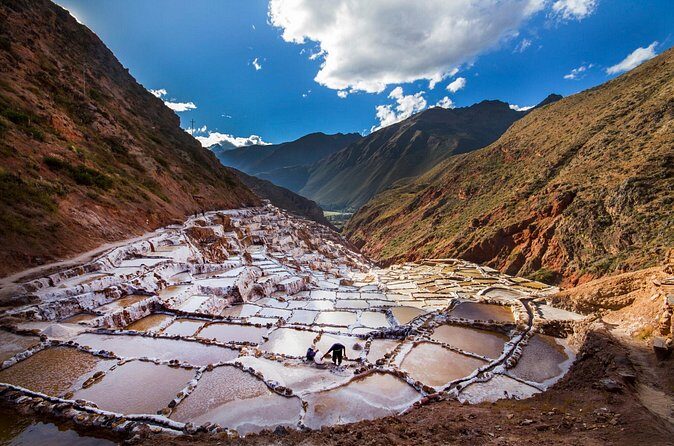
- Salinas de Maras is all about naturally harvested salt from hundreds of years of continuity
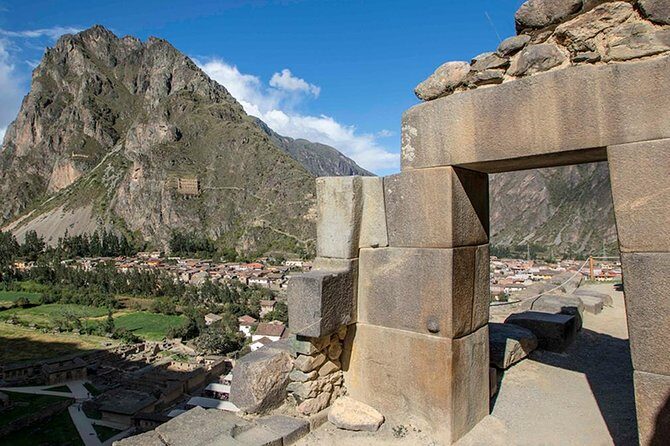
- Ollantaytambo is the “best quality of stone works” stop, with admission listed as free
- Pisac brings together an urban sector, agricultural areas, and a cemetery, also listed as free
Sacred Valley in one day: what you’re really buying
This is a long Cusco day trip, clocking in around 10 to 11 hours. For $65 per person, you’re not just paying for entry gates. You’re buying transportation, a bilingual guide, and a full loop through the main Sacred Valley stops that most first-timers want to see.
Now, here’s the budget reality check: the big additional cost is the boleto turistico for the Sacred Valley area plus Salineras de Maras, listed at $28 per person. Ollantaytambo and Pisac are listed as admission free for this tour, which helps keep your spend under control. Add lunch (included) and the value math gets better fast.
This tour also has a small-group feel. The van is described as a 20-person vehicle and the max group size is 20. When you’re doing a full circuit in one day, that matters. You move together, the guide can manage pacing, and you’re less likely to get lost in the shuffle.
You can also read our reviews of more tours and experiences in Cusco.
Price and logistics (the part that affects your comfort)
Let’s keep it plain: you start early, and you need to be ready for a full day. Start time is 6:30 am from the meeting point at Portal de Comercio 169, Cusco. The pickup/drop-off is handled with round-trip transport for selected hotels only, and the tour ends at Del Medio 177, Cusco.
Plan around the time difference between stops. Some locations are quick on the clock—Moray is only about 30 minutes—while others get a full hour. That’s why the morning start helps: it gives the guide enough time to cover what’s meaningful, even with travel between sites.
One more item that’s easy to forget: a current valid passport is required on the day of travel. Don’t pack it for later. Bring it with you.
Chinchero: Inca walls, a 16th-century church, and live textiles
Stop one is Complejo Arqueologico Chinchero, after about an hour ride from Cusco. This is a great opener because it’s not just ruins. It’s a layered view of how Andean life and outside influence overlap.
What you’ll get here is a look at Inca constructions paired with a colonial church built in the 16th century. That side-by-side setup is worth your attention. It helps you see that the story of this region isn’t frozen in one era. Instead, you’re looking at multiple time periods interacting in the same physical space.
Chinchero also has a practical, hands-on feel: you’ll see local people working with textiles, including alpaca clothing production. The guide’s job is to make the techniques make sense—how textiles fit into Inca life, not just as souvenirs. Even if you’re not buying anything, watching the process is one of the best ways to understand what you’re seeing at the other sites.
Admission at Chinchero is not listed as included, so expect you’ll need the Boleto Turístico for this day’s Sacred Valley coverage (the tour lists it as $28 per person for the Sacred Valley + Salineras de Maras portion).
Moray’s circular terraces: why this site feels like a “lab”
Next up is Moray. You get about 30 minutes here, which is short. The trick is to use that time well: focus on the form. Moray is known for its circular terraces—often described as an Inca agricultural laboratory.
Even in half an hour, you can spot why it’s described as experimental. The terraces are set up in a way that suggests deliberate control—how crops might behave under different conditions within the same overall area. Your guide should connect what you’re seeing with the broader theme of the day: Inca problem-solving using agriculture as the tool.
This is also a “mental reset” stop. After Chinchero’s textiles and church-ruins mix, Moray brings you back to land use and engineering. It’s a different kind of wow.
Salinas de Maras: salt mines you can see working
Then comes one of the most visually striking stops: Salinas de Maras. The drive time is about 20 minutes, and the stop itself is around 40 minutes.
This is where the day’s theme shifts from farming to mining. The salt is described as being harvested for hundreds of years naturally. You don’t have to stretch your imagination here. You can see how the salt flats operate and why the place mattered—salt was valuable, and the process looks simple enough to understand at a glance, even if the details are complex.
Because Salineras de Maras is explicitly included in the paid boleto turistico bundle, plan on that $28 per person additional fee. The tour lists that ticket as not included.
A practical tip: wear shoes you can trust on uneven ground. Salinas can look flat from a distance, but you’re walking around working areas. Bring water too, especially since you started the day so early.


Ollantaytambo: some of the sharpest stonework you’ll see
After Moray and the salt flats, you head to Ollantaytambo. This stop is about 1 hour and it’s listed as admission free for this tour.
Ollantaytambo is described as an Inca fortress and, specifically, the stop is credited with the best quality of stone works. I like this stop because it’s less about learning a concept and more about observing craft. When stonework is good, it shows. You start noticing how the blocks fit, how the structure holds shape, and why the site feels solid even after centuries.
This is also a good place to slow down compared with the quicker stops. You have enough time for the guide’s explanation and enough time for your eyes to catch up. If you like architecture and engineering, this is your anchor stop.
Pisac: urban area, agriculture, cemetery, then back to Cusco
Your last major stop is Pisac, about 1 hour on the clock, and it’s also listed as admission free.
Pisac is described as having an urban sector, an agricultural sector, and a cemetery. That mix gives you an easy way to understand how people organized their world: where they lived, where they worked the land, and how they handled remembrance.
The tour keeps a clear wrap-up at the end. After Pisac, you return to Cusco for about 40 minutes by van. Since the whole day runs 10 to 11 hours, the order makes sense: you get the energy-sapping sights early, then finish with a site that lets you look around without needing an extra half-day.
Lunch buffet and the pace of the day
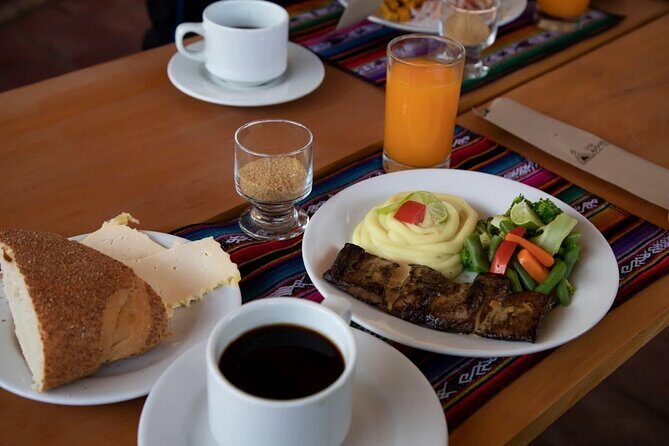
Lunch is included as a buffet lunch. That sounds like basic information, but on a day like this it’s a big deal. When you’re out from early morning until later in the day, eating well is what keeps you engaged with the sights instead of just surviving.
The tour does cover a lot of ground, so I recommend treating lunch as your anchor meal. Eat when you can. Don’t wait for the perfect moment, because the rest of the day is paced by the van schedule and stop durations.
Also note the van capacity and group size: the vehicle is described as a van for up to 20 people and the max group is 20. A smaller group can mean fewer delays and less waiting around, which matters for your energy.
Shopping stops: the one thing to manage
A common note from past experiences is that the itinerary can include too many shopping stops. The sites themselves are described as worth it, and lunch is said to be decent, but the added shopping time can feel like filler if you’re not shopping.
Here’s how I’d handle it:
- If you don’t want to buy, treat those moments like breaks. Walk through fast, look for one or two items only, and keep moving.
- If you do like shopping, go in knowing you’ll have chances. That way you won’t feel pressured because you’ll already expect it.
This isn’t a deal-breaker for most people. It just means your mindset should be set before you go.
Bilingual guide: how to get more out of every stop
The tour includes a professional guide (bilingual English/Spanish). That matters because Sacred Valley sites are not just scenic. They’re agricultural systems, stonework systems, and textile systems—and the details are what make them click.
If you can, ask your guide one question at each stop. For Chinchero, ask how textiles connect to everyday life. For Moray, ask what the terraces were designed to test. For Salinas, ask how salt harvesting ties into Inca and regional systems. You’ll finish the day remembering concepts, not just photos.
Even without extra questions, the guide’s explanations are part of the value. This tour isn’t just hopping between coordinates; it’s themed around agriculture, mining, and textiles, and your guide is there to connect the dots.
Who this tour fits best
This day trip is a strong choice if you want:
- A first-timer-friendly loop through the main Sacred Valley highlights from Cusco
- A mix of Inca agriculture (Moray), mining (salt flats), and craft/techniques (textiles at Chinchero)
- Hotel pickup and drop-off from selected places, so you’re not juggling transport all day
It also suits people who prefer structured time slots. The stops are timed, the group stays together, and you’re not left figuring out logistics between sites.
If you hate shopping detours, you’ll still likely enjoy the core sights. Just go in with expectations and use the shopping time as a quick reset.
Should you book Sacred Valley with Moray and Salt Mines?
I’d book it if you want one organized day that hits the big names: Chinchero, Moray, Maras salt mines, Ollantaytambo, and Pisac—with transport, a bilingual guide, and lunch handled. The $65 price feels reasonable once you count what’s included, even with the extra $28 boleto turistico.
I would hold off or choose carefully if you strongly dislike shopping stops. The sites are worth it, but the day can feel less focused than a pure-hike, pure-ruins tour.
Quick check before you decide
- You’re okay with an early 6:30 am start and a long day
- You’re willing to budget an extra $28 per person for the boleto touristico
- You want guide-led explanations linking agriculture, mining, and textiles
If that’s you, this is a practical way to spend a day in the Sacred Valley without turning logistics into your second job.
FAQ
What time does the tour start?
It starts at 6:30 am from the meeting point at Portal de Comercio 169, Cusco.
How long is the tour?
The duration is approximately 10 to 11 hours.
How much does the tour cost?
The price is $65.00 per person.
Are hotel pickup and drop-off included?
Yes, hotel pickup and drop-off are included, but only for selected hotels.
What’s included in the price?
Included are hotel pickup/drop-off (selected hotels), touristic transport (van for up to 20 people), a professional bilingual guide (English/Spanish), and a buffet lunch.
What entrance fees are not included?
Entrance fees are not included, and you should plan for the boleto turistico for the Sacred Valley + Salineras de Maras at $28.00 per person.
Are Ollantaytambo and Pisac free on this tour?
Yes. Ollantaytambo and Pisac are listed as having admission free for this tour.
Where is the tour meeting point?
The start meeting point is Portal de Comercio 169, Cusco 08002, Peru.
Is a passport required?
Yes, a current valid passport is required on the day of travel.
What happens if I cancel?
This experience is non-refundable and cannot be changed for any reason. If you cancel or ask for an amendment, the amount you paid will not be refunded.