REVIEW · CUSCO
Sacred Valley of the Incas Full Day Tour
Book on Viator →Operated by Viajes Growing Cusco · Bookable on Viator
Sacred Valley in one action-packed day. This full-day route from Cusco strings together Chinchero textiles, Inca farming experiments, and two major archaeology stops, with hotel pickup and a bilingual guide keeping everything moving.
Two things I really like: first, the weaving demonstration in Chinchero using natural dyes gives you something hands-on and calm, not just stone-and-stops. Second, the guide’s English and Spanish explanations are delivered clearly and repeated in both languages so you’re never guessing what you’re looking at.
One consideration: it’s a long, intense 12-hour day, and you’ll be walking and viewing multiple sites back-to-back, so plan for a steady pace and breaks when you can.
In This Review
- Key Things to Know Before You Go
- The Sacred Valley in One Long Day: What the 12 Hours Feel Like
- Price and Tickets: What the $30 Doesn’t Cover
- Morning Pickup in Cusco at 6:30am: How to Keep It Smooth
- Chinchero: Agricultural Terraces and Natural-Dye Textile Traditions
- Moray: Circular Terraces and the Microclimate Idea
- Maras Salt Mines: Over 3,000 Salt Pools That Still Work
- Urubamba Buffet Lunch: A Necessary Reset
- Ollantaytambo: Terraces, a Sun Temple, and a Living Town Layout
- Pisac Archaeological Park: Ceremonial Power with Big Views
- The Guide and the Group Pace: English/Spanish Repetition Helps
- What to Bring and How to Prepare for a Day Like This
- Who This Tour Fits Best (and Who Might Prefer Another Plan)
- Should You Book This Sacred Valley Full Day Tour?
- FAQ
- What time does the Sacred Valley full day tour start?
- Is hotel pickup included?
- Where do you get dropped off at the end of the tour?
- How long is the tour?
- Is there a bilingual guide?
- Are entrance tickets to the sites included?
- How much is the tourist ticket paid onsite?
- How much is the Maras Salt Mines entrance fee?
- Is lunch included?
- Can I buy the partial tourist ticket during the tour?
- What happens if I cancel?
- Reviews Highlights
Key Things to Know Before You Go

- Hotel pickup from central Cusco plus a clear early start at 6:30am keeps logistics simple.
- Small group size (max 18) helps the day feel organized and easier to manage.
- Chinchero textiles with natural dyes are a practical, cultural stop you’ll remember.
- Maras Salt Mines require an onsite ticket ($7), so expect a paid add-on.
- Entrance fees are separate: the onsite tourist ticket is $20 per person.
- Return drop-off near Cusco’s main square happens around 7:00pm, so you can plan dinner afterward.
The Sacred Valley in One Long Day: What the 12 Hours Feel Like
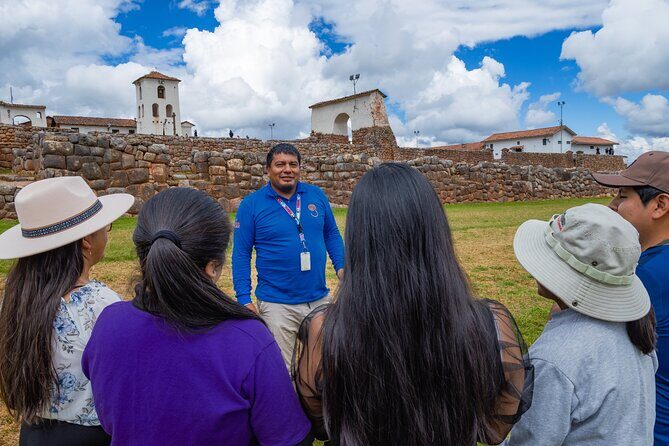
This tour is built for people who want the biggest Sacred Valley hits without spending extra days. You start early from Cusco and then work through a sequence of Inca-era sites and working landscapes, ending back near the main square around 7:00pm.
You’re looking at multiple stops that vary in walking and focus. Some parts are quick photo opportunities; others ask you to slow down and really read the layout of terraces, agricultural features, and ceremonial areas. If you’re used to fast-paced sightseeing, you’ll be fine. If you prefer one site per half-day, this may feel like too much.
You can also read our reviews of more tours and experiences in Cusco



Price and Tickets: What the $30 Doesn’t Cover
The base price is $30 per person, and that’s the part that includes your hotel pickup, transportation, and a buffer lunch in Urubamba, plus a professional bilingual tour guide. You also get the traditional weaving demonstration in Chinchero, which is one of the most human, cultural moments on the route.
What you need to budget for are the onsite archaeological and specialty-site fees. The tourist ticket (or Cusco tourist ticket) is $20 per person, and the Maras Salt Mines entrance is $7 per person. Those are both paid onsite, so bring cash and keep receipts if you’re the type who likes clean records.
If you’re trying to judge value, here’s the math in plain terms: you’re paying for a full day of guiding and transport, while the sites themselves are largely paid at the gate. The tour price is what gets you smooth movement and interpretation across a demanding route.
Morning Pickup in Cusco at 6:30am: How to Keep It Smooth
Departure is 6:30am, with pickup available from hotels in Cusco’s historic center. You should wait in your lobby about 10 minutes before the scheduled departure time, and the exact pickup time is confirmed via WhatsApp or email the day before.
This tour uses a mobile ticket, which is helpful, but the key practical step is still being ready early. If you’re prone to rushing, set an alarm for long before 6:30am and keep your water and essentials ready the night before.
The pickup representative comes in the company’s official uniform with a name badge. That matters in Cusco, where meeting points can get crowded, and it saves you time.
Chinchero: Agricultural Terraces and Natural-Dye Textile Traditions
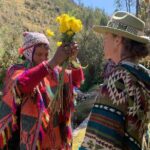
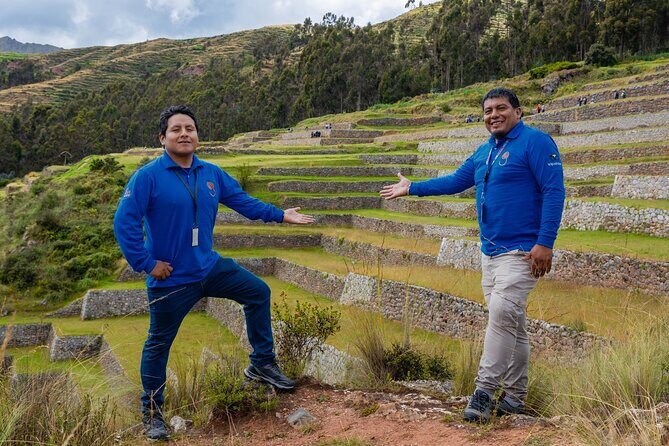
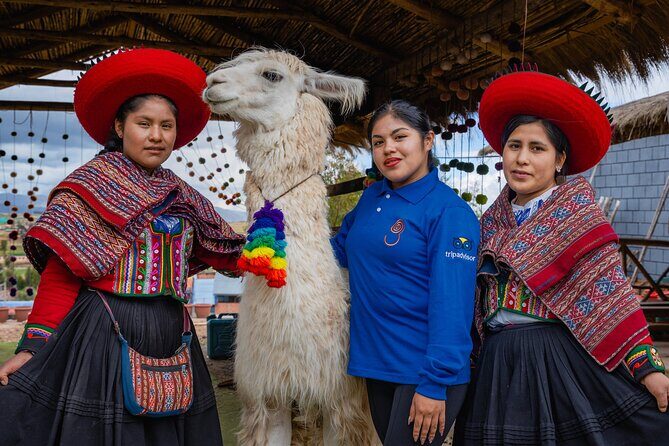
Chinchero is your first stop, and it sets the tone for the day. You’ll start with a traditional village setting famous for agricultural terraces and a textile heritage, then shift into a cultural center where a local family demonstrates ancestral weaving techniques using natural dyes.
I like this stop because it’s not just observation. You’re getting a living craft explained in a way that connects materials, color, and daily life. That makes the rest of the itinerary easier to absorb, because you’re already thinking about how people used land and labor in the Andes.
This is also one of the places where the tour stays relaxed compared to later archaeology stops. Time here is about 1 hour, so you’re not constantly moving. Admission tickets aren’t included, so if you plan to enter the cultural center, expect to pay onsite.
Moray: Circular Terraces and the Microclimate Idea
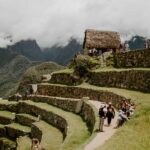
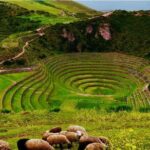
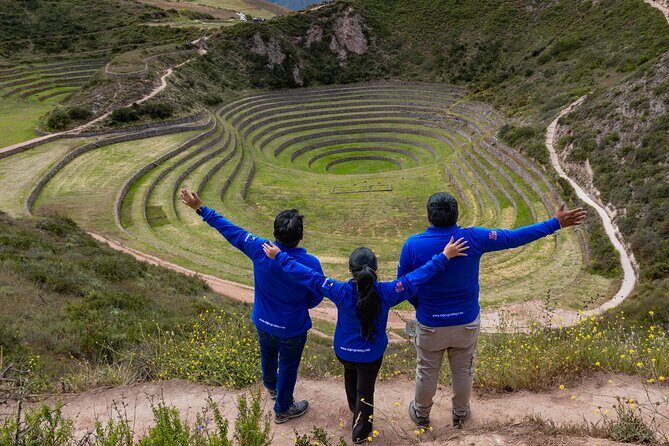
Moray is where the itinerary leans into “how did they do that?” The sight is made of circular terraces that are believed to have been used as an agricultural research center. The big idea is microclimates—the terraces create different growing conditions so the Incas could test crops and optimize food production.
This stop is shorter, around 45 minutes, which works because the main value is seeing the shape and understanding the purpose. You’re not meant to stroll for hours. Instead, you want to listen closely to the guide’s explanation and look at how the design changes with elevation.
If you only remember one concept from Moray, make it this: the engineering isn’t decorative. It’s practical and tied to food security.



Maras Salt Mines: Over 3,000 Salt Pools That Still Work
Maras Salt Mines are one of the most photogenic stops on the day, and you’ll have about 45 minutes here. The area contains over 3,000 salt pools, and they’re still harvested by local families today. The white salt pans against the mountain setting create a sharp, high-contrast scene that’s easy to recognize even if you’re not sure what you’re looking for at first.
Important logistics: Maras Salt Mines entrance is $7 per person, paid onsite. This is one of the two paid site add-ons you’ll likely feel most during the day, so plan for it early and keep cash handy.
This stop also adds a useful contrast to the rest of the itinerary. You move from terraces and temples into a working landscape where production continues, not just a preserved monument.
Urubamba Buffet Lunch: A Necessary Reset
After the morning sites, you stop in Urubamba for a traditional buffet lunch. Lunch is included, and it’s about 45 minutes, so it’s not a long sit-down meal, but it gives you what you need: time to eat without the stress of finding a restaurant on your own.
The menu is described as featuring a variety of dishes prepared with fresh Andean ingredients. That’s exactly what you want on a day like this—something you can eat without complicated choices, and enough energy to handle the afternoon archaeology.
Practical tip: since the afternoon includes two major sites, treat lunch as fuel. Eat at a comfortable pace, but don’t linger too long.
Ollantaytambo: Terraces, a Sun Temple, and a Living Town Layout
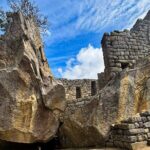
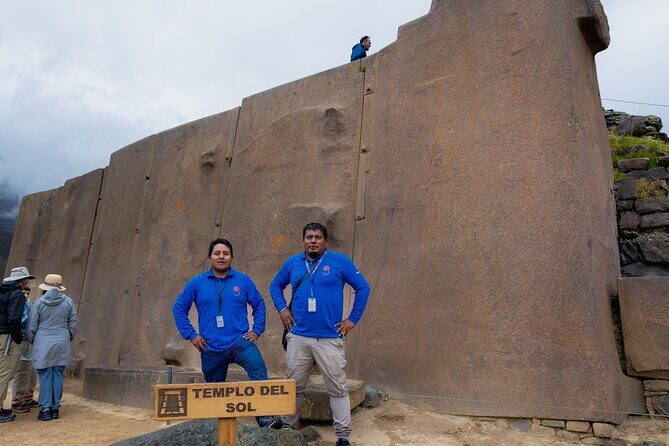
In the afternoon you visit the Ollantaytambo Archaeological Site, with about 1 hour here. The focus is on the massive terraces and the Sun Temple, described as made of six perfectly carved monoliths.
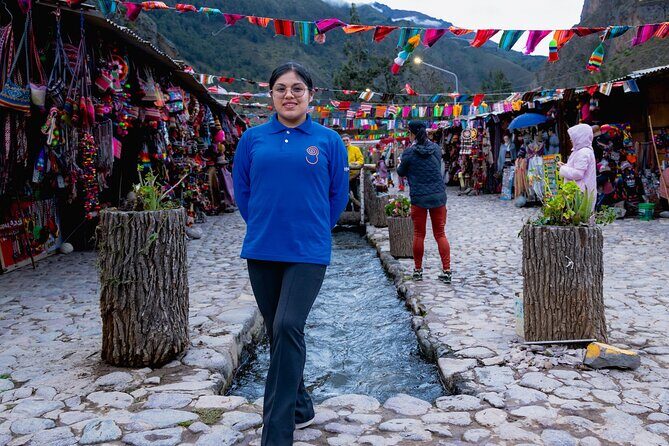
What I appreciate about Ollantaytambo is how the archaeological area connects to the present-day town. You’ll also see how the town preserves its original Inca urban layout, including narrow stone streets and water channels flowing through the area.
This is a site where your guide’s bilingual explanations pay off. You’re not just looking at stones; you’re learning how the pieces connect—terraces, religious function, and everyday movement in the settlement.
Admission tickets aren’t included here either, so keep your tourist ticket plan straight. This is where the $20 per person fee typically matters most.
Pisac Archaeological Park: Ceremonial Power with Big Views
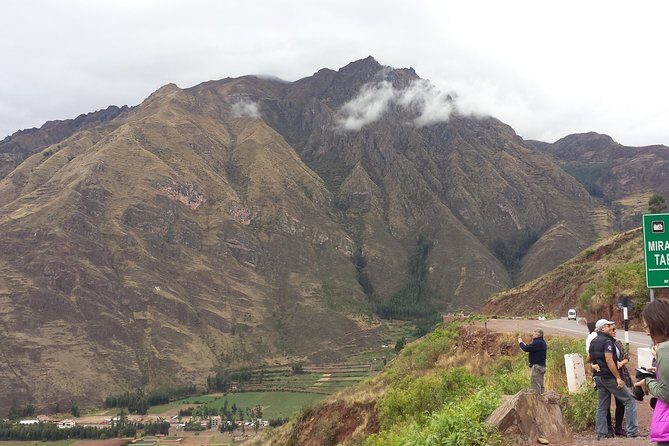
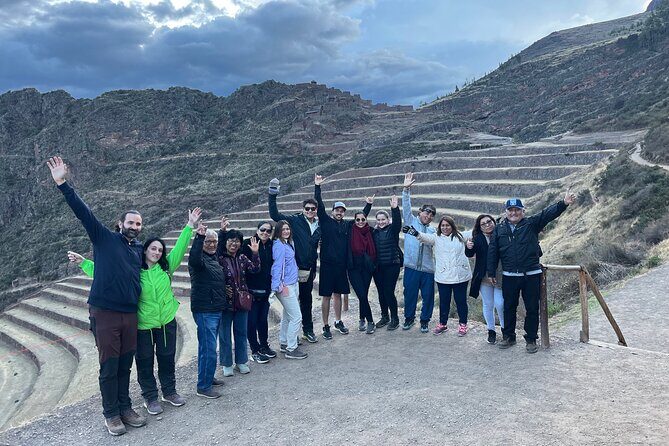
Your final stop is the Pisac Archaeological Park, also about 45 minutes. Pisac is described as an important administrative and ceremonial center during the Inca Empire, and you’ll explore terraces, temples, and the viewpoints.
This tends to be the emotional payoff stop. After Chinchero and Moray’s agriculture focus, and Ollantaytambo’s terraced ceremonial power, Pisac pulls the story together by showing how governance and ceremony were tied to place.
Return is around 7:00pm, with drop-off near Cusco’s main square. That timing is great because it gives you a clear end point for the day, so you can plan dinner without wondering.
The Guide and the Group Pace: English/Spanish Repetition Helps
This tour is capped at 18 travelers, which is a real advantage on a day like this. With fewer people, your guide can keep the timing tighter, handle questions more easily, and reduce the “everyone gets separated” problem.
From the reviews you’ll see a strong theme: the guide gives interesting historical facts all along the visit, and the language delivery is a big plus. You can expect very good English and Spanish, with explanations repeated in both languages. That means you don’t have to feel left behind if you only understand one language.
There’s also a note that the guide has rules for keeping the tour working smoothly. That’s normal. On a route packed with sites and paid-entry moments, the rules usually mean fewer delays and less chaos in lineups.
One last pacing reality check: even though each stop is timed, the day still feels intense because it’s constant movement and constant interpretation.
What to Bring and How to Prepare for a Day Like This
You should plan for a full day outdoors and walking between sites. The tour notes moderate physical fitness, which is a polite way of saying you’ll want comfortable shoes and the ability to keep up.
Since tickets are paid onsite—the tourist ticket ($20) and Maras ($7)—bring cash and plan to pay early rather than scrambling later. In Chinchero, the partial tourist ticket is described as cash only, and you can purchase it either at the COSITUC office or directly during the first stop.
Also, if you rely on messages for timing, make sure you’re ready for the WhatsApp/email confirmation the day before pickup time.
Who This Tour Fits Best (and Who Might Prefer Another Plan)
This tour is ideal if you want a complete Sacred Valley overview in one day with guided context and minimal independent planning. It’s also a strong match if you care about cultural crafts, since the natural-dye weaving demonstration is a major component rather than a quick “watch for 5 minutes” stop.
It can feel like a lot if you:
- prefer slower travel with fewer transitions
- get worn out by early mornings and long drives
- want to spend deeper time at just one or two sites
If you’re the type who likes seeing the major highlights—terraces, salt pools, and two of the biggest archaeological settings—this route hits the checklist efficiently.
Should You Book This Sacred Valley Full Day Tour?
I’d book it if you want value in the form of organized transportation, a strong bilingual guide, and a route that connects agriculture, ceremony, and everyday life across multiple sites. The $30 base price plus your chosen onsite tickets is a fair setup for a full-day plan that returns you near Cusco’s center by around 7:00pm.
I wouldn’t book it if you hate long days or you’re hoping for a gentle pace. The tour runs about 12 hours, and the afternoon archaeology is packed in once you start moving.
My final decision tip: treat the onsite fees as part of your total plan, not surprises. If you’re comfortable paying $20 for the tourist ticket and $7 for Maras, you’ll be able to focus on the guided experience instead of money logistics.
FAQ
What time does the Sacred Valley full day tour start?
The start time is 6:30am.
Is hotel pickup included?
Yes. Hotel pickup is included for hotels in Cusco’s historic center.
Where do you get dropped off at the end of the tour?
You return to Cusco around 7:00pm and are dropped off near the main square.
How long is the tour?
It runs for approximately 12 hours.
Is there a bilingual guide?
Yes. The tour is offered in English, and the guide provides bilingual explanations.
Are entrance tickets to the sites included?
No. The tourist ticket (including the partial/Cusco tourist ticket) is paid onsite, and Maras Salt Mines has a separate onsite entrance fee.
How much is the tourist ticket paid onsite?
It is $20.00 per person, paid onsite.
How much is the Maras Salt Mines entrance fee?
The Maras Salt Mines entrance fee is $7.00 per person, paid onsite.
Is lunch included?
Yes. Lunch is a traditional buffet in Urubamba and is included.
Can I buy the partial tourist ticket during the tour?
Yes. You can purchase it at the COSITUC office or directly in Chinchero during the first stop. In Chinchero, payment is cash only.
What happens if I cancel?
Free cancellation is available if you cancel at least 24 hours in advance for a full refund.
Reviews Highlights
Rating: 5 based on 3 reviews. The strongest praise centers on the guide’s clear bilingual explanations, kindness, and the overall interest of the full route, with a note that the day is long and intense.