REVIEW · CUSCO
Sacred Valley: From Ollantaytambo & Urubamba – Private Tour
Book on Viator →Operated by Altitude Peru · Bookable on Viator
Sacred Valley is the perfect full-day shortcut. This private tour strings together Ollantaytambo’s living Inca streets plus the salt ponds of Maras and the crop-testing terraces of Moray, with a hotel pickup and an easy-to-follow flow. If your guide is someone like Robby or Robinson (names that show up in past Altitude Peru tours), you’ll likely get clear explanations, not just a rush from stop to stop.
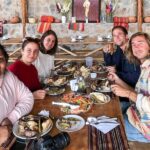
I especially like the built-in comfort: you get a private group and a real meal in Urubamba (with vegetarian and vegan options). Lunch is part of the day, entrance fees are handled as included for the main sights, and your schedule is paced so you’re not constantly “figuring things out.”
One consideration: logistics can vary a bit. Your pickup is described as starting from Ollantaytambo/Urubamba/Sacred Valley on the day schedule, but the pickup note also mentions Cusco—so confirm the exact location before you go. Also, drinks aren’t included, and the Moray line specifically flags admissions as not included, so it’s worth double-checking coverage for that stop.
In This Review
- Key highlights at a glance
- The value case: why this Sacred Valley route works
- Timing and pickup: starting early without feeling rushed
- Stop 1: Sacred Valley viewpoints and a fast arrival to the real route
- Stop 2: Ollantaytambo—an Inca city you can still walk through
- Stop 3: Maras salt mines—where the famous photo actually makes sense
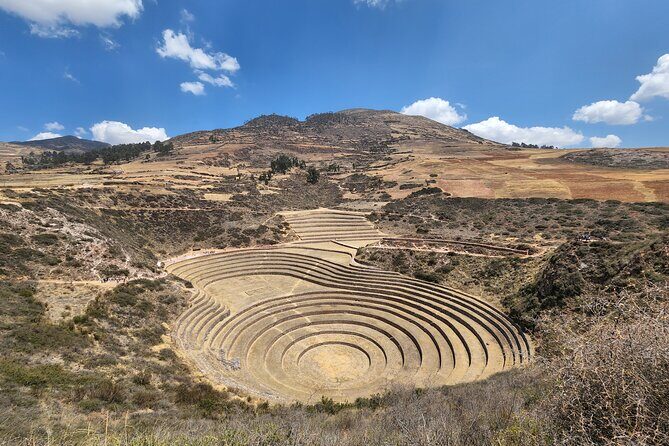
- Stop 4: Moray—circular terraces and the Inca microclimate idea
- Stop 5: Urubamba lunch—where the day slows down on purpose
- Stop 6: Chinchero weaving center—alpacas, llamas, and natural materials
- Stop 7 and 8: Returning to Ollantaytambo or Cusco
- Who this tour suits best (and who should look elsewhere)
- Should you book? My take
- FAQ
- How long is the Sacred Valley tour?
- What’s included in the price?
- Do you provide lunch, and are there vegetarian options?
- What language is the tour offered in?
- Is the tour private?
- Can I choose where to be dropped off at the end of the tour?
Key highlights at a glance
- Ollantaytambo, the Inca town that’s still lived in, with cobblestone streets and major archaeological areas
- Maras salt mines, with over 3,000 salt ponds still in use since pre-Inca times
- Moray’s circular terraces, used as an Inca-style agricultural “laboratory” to test microclimates
- Chinchero weaving center, where you can feed alpacas and llamas and learn about weaving with natural inputs
- Lunch in Urubamba with vegetarian and vegan options, so you’re not stuck hunting for food mid-tour
- Flexible end of day, with the option to be dropped near the Ollantaytambo train station or back in Cusco
The value case: why this Sacred Valley route works
At $129 per person, this is the kind of day trip that only makes sense if it saves you energy and planning time. That’s exactly what this does. It’s private (so you’re not stuck with a noisy tour herd), and it’s structured around the Sacred Valley’s “best-of” sites that connect logically: Ollantaytambo → Maras → Moray → Urubamba → Chinchero → back to Ollantaytambo or Cusco.
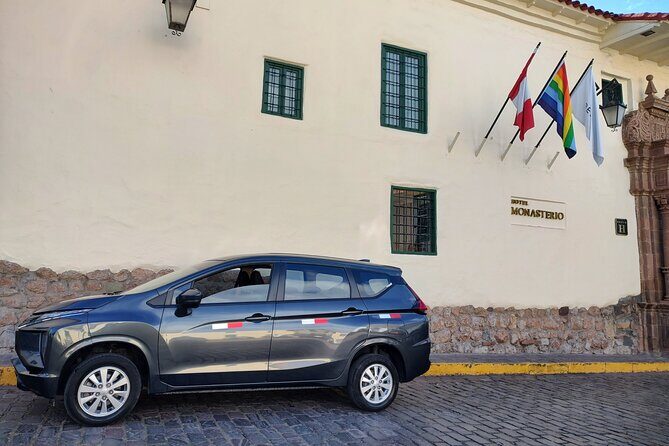
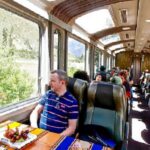
I also like that the trip is designed for comfort. The description includes modified transportation for a smoother ride (the sort of detail that matters when you’re doing a long day on Andean roads). That doesn’t erase the fact that you’ll be traveling for much of the day, but it helps you arrive ready to look, not just survive.
Another value point: the core entrance costs are described as included, and lunch is included. That reduces the annoying travel math—no constant rummaging for cash mid-route. Drinks aren’t included at the restaurant, so budget a little extra there, but the “big ticket” parts are covered.
Finally, this tour gives you a practical choice at the end. If you’re heading toward Machu Picchu logistics, getting dropped near the Ollantaytambo train station can make your next step easier. If you’d rather settle into Cusco, you can return there instead.
You can also read our reviews of more private tours in Cusco

Timing and pickup: starting early without feeling rushed
The day starts around 6:45 am with hotel pickup, then you’re on the road toward Ollantaytambo with about a one-hour drive (based on the day plan). You’ll be working from approximate times throughout the schedule, which is normal for Sacred Valley days—traffic, weather, and crowd patterns can shift things.
Here’s the practical part: confirm your exact pickup point and start time. The day itinerary talks about pickup in Ollantaytambo, Urubamba, or Sacred Valley, while the pickup note also says Cusco pickups are possible. That doesn’t mean something is wrong; it means your starting point depends on where you’re staying and how the provider groups timing.
Also, you’ll likely want to treat this as a day for your “head and legs,” not just photos. Early starts give you better light and smoother transitions at outdoor sites like Maras and Moray. You’ll still do plenty of walking, but the route is designed so you’re not trapped for hours in one place with nothing else to do.
If you’re sensitive to altitude or just not into long mornings, pack layers. Even when Cusco-region days look sunny, temps can swing fast.
Stop 1: Sacred Valley viewpoints and a fast arrival to the real route
Your morning begins with pickup and moving into the Sacred Valley. The itinerary includes a short admission element at the start and then transitions quickly into the first major stop. Even if this part feels like “getting started,” it matters: you’re setting your bearings for the day’s geography—how the valley opens up, where roads cut through hills, and why the Inca chose these places.
What I like here is that the day doesn’t waste time. You’re not spending the first hour sitting in a museum. You’re arriving while it’s still morning, when your brain is sharper and the valley air feels less heavy.
The only drawback is straightforward: you’ll be up early. If you’re coming straight from Cusco the night before, give yourself a little buffer with hydration and a calm breakfast at your hotel.
Stop 2: Ollantaytambo—an Inca city you can still walk through
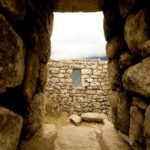
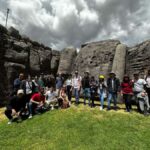
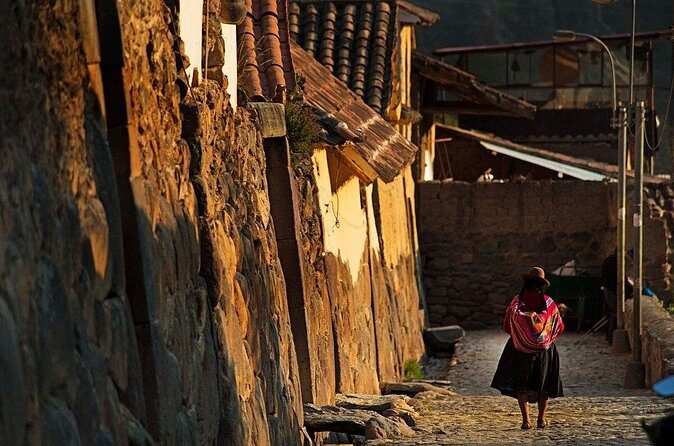
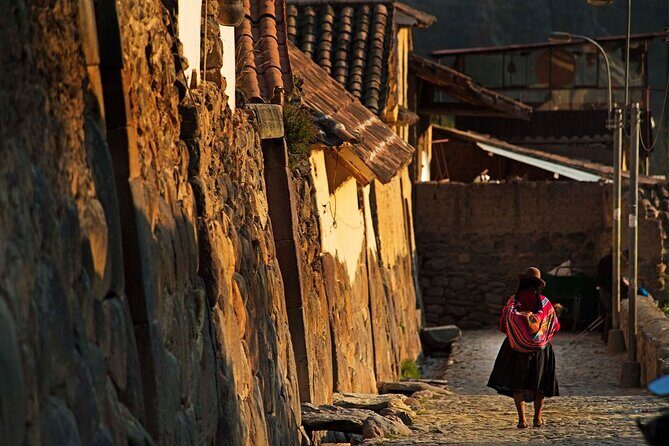
Ollantaytambo is the heart of this itinerary, and it’s a great choice for a private day because you can slow down when it counts. Expect an archaeological visit that highlights why Ollantaytambo is different: it’s described as the only Inca city still inhabited, meaning you’re seeing old stone architecture while modern life continues around it.
You’ll also walk through cobblestone streets and explore preserved Inca structures. That mix is the payoff. Many Inca sites feel like they’re “over there,” behind fences, with a distance between you and everyday life. Here, the atmosphere is tighter. It feels less like a distant ruin and more like a neighborhood shaped by centuries.
What to look for: the layout and the terraces. Inca engineering isn’t just dramatic—it’s functional. If your guide is someone like Robby or Robinson (names that show up in past Sacred Valley/Machu Picchu experiences), you’ll likely get stories that help connect the stonework to how the town was built and used.
Time-wise, you’re allocated about an hour, so don’t expect every wall to be explained in full detail. That said, a private guide can usually adjust if you want a bit more time on the parts you care about.
Stop 3: Maras salt mines—where the famous photo actually makes sense
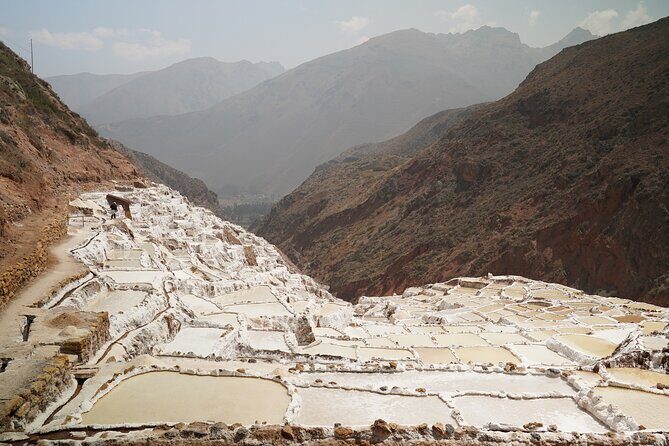
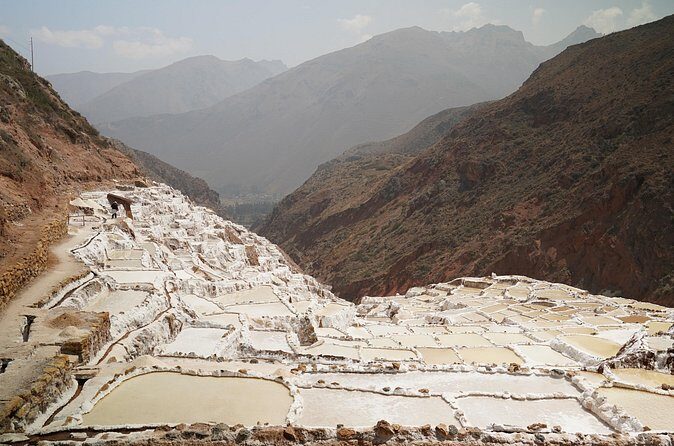
Maras is where Sacred Valley starts to feel very, very physical. The salt mines are described as having +3,000 salt ponds still intact, and the salt has been exploited since pre-Inca times. That’s the important context: this isn’t just a scenic stop. It’s a long-running landscape of work.
You’ll spend about an hour here, and yes—you’ll get your chance at the classic photo angle. The salt ponds create those grid-like rows that look almost too perfect. Up close, you understand the “why”: the terrain funnels water and the sun does the rest.
A quick practical note: bring sun protection and expect bright glare. This is a place where your eyes can get tired fast, especially if the sky is clear. If you’re sensitive to heat, aim to take your pictures early and then spend your remaining time observing details—pond edges, workers’ patterns (if visible), and how the salt is laid out.

Stop 4: Moray—circular terraces and the Inca microclimate idea
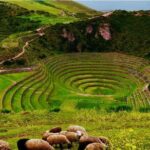
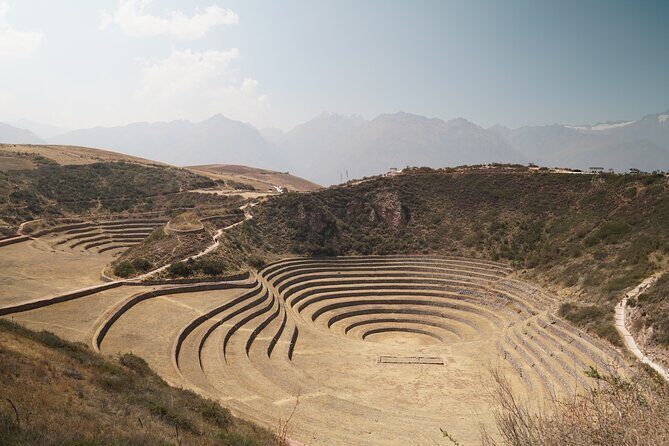
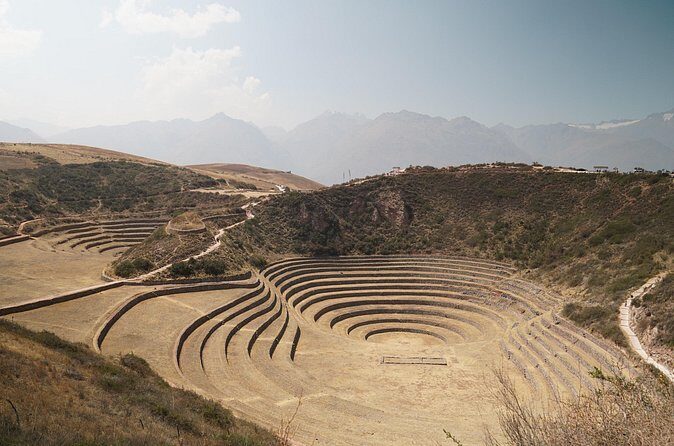
Moray is one of those stops that sounds like a “wow, terraces” moment—and then you learn it’s more than that. You’ll see circular Inca terraces that the guide explains as an agricultural laboratory. The idea is that different levels created different climate conditions, helping the Incas experiment with growing crops across microclimates.
That agricultural angle is exactly why Moray belongs on a Sacred Valley tour. It connects the beauty of the stone to the practicality of food production. You’re not just looking at architecture—you’re looking at an experiment built into a landscape.
You’ll likely have about an hour here. The itinerary also flags that admission for Moray isn’t included, even though the overall tour description says entrance tickets are included. Since that’s a mismatch on paper, I’d treat Moray as the stop to double-check when you confirm your booking.
If you like the science side of travel—how people used geography to solve real problems—Moray tends to land well.
Stop 5: Urubamba lunch—where the day slows down on purpose
At around 12:45 pm, you’ll have lunch in Urubamba, described as in the heart of the Sacred Valley. This is your reset point. The tour includes lunch, and it specifically notes vegetarian and vegan options.
I like lunch breaks on long sightseeing days because they stop the “constant movement” fatigue. You can eat, breathe, and then get back into the story mode for the afternoon stops.
One small thing: drinks at the restaurant aren’t included. That’s not unusual, but it’s good to know so you don’t feel surprised at the end.
If you’re traveling with altitude in mind, keep it reasonable. You don’t want a giant meal that leaves you heavy for the next stretch to Chinchero.
Stop 6: Chinchero weaving center—alpacas, llamas, and natural materials
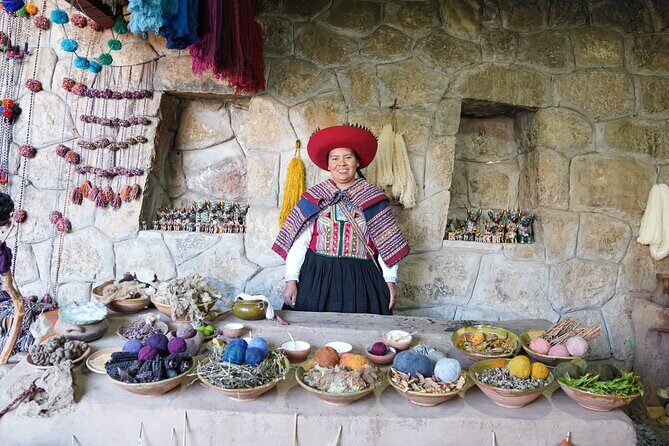
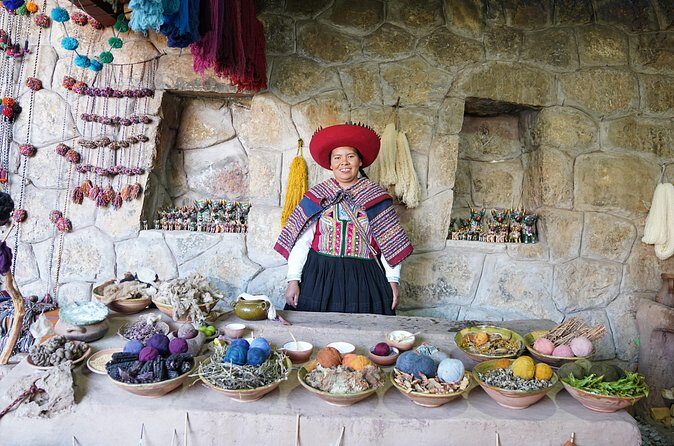
Chinchero is a culture stop that doesn’t feel like a lecture. You’ll arrive at a textile center where weaving traditions are kept alive, and the day includes time with the animals—alpacas and llamas—and the opportunity to feed them.
Then comes the weaving lesson. You’ll learn about weaving techniques and how natural inputs are used to make hand weavings. Even if you’re not shopping (and you don’t have to), watching the process is part of the value. You get context for what you might see later in markets around the region.
Time-wise, it’s about an hour. That’s just long enough to ask questions, see the steps, and understand what makes the textiles different. It’s not enough to become a textile expert, but that’s not the goal. The goal is to leave informed.
My advice: if you do want to buy something, go slowly and ask how the natural inputs are used and what the process steps are. A good guide can help you compare what’s being made and why.
Stop 7 and 8: Returning to Ollantaytambo or Cusco
Late afternoon is flexible. Around 15:45 pm, you can choose to be dropped at the train station in Ollantaytambo or return with the tour. Then around 17:30 pm, you’ll have another option: drop-off back in Ollantaytambo, Urubamba, Sacred Valley, or return to Cusco.
This part is more important than it looks. Many Sacred Valley days are “perfect sightseeing” but “messy logistics.” Here, you get a choice that matches how you’re structuring the rest of your trip.
If your next plan is Machu Picchu, dropping at Ollantaytambo can save time and reduce stress. If you’d rather be close to your hotel base, returning to Cusco keeps your evening simple.
Who this tour suits best (and who should look elsewhere)
This works best if you want a one-day Sacred Valley highlight set without the headaches. It’s ideal for:
- First-time visitors who want Maras and Moray plus the town feel of Ollantaytambo
- People who prefer a private guide to ask follow-up questions
- Travelers who like practical pacing: sites plus lunch, not just “photo-and-run” stops
It might be less ideal if:
- You hate early mornings and long drive days
- You want lots of free time to wander without a set schedule
- You’re very strict about costs and want zero ticket surprises (because Moray’s admission is flagged as not included in one spot on the itinerary details)
Should you book? My take
If your goal is a well-paced, private Sacred Valley day that hits the big names—Ollantaytambo, Maras, Moray, Chinchero, and lunch in Urubamba—this is a strong choice. The structure is practical, the stop order makes sense geographically, and the private format is a quality-of-life upgrade when you’re spending a full day in motion.
My “yes, book it” advice comes with two quick checks:
- Confirm your exact pickup location (Cusco vs Ollantaytambo/Urubamba area) and your drop-off preference.
- Double-check what’s covered for Moray admissions and plan for drinks at lunch.
If those two boxes are clean, you’ll get a day that feels like you actually understand the Sacred Valley, not just that you passed through it.
FAQ
How long is the Sacred Valley tour?
It runs about 11 hours on average.
What’s included in the price?
The tour includes hotel pickup and drop-off, a professional local tour guide, a private group tour, lunch in the Sacred Valley, transportation designed for comfort, Chinchero weaving center, Maras, Moray, and Ollantaytambo visits, and admission fees (as described in the tour inclusions).
Do you provide lunch, and are there vegetarian options?
Yes. Lunch is included in Urubamba and vegetarian and vegan options are available. Drinks at the restaurant are not included.
What language is the tour offered in?
The tour is offered in English.
Is the tour private?
Yes. It’s a private tour/activity, so only your group participates.
Can I choose where to be dropped off at the end of the tour?
Yes. You can choose to be dropped off near the Ollantaytambo train station or return to Cusco (and also options for drop-off back in Ollantaytambo, Urubamba, or Sacred Valley are listed).