REVIEW · CUSCO
5-Day Treasures of Cusco and Machupicchu
Book on Viator →Operated by Machupicchu Latin America · Bookable on Viator
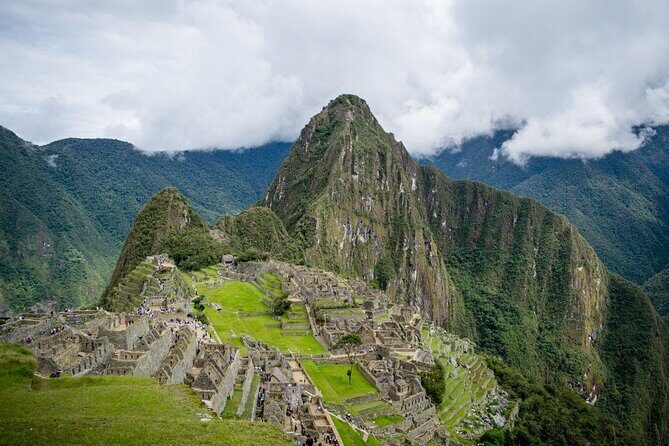
Machu Picchu feels like a movie set. This 5-day trip is built to get you there with small-group attention and entrance fees handled, so you spend less time chasing tickets and more time looking up.
I love that it rolls Cusco’s big Inca-and-colonial hits into one efficient day, with real time at each stop. I also like the day-by-day flow from Cusco into the Sacred Valley, then on to Aguas Calientes.
One thing to keep in mind: the itinerary includes 4 hotel nights, but hotel quality can vary by package class. One past guest flagged that their hotel didn’t match the four-star feel, so it’s worth confirming what you’re actually assigned.
In This Review
- Key things to know before you go
- Price and logistics: what the $799 really covers
- Day 1 in Cusco: Cathedral to Tambomachay, with the Inca-to-Catholic story
- Centro Histórico de Cusco and the Plaza de Armas
- Cusco Cathedral and Qorikancha: where building styles collide
- Sacsayhuaman: the monoliths that make your jaw drop
- Q’enqo, Puka Pukara, Tambomachay: shorter stops that add depth
- Day 2 in the Sacred Valley: Chinchero, Moray, and Maras Salt
- Chinchero: royal house ruins and textiles
- Moray: the experiment farm made of terraces
- Salinas de Maras: 3000+ artisanal wells with Inca roots
- Timing note: you’re back by early afternoon
- Day 3: animal rescue, Pisac market, and the train to Aguas Calientes
- Manos de la Comunidad: llamas, alpacas, and vicuñas
- Taray and the photo viewpoint
- Pisac: market time plus the Inca site
- Urubamba lunch and the long afternoon to Ollantaytambo
- Your evening is yours
- Machu Picchu Day: bus up, guided walk, then time to wander
- The bus ride and a guided walk of at least two hours
- Lunch is on your own
- Train back to Cusco with a smooth handoff
- The small-group touch: why max 15 can feel like more than a number
- Where you’ll get the most value (and where you might spend extra)
- What’s included that most DIY trips forget
- What you’ll likely pay for yourself
- A possible drawback: hotel expectations
- Who should book this Cusco and Machu Picchu plan
- Should you book it?
- FAQ
- What’s the duration of the tour?
- What’s the price per person?
- What’s included in the price?
- Are entrance fees included?
- Does the tour include airport transfer?
- Is Waynapicchu included?
- Are lunches included?
- Do I need to provide passport details before traveling?
- What happens if I need to cancel?
Key things to know before you go
- All entrance tickets included, including Machu Picchu, so you’re not doing surprise budgeting at each site
- Max 15 travelers, which helps your guide keep track of timing and questions
- Sacred Valley stops that explain how the Incas tested the land, like Moray’s micro-climates
- Train included from Ollantaytambo to Aguas Calientes, with scenery along the Vilcanota River route
- A guided Machu Picchu walk plus free time, not just a quick stop-and-go photo sprint
- Optional Waynapicchu is extra (requested in advance), so you can choose your own challenge level
Price and logistics: what the $799 really covers
At $799 per person for 5 days, the main value isn’t just that it’s affordable. It’s what they bundle together for you: 4 nights of hotel, professional guides, train tickets, and entrance fees (including Machu Picchu). In Peru, those categories are exactly what can blow up a DIY plan.
You also get airport transfers and guided touring across Cusco and the Sacred Valley. That matters because Cusco isn’t flat, and timing can get weird when you’re coordinating multiple locations (hotel pickups, bus rides, train schedules). This plan tries to keep the gears meshed, day after day.
What’s not included is where you should mentally plan ahead. Lunches are not included, and if you want Waynapicchu, the entrance fee is listed as US$65 and needs to be requested in advance. If you’re building flights around the tour, note that international travel and round-trip domestic flights are not included (the domestic estimate starts at $195 per person).
Also: this trip is listed as non-refundable and cannot be changed for any reason, so only book once your dates are truly locked.
You can also read our reviews of more tours and experiences in Cusco

Day 1 in Cusco: Cathedral to Tambomachay, with the Inca-to-Catholic story
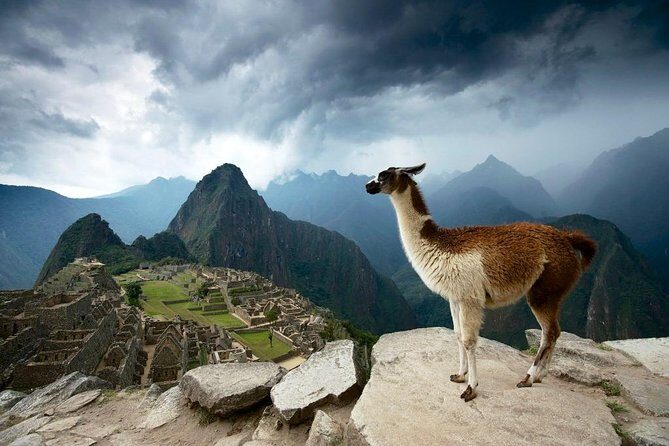
Cusco hits fast. Your day starts with an airport meet-up and transfer to your hotel, then you roll right into sightseeing without wasting hours figuring out transit.
Centro Histórico de Cusco and the Plaza de Armas
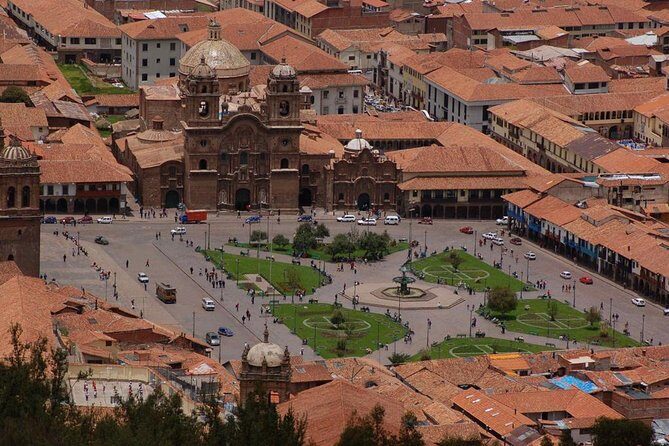
You’ll start in the Plaza de Armas, Cusco’s central square, with the Cusco Cathedral close by. This is the easiest way to get your bearings: you’ll see where the city’s power sits now, and you’ll feel the layering of eras as you move from the main square outward.
I like that the timing gives you a real afternoon block in town. You’re not arriving and immediately sprinting through everything at night.
Cusco Cathedral and Qorikancha: where building styles collide
Next comes the Cathedral area and then a walk to Qorikancha (Koricancha), the sacred Temple of the Sun. This stop works well because you can actually compare the logic of Inca stonework with the way Catholic structures were later built.
Qorikancha is especially worth it because it’s not only pretty. It’s explainable. You’ll learn how it functioned as a spiritual center—then you’ll look at what remains and notice the physical differences in how the cultures built, shaped, and repurposed space.
Sacsayhuaman: the monoliths that make your jaw drop
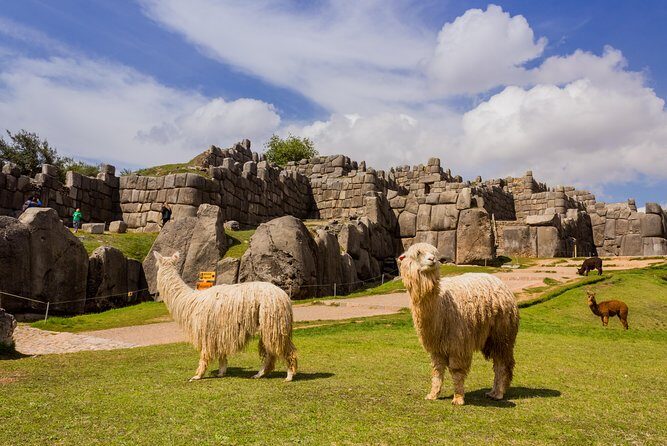
Then you drive out briefly to Sacsayhuaman, where the big story is the massive stonework. One detail that stands out: the monoliths are described as weighing up to 200 tons. Even if you don’t obsess over engineering, this is one of those places where you instantly feel why people call the Incas masters of precision.
If you like sites with dramatic “how did they do that?” energy, Sacsayhuaman is a strong anchor for the day.





Q’enqo, Puka Pukara, Tambomachay: shorter stops that add depth
The tour doesn’t only do the famous names. It adds the smaller stops that round out the Inca picture:
- Q’enqo: altars and carved features tied to ceremonial life
- Puka Pukara: a smaller circular Inca complex described as a check-point to enter Cusco
- Tambomachay: water fountains and a temple space thought to connect to bathing practices
These are shorter timing-wise, but they add a lot if your guide keeps the explanations tight. Think of them as your “Inca daily-life and ritual logic” course, not just more ruins.
Day 2 in the Sacred Valley: Chinchero, Moray, and Maras Salt
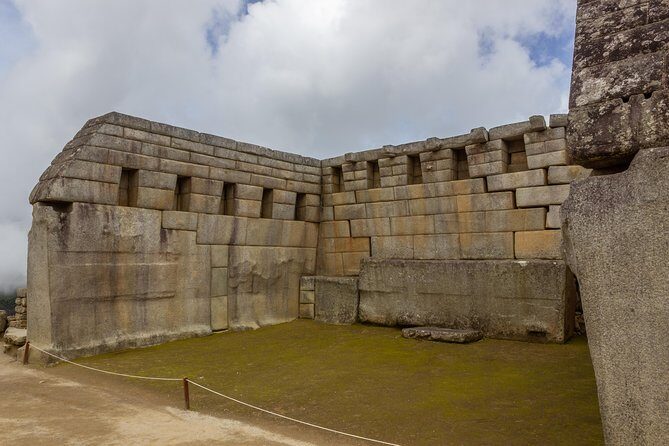
Day 2 is where the trip starts feeling like more than sightseeing. It becomes a tour of how the Incas read the environment.
Chinchero: royal house ruins and textiles
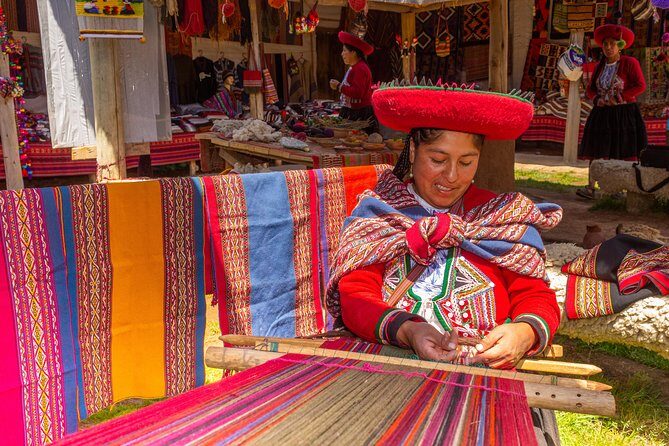
After breakfast, you head toward Chinchero. You’ll visit the Tupac Inca Yupanqui Royal House, where original Inca walls are still well preserved. The tour also offers a chance to interact with Chinchero women in traditional dress in a weaving/textile setting.
This stop is good if you want culture that’s not just behind glass. It’s also a nice pacing change from straight ruins.
Moray: the experiment farm made of terraces
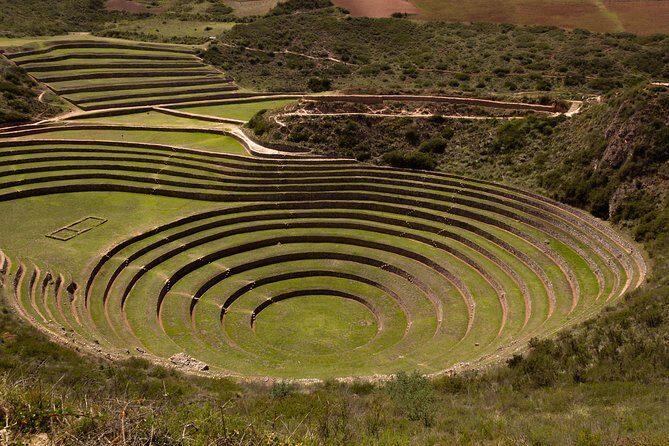
Next is Moray, described as an agricultural research system with concentric circular terraces. The key idea you’ll learn is that the terraces create micro-climates: higher terraces tend to be warmer, lower ones cooler. That’s a fascinating way to think about experimentation without lab equipment—using altitude and exposure instead.
Moray is often photographed, but it’s more satisfying when someone helps you interpret what you’re seeing. The way the terraces work is the whole point.
Salinas de Maras: 3000+ artisanal wells with Inca roots
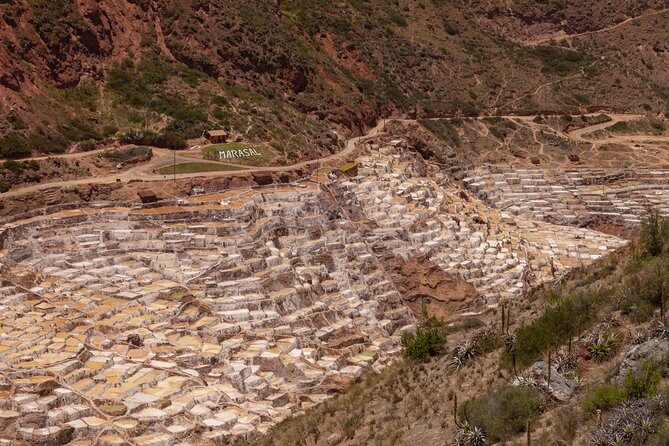
Then you drive to Salinas de Maras, the salt mines. You’ll be shown the many small wells—around 3000—and how salt was extracted in artisanal form and used as an important economic exchange resource.
I like this stop because it’s active and tactile. You’re not only looking at “what’s left.” You’re seeing something that still functions, using inherited technique.
Timing note: you’re back by early afternoon
You return to Cusco by around 13:30. That’s a good thing. Cusco altitude and walking wear on your legs, so having your afternoon back helps you reset.
Day 3: animal rescue, Pisac market, and the train to Aguas Calientes
This is the day that transitions you from Cusco and the Sacred Valley into the Machu Picchu world.
Manos de la Comunidad: llamas, alpacas, and vicuñas
You start early with pickup and a stop at Manos de la Comunidad, an animal rescue center. Here you can see llamas, alpacas, and vicuñas. Even if you’re not a “pet person,” animal-rescue places tend to be more meaningful when you pay attention and ask questions.
The timing is early, but it keeps the day moving efficiently.
Taray and the photo viewpoint
You then visit Taray, a lookout spot described as a must for classic Sacred Valley photos. This is one of those “quick, worthwhile, don’t miss it” stops—short, but useful for perspective before you hit the bigger sites.
Pisac: market time plus the Inca site
The tour continues to Pisac. You’ll stop for the market first, with a chance to buy souvenirs. Then you drive up to the Pisac Inca site, where you’ll learn about temples, residences, altars, channels, and agricultural methods.
One practical tip: markets can be fun, but keep your hands free later in the day. You’ll be moving from viewpoints into a longer travel stretch toward the train.
Urubamba lunch and the long afternoon to Ollantaytambo
Lunch happens in Urubamba, described as a buffet and not included. After lunch you head to Ollantaytambo, a major Inca site where Inca constructions and a rock formation representing the Inca god Wiracocha are highlighted.
Then comes the key transfer: you’re taken to the train station in Ollantaytambo and board for Aguas Calientes. The train ride is one of those quiet perks—especially because it’s described as letting you appreciate scenery along the Vilcanota River.
Your evening is yours
When you arrive in Aguas Calientes, a staff member helps you walk to your hotel. After check-in, your time is flexible. This matters because it gives your body a chance to adjust to the town pace before the Machu Picchu day.
Machu Picchu Day: bus up, guided walk, then time to wander
This is the day most people plan for, and the format here is smart: a guided introduction plus space to breathe.
The bus ride and a guided walk of at least two hours
After breakfast, you take the bus to Machu Picchu. Your guide leads a walking tour lasting at least two hours. That’s long enough to understand the layout and to notice details you’d easily miss on your own.
You’ll also have time to explore independently after the guided part. This is crucial. Machu Picchu is so visual that the “solo time” helps you process what you just learned.
Lunch is on your own
You’ll ride back down for lunch in Aguas Calientes, but lunch is not included. That’s normal in this kind of package, but plan for it so you don’t end up hunting while tired and hungry.
Train back to Cusco with a smooth handoff
After lunch and the return train, your representative meets you at Ollantaytambo and transfers you back to your Cusco hotel. Your evening target is around 18:30 arrival at the hotel.
If you’ve ever done the Machu Picchu grind with mixed tickets and multiple operators, you’ll appreciate this handoff approach. It reduces stress when you’re already running on adrenaline and altitude.
The small-group touch: why max 15 can feel like more than a number
The tour is set up for a maximum of 15 travelers, and you can feel that in how the days run.
Smaller groups usually mean:
- Your guide can keep names straight and questions answered
- Timing slips are easier to manage when you’re not herding dozens of people
- It’s easier to adjust micro-plans when the day gets busy
One of the most praised parts of this trip is that everything tends to work like clockwork, with guides and organizers staying on top of logistics. The tour operator is tied to Machupicchu Latin America, and past coordination has included people like Freddy and guides like Michael, which gives you a hint of the human side—prompt picks, clear answers, and real problem-solving when something doesn’t match perfectly.
Where you’ll get the most value (and where you might spend extra)
To judge value, look at the “included” vs “pay extra” balance.
What’s included that most DIY trips forget
- Entrance fees for the sites on the program
- Train tickets to and from Aguas Calientes timing
- Hotel nights (4 nights)
- Breakfast each day it’s listed (4 breakfasts total)
- Airport and train-station transfers
- Guides who handle the talking so you can just look and learn
That’s a lot you won’t want to price out at the last minute.
What you’ll likely pay for yourself
- Lunches (Urubamba and Aguas Calientes are not included)
- Waynapicchu climb ticket (US$65) if you want it
- Gratuity (optional)
- Single room supplement if you’re traveling solo (not included)
- Any drinks beyond what’s specifically included (a bottle of water is listed)
A possible drawback: hotel expectations
The itinerary includes hotel accommodation at your selected class, but one past guest criticized a hotel stay they felt was dirty and old and didn’t match a four-star expectation. Since hotel assignments can vary, check what class you’re buying and be ready to advocate politely if expectations don’t match reality.
Who should book this Cusco and Machu Picchu plan
This trip is a good match if you:
- Want guided explanations at Cusco, Sacred Valley, and Machu Picchu
- Prefer a small group over a big coach crowd
- Like the idea of entrance fees included and a train handled for you
- Want a classic route that covers the major sites without turning every day into a 12-hour sprint
It might not fit you as well if you:
- Are extremely hotel-sensitive and need a very specific property
- Want total freedom to change day-to-day plans on the fly
- Are counting on DIY-style flexibility, since the schedule is structured and tours can’t be changed once booked
Still, the program does mention flexibility to customize your itinerary, which is a nice signal if you want minor adjustments while keeping the big-ticket logistics locked in.
Should you book it?
If you want Machu Picchu without turning your vacation into a ticket spreadsheet, this is a strong option. The biggest reason to book is the bundle: hotel nights, guides, entrances, and the train are already covered. That’s exactly where DIY often gets messy.
I’d book this especially if you’re the kind of traveler who appreciates explanations at the sites—Cusco’s Inca-and-colonial layers, Sacred Valley’s “how the Incas experimented with altitude,” and then a guided Machu Picchu walk that’s long enough to matter.
Just do one prep step: confirm your hotel class and keep Waynapicchu in mind early, because it’s an advance-request add-on and costs extra.
FAQ
What’s the duration of the tour?
The experience runs for 5 days, covering Cusco, the Sacred Valley, and Machu Picchu.
What’s the price per person?
The listed price is $799.00 per person.
What’s included in the price?
Included items cover 4 nights of hotel accommodation (at your selected class), guided tours for Chinchero/Moray/Salt mines, Sacred Valley to Pisac and Ollantaytambo, Machu Picchu, train tickets, all admission tickets including Machu Picchu, a professional guide per itinerary, airport and station transfers, one bottle of water, and 4 breakfasts.
Are entrance fees included?
Yes. The tour includes all admission tickets, including Machu Picchu.
Does the tour include airport transfer?
Yes. You’re met at the airport on Day 1 with a name sign for transfer to your hotel, and on the return you’re transferred back to the airport based on your flight times.
Is Waynapicchu included?
No. Waynapicchu is not included. The entrance fee is listed as US$65 and needs to be requested in advance.
Are lunches included?
No. Lunch is not included, including lunch on the Machu Picchu day and lunch in Urubamba.
Do I need to provide passport details before traveling?
Yes. Passport name, number, expiry, and country are required at the time of booking, and you need a current valid passport on the day of travel.
What happens if I need to cancel?
The tour is non-refundable and cannot be changed for any reason, and the amount paid will not be refunded if you cancel or ask for an amendment.