REVIEW · CUSCO
Peru Itinerary Preparation
Book on Viator →Operated by MachuPicchu.Center · Bookable on Viator
Peru planning is usually a headache. This service turns it into email-and-phone work with a Peru travel expert, so you can map out the right route across Cusco and the rest of the country. Peru isn’t one climate. It’s three very different regions, plus altitude to respect, which is why a good plan matters.
What I like most is the unlimited revisions. You can keep adjusting until the itinerary fits your pace and budget, instead of settling for a generic route. I also appreciate how practical the support feels—real humans like Francisco step in to line up airport transfers, domestic flights, trains, buses, and even last-minute fixes, with helpers like Christian guiding you through Machu Picchu day logistics.
One possible drawback: this is itinerary preparation and coordination, not a “show up and be entertained” experience. If you want Machu Picchu and trains handled smoothly, you’ll need to share your timing details and stay responsive as your plans firm up.
In This Review
- Key points worth knowing before you plan Peru
- Why Peru needs more than a rough sketch
- How the expert planning actually works (and why it’s worth it)
- Cusco to Machu Picchu is the easy part. The logistics are not.
- Lima or Cusco airport pickup: where your trip gets stitched together
- What your overall Peru itinerary can include (and why this route works)
- Lima: ease into Peru, handle the first logistics
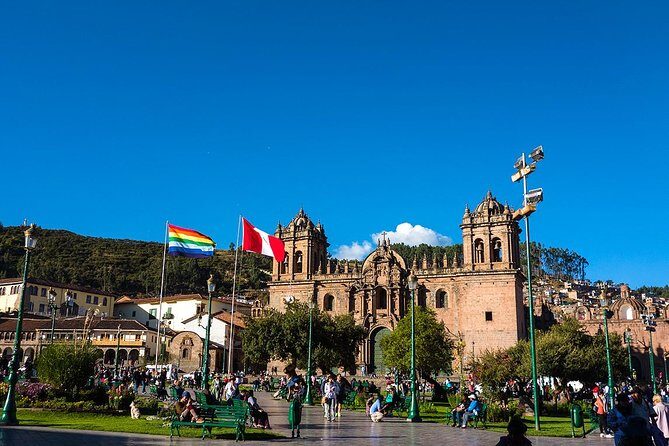
- Cusco: your altitude-aware base
- Sacred Valley: a gentler rhythm before the big day
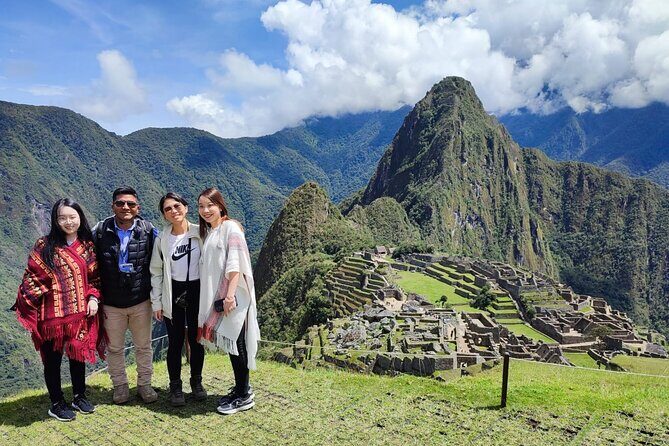
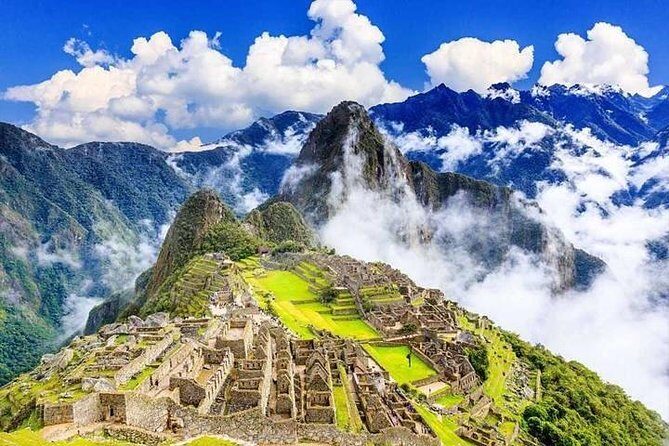
- Aguas Calientes and Machu Picchu: follow the schedule, not the stress
- Puno and Los Uros: the Lake Titicaca change of pace
- Arequipa: a strong finish point
- Support that feels like a safety net, not a brochure
- Price and value: what you’re really paying for
- Duration and how to think about timing
- Practical tips to get the best results from your planning session
- Share the details that affect altitude and pacing
- Tell them what you care about most (and what you don’t)
- Be responsive when changes appear
- Should you book this Peru itinerary preparation service?
- FAQ
- Where is this experience located?
- How do I start the itinerary planning, and is there pickup?
- What language is the service offered in?
- Is it private or shared?
- What if I need to change the itinerary?
- What is the cancellation policy?
- Should you book this Peru itinerary prep service?
Key points worth knowing before you plan Peru
- Altitudes and climate are built into the planning, so you’re not guessing your way through the Andes.
- Unlimited revisions until you’re satisfied, which is a big deal when your dates are tight.
- English-speaking coordination with confirmation at booking and a mobile ticket.
- Pickup starts at Lima or Cusco airport, depending on your schedule.
- Private group format means it’s only your group being handled.
- Strong problem-solving track record, including rapid help when travel disruptions hit.
Why Peru needs more than a rough sketch
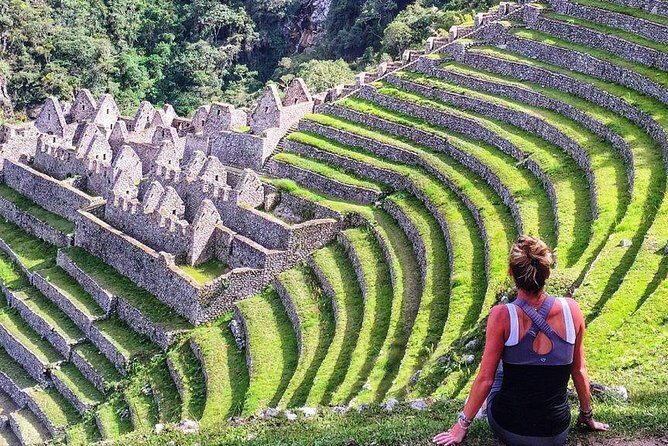
Peru can feel simple on the map. In real life, it’s a juggling act. Cusco sits high, and the surrounding areas can feel totally different from coastal Lima or the lake region around Puno. On top of that, altitude can turn a great day into a miserable one if your plan ignores it.
That’s why I like that this service starts with planning your entire route, not just one highlight. Your expert helps you build a trip that makes sense in three regions with opposite climates and takes altitude into account. You’re basically trading stress for structure.
And if you’re thinking of pairing Cusco with Machu Picchu, it’s smart to plan early. The published info says this is commonly booked about 43 days in advance, which matches the reality of popular routes—things sell out and schedules get tight.
You can also read our reviews of more tours and experiences in Cusco.



How the expert planning actually works (and why it’s worth it)
The core of this experience is the back-and-forth with a Peru travel expert. You correspond by email or phone to shape your itinerary. This matters because Peru isn’t a country where you can casually decide everything at the last minute and expect it to work out.
Here’s what you should expect the process to feel like:
- You talk through your travel goals (often Cusco and Machu Picchu are front and center).
- You get help constructing an order of operations across regions.
- You refine it until it fits your budget, timing, and comfort level.
The big selling point is that you get unlimited revisions until you’re satisfied. That’s not just a nice marketing line. It’s practical. If you’re traveling as a couple, with family, or with multiple people who want different things, a single draft itinerary rarely nails it the first time.
You also get the benefit of a coordinator who can handle the parts that tend to chew up your time:
- arranging tours, private tours, transfers
- coordinating guides and drivers
- lining up trains and buses where needed
- helping with hotels and the day-to-day logistics
In short: you spend your energy choosing your Peru, not managing the spreadsheet.
Cusco to Machu Picchu is the easy part. The logistics are not.
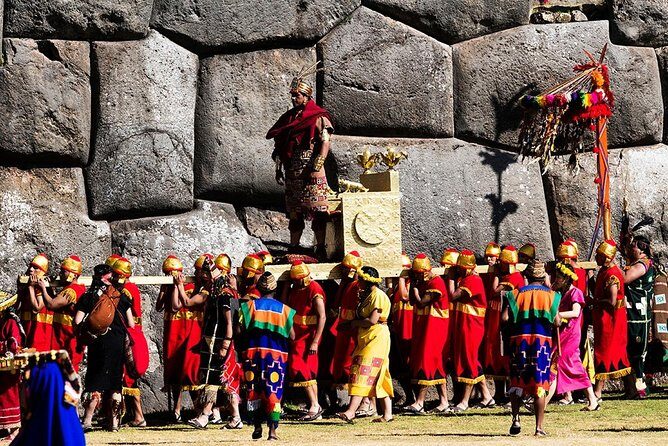
Cusco and Machu Picchu are the headline. But the day-to-day mechanics around them are what make or break your trip.
When planning is done well, you don’t just end up with a list of places. You end up with a sequence that protects your energy and reduces “where do we go next?” moments. A coordinated plan can help you think through how your days connect—especially once you include the Sacred Valley and the transit route toward Aguas Calientes.
One useful detail from the support style shared in firsthand experiences: there’s an emphasis on you not feeling stranded. The support team has been described as staying in contact and making sure you’re on the right train and picked up for onward connections. That’s exactly what you want when you’re juggling altitude, crowds, and the timing demands of Machu Picchu access.
Lima or Cusco airport pickup: where your trip gets stitched together
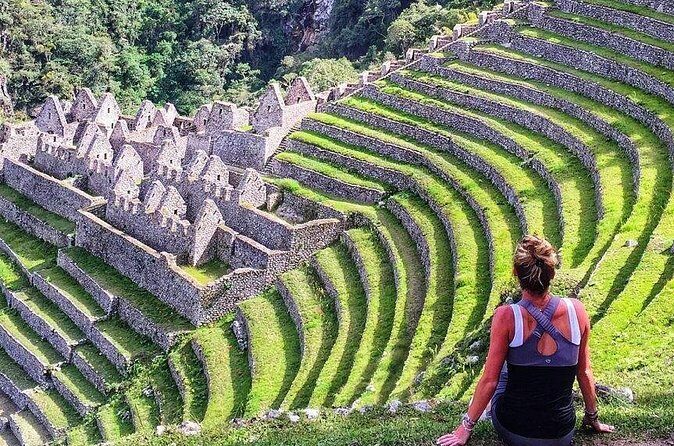
This itinerary preparation starts with pickup coordination at either Lima airport or Cusco airport (based on your itinerary). That’s important because your arrival city changes your first few days—and your acclimation plan.
The experience is also set up so that it ends back at the meeting point. In other words, it’s designed to connect the beginning and end of the planning/coordination flow around where you start.
Two other practical notes from the provided info:
- It runs Monday to Sunday, 12:00 AM to 11:30 PM, so you’re not stuck calling during a tiny window.
- The meeting area is described as near public transportation, which helps if you need an easy fallback option.
If you’re coming in from overseas, this kind of flexibility matters. Peru travel often involves shifting schedules, especially when flights change. A service that’s reachable at almost any time makes last-minute adjustments less scary.
What your overall Peru itinerary can include (and why this route works)

Even though this is an itinerary preparation service, the planning style you’re hiring is built around the classic Peru building blocks. On real trips they’ve coordinated, the route has covered places like Lima, Cusco, the Sacred Valley, Aguas Calientes, Machu Picchu, Puno, Los Uros, and Arequipa.
Here’s how those pieces typically fit together—and what each one adds:






Lima: ease into Peru, handle the first logistics
Lima often works as a starting point because you can get your bearings and sort out your internal flights or next steps. It’s also where you can recover from jet lag before heading up to the Andes.
If your plan includes Lima, a coordinator can help you avoid common pain points like mismatched transfer times and unclear handoffs between airport and hotel.
Cusco: your altitude-aware base
Cusco is where planning needs to be smart. The good advice here is simple: don’t assume your body will adapt on autopilot. Your expert specifically considers altitude and can answer questions about altitude sickness, not just sightseeing.
This is one of the biggest reasons I’d pay for planning instead of winging it. Cusco is stunning, but it’s also a place where the wrong pacing can ruin your days.
Sacred Valley: a gentler rhythm before the big day
The Sacred Valley often works like a “transition zone.” You can see important Inca-era areas without going from sea-level to Machu Picchu-level intensity in one snap.
If your itinerary is built with the Sacred Valley in mind, you’re more likely to feel prepared on Machu Picchu day. It’s also the area where private tours and guide timing can make a big difference.
Aguas Calientes and Machu Picchu: follow the schedule, not the stress
Aguas Calientes is the practical hub for Machu Picchu. This is where trains and buses become part of your day’s rhythm. When everything is coordinated, you don’t waste precious time figuring out where to stand, who you’re meeting, and what time you need to be ready.
In firsthand experiences, a guide named Christian is mentioned for high-touch help on Machu Picchu day logistics—things like navigating the ruins and getting luggage in tow to the train station. That kind of guidance is a big deal because it removes uncertainty when your brain is already working overtime.
Puno and Los Uros: the Lake Titicaca change of pace
Adding Puno (and Los Uros) shifts your trip from mountain stone to lake life. It can also help balance the nonstop “Andes mode” feeling that some people get after a few days in higher elevations.
A coordinator helps keep transit and timing tight so you’re not losing whole days to confusion or waiting around.
Arequipa: a strong finish point
Arequipa is another common end point in Peru itineraries. It gives you a different flavor of Peru before you head home.
It’s also useful as a strategy for disruption planning. One example shared: when a travel disruption hit (a closure at Juliaca Airport), Francisco helped reroute flights out of Arequipa. That’s the kind of contingency muscle that’s hard to DIY, especially when you’re dealing with unfamiliar airports and changing options.
Support that feels like a safety net, not a brochure

Here’s what makes this kind of service feel real: when things don’t go to plan, you still have a person working the problem.
In the experiences shared, Francisco and the team provided help beyond the original plan. That included:
- arranging airport transfers, drivers, and guides
- lining up hotels and tours
- making last-minute booking adjustments
- staying in touch so you know what happens next
You’ll also see a strong emphasis on comfort. People asked about altitude sickness, COVID restrictions, vegetarian options, and hotel/restaurant suggestions. That’s not “tourist fluff.” That’s the stuff that affects whether your vacation feels smooth or stressful.
If you travel with a group, this matters even more. The service is private and only your group participates. The published info also says group size can be up to 15. That’s a sweet spot for families and friends—big enough to feel social, small enough to keep coordination manageable.
Price and value: what you’re really paying for
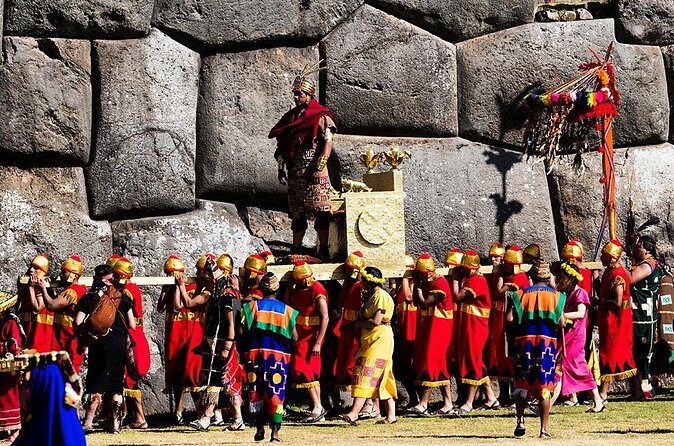
The published price is $5.13 per group (up to 15). That number is almost too low to process, so I treat it as a sign to check exactly what the pricing is capturing on your booking page.
Either way, the value logic is clear: planning and coordination in Peru can eat hours—especially when you include trains, buses, and ticketed entries like Machu Picchu. If this service saves you from:
- conflicting schedules
- unclear meeting times
- wasted days hunting down reservations
- stress spirals when flight plans change
…then even a small upfront cost can pay for itself fast.
Also note that you’re booking an experience that includes an expert, unlimited revisions, and mobile access (a mobile ticket). That’s different from paying for a one-time consultation where you still do the rest yourself.
Duration and how to think about timing
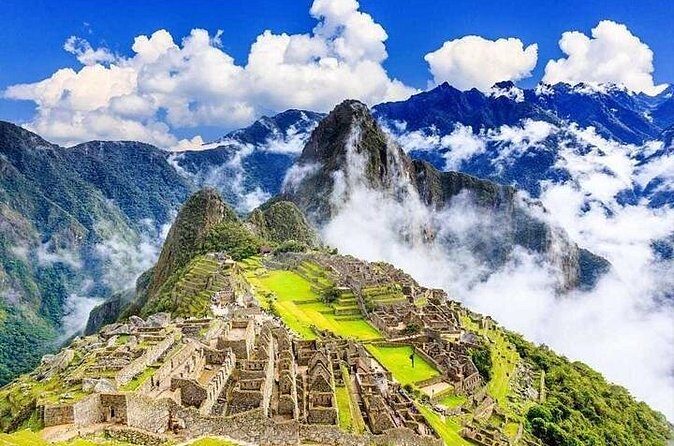
The experience duration is listed as 3 days 2 hours (approx.). Since this is itinerary preparation and coordination, don’t think of it like a single fixed walking tour window. Think of it as a planning and arrangement service that supports your trip around your dates.
The operating hours are very broad (12:00 AM to 11:30 PM daily). That implies you can get help without waiting for business hours—useful if you’re managing time differences, or if Peru logistics need quick answers.
One small consideration: if you’re traveling at peak times, you should still plan for your own side to move fast too. A good coordinator can’t finalize everything without your input.
Practical tips to get the best results from your planning session
If you want this service to work at full speed, do these things early and clearly.
Share the details that affect altitude and pacing
Your expert considers altitude and climate differences. Help them by sharing:
- your travel dates
- how quickly you want to move
- any concerns about altitude sickness
- your preferences for day trips vs. slower days
Even small answers help shape the route order.
Tell them what you care about most (and what you don’t)
Some people want every Inca site. Others want fewer stops with more time to breathe. If you’re vegetarian or have dietary needs, it helps to say that up front—support has been offered for vegetarian options.
Be responsive when changes appear
Peru travel can change quickly. If a flight changes or an airport issue pops up, you’ll want to reply fast so the team can adjust your plan.
In real situations, Francisco helped arrange alternative routes when the situation shifted. The faster you respond, the smoother your new plan tends to feel.
Should you book this Peru itinerary preparation service?
Yes, if you want Cusco and the broader Peru route to feel organized, not improvised. The biggest reasons I’d book are unlimited revisions, English-speaking coordination, and real support when logistics get messy. If you’re planning a trip that includes Machu Picchu, Sacred Valley, and multiple regions, this is the kind of help that can turn stress into a straight path.
Skip it only if you truly enjoy building your own itinerary from scratch and you’re comfortable handling trains, ticketed entries, transfers, and contingency changes on your own.
If your goal is a clean, confidence-building plan for Peru, this service is built for exactly that.
FAQ
Where is this experience located?
It’s listed for Cusco, Peru.
How do I start the itinerary planning, and is there pickup?
Your itinerary starts with pickup coordination at either Lima airport or Cusco airport. The experience also ends back at the meeting point.
What language is the service offered in?
The planning and support are offered in English.
Is it private or shared?
It’s a private tour/activity, so only your group participates. The group size can be up to 15.
What if I need to change the itinerary?
You can request unlimited revisions until you’re satisfied.
What is the cancellation policy?
You can cancel for free up to 24 hours in advance for a full refund. Changes made less than 24 hours before the start time aren’t accepted, and cancellations within 24 hours aren’t refunded.
Should you book this Peru itinerary prep service?
If Peru planning feels like a full-time job, book it. The combination of expert help, unlimited revisions, and real logistics support (including help when disruptions happen) is exactly what most people need for an altitude-aware, multi-region trip. If you prefer total DIY control and you’re comfortable managing trains, tickets, and last-minute changes yourself, then you might be fine without it.