REVIEW · CUSCO
Inca Jungle Trail 4 Days to Machu Picchu with Sky Lodge Dome
Book on Viator →Operated by Quechuas Expeditions · Bookable on Viator
Early morning. Then you fly downhill.
This Inca Jungle Trail run to Machu Picchu mixes adrenaline with real Andean rhythm, not just a hike to check off. I like that it’s smaller (max 16), so you’re not swallowed by a crowd, and I also like the practical way it builds in big views and recovery breaks. The itinerary pushes you off the usual path in stages, ending at Machu Picchu with a guided tour you can actually follow.
My second favorite thing is the mix of activities that keep your days from feeling like one long slog: biking from Abra Málaga, walking sections, and included rafting and zip-line gear during the jungle portion. Add to that the included Machu Picchu entrance fee plus the train/bus return, and you’re not constantly solving logistics mid-trip.
One drawback to consider: this is active. You start around 5:00 am, and you’ll deal with steep sections and cool temperatures, so you need solid moderate fitness (not just good intentions).
In This Review
- Key highlights at a glance
- Why this route feels different from a standard Machu Picchu trek
- Sacred Valley pickup and Abra Málaga: the bike day that sets the tone
- Huamanmarca and Santa María: action, then recovery
- Santa Rosa hammocks, coca plantations, and the steep Inca Trail descent
- Colcamayo hot springs: the best kind of reward
- Jungle action with rafting and zip-line gear
- Colpani viewpoints to Aguas Calientes: moving toward Machu Picchu Base Town
- Machu Picchu before sunrise: the one-hour Inca staircase climb
- Coming down and returning to Cusco: train to Ollantaytambo
- Price and value at $599: what you’re really getting
- What to pack: cold mornings, rain, hot springs, and a proper sleep system
- Who this 4-day Inca Jungle Trail suits best (and who should think twice)
- Should you book it?
- FAQ
- How long is the Inca Jungle Trail 4 days to Machu Picchu?
- What time is the pickup in Cusco?
- What activities are included besides hiking to Machu Picchu?
- What lodging is included?
- Are meals included?
- Is Machu Picchu entrance included?
- How do you get back to Cusco after Machu Picchu?
- What group size should I expect?
- What is the cancellation/refund policy?
- What language is the tour conducted in?
Key highlights at a glance
- Abra Málaga bike start (4,316 m) with gloves and helmet included, plus a short guide briefing before you roll
- Indigenous coffee and Santa Rosa hammocks, with coca plantations and monkey sightings
- Colcamayo hot springs for muscle recovery after a steep descent
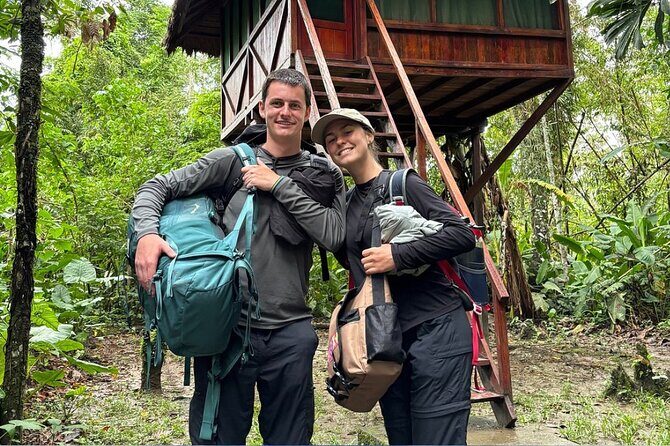
- Sky Lodge Dome night at Loreto la Playa, plus hotels with private shower and bathroom
- Machu Picchu sunrise climb with a 2-hour guided tour and options for Huayna Picchu or Machu Picchu Mountain
- Small group max 16 with a professional English-speaking guide and tight coordination
Why this route feels different from a standard Machu Picchu trek
If you’ve done mountain treks before, you know the pattern: long walking, one big viewpoint, then more walking. This one is built like a day-by-day action plan. You start in the Sacred Valley and work your way toward Machu Picchu through a string of jungle-style experiences—some scenic, some physical, some pure relief.
I also like how the day structure gives you natural breaks. After the adrenaline of the biking start, you get food and a change of pace. Later you’re rewarded with hot springs, hammocks, and a proper night stop before Machu Picchu. It’s not a gentle stroll, but it’s paced like a real human plan.
Finally, the small group size matters. When you’re in a group of up to 16, you get clearer timing and more personal attention from the guide—especially when temperatures drop or the route gets tricky.
You can also read our reviews of more tours and experiences in Cusco


Sacred Valley pickup and Abra Málaga: the bike day that sets the tone
Your day starts early: pickup is around 5:00 am in Cusco, and you’ll be driven through the Sacred Valley. Then you’re taken up to Abra Málaga (4,316 m), the high point of the trail. This matters because the biking afterward is the payoff. You’re not grinding uphill all day—you’re earning the downhill.
At Abra Málaga, you switch into your bike and biking kit. Gloves and a helmet are provided, and you get a ~20-minute briefing from your guide. That briefing is worth paying attention to. You’ll be moving fast down quiet roads that are still challenging, and the guide’s instructions help you stay comfortable and safe while you enjoy the ride.
Then comes the part you’ll remember: freewheeling down through changing scenery until you reach a picnic lunch stop at Alfamayo San Luis about three hours after starting. The lunch is paired with panoramic views, so you’re not just eating—you’re taking in the altitude shift and the terrain change that makes this route feel like more than a normal transfer.
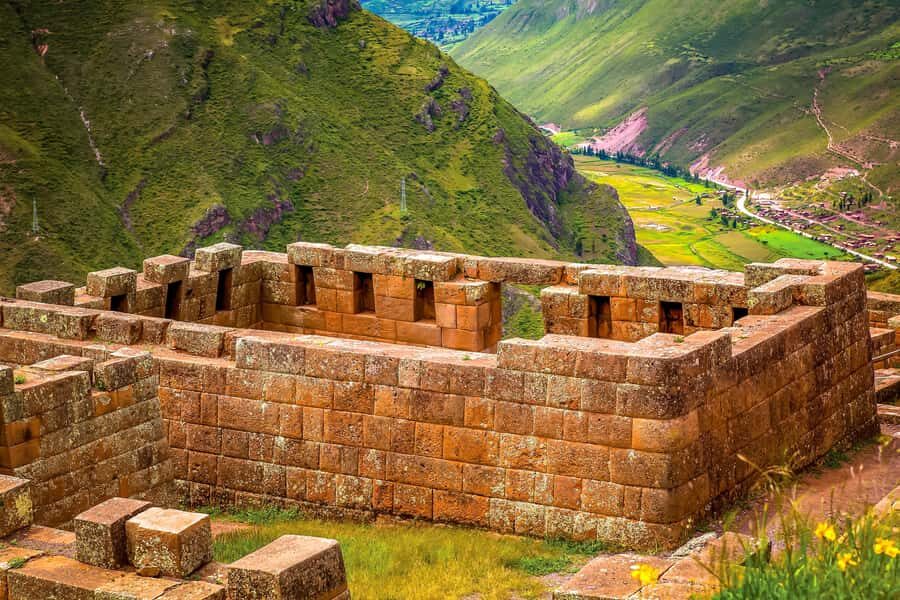
From there, you change again and move onward and downward toward the Huamanmarca Inca site, then continue to Santa María for the overnight.
Practical note: go easy on the first stretch. The altitude and early wake-up can make your legs feel heavier than you expect. A smooth start makes the rest of the day more fun.
Huamanmarca and Santa María: action, then recovery
After the bike day, the transition matters. You’re headed toward the Huamanmarca Inca site, and then you continue on to Santa María for your first night. This is the part of the trip where your body finally catches up with the plan.
What I appreciate is that the route doesn’t cram Machu Picchu-level effort into every single day. The biking is intense, but your next stops are designed to shift you into walking and exploring, not nonstop scrambling.
You’ll also be glad to have time to freshen up before the next morning. This tour includes hotel nights with private shower and bathroom, which is a real quality-of-life upgrade when you’re active and sweating.
Santa Rosa hammocks, coca plantations, and the steep Inca Trail descent
Day 2 starts around 6:30 am with indigenous coffee. Even if you’re not a coffee fanatic, it’s a good rhythm cue: warm drink, low-pressure start, then you move.
You begin walking, and it gets steeper as you go. The payoff is stopping at a family restaurant in Santa Rosa, where you can relax in hammocks and admire coca plantations. This is also where the fun surprises show up—there are monkeys around, and you may get entertained by their presence while you enjoy refreshments.
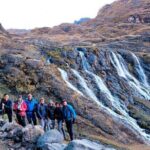
After that, you reach a traditional Inca Trail section that winds around slopes and drops for about half a mile. Then the descent continues for just over two hours until you arrive at Qellomayo for lunch. This is a long stretch on purpose: it gets you moving away from the higher areas and down toward the hot springs.
Colcamayo hot springs: the best kind of reward
From Qellomayo, you walk beside the Rio Vilcanota until you reach the hot springs of Colcamayo. This is one of the most practical inclusions on the whole trip, not just a nice extra.
Soaking in the hot springs helps your muscles after a steep descent. It also gives you mental downtime, which you’ll need because the rest of the day continues toward Santa Teresa and then onward to Loreto la Playa for the Sky Lodge Dome stay.
Bring your bathing suit (the tour information explicitly flags hot springs). Also consider packing a towel you’re comfortable using in wet, muddy conditions—one helpful tip is to bring a quick-dry towel since a lodging stop may not supply one.




Jungle action with rafting and zip-line gear
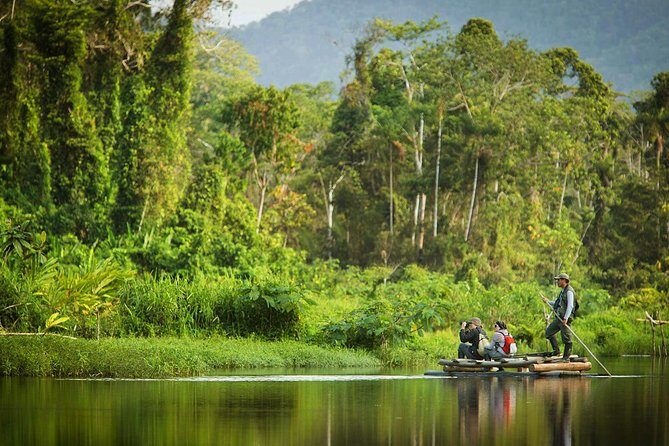
The included gear list is what sells the “Inca Jungle” part of this tour. You have equipment for rafting (boat/paddle/helmet/wetsuit) and zip lining. While the exact sequence can vary by day flow, you should expect real jungle-adventure time once you transition into Santa Teresa and the Loreto la Playa area.
This is a good match for people who want Machu Picchu but don’t want the trek to be only footsteps on a trail. The rafting and zip line give you different body loads than hiking does, so you feel like you did multiple activities—not one long march.
If you get even slightly nervous around water sports, that’s normal. The good news is you’re outfitted with wetsuit and helmet gear, and you’re traveling with a professional guide coordinating the day.
Colpani viewpoints to Aguas Calientes: moving toward Machu Picchu Base Town
Day 3 begins with breakfast around 7:00 am. Then you walk to Colpani, where you get amazing views along the way. Like the biking day, the walking here is staged so you’re not just moving—you’re moving toward a view payoff, then toward lunch.
You reach a restaurant area for lunch at Hidroelectrica. After lunch, the walking becomes a more direct route: roughly two and a half hours to Aguas Calientes, the base town for Machu Picchu.
Dinner is included at a local restaurant, and then you sleep in your hotel with hot water and a private bathroom. That last part matters more than you’d think. Cold mornings are coming on Day 4, and having a proper shower and private bathroom helps you wake up ready instead of cranky.
Machu Picchu before sunrise: the one-hour Inca staircase climb
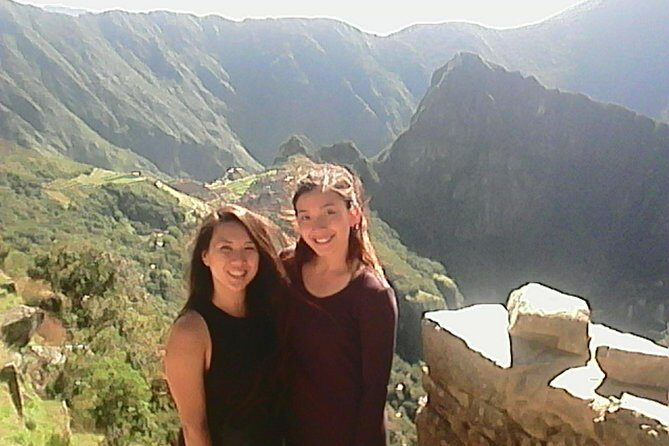
Day 4 is where the whole route cashes its check. The climb to Machu Picchu begins before the sun is up, and you ascend step by step for about an hour up the Inca staircase.
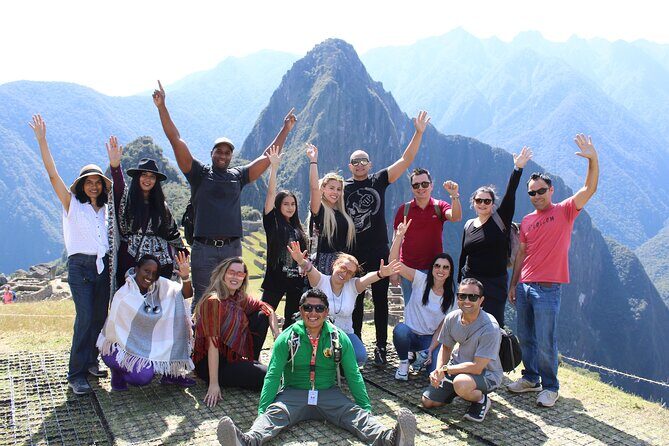
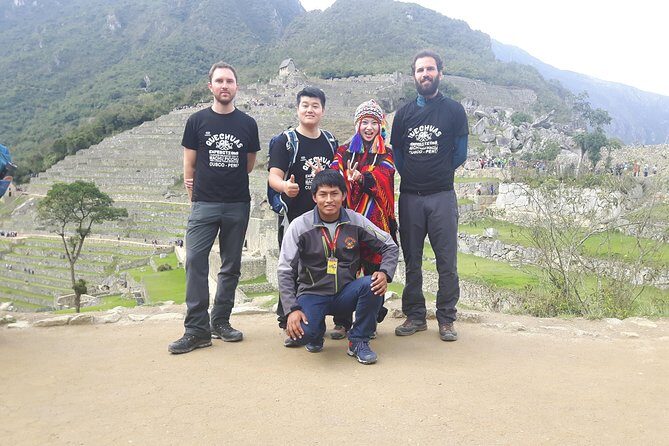
Then you get a 2-hour guided tour of Machu Picchu. It’s a guided experience designed to help you connect the ruins to how the Incas lived and built—so you’re not staring at stones and guessing. This is also where the guide personality shows. Two named guides in the experience are Carlos Tisock and Fernando, both praised for professional, attentive pacing and clear cultural explanations.
After the guided tour, you have options: you can climb Huayna Picchu or Machu Picchu Mountain if you want a longer, steeper add-on. Either way, you’ll have time to explore and grab photos before heading back down.
Coming down and returning to Cusco: train to Ollantaytambo
Once you descend back to Aguas Calientes, you don’t just sit and wait. The included transportation takes you from Aguas Calientes back to Ollantaytambo by train, then you ride by bus back to Cusco. This is a big value factor because it removes the most annoying part of the Machu Picchu logistics chain: the timed connections.
Plan for a tired-but-happy finish. Day 4 is your high point, but the travel back is still real time on the clock.
Price and value at $599: what you’re really getting
At $599 per person, this isn’t a budget trek. But it also isn’t a barebones one. The pricing makes more sense when you break it into what’s included:
- Transfers from Cusco to the biking start
- Biking gear (helmet and gloves)
- Rafting equipment (including wetsuit and helmet)
- Zip-line equipment
- 1 night Sky Lodge Dome plus 2 hotel nights with private shower and bathroom
- Most meals (with breakfast day 1 and lunch day 4 not included)
- Train back to Ollantaytambo and bus to Cusco
- Machu Picchu entrance fee
- A professional English-speaking guide
- Smaller group size (max 16)
For me, the value is the mix: you’re paying for coordinated transport, multiple activity platforms, lodging with private bathrooms, and the required Machu Picchu entry. If you were to piece these things together yourself, the schedule risk and logistics stress would likely cost you time and money.
One timing note: this trip is typically booked around 9 days in advance. I’d still aim earlier if you can, especially for popular travel weeks.
What to pack: cold mornings, rain, hot springs, and a proper sleep system
The packing guidance is very specific, and I’m glad it is. Even if you travel lightly, don’t treat this as a warm-weather trek.
Key items you should plan on bringing:
- A rain poncho or rain jacket
- Wind/rain pants (Gore-tex or similar)
- A poly/fleece wind stopper jacket and light layers (thermal swings happen)
- Gloves, a wool or fleece hat, and a sunhat
- A headlamp (or torch) for early starts
- Insect repellent (you’ll use it on the bike-to-walk transition)
- Bathing suit for both hot spring stops
- A sleeping bag rated to -11 C / 12 F (the included gear list points to cold-night expectations)
Also pack a good day backpack, sunscreen, UV sunglasses, and a water bottle. The route starts early, and you’ll be out enough that hydration and sun protection are not optional.
One more practical tip: bring a quick-dry towel if you have one. It’s a small item that saves hassle when you’re moving between lodges and using hot springs.
Who this 4-day Inca Jungle Trail suits best (and who should think twice)
This tour is best for you if:
- You have moderate physical fitness
- You want variety: biking, walking, hot springs, and jungle adventure time
- You care about comfort at night (private showers and bathrooms matter here)
- You want Machu Picchu with a real guide, not just a self-paced ticket
It may be a tough fit if:
- You don’t handle steep descents well
- You get wiped out by early mornings and step climbing
- You prefer low-effort travel (this is active travel)
If you’re unsure, think about this: the itinerary includes biking from high altitude, a steep descent on Day 2, and a pre-sunrise Machu Picchu climb. Those are the three anchors. Match your comfort level to them.
Should you book it?
I’d book this if you want the classic Machu Picchu payoff without a plain, repetitive trek. The biggest reason to choose this route is the balance: adrenaline activities, scenic stops, and recovery moments like Colcamayo hot springs, all ending with a guided Machu Picchu morning.
Skip it if you only want a relaxed nature walk or if your fitness level is closer to casual sightseeing. This is for active travelers who like a plan with clear pacing.
If you do book, do it with two things in mind: pack for rain and cold mornings, and take the guide seriously during the biking and the early-day timing. It’s the difference between feeling stressed and feeling in control.
FAQ
How long is the Inca Jungle Trail 4 days to Machu Picchu?
It runs for 4 days (approx.).
What time is the pickup in Cusco?
Pickup starts at approximately 5:00 am.
What activities are included besides hiking to Machu Picchu?
You’ll have biking, and during the jungle portion you’ll have included equipment for rafting and zip lining.
What lodging is included?
The tour includes 1 night Sky Lodge Dome and 2 nights in hotels with private shower and bathroom.
Are meals included?
Breakfast on day 1 and lunch on day 4 are not included. Other meals are included during the trip.
Is Machu Picchu entrance included?
Yes, Machu Picchu entrance fee is included.
How do you get back to Cusco after Machu Picchu?
You take the train from Aguas Calientes to Ollantaytambo, then a bus back to Cusco.
What group size should I expect?
The group is limited to a maximum of 16 travelers.
What is the cancellation/refund policy?
The experience is non-refundable and cannot be changed for any reason.
What language is the tour conducted in?
The tour is offered in English.
If you tell me your fitness level and whether you’re interested in Huayna Picchu, I can help you sanity-check if this route matches your style.