REVIEW · CUSCO
Excursion to Waqrapukara Archaeological Site from Cusco
Book on Viator →Operated by MachuPicchu Journey · Bookable on Viator
Waqrapukara means an early, high-altitude day. This full-day trip from Cusco mixes a 4:00 am pickup with an active walk up to the Waqrapukara archaeological site, plus guided visits to Intipunku, the main plaza, and cave paintings tied to flame imagery. I like the small-group setup (max 15), which keeps the experience more personal and less chaotic. I also like that you get real support for the effort: an air-conditioned vehicle, a tour guide, breakfast and lunch, and even walk sticks. One thing to consider is that the day is demanding at altitude and the logistics can stretch longer than you expect, so plan for a long sit in the van and bring extra water and snacks.
You’ll start with a drive south from Cusco, break around Pomacanchi lagoon, and reach Sangarará for breakfast before the hike begins from the Rinconada community. Then you’ll explore Waqrapukara’s key features on foot and return for lunch and the ride back to Cusco. The tour is offered in English and uses a mobile ticket, so you’re not juggling paperwork at dawn.
In This Review
- Key Things I’d Watch for on This Trip
- Cusco to Waqrapukara: the 4am start and long-drive reality
- Pomacanchi lagoon and Sangarará breakfast: setting the tone before the hike
- The Rinconada walk: where altitude, pacing, and scenery meet
- Entering Waqrapukara: Intipunku, the main square, and Wiracocha enclosures
- Food, water, and oxygen: the included essentials vs what to bring
- Price and logistics: what you’re really paying for
- English-guided and small-group hiking: who this fits best
- Should you book the Cusco to Waqrapukara day trip?
- FAQ
- FAQ
- What time is pickup from Cusco for the Waqrapukara excursion?
- How long does the Waqrapukara tour take?
- Is the tour guide available in English?
- What meals are included, and is dinner included?
- Are entrance fees included for Waqrapukara?
- Does the tour include oxygen assistance?
- Is there walking and a minimum fitness level required?
- What happens if the tour is canceled due to weather?
Key Things I’d Watch for on This Trip
- Small group (max 15): easier pacing, fewer bottlenecks on the walk, and more time to ask questions.
- Early start from Cusco (4:00 am): you beat crowds, but you need sleep and an acclimatization plan.
- Pomacanchi lagoon stop: a quick nature break that helps break up the long drive.
- The hike to Waqrapukara: you’re walking through the region’s flora and fauna before reaching the citadel.
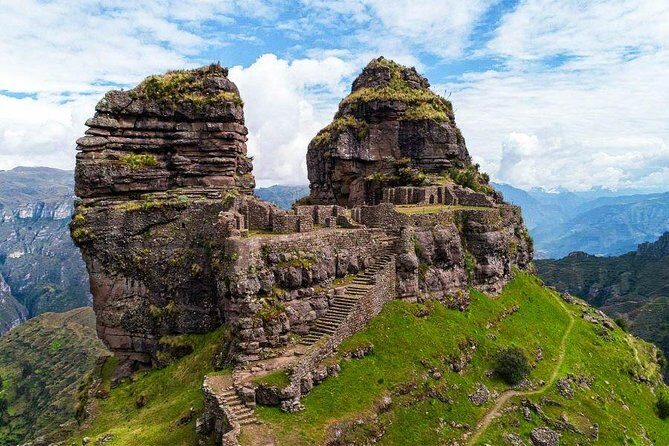
- What you actually see at the site: Intipunku (Puerta del Sol), the main square, Torreones, Wiracocha enclosure, and cave paintings.
- Budget value with one caveat: the price is low for a full-day outing, but entrance fees in soles and water support can be inconsistent—bring extras.
Cusco to Waqrapukara: the 4am start and long-drive reality
This is a full-day outing that starts early enough to feel like you’re doing it on “Cuzco time” rather than normal time. Pickup is from your hotel around 4:00 am, and you head south immediately. Expect the day to be longer than you might guess from “12 hours approx.” on paper, because the route includes a few stops and a slow, altitude-aware hiking pace.
The vehicle is air-conditioned, which matters a lot at that hour and on a long ride. One practical point: at this kind of early departure, even small delays can mess with your energy. If you’re sensitive to timing, I’d aim to be ready at your pickup spot right when they should arrive, not 10 minutes later.
For value, the price—$51.69 per person—is hard to beat for a guided, full-day trip with breakfast, lunch, and an air-conditioned transfer. But keep your budget “flexible” for what’s not always clear in advance: entrance costs and on-the-ground water support. Dinner isn’t included, so plan to eat once you’re back in Cusco.
You can also read our reviews of more tours and experiences in Cusco.



Pomacanchi lagoon and Sangarará breakfast: setting the tone before the hike
Right after pickup, you’ll make a stop to appreciate Pomacanchi lagoon. It’s not a long detour, but it’s a useful one. It gets you a view break, helps wake you up, and gives you a moment to take in the higher-altitude environment before you start moving more seriously.
Next you arrive at Sangarará, where breakfast is served. This is a smart part of the day: you’re fueling up before the walk ramps from “easy touring” into “real effort.” After breakfast, you continue to the Rinconada community, which is where the walking begins toward Waqrapukara.
A small detail that can matter: one of the early segments is noted as free admission, but the site entry portion is handled differently (and entrance fees can show up as an extra cost in soles depending on the day). Keep that in mind so you’re not caught off guard when you reach the main archaeological area.
The Rinconada walk: where altitude, pacing, and scenery meet
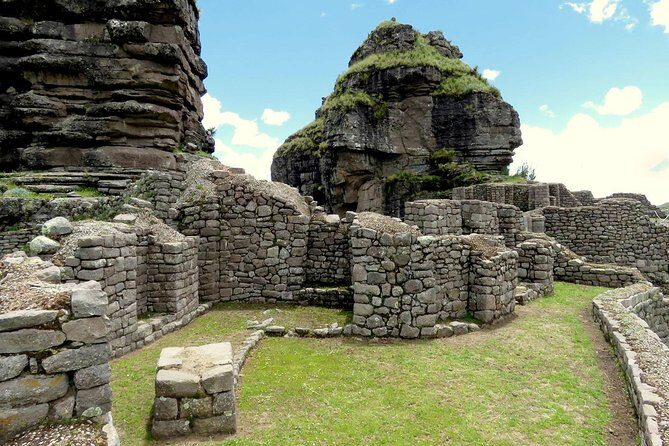
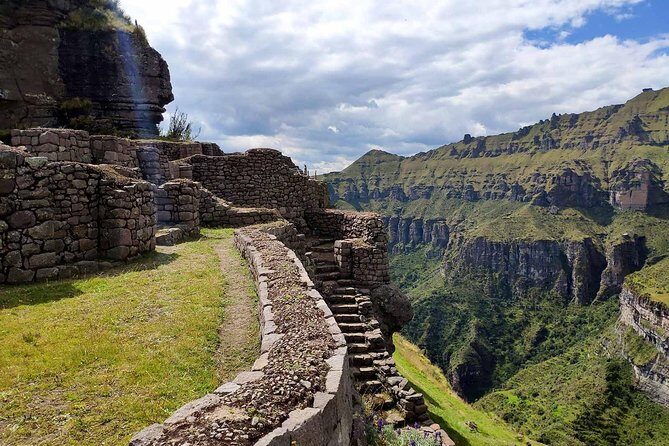
Once you start the walk, the trip becomes all about rhythm. You’ll walk to Waqrapukara while taking in the area’s flora and typical fauna, which helps break up the monotony of a long climb. It also gives you something to focus on besides your breath.
Your physical fitness needs to be moderate. That means you don’t need to be a mountain athlete, but you do need to be comfortable hiking uphill at high altitude. This is the part where “going out too fast” becomes the enemy. I strongly recommend pacing from the first 15 minutes, not the first hour. If you treat it like a sprint, you’ll pay later on the steeper sections near the site.
Bring your own snacks and plan to sip water throughout. One of the more honest notes from past experiences is that water availability may be limited, and stops for restroom breaks may not be frequent or convenient. Even though the tour includes essentials like breakfast and lunch, you’ll still feel better if you carry some extra water and a small snack you like.
If oxygen assistance is a deciding factor for you, the tour lists it as included, and that’s reassuring on paper. Still, high-altitude days can vary. If you’ve had altitude issues before, I’d plan conservatively: go slow, keep warm, and don’t rely on oxygen as your only safety net.
Entering Waqrapukara: Intipunku, the main square, and Wiracocha enclosures
When you reach Waqrapukara, the day shifts from effort to discovery. You’re visiting a set of connected structures and sacred-looking zones, and the guiding style can really affect how much you get out of it. The experience tends to work best when you ask questions as you go rather than waiting until the end.
Here’s what you can expect to see at the site:
- Intipunku (Puerta del Sol): This is a standout entrance feature tied to solar symbolism. Even if you don’t know the background, the geometry and placement give it weight.
- Main square: A central area where you can imagine how movement through the site would work.
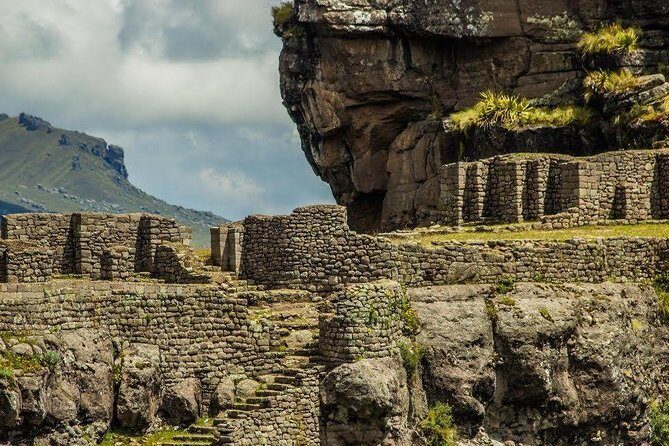
- Torreones: Tower-like structures that help you understand the defensive and observational logic of the complex.
- Engineering area: The guide points out practical design elements that help you read the site like a system, not just stones.
- Wiracocha enclosure: This zone is linked to ceremonial meaning, and the layout helps you see why it mattered.
- Cave paintings with flame representation: This is the human, story-based side of the visit. The flame imagery is specific enough that it makes the art feel more direct and memorable than generic “prehistoric cave art.”
Time at the site matters. You’ll explore the archaeological features and likely spend enough time to enjoy them rather than rushing. Also, the hike’s physical demand can play in your favor: if you time it well, you may end up with stretches where you can take in the structures without constant interruptions.
Food, water, and oxygen: the included essentials vs what to bring
The tour includes breakfast, lunch, a tour guide, a walk stick, and an air-conditioned vehicle. That’s a solid baseline for a $51.69 full-day trip. It removes a lot of friction from a remote hike day.
But here’s where you should be practical:
- Water support may be limited in real life. Some experiences describe only a small bottle per person and no clear plan for purchasing water.
- Restroom breaks are not something you should assume will be frequent once you start the hike.
- Oxygen assistance is listed as included, but it’s worth treating it as helpful backup, not your main altitude plan.
So what should you bring?
- A refillable water bottle (and ideally a backup small bottle).
- Snacks you like, even if the tour provides meals.
- Warm layers. The climb and the early morning can be chilly even when the sun comes out later.
- Simple sun protection (hat, sunscreen) because you’ll be exposed as you hike and explore.
Food quality is described as okay in at least one experience, not gourmet. Still, breakfast and lunch are valuable because they keep you from spending your energy hunting food on the road.




Price and logistics: what you’re really paying for
At $51.69 per person, this is a budget-friendly way to reach Waqrapukara with a guide. You’re not just buying transport—you’re buying time saved, someone to manage the flow, and meals that keep your energy stable.
Where the value can wobble is in logistics details:
- The drive can be long. Some people report the one-way travel taking about 4.5 hours, which makes a true 12-hour day feel optimistic.
- Pickup delays can happen. A past experience noted a pickup that ran late by nearly an hour, which matters when you start around 4:00 am.
- Van comfort can vary. One account described a van designed for fewer people but carrying more, which meant less comfortable seating for everyone.
If you want to protect your comfort, do two things:
- Keep expectations realistic about the long ride.
- Confirm your pickup time and be ready early, especially if you’re leaving Cusco for the first time.
English-guided and small-group hiking: who this fits best
This tour is offered in English and runs with a maximum of 15 travelers. That small number is usually a big plus for a hike day. It makes it easier for the guide to notice who needs to slow down and answer questions without turning into a lecture.
It’s best for you if:
- You want a guided archaeological visit without private-tour pricing.
- You’re comfortable with moderate hiking at altitude.
- You appreciate structure: breakfast, a guided walk, site stops, then lunch and the return ride.
It’s less ideal if:
- You’re altitude-sensitive and want a more controlled setup. Even with oxygen listed, the hike is still a hike.
- You dislike very early starts and long driving days.
- You need frequent restroom stops, because that’s not clearly built into the day in the info you’re given.
Also, if you’ve never done high-altitude hikes around Cusco, give yourself time to adjust first. One name that comes up for guide work is Akino, described as professional and available for questions—so you can reasonably expect a guide who will engage when you need them, not constantly talk for the sake of talking.
Should you book the Cusco to Waqrapukara day trip?
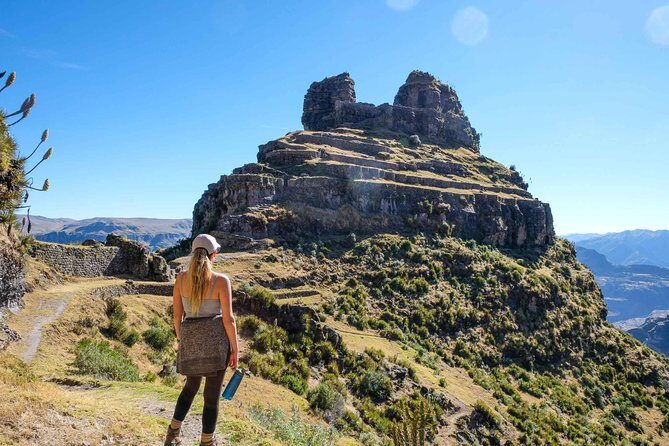
I’d book this if your priorities are a guided day trip, good value, and a hike that feels more personal than a mass-group tour. The combination of guided access to the main Waqrapukara features—especially Intipunku and the Wiracocha zone with flame imagery—makes the effort feel earned.
I wouldn’t book it as-is if you’re expecting comfort to dominate the experience. This is a long, early, altitude-heavy day. If you go, go prepared: pack extra water and snacks, pace yourself from the first minutes, and treat oxygen assistance as supportive—not guaranteed.
FAQ
FAQ
What time is pickup from Cusco for the Waqrapukara excursion?
Pickup is scheduled from your hotel starting around 4:00 am.
How long does the Waqrapukara tour take?
The tour duration is approximately 12 hours.
Is the tour guide available in English?
Yes, the tour is offered in English.
What meals are included, and is dinner included?
Breakfast and lunch are included. Dinner is not included.
Are entrance fees included for Waqrapukara?
Entrance fees are listed in some parts of the information as included, but other parts note an additional entrance cost in soles (20 soles is mentioned, and one experience described paying s/10). Plan for a possible entry fee in soles.
Does the tour include oxygen assistance?
Oxygen assistance is listed as included. If you have altitude concerns, it’s wise to plan conservatively as well.
Is there walking and a minimum fitness level required?
Yes. The activity is described as requiring moderate physical fitness, and you’ll walk from the Rinconada community toward the archaeological site. A walk stick is provided.
What happens if the tour is canceled due to weather?
The tour requires good weather. If it’s canceled due to poor weather, you’ll be offered a different date or a full refund.