REVIEW · CUSCO
From Cusco: Balcony of the Devil Rock Climbing
Book on GetYourGuide →Operated by Tangol · Bookable on GetYourGuide
Rock climbing outside Cusco beats the usual sightseeing. This one takes you up to Devil’s Balcony (near Sacsayhuaman) at about 3,750 meters, where limestone walls turn into a climb with panorama rewards. I like that the day is structured around three different climbing levels, so you can match your comfort and still get to the top.
I also like the practical flow: you start at Plaza Regocijo, ride out, hike briefly to the wall, then spend time on technique with your instructors before heading up. One consideration: you won’t be wandering slowly for hours—this is a focused 4-hour block that can feel like a lot of movement for the money if you’re expecting a longer climb session.
In This Review
- Quick hit key points
- From Plaza Regocijo to Devil’s Balcony: how the day actually moves
- Altitude and limestone climbing: what makes Devil’s Balcony feel different
- The 20-minute gear briefing: how to use the equipment without guessing
- Three levels of routes: choosing your comfort without losing the fun
- Instructors and belay safety: when you should feel secure
- Timing in a 4-hour outing: planning your day in Cusco
- What to bring for 3,750m: pack like you’re doing both sun and effort
- Price and value of $59: is Devil’s Balcony worth it?
- Who should book this rock climbing near Cusco
- Should you book Balcony of the Devil Rock Climbing?
- FAQ
- How long does the Balcony of the Devil rock climbing tour take?
- Where does the tour start in Cusco?
- How do you get to Devil’s Balcony from Cusco?
- What altitude is Devil’s Balcony?
- Is climbing equipment included?
- What languages are the guides?
- What should I bring?
- Is there a weight limit?
- Is food included?
Quick hit key points
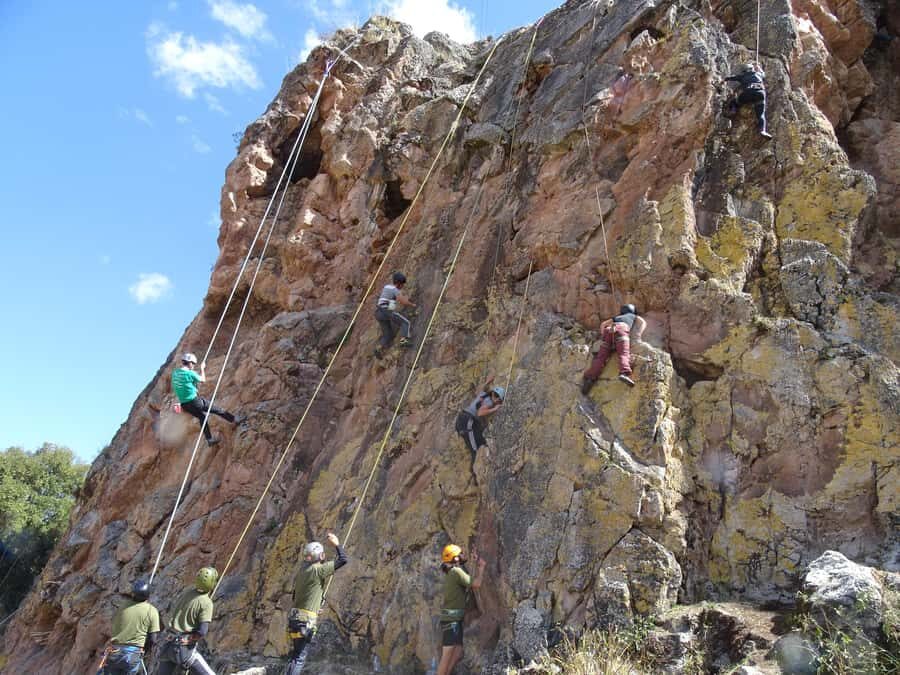
- Three climbing levels so casual climbers can do it without feeling pushed too hard
- Bilingual guiding (Spanish and English) plus hands-on instruction before you go up
- Devil’s Balcony at 3,750m for big-altitude effort and sky-high views
- Short walk + short ride setup from Plaza Regocijo keeps the day tight
- Safety support from instructors (one guide/belayer named Brayan stood out for feeling secure)
- No food included so plan water/snacks around the outing time
From Plaza Regocijo to Devil’s Balcony: how the day actually moves
Your tour starts near the center of Cusco. The meet-up point is Plaza Regocijo, just a few steps from the famous Plaza de Armas. It’s a convenient start if you’re already walking around the historic core before your activity.
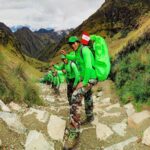
From there, you get a 30-minute roundtrip transportation transfer to the climbing area. When you arrive, there’s then a 10-minute walk to reach Devil’s Balcony. That short walk matters more than it sounds. At altitude, even 10 minutes of hiking can make you feel the air is thinner, so I like that the schedule doesn’t overload you before the climbing begins. You’re not expected to “warm up” with a long trek first—you get moving, breathe, and then get briefed.
Devil’s Balcony sits near the archaeological park of Sacsayhuaman, with the Saphy River as a backdrop. That setting turns the climb into more than just physical effort. You’re working on a limestone wall, but your eyes keep getting pulled outward toward the Andes.
You can also read our reviews of more tours and experiences in Cusco.
Altitude and limestone climbing: what makes Devil’s Balcony feel different
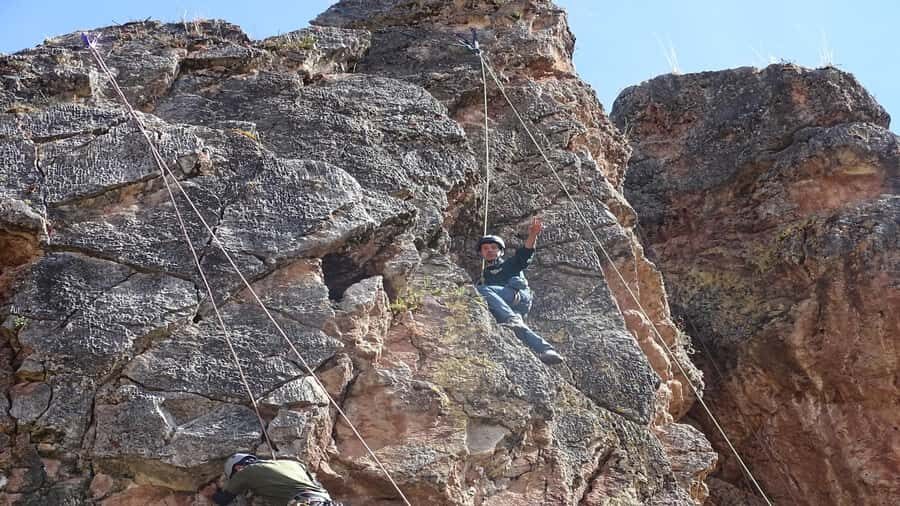
The big headline here is the location and the rock. You’re climbing at roughly 3,750 meters above sea level. That altitude changes how the day feels even if you’re fit. Your breathing and stamina get attention fast, especially when you’re using your arms more than you expect. The good news: the tour is built as a half-day, not an all-day endurance event.
Then there’s the limestone. Devil’s Balcony offers a unique rock challenge, and limestone typically means the holds can feel a bit different than rough granite-style climbing. The tour description frames it as a thrilling challenge, and in practice that usually means you’ll be paying attention to where you place feet and hands rather than just gripping your way up. It’s the kind of climb where technique helps a lot.
Once you reach the summit, the payoff is the views. You’ll get panoramic landscapes of the Andes Mountains—the kind of wide, open perspective that makes your effort worth it. And because you’re near Sacsayhuaman, you’re also getting a strong “Cusco region” sense of place, not just a random wall on the edge of town.
The 20-minute gear briefing: how to use the equipment without guessing
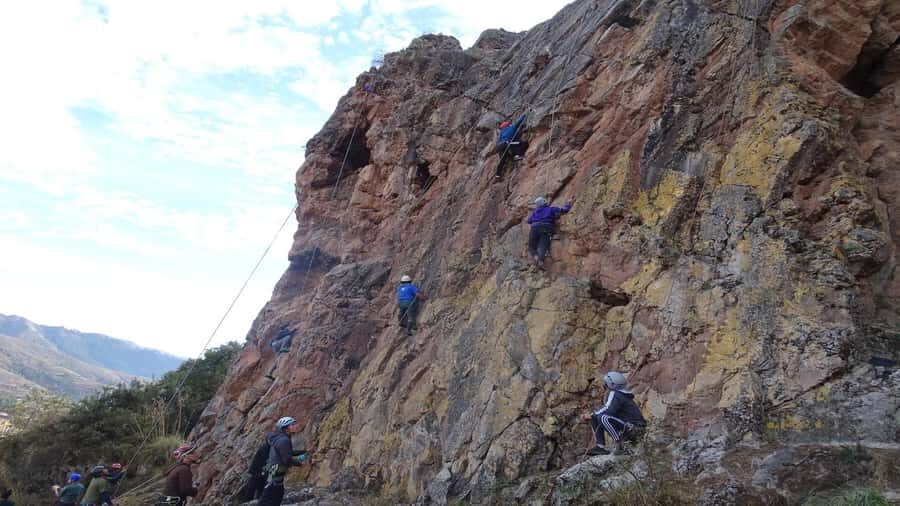
Before you start climbing, you’ll get a 20-minute briefing focused on handling the required equipment. This is one of the most valuable parts of the experience. Even if you’ve climbed before, a quick orientation helps you move faster once you’re clipped in and actually climbing.
You should expect the briefing to cover how you’ll wear and use the gear during the climb. The tour includes the climbing equipment, so you’re not bringing ropes or hardware. Your job is basically: listen, ask questions, and make sure you know what your instructor wants you to do while you’re on the wall.
What I recommend: don’t treat the briefing as background. At altitude, small mistakes feel bigger. If you’re unsure about a step, ask right then. It’s the best time to clarify.
Three levels of routes: choosing your comfort without losing the fun
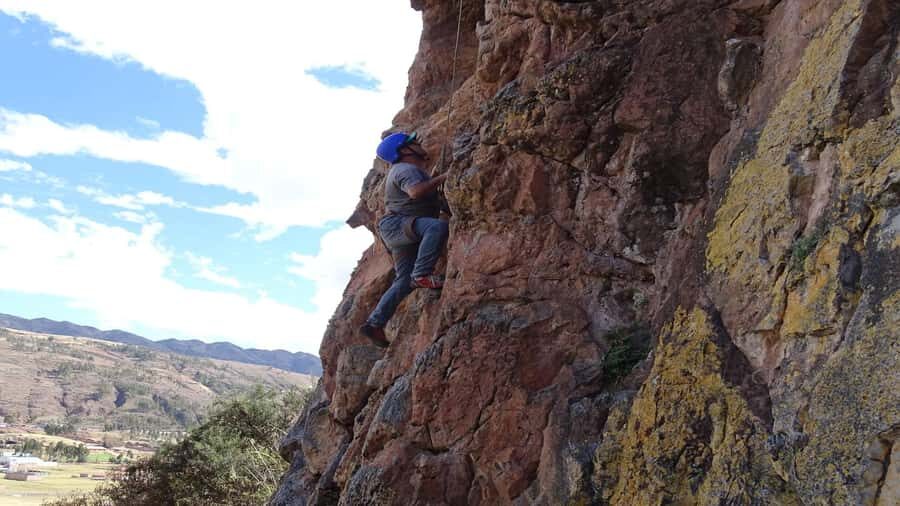
Here’s the core of the climb: you’ll tackle three different levels on the rock wall. That means the experience is more than a single “up and down” photo moment. It’s structured so you get multiple chances to climb, reset, and climb again.
In one strong review, the climber described the three routes as doable as a casual climber, with the whole thing being a lot of fun. That matches the tour’s promise: you’ll challenge yourself, but you’re not likely to be thrown into the deep end.
How to think about the three levels:
- If you’re comfortable with heights and have decent coordination, you can aim to push your limit on at least one route.
- If you’re new, treat the first route as your calibration—how your body uses balance, where you place your feet, and how you manage the mental side of climbing.
- If a route feels too intense, the presence of levels helps you keep the day enjoyable instead of stressful.
A possible drawback shows up in another review: the activity can feel a bit expensive if you expect a longer, more drawn-out climbing session. The three levels do give variety, but it’s still a 4-hour overall experience. So go in wanting a compact, well-run climb—not an all-day climbing festival.
Instructors and belay safety: when you should feel secure
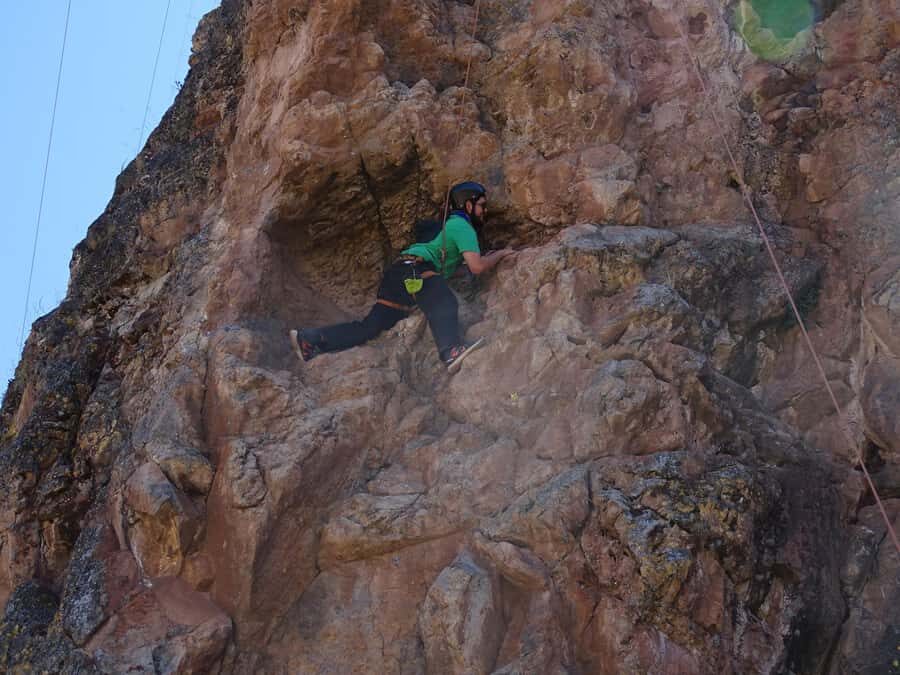
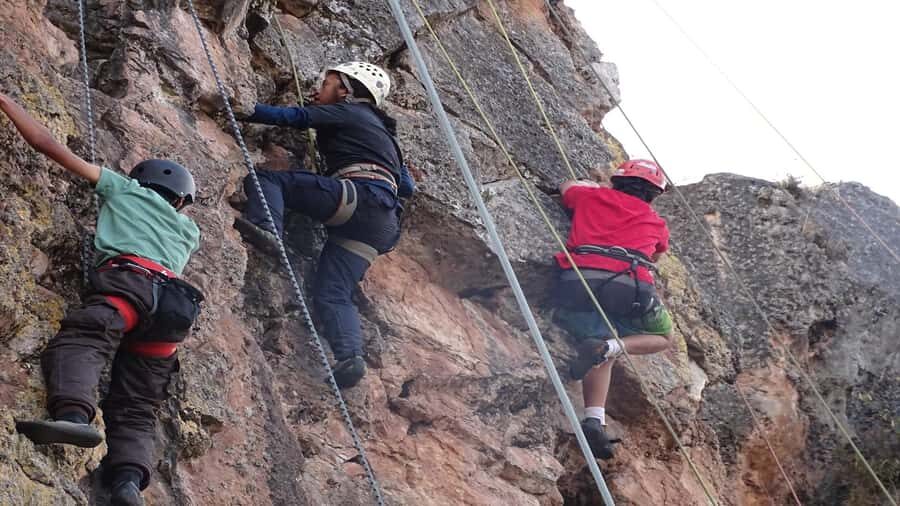
This is not a solo climb. You’ll go with professional instructors who guide you through equipment use and the routes themselves. Safety is the foundation of any rock-climbing experience, and your comfort is tightly linked to your instructor’s confidence and communication style.
One review specifically named Brayan, calling out his belaying and company. The climber said they always felt secure on the rock and enjoyed chatting during the trip. That’s exactly what you want from a guide: clear support, calm energy, and the ability to turn nerves into focus.
Even if you don’t have Brayan, the key point stays the same: you’re not guessing your way up. You get instruction and support, and the tour is designed around supervised climbing.

Timing in a 4-hour outing: planning your day in Cusco
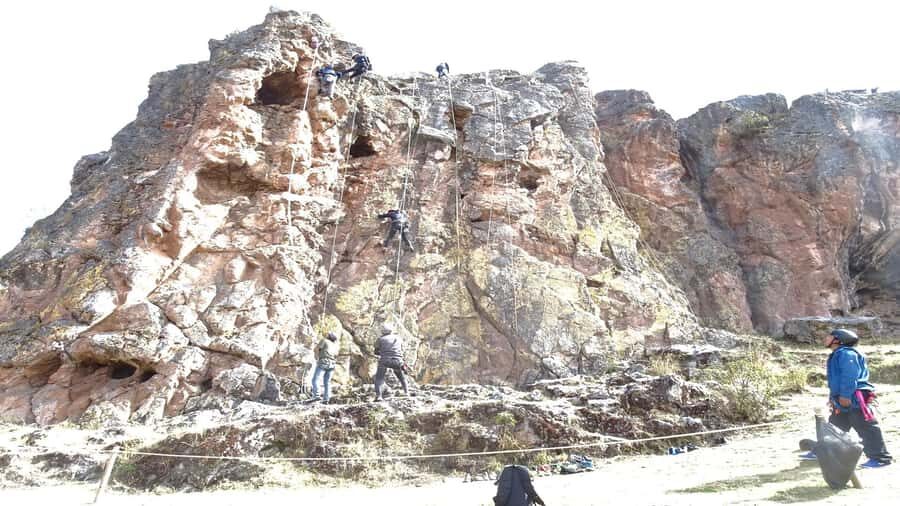
A 4-hour duration is perfect for people who want adventure without rearranging their whole schedule. The day is already broken into predictable blocks:
- Start at Plaza Regocijo
- 30 minutes transfer to the climbing zone
- 10-minute walk to Devil’s Balcony
- 20-minute equipment briefing
- Then climbing time across three routes
- Back to Cusco with drop-off at Plaza Regocijo
Two practical tips if you want this day to feel smooth:
- Plan to be near the center of Cusco before start time so you’re not scrambling for the meet-up.
- Keep your expectations realistic. This isn’t an all-morning trek plus all-afternoon climb. It’s a tight schedule designed to get you to the wall, climb multiple levels, and return while you still have energy.
Also, the tour doesn’t include food and drinks. If you tend to get shaky if you haven’t eaten, consider having a meal beforehand and carrying simple water/snacks if allowed by your operator’s rules.
What to bring for 3,750m: pack like you’re doing both sun and effort
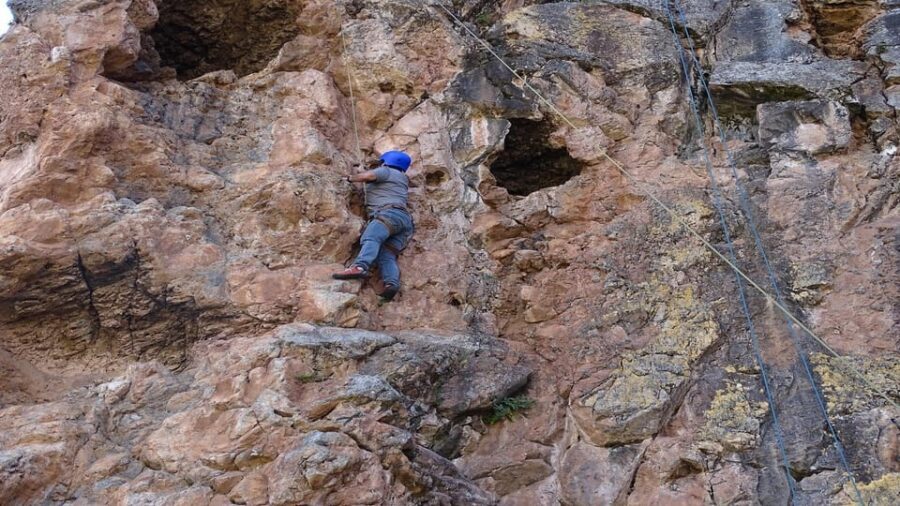
At this altitude, you’ll feel the combination of exertion and sun more than you might at sea level. The tour lists a clear packing set, and it’s worth following it closely:
Bring:
- Sunglasses
- Sun hat
- Sunscreen
- Insect repellent
- Sportswear
I’d add one mindset: treat sunscreen and hat as non-negotiables. Even if clouds cover the sky, the UV at altitude can still hit hard. And insect repellent is smart because you’re also dealing with outdoor terrain near Sacsayhuaman.
What to wear: sportswear is the clue. Choose something you can move in comfortably, and that won’t distract you while climbing.
Weight limit note: the maximum weight allowed per person is 95 kilos. If you’re near that number, double-check before booking.
Price and value of $59: is Devil’s Balcony worth it?
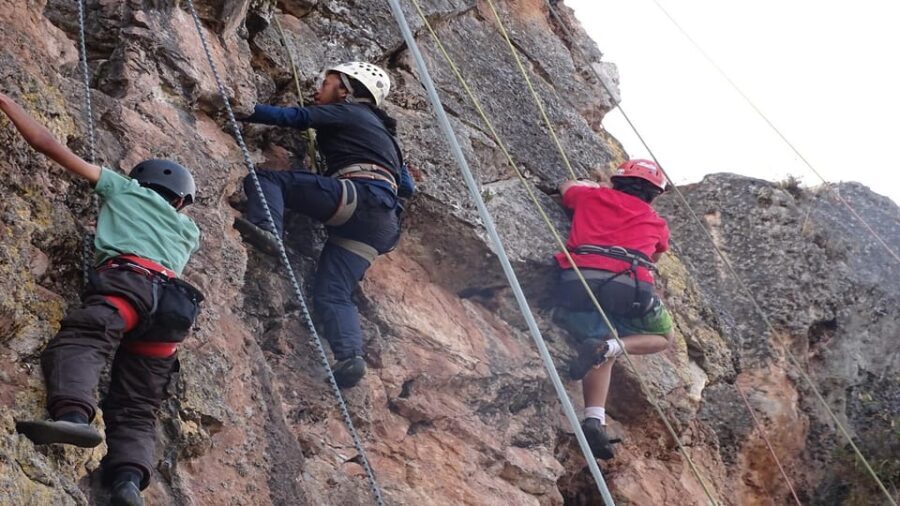
At $59 per person for a roughly 4-hour activity, you’re paying for a lot more than access to a wall.
What you get for the price:
- Roundtrip transportation from Cusco city center
- A guide in Spanish and English
- Climbing equipment
- Instruction and supervised climbing across three levels
From a value standpoint, this price makes sense if you want:
- A guided introduction to climbing technique
- Multiple routes rather than one short try
- A day that includes logistics (transport + equipment), so you don’t have to organize it yourself
Where the value question can change:
- If you expected a longer climbing session, the compact format can feel a bit pricey. One review even pointed out that you climb a wall three times up and down and found it slightly expensive for what you get.
- If you’re the type who dislikes structured activities and wants lots of downtime, this tour is fairly active.
My take: if you want an efficient, guided, safety-minded climbing hit with rewarding views, it’s good value. If you want hours and hours of time on the wall, you may feel it’s a quick stop rather than a full day.
Who should book this rock climbing near Cusco
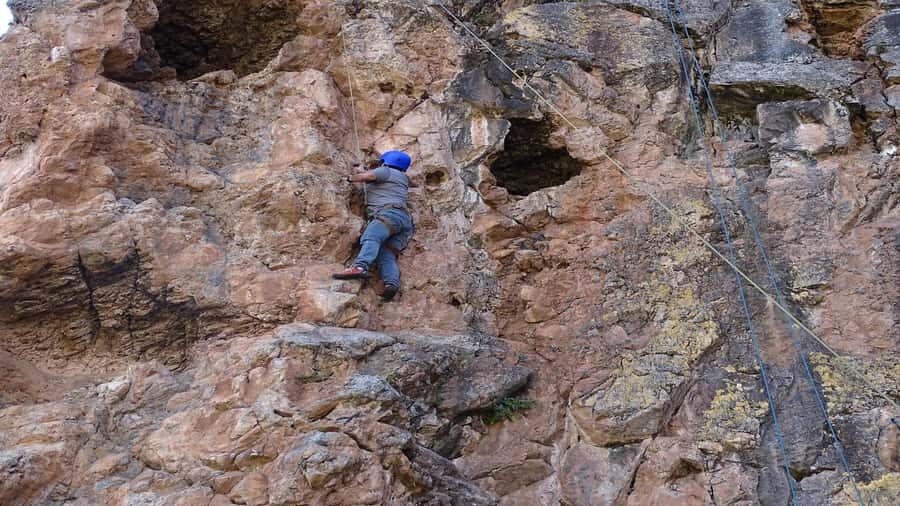
This Devil’s Balcony climb is best for people who like hands-on adventure and don’t mind exertion at altitude.
Good fit:
- Adults and teens 13+
- People who are comfortable climbing with instruction and using provided equipment
- Casual climbers who want three routes and a guided day that feels achievable
Not suitable:
- Children under 13
- Pregnant women
- People with heart problems
- People with vertigo
- People over 65
If you have any medical concern that affects your ability to handle effort or heights, take the “not suitable” list seriously. Rock climbing is one of those activities where your body’s limits matter more than willpower.
Should you book Balcony of the Devil Rock Climbing?
I think this is a strong booking if you want a structured, guided climb near Cusco with real payoff. The combination of three climbing levels, a bilingual guide team, included equipment, and the Andes summit views makes it feel like a complete adventure package instead of a half-step activity.
Skip it—or at least reconsider—if altitude and heights are a concern for you, or if you expected a long climbing session. Also remember: there’s no food or drinks included, so come ready to fuel yourself around the outing.
If you’re a casual climber and you like the idea of being supported on the rock (including belay guidance, which one named instructor like Brayan was praised for), this tour is the kind that can turn Cusco into more than just stairs and viewpoints.
FAQ
How long does the Balcony of the Devil rock climbing tour take?
The tour duration is 4 hours.
Where does the tour start in Cusco?
You start at Plaza Regocijo, a few steps from Plaza de Armas.
How do you get to Devil’s Balcony from Cusco?
You take roundtrip transportation to the city center, then after arrival there’s a 10-minute walk to reach Devil’s Balcony.
What altitude is Devil’s Balcony?
Devil’s Balcony is at about 3,750 meters above sea level.
Is climbing equipment included?
Yes. The tour includes climbing equipment.
What languages are the guides?
The tour guide works in Spanish and English.
What should I bring?
Bring sunglasses, a sun hat, sunscreen, insect repellent, and sportswear.
Is there a weight limit?
Yes. The maximum allowed weight is 95 kilos per person.
Is food included?
No. Food and drinks are not included.