REVIEW · CUSCO
Cusco: Uros Taquile Island from Cusco
Book on GetYourGuide →Operated by Chullos Tours · Bookable on GetYourGuide
Lake Titicaca feels like another world. I like how this tour connects Cusco and Puno while still giving you real time on the water and on islands. I also love the hands-on, everyday angle: you learn how the Uros reed islands are built and how Taquile communities live and express themselves through their crafts. One thing to think about first: the schedule is tight because it runs on an overnight bus both ways, so you’ll be managing fatigue and timing more than you would on a simple day tour.
This is a great choice if you want the classic “floating islands plus a community stop” combo without the hassle of planning transfers on your own. The boat portion is straightforward, the guided visits are well-structured, and you get meals that are part of the local experience (breakfast and lunch are included). If you prefer slow mornings and extra free time, you may find the pacing a bit intense.
In This Review
- Key highlights you’ll actually feel
- Cusco to Puno in One Shot: Why This Tour Works
- The Overnight Bus Schedule: The Part You Should Plan For
- Puno Port to Uros Reed Islands: What You’re Really Seeing
- One comfort note
- Taquile Island: The Town Walk, Fabrics, and a Local Lunch That Feels Purposeful
- What you should consider before the walk
- Food and What’s Included (and What Isn’t)
- Price and Value: Is $150 Really Fair?
- Bring This, Skip That: Practical Packing for Titicaca
- Logistics and Small Gotchas: Transfers, Timing, and Transfers Again
- Who Should Book This (and Who Might Want Something Else)
- Should You Book This Uros Taquile from Cusco?
- FAQ
- What time does pickup happen in Cusco?
- How long is the bus ride from Cusco to Puno?
- What happens in Puno after you arrive?
- How much walking is on Taquile Island?
- What meals are included in the tour price?
- Is the tour suitable for everyone?
Key highlights you’ll actually feel

- Overnight bus from Cusco to Puno so you wake up already close to the Titicaca ports
- Guided Uros visit on reed-built islands used for homes, boats, fuel, and food
- Taquile Island walk to the town area with customs and daily life in view
- Traditional lunch on Taquile plus cultural storytelling through local fabrics
- Meals included (basic breakfast, traditional lunch), with dinner left for you to plan
Cusco to Puno in One Shot: Why This Tour Works
This tour is built for travelers who want to cross from Cusco toward Puno and still add a meaningful Titicaca day. Instead of treating the islands like an add-on, it makes Titicaca the main event and uses the overnight bus to handle the long distance.
What I like most is that it doesn’t feel like you’re just “passing through” the region. You start in the early morning in Puno, go out to the islands, return mid-afternoon, and then take another overnight bus back to Cusco. It’s efficient. You also get at least a little breathing room in Puno after you come back from the islands.
You can also read our reviews of more tours and experiences in Cusco.


The Overnight Bus Schedule: The Part You Should Plan For
The day begins late in Cusco. You’re picked up from your hotel at 9:15 pm, then you transfer to the land terminal in Cusco for the all-night bus to Puno (a bed bus). The bus arrives around 5:00 am.
Then it gets practical: staff are waiting in Puno, you have time for basic breakfast, and the tour starts at 7:00 am. That means once you arrive, you’re quickly into the boat-day rhythm.
After the island portion, you return to Puno around 5:00 pm. You get free time in the afternoon, then you transfer to the Puno land terminal at 9:00 pm. The return bus departs 10:00 pm and arrives back in Cusco at about 5:30 am. Staff then pick you up from the Cusco bus station and take you to your hotel.
My take: this is doable, but only if you treat sleep as “best effort.” Bring warm layers for the ride and be ready for a compressed, island-focused schedule.
Puno Port to Uros Reed Islands: What You’re Really Seeing

Your guided day begins at the port of Puno, where you board the boat. The Uros part is the centerpiece of the early morning.
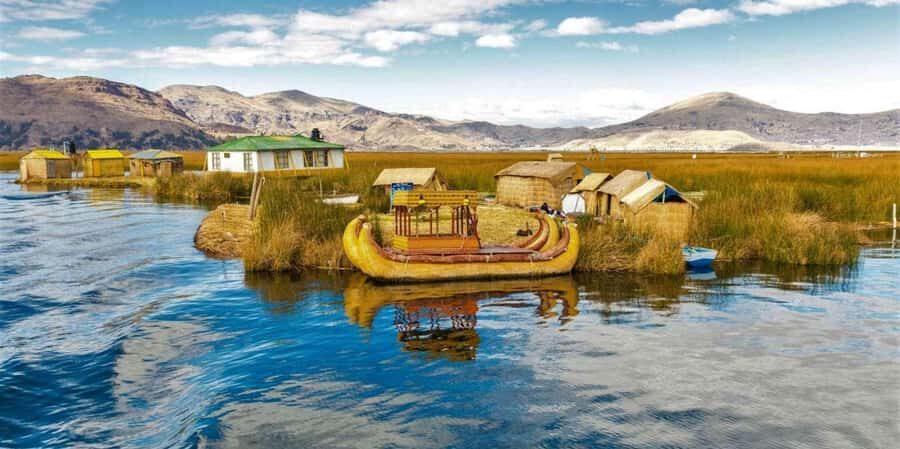
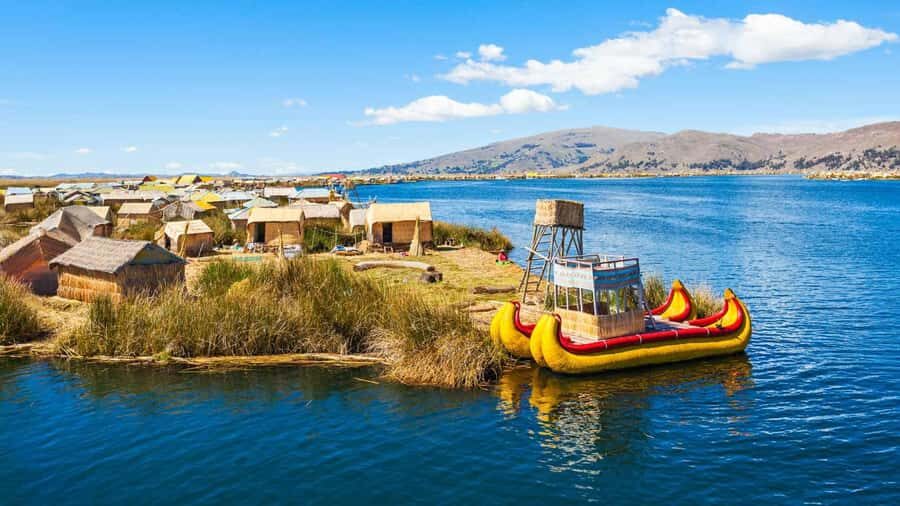
Uros islands are built using reed reeds by the inhabitants, and those reeds serve multiple purposes. You’ll learn how the reed materials are used not just for homes and boats (rafts), but also for fuel and as food for human consumption. That matters because it frames the islands as more than a photo stop. You’re seeing a living system shaped around a very specific environment.
You’ll also have a guided visit, which is key here. On Titicaca, details matter. When someone explains how the construction works and how daily life depends on the reeds, the visit stops being a simple “floating village” tour and becomes a real cultural exchange.
One comfort note
You may find there are lots of mosquitos around the floating islands area. If you’re even mildly bothered by bites, plan to protect yourself. This is one of those situations where “I thought I’d be fine” becomes a full-body regret.
Taquile Island: The Town Walk, Fabrics, and a Local Lunch That Feels Purposeful
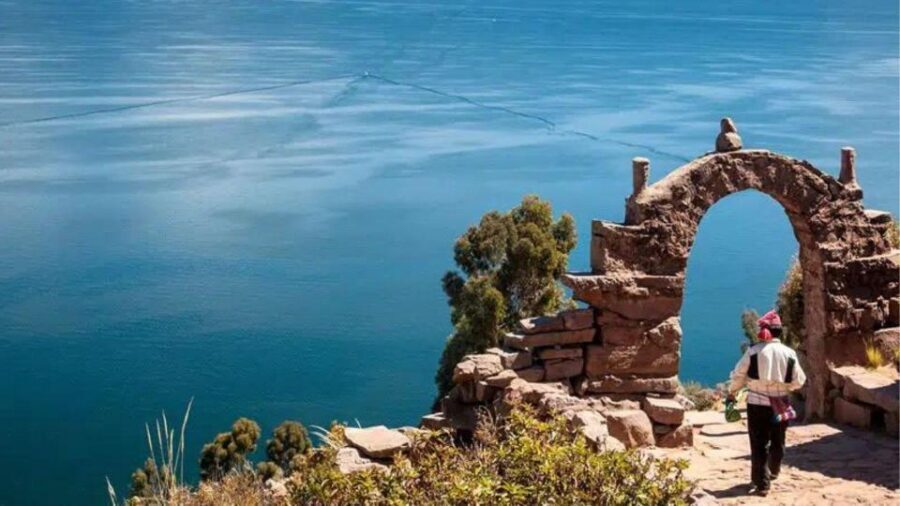
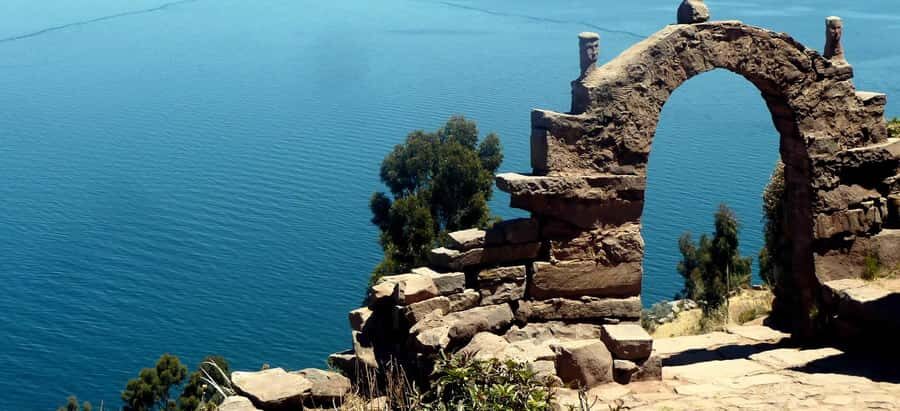
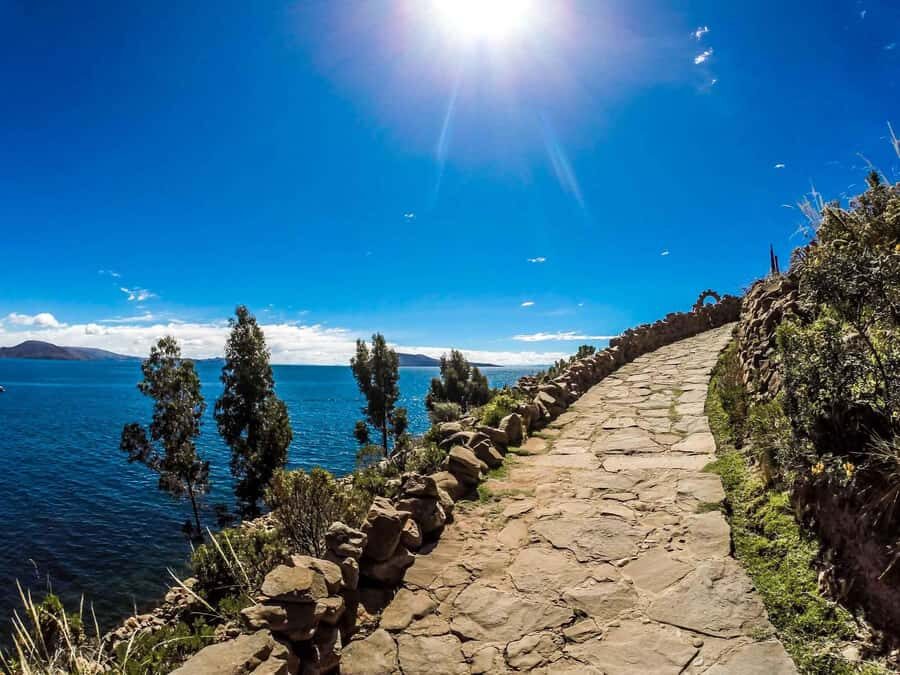
After Uros, you move to Taquile Island. This is where the pace shifts slightly. Instead of staying fully on a boat experience, you’ll get a 1-hour walk to the town area. The goal is to observe everyday life and customs, with views and community routines in the background.
The tour also includes a typical lunch in a local restaurant on Taquile. And this isn’t just “here’s food.” In many community-based stops, the meal can feel generic. Here, the structure is set so that you also learn through the material culture—the inhabitants show you their way of life through their fabrics.
That fabrics element is one of the most memorable parts of the day because it connects what you’re seeing (cloth patterns, traditional techniques) to what you’re learning (customs and daily life). It’s a good reminder that culture often travels through everyday objects, not only through buildings or big monuments.





What you should consider before the walk
The itinerary does include the walk, but there’s no extra detail provided about pace or difficulty. Taquile is a high-lake environment, so I suggest you treat it as “moderate walking” and wear comfortable shoes. Bring a jacket even if it’s sunny when you start—weather on the lake can shift.
Food and What’s Included (and What Isn’t)
This tour includes:
- Basic breakfast in Puno after you arrive (before the island tour)
- Traditional lunch on Taquile
Dinner is not included, so plan for it on the return trip or during your afternoon in Puno. If you’re the kind of person who gets hungry late, don’t wait until you’re tired and cranky in Puno. Pick a place that’s close to where you’ll be before the 9:00 pm transfer to the terminal.
Also, with the overnight bus schedule, snacks can be the difference between “nice day” and “why am I like this.” The tour provides breakfast and lunch, so you’re covered for the main meals. Everything else is your choice.
Price and Value: Is $150 Really Fair?
At $150 per person for a 1-day experience, the price looks like more than just a boat ride. You’re also paying for the overnight transport link between Cusco and Puno, plus guided visits, a meal, and several transfers.
What you’re getting for that money:
- Hotel to terminal transfers in Cusco (pickup included)
- Cusco → Puno bus tickets (bed bus)
- Puno pickup and time for breakfast
- Boat tour covering Uros and Taquile stops with a live guide (Spanish or English)
- Traditional lunch on Taquile
- Transfer back to the Puno terminal and Puno → Cusco bus tickets
- Cusco terminal pickup to your hotel
So the real value is the “two-city, one-timetable” setup. If you were to separate this into buses, boat tours, and meals, you’d likely spend time coordinating and paying for pieces one by one. Here, it’s bundled into a single flow.
If you’re trying to keep costs down and you already planned to take the overnight bus anyway, this becomes especially efficient. If you’re just visiting the islands and nothing else, you might compare it against island-only tours in Puno—but you’d lose the easy Cusco connection.
Bring This, Skip That: Practical Packing for Titicaca
The tour asks you to bring:
- Passport (needed because you share passport information to purchase tickets)
- Warm clothing and a jacket
- Comfortable clothes
- Camera
- Cash
And importantly, these items are not allowed:
- Pets
- Luggage or large bags
- Mobility scooters
- Baby carriages
- Scooters
That restriction changes how you pack. Think carry-on sized. If you’re used to traveling with a big day bag, plan to travel lighter for this one. On overnight buses, space and storage can be tight, so it’s better not to be fighting your own luggage.
Logistics and Small Gotchas: Transfers, Timing, and Transfers Again

This itinerary is very timing-driven. There are multiple transfer points:
- Cusco: hotel pickup at 9:15 pm to the land terminal
- Puno: staff pickup after the early-morning arrival and breakfast time before 7:00 am start
- Return: return to Puno around 5:00 pm, then terminal transfer at 9:00 pm, then bus departure at 10:00 pm
- Cusco: pickup from the bus station after about 5:30 am arrival
Because the schedule is fixed, I recommend you do two things:
- Confirm your pickup time the day before your departure, and plan to be ready early in the hotel lobby.
- Have some cash for any small needs that pop up on the island day (snacks, water, anything you forgot).
One more thing: this tour requires you to share passport information to purchase tickets. Don’t wait until the last minute with travel documents—Titicaca routes don’t like last-minute changes.
Who Should Book This (and Who Might Want Something Else)
This tour suits you if:
- You want a direct connection between Cusco and Puno without extra planning
- You like community-based visits where people explain how they live
- You’re okay with an overnight bus schedule and early morning starts
It may not be the best fit if:
- You’re pregnant (not suitable)
- You use a wheelchair (not suitable)
- You dislike getting up early after an overnight ride
- You strongly prefer lots of free time in Puno (your afternoon is free, but the rest is packed)
If you’re traveling as a couple or solo traveler, you’ll likely enjoy the clear, structured flow. If you’re a family traveling with small kids or lots of gear, the rules around luggage and mobility items can complicate things—so look closely at what you’re bringing.
Should You Book This Uros Taquile from Cusco?
I’d book it if you want a practical, well-defined Titicaca day that also solves the Cusco-to-Puno logistics in one move. The reed-island learning and the Taquile fabrics-and-customs lunch are the kind of experiences that feel more like a cultural meeting than a checklist. The pace is intense, but it’s intense in a way that makes sense: you spend the day where it counts.
But be honest about the trade-offs. You’re choosing overnight buses, early mornings, and a guided itinerary with a walk on Taquile. If you’re sensitive to bugs, pack protection for mosquitos around the reed islands. If you’re sensitive to schedule disruptions, double-check pickup timing and keep your morning flexible.
If that all sounds like your style of travel, this is a strong value at $150 per person for a one-day Cusco-to-Puno Titicaca experience.
FAQ
What time does pickup happen in Cusco?
Your pickup from the hotel in Cusco is scheduled for 9:15 pm.
How long is the bus ride from Cusco to Puno?
The bus is an all-night trip, arriving in Puno at approximately 5:00 am.
What happens in Puno after you arrive?
You’ll have time for a basic breakfast, and the tour then starts at 7:00 am.
How much walking is on Taquile Island?
You’ll do a 1-hour walk to reach the town area to observe customs and the surroundings.
What meals are included in the tour price?
Basic breakfast and a traditional lunch in a local restaurant on Taquile are included. Dinner is not included.
Is the tour suitable for everyone?
The activity is listed as not suitable for pregnant women and wheelchair users. Also, luggage or large bags are not allowed.