REVIEW · CUSCO
Car and Driver to the sacred Valley of Cusco (Private transport for your family)
Book on Viator →Operated by LIBERTREK PERU TRAVEL · Bookable on Viator
Cusco’s Sacred Valley can be rushed. This private day works differently: you control the order and pace, with pickup in Cusco and a licensed driver (English–Spanish) who can keep things smooth for your family. Two things I really like are the freedom to slow down for photos or the crafts market in Pisac, and the money-sense of paying mainly for transport rather than a full guided tour. One drawback to plan around: it’s transport-only, so entrance fees and a guide are extra if you want deeper explanations.
You’ll see the key hits of the Sacred Valley in one long day, but the real value is that you’re not forced into a fixed-group rhythm. If your family includes kids, picky eaters, or anyone who just hates being herded from stop to stop, this setup tends to feel easier on the nerves. Just remember you’re trading a guide’s commentary for flexibility—and you’ll want to budget for tickets.
In This Review
- Key highlights at a glance
- Why this private Sacred Valley day feels worth it
- Pickup in Cusco: start location and how the day stays flexible
- Pisac: market crafts and terrace views without the rush
- Ollantaytambo fortress and the charm of a town that’s still alive
- Urubamba for lunch: keep it flexible, keep it yours
- Maras: pre-Hispanic, colonial, and rural life along the drive
- Moray: Inca agricultural terraces in giant sunken holes
- Salineras (Salt Mines): 2,000 small wells still in use
- Chinchero: Inca temple roots with a Catholic layer, plus textile process
- Return to Cusco around 7 PM (or drop-off at the train station)
- Price and value: what you’re really paying for
- Who should book this private Sacred Valley transport
- Should you book this Sacred Valley private transport?
- FAQ
- Is this tour private?
- What’s included in the price?
- Do I need to pay entrance fees for the sites?
- Is a tour guide included?
- What time do you return to Cusco?
- Where is the pickup point in Cusco?
Key highlights at a glance
- Private transport for up to 5: your family group stays together all day.
- English–Spanish licensed driver: communication is part of the experience.
- Pisac craft market plus ruins: you get both local shopping and Inca-era stonework.
- Ollantaytambo is still inhabited: you’re not looking at an empty set.
- Moray and Salineras: unusual Inca agricultural experiments and salt wells.
- Chinchero textiles demo: Inca-style processes tied to what you’ll see in town.
Why this private Sacred Valley day feels worth it
This tour is built for travelers who don’t want a rigid schedule. You pre-arrange how you want to spend the day, then a licensed driver takes you between the major Sacred Valley sites. In practice, that means you can linger where you care most—market stalls, viewpoints, ruins, or simply getting fresh air without racing the clock.
I also like the pricing structure for families or small groups. It’s $140 per group (up to 5), which can be far less painful than stacking separate tickets for a larger guided group, especially if you’ll skip a formal guide. And if you do want a pro guide, you can add one for $90 for the full day for the whole group.
The best part is what the service is not. You’re not paying for a day packed with explanations you might not need. You’re paying for getting from place to place safely and efficiently, on your timeline. If you’re the kind of traveler who likes to read a bit and ask questions only when it matters, this fits.
You can also read our reviews of more private tours in Cusco


Pickup in Cusco: start location and how the day stays flexible
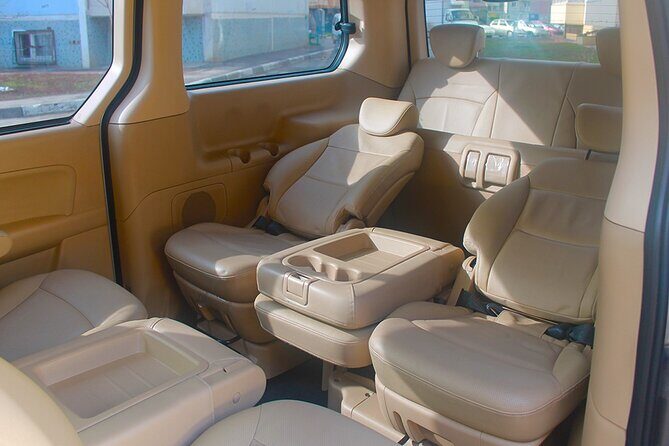
Your day begins at Plaza San Francisco in Cusco. From there, you head out to the Sacred Valley sites in a route that makes sense for a one-day loop. Because it’s private transport, your group isn’t stuck at a “meet at 9 sharp, march at 9:05” tempo.
This is also where small things matter. In the real world, timing changes happen—train schedules, a late breakfast, or a hotel delay. The service has a track record of working with families when pickup time needs adjusting, and that kind of calm communication is a big deal in Peru, where traffic and logistics can be a little unpredictable.
Do plan for a full day, even if you take it easy. You’ll be moving between several different towns and sites, so comfy shoes and layers are smart. The good news: the driver’s job is to handle the driving and the flow, so your effort goes into enjoying stops, not coordinating buses.
Pisac: market crafts and terrace views without the rush

Pisac is often a traveler favorite, and here you get two reasons to go: the market of crafts and the Pisac archaeological site with its terraced hillsides. The crafts market is the kind of place where you can browse slowly, compare colors and patterns, and pick up small items you’ll actually use.
Then comes the ruins. You’ll see those classic terraced forms carved into the mountain, which help you understand how Inca engineers shaped the land for farming and stability. The terraces also make it easy to take photos from different angles—so if your family likes scenic stops, this one usually delivers.
A practical consideration: Pisac can mean a mix of walking on uneven ground and time spent browsing. If you want to maximize both, I’d do it in chunks: market first, then ruins (or swap if your kids are more energetic later). You control that order with private transport.
Ollantaytambo fortress and the charm of a town that’s still alive
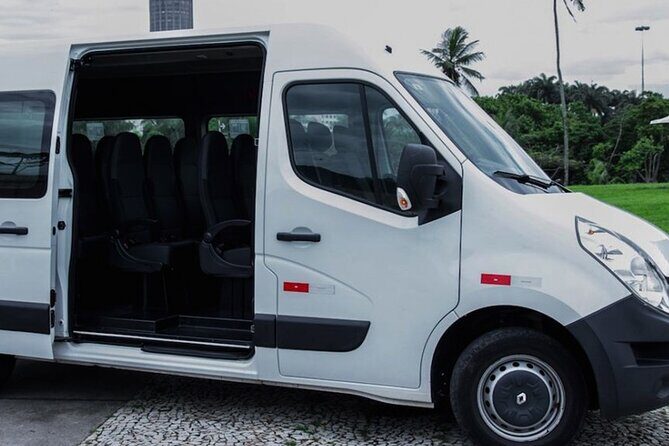
Next you head to Ollantaytambo, known as a fortress and also as a town with deep Inca roots. The site was a tambo (a kind of waystation or accommodation) in Inca times, and it’s named for Ollanta, tied to a well-known story involving Pachacutec’s family.
What makes Ollantaytambo special is that it’s not an abandoned set. It’s described as the only Inca city in Peru that’s still inhabited. That matters because you don’t just view ruins—you experience a place where everyday life continues around history.
This stop is also a nice pacing break. After market energy in Pisac, Ollantaytambo can feel more dramatic and still. Even if you don’t have a guide, you’ll likely get something from simply watching how the buildings and stonework fit the terrain. If you’re the type who likes to pause often, this is a good place for it.
Urubamba for lunch: keep it flexible, keep it yours

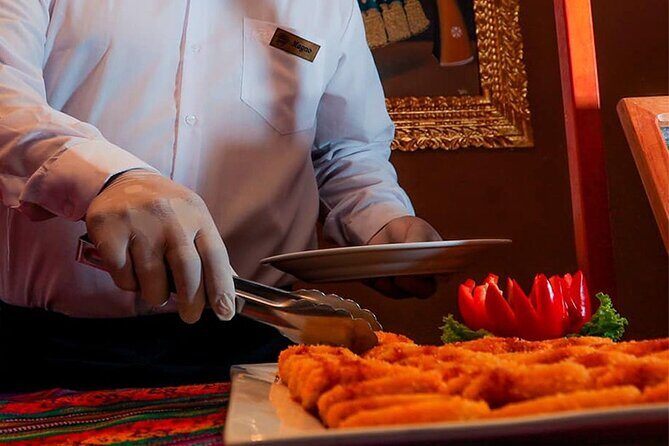
You’ll head to Urubamba for a buffet lunch option. Meals aren’t included in the price, so you’ll pay for what you choose. But the value of the stop is that you’re in a town built for eating well after a morning of walking and viewpoints.
A tip for families: eat early if you tend to get cranky later. Lunch timing can affect the whole rhythm of the afternoon, especially when you’re stacking Moray and Salineras. If your group wants a calmer route, this is where you can choose how long you stay.
Because you’re on private transport, you can also adjust for hunger and energy levels. If you’re traveling with kids, that small control can be the difference between a fun day and a stressful one.
You can also read our reviews of more tours and experiences in Cusco





Maras: pre-Hispanic, colonial, and rural life along the drive
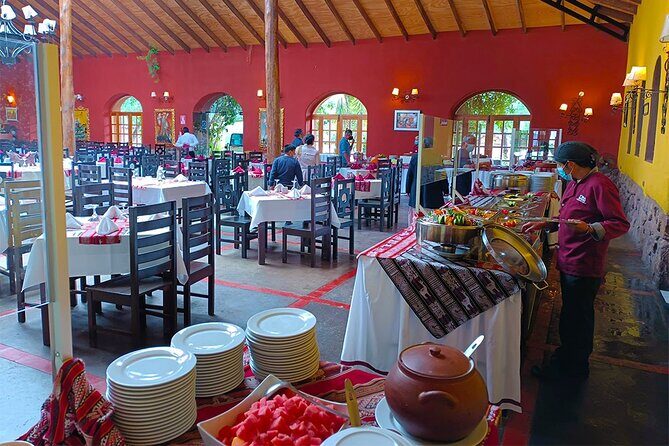
Maras is more than a waypoint. It’s a village with pre-Hispanic, colonial, and republican attractions, and the drive there is part of the experience. You’ll pass through typical populations and enjoy the scenery on the way, so it feels like a real day in the Sacred Valley rather than a straight line of ruins.
Once you arrive, Maras gives you a chance to slow down and look at everyday rhythms. This can be a welcome contrast to the archaeological sites, which are focused on stone, scale, and engineering. If your group likes cultural texture—how people live, how towns are laid out—Maras helps round out the day.
One caution: because this is a one-day loop, you’ll still be moving. Don’t assume you’ll have unlimited time here. Think of Maras as a chapter that adds context, then gets you ready for the more technical sites that come next.
Moray: Inca agricultural terraces in giant sunken holes
Moray is the kind of site that makes you say: Wait, that can’t be for farming like normal. The terraces sit in natural gigantic holes, used by the Incas as an agricultural experimentation center. Those farming terraces were built with irrigation canals, turning a strange landscape into a working system.
The numbers help you understand the scale. The largest hole is about 150 meters deep, and the average platform height is around 1.80 meters, with terraces spaced between. Even without a guide, you can stand at different vantage points and feel the depth and design.
Why this matters: Moray is a great stop if you like learning how ancient people solved problems with engineering, not just building “pretty ruins.” It’s also a great site to linger at for photos and mental picture-building.
Possible drawback: because it’s experimental architecture and not a straightforward fortress or temple, some visitors prefer a guide. If you’re the kind of traveler who wants the story behind the science, consider adding the optional professional tour guide ($90 for the group).
Salineras (Salt Mines): 2,000 small wells still in use

Then you hit the Salineras, also called the salt mines. This area consists of about 2,000 small salt wells, exploited since Inca times as a means of economic exchange. The result is a visual pattern that feels both strange and mesmerizing—hundreds of small plots working together.
This stop tends to be a highlight for people who like industrial-looking landscapes and clear cause-and-effect stories. You can connect the dots quickly: salt was valuable, so the Inca and later communities developed a system to produce it efficiently.
Practical note: entrance tickets apply here. You’ll pay $3.2 per person for the Salineras ticket on top of the general ticket you may need for other sites. Plan for that so it doesn’t surprise you at the entrance.
Chinchero: Inca temple roots with a Catholic layer, plus textile process
Chinchero ties history together in a way that’s easy to notice. You’ll visit an archaeological site that began as an Inca temple, and then later a Catholic temple was built over it. That layering is one of the clearest ways to understand how Inca and colonial eras overlapped in the Sacred Valley.
After the ruins, you can browse the Chinchero market. You’ll also have a demonstration of an Inca process to get textiles, which is where this stop becomes practical and hands-on. Even if you aren’t buying, it’s the kind of explanation that helps you see what you’re looking at when you see woven goods in Cusco.
If your family loves crafts, Chinchero is a good final “buying window.” Keep an eye on time, though—you still need to make the return to Cusco.
Return to Cusco around 7 PM (or drop-off at the train station)
You’ll come back to Cusco around 7:00 PM. If your day is timed around a train departure, you can also be dropped at the train station if you have a ticket. That flexibility is great because it prevents last-minute scramble.
After a day like this, the win is control. You don’t have to stress about catching the right tour bus, switching lines, or waiting around for a group to finish. Your driver handles the logistics, and you handle your evening plan.
Price and value: what you’re really paying for
The headline price is $140 per group (up to 5). That covers tourist transport with all the licenses and a licensed driver (English–Spanish). For families, the math often works because you’re spreading the cost across your group size rather than paying per person for a guided tour.
Now add the extras you should budget for:
- Entrance tickets: a general tourist ticket is USD 22 (for the places covered by it), plus Salineras is USD 3.2 per person
- A professional tour guide (optional): USD 90 for the whole day for the group, if you request it
- Meals and drinks: not included
So the real value question is this: do you need a guide? If you’re comfortable reading a bit on signs and enjoying the visual experience, transport-only is a great bargain. If you want a lot of story and context—especially at Moray and other archaeological sites—adding the optional guide can turn this from “a great day” into “a deeply understood day.”
This is also why private works for many people. You’re not stuck paying for a guide’s time if you don’t use it. You choose.
Who should book this private Sacred Valley transport
This is a strong fit if:
- You’re traveling as a small family or group of up to 5
- You want a slower pace than typical group tours
- You’d rather spend money on a few important add-ons than a full package
- You like being able to adjust your plan, including pickup timing
It may be less ideal if:
- You want a full guided narration all day (because you’ll be paying for an optional guide)
- You prefer short driving days and lots of free time at just one site
- You’d rather not manage ticket costs yourself
If you’re unsure, think about your family’s style. If everyone gets restless with long drives, you may need to cut stops elsewhere. If everyone’s okay with a busy day and you’ll enjoy the sites visually, this works well.
Should you book this Sacred Valley private transport?
I’d book it if your top priority is control—your pace, your order, and a day that doesn’t feel like a race. The combination of licensed English–Spanish driving, a route through the Sacred Valley’s big names, and the ability to add a professional guide only if you want it makes this good value for the money.
If you hate budgeting for extras, check your ticket plan first. Entrance fees and Salineras ticket are on top of the base price, and meals are not included. Also, note that this is non-refundable and can’t be changed, so book when your dates and timing are firm.
In short: this is a practical way to experience the Sacred Valley without losing time to group logistics. If that’s your travel style, you’ll likely be happy with how the day flows.
FAQ
Is this tour private?
Yes. It’s private transport for your group only (up to 5 people).
What’s included in the price?
The price includes tourist transport with all the licenses and a licensed driver who speaks English–Spanish.
Do I need to pay entrance fees for the sites?
Yes. Entrance tickets are not included. The tourist ticket is USD 22, and the Salineras ticket is USD 3.2 per person.
Is a tour guide included?
No. The service is transportation only. You can request a professional tour guide for an extra USD 90 for the group for the whole day.
What time do you return to Cusco?
You’ll return at about 7:00 PM. If you have a train ticket, the service can also drop you at the train station.
Where is the pickup point in Cusco?
Pickup is offered at Plaza San Francisco, Pl. San Francisco, Cusco 08002, Peru.