REVIEW · CUSCO
Cusco: Sacred Valley, Pisac, Ollantaytambo, Salt Mines Moray
Book on GetYourGuide →Operated by Tour Valle Sagrado Vip · Bookable on GetYourGuide
One day, five Sacred Valley stops. This is a practical, time-saving route through the Cusco Region’s most important sites, mixing living Andean culture with Inca engineering. I especially like the combo of Chinchero textiles and Moray’s terrace farming—you quickly see how people worked the land and made daily life meaningful.
I also like how Maras salt mines and Ollantaytambo land on the same itinerary, so you don’t spend your short trip choosing between them. Many guides named in recent bookings—like Victor and Edith—keep the day moving with clear explanations and good pacing. The main drawback is that it’s a long, busy day: stops are timed, and if you want to wander every corner slowly, this may feel a bit rushed.
In This Review
- Key things you’ll notice on this tour
- Why This One-Day Sacred Valley Route Makes Sense
- Getting There Early: Cusco Pickup, Meeting Point, and Timing
- Chinchero Textiles: Seeing Andean Weaving as Daily Technology
- Moray’s Terraces and the Lesson of Microclimates
- Maras Salt Mines: Salt, Trade, and Thousands of Tiny Ponds
- Urubamba Lunch and Market Break: A Breather That Matters
- Ollantaytambo: Fortress Views, Living Streets, and Machu Picchu Connections
- Pisac: Ruins Above, Market Below
- Price and Logistics: Is $28 Good Value Here?
- What to Bring (and What to Skip) for a Long Mountain Day
- Guided or Crowds: How the Best Tour Stops Feel
- Who This Tour Suits Best (and Who Might Want Two Days)
- My Booking Advice: When This Tour Is a Great Fit
- FAQ
- How long is the Sacred Valley tour from Cusco?
- Where do I meet for the tour?
- Is hotel pickup included?
- What’s included in the price?
- Are entrance tickets included?
- Can this tour connect to Machu Picchu?
- What should I bring for the day?
- What’s the guide language?
Key things you’ll notice on this tour
- One-day Sacred Valley circuit: Chinchero → Moray → Maras → Urubamba → Ollantaytambo → Pisac, all in 12 hours
- Inca tech made visible: Moray’s circular terraces and Maras’ salt ponds are both about systems, not just scenery
- Lunch with a view in Urubamba: a buffet meal is included, and it’s a welcome break from the bus
- Real town energy at Ollantaytambo: cobblestone streets, fortress views, and a living layout
- Machu Picchu train option: the tour can end at Ollantaytambo around 3:00 p.m. for the Aguas Calientes connection
Why This One-Day Sacred Valley Route Makes Sense
If your Cusco calendar is tight, this kind of tour is one of the smartest ways to get the best hits. You’re not choosing between ruins, natural features, markets, and “how Incas lived” stops—you’re ticking them off in a single day with guided context.
What makes this route work is that the sites tell connected stories. Chinchero shows craftsmanship tied to Andean materials. Moray and Maras show how the Incas experimented with microclimates and resource production. Then Ollantaytambo and Pisac add the political and everyday side of Inca life.
The best fit is people who want breadth over deep archaeology time. If you’re the type who wants to read every stone and spend hours wandering without a schedule, you’ll probably prefer two days in the valley.
You can also read our reviews of more tours and experiences in Cusco.

Getting There Early: Cusco Pickup, Meeting Point, and Timing
The tour runs about 12 hours, starting early in the morning. Pickup from your hotel can be timed between 6:00 a.m. and 6:30 a.m., and there’s also a set meet-up at Plaza de Armas of Cusco at 7:20 a.m. Some versions are pickup-forward (including VIP options), so where you start can depend on what you selected.
Expect travel time between stops by shared coach. The day moves fast: around 40 minutes early to reach Chinchero, another 40 minutes to Moray, then short hops as you work your way toward Ollantaytambo and Pisac. Plan to stay mentally flexible—traffic and mountain roads are real in Cusco.
A practical note for your comfort: a couple of guides/drivers have been reported handling narrow streets by asking people to walk a short way when the bus can’t fit. So wear shoes you don’t mind using early, and keep your daypack ready.
Chinchero Textiles: Seeing Andean Weaving as Daily Technology
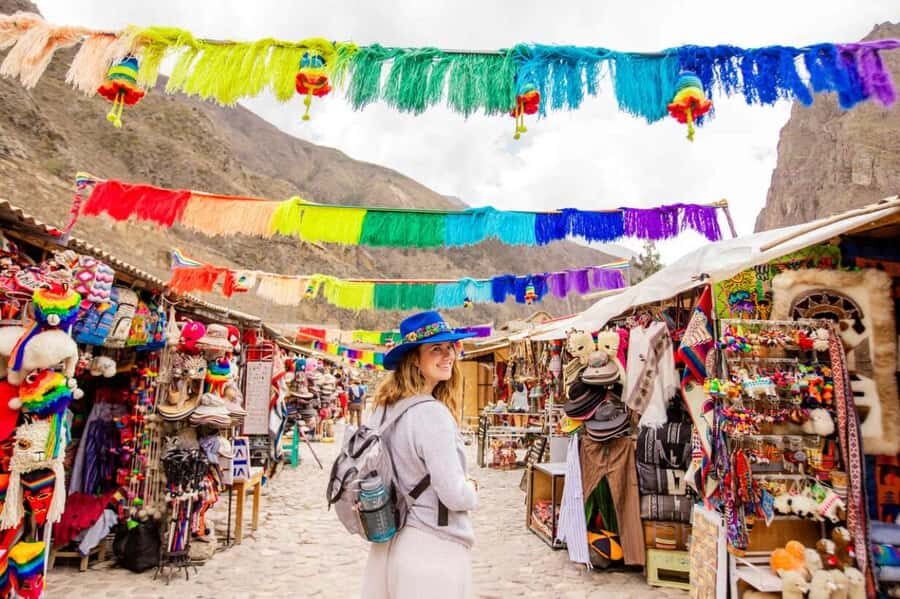
Chinchero is more than a photo stop. This stop is built around the area’s textile tradition, including how natural fibers and dyes can come from local plant and mineral sources. You get guided time and also some free time for shopping at a textile center.
I like this part because it’s hands-on in your brain, even when you’re just watching. The message is clear: weaving wasn’t a hobby. It supported identity, community, and practical life—skills passed through generations and tied to local materials.
Your time here is typically around 25 minutes, which means you’ll need a strategy. If you love textiles, arrive with a simple goal: ask how fibers and colors are made, then pick one or two items that feel honest and wearable to you. If you’re shopping just to browse, know that the clock is already moving.
Moray’s Terraces and the Lesson of Microclimates
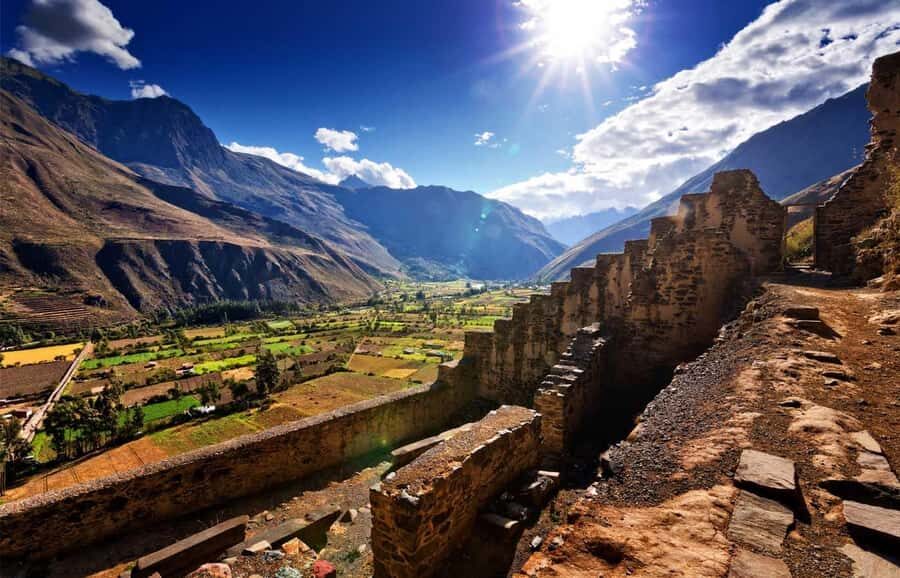
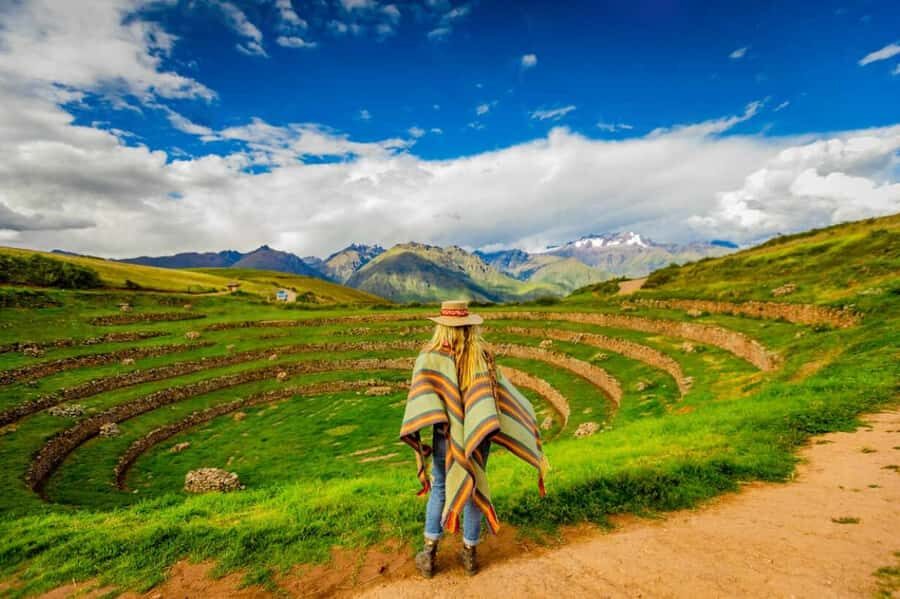
Moray is the Inca agricultural laboratory stop, and it’s the kind of place that rewards paying attention to what you’re looking at. The circular terraces create different microclimates, which allowed the Incas to test crop variety in controlled conditions.
The guided visit here is about 20 minutes, plus a short photo moment. That’s enough time to understand the purpose if your guide explains it clearly—something many English/Spanish bilingual guides have been praised for doing. If you’d like more time, you might not get it on this one-day schedule, but you can still leave knowing what the terraces are and why they matter.
If you’re a “systems” traveler, this is your stop. You’ll come away seeing agriculture as science, not just fields.
Maras Salt Mines: Salt, Trade, and Thousands of Tiny Ponds
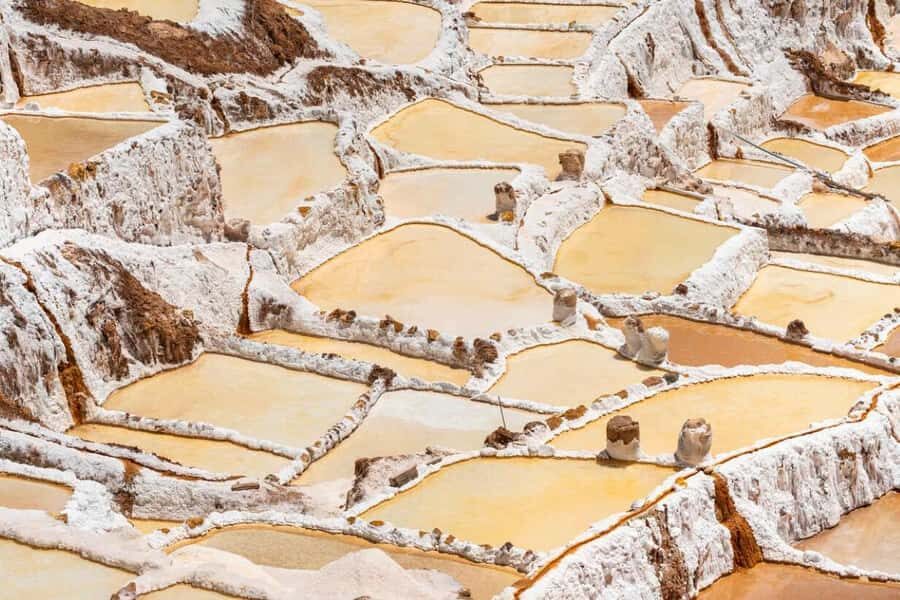
Maras salt mines are one of the most memorable stops on the whole day. You’ll see thousands of salt ponds fed by an underground spring, and the site still works today. Historically, it was also an important trade center during the Inca Empire.
In the schedule, Maras usually takes about 30 minutes of sightseeing plus guided explanation and shopping time. The setting is visually striking, but the bigger value is understanding that this isn’t staged tourist scenery—the ponds are still part of how people make a living.
A useful shopping tip comes from real on-the-ground experience: don’t automatically assume the best prices are at the salt workshop stalls. You may find salt and even chocolate cheaper at Cusco’s markets, like San Pedro or San Blas, where the same goods can cost far less. If you love to bring back food souvenirs, make market time part of your plan.


Urubamba Lunch and Market Break: A Breather That Matters
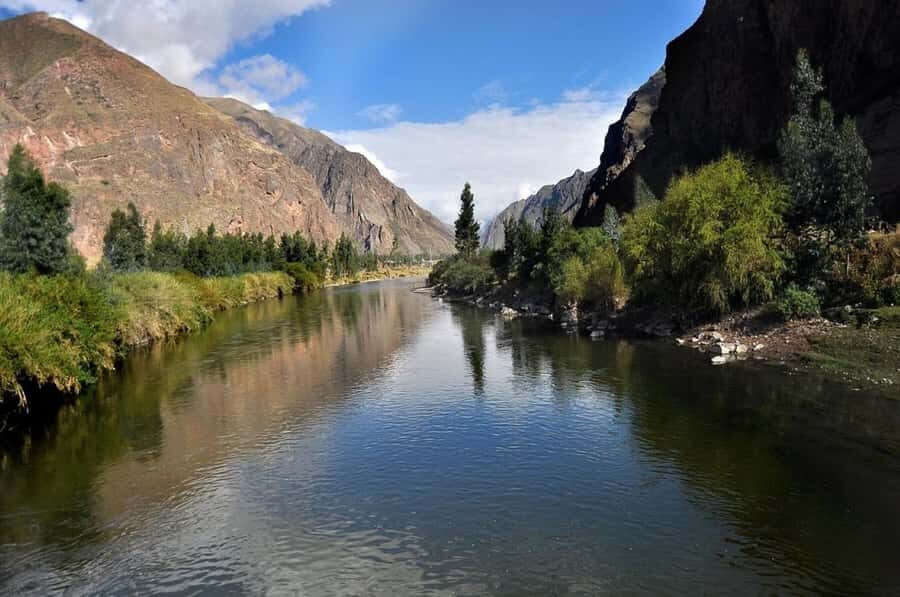
Urubamba is where the schedule gives you breathing room. Lunch is included as a buffet in Urubamba, typically about 50 minutes. Many people like this break because it’s scenic, and it’s the moment you can reset your legs after hills and stairs.
Some versions include hot beverages, while cold drinks are available for purchase. Either way, treat it as your main meal of the day and avoid relying on snacks from the earlier stops.
This is also where you get a taste of local life beyond ruins. The market break is meant to help you see what’s actually sold in the valley—regional products and handicrafts—without taking you deep into the chaos of bargaining all day.
Ollantaytambo: Fortress Views, Living Streets, and Machu Picchu Connections
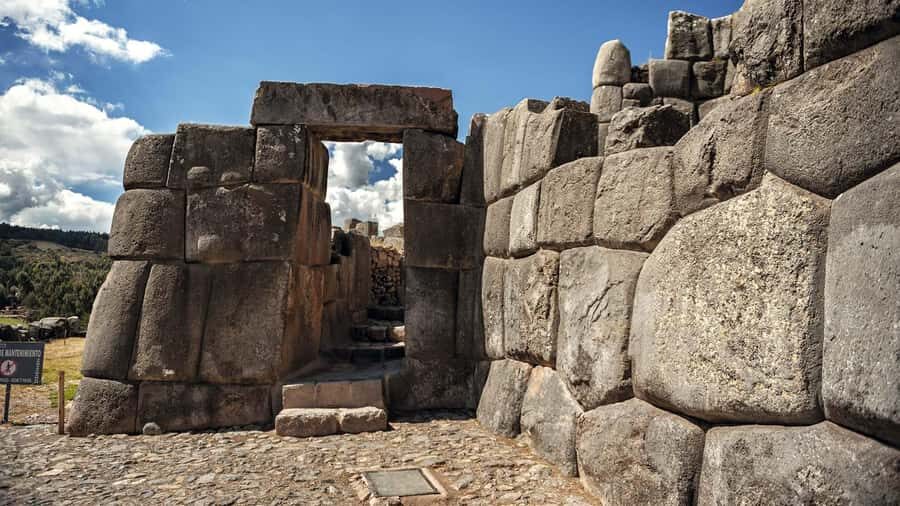
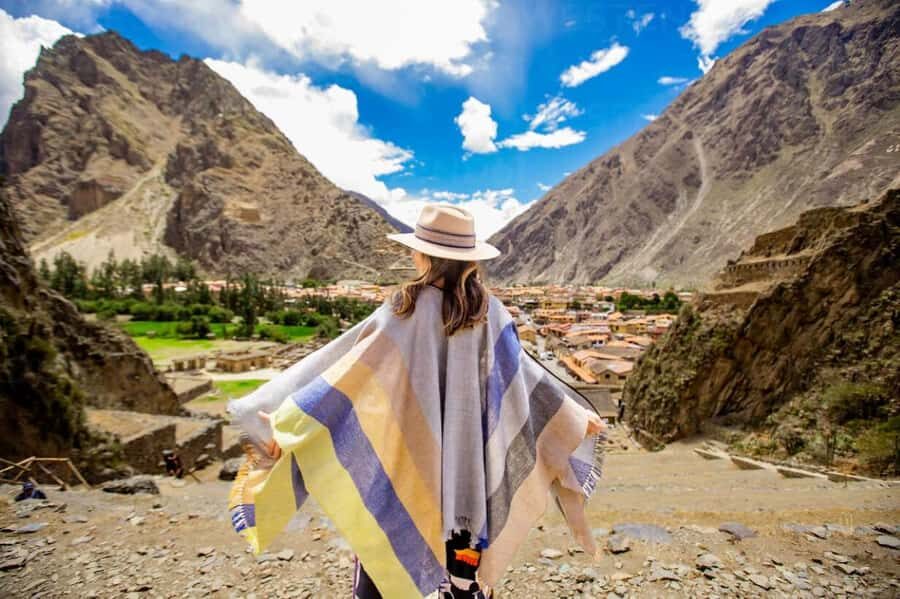
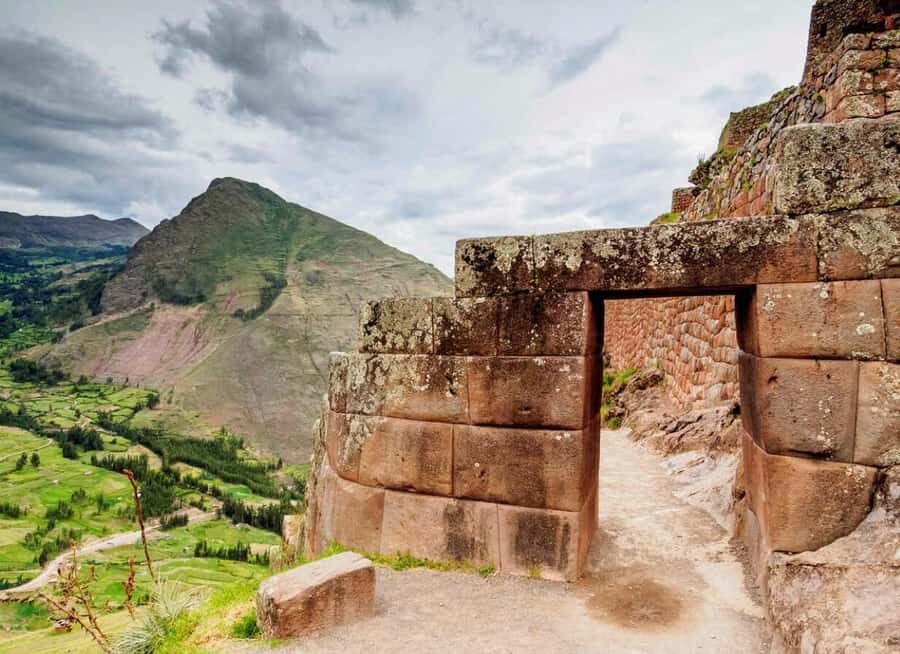
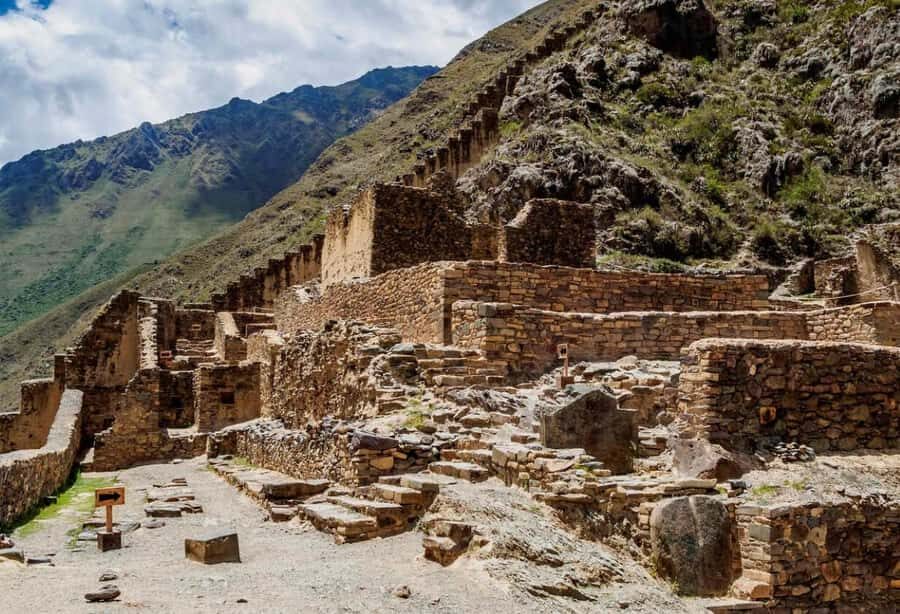
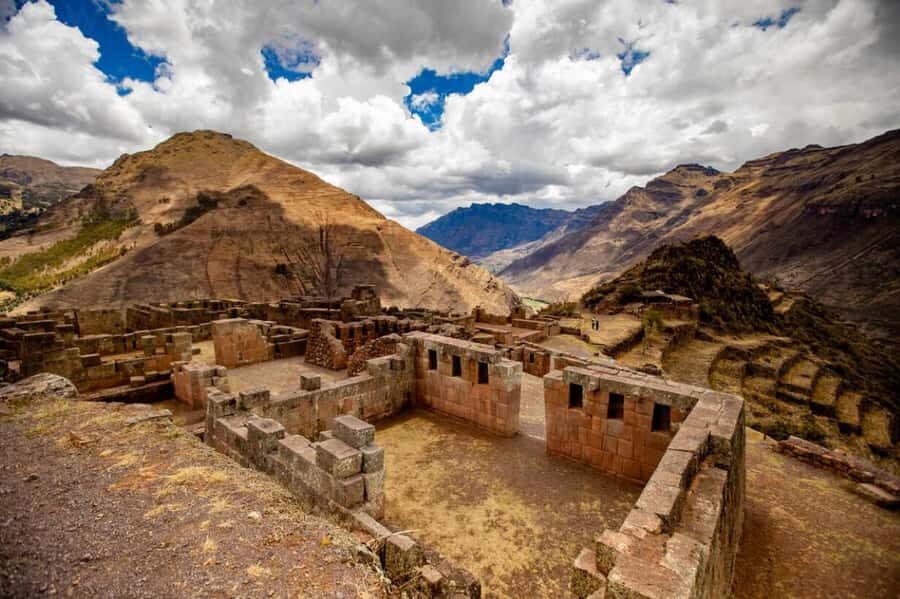
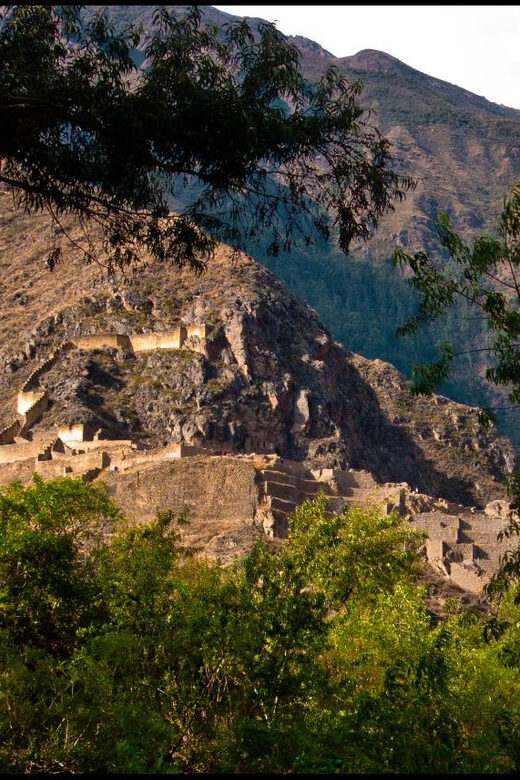
Ollantaytambo is the stop with the most “wow” per minute. You’ll visit the fortress area and also take time in the town, which still preserves its original urban layout. Expect cobblestone streets and stone temples—this is one of the places where history doesn’t feel stuck behind a fence.
In the itinerary, you typically get about 1 hour here, including guided time, photo opportunities, and some free time. There are steep steps in the fortress area, and the pace can feel quick. If you have asthma or mobility limits, bring water, move at your own safe speed, and know you might not be able to linger everywhere.
One especially helpful detail: if you’re continuing on to Machu Picchu, the tour can end in Ollantaytambo at 3:00 p.m., letting you board the train to Aguas Calientes. That’s a big deal for route planning—your travel doesn’t have to be its own separate day.
Pisac: Ruins Above, Market Below
Pisac closes the circle of the day by mixing two kinds of sights. You’ll visit guided sites with the hillside ruins viewpoint, then you’ll also have time to take in the colonial town below. Pisac is known for a popular artisan market, and this is one of the last chances to buy small handmade gifts.
Your guided portion here is around 1 hour, with a bit of flexibility to look around. The wind can be sharp up in the higher areas, so pack for cool air even if Cusco feels warm in the afternoon.
This is also where the “timed tour” reality shows up most clearly. You’ll get enough to feel Pisac’s energy, but you won’t get the unhurried wandering that a full day would allow. If that’s your ideal style, you’d want a slower plan—but if you want the highlights, this delivers.
Price and Logistics: Is $28 Good Value Here?
At about $28 per person for a full-day guided circuit, this is positioned as high value—mainly because the tour packages together transport, guide interpretation, and lunch. You’re not just paying for a ride; you’re paying for someone to connect the dots between weaving, agriculture, salt production, and Inca town planning.
The catch is that you still need to budget entrance fees and some extras. Tourist entrance tickets are not included (listed at 70 soles), and the Salt Mines entrance is 20 soles. Drinks aren’t included either, so bring cash for water or beverages if you need it.
If you’re also doing a Cusco city tour that uses the same general tourist ticket system, consider buying a combined/general tourist ticket rather than separate partial tickets. One reviewer guidance point that makes sense: a full general ticket can cost S/130 and lasts 10 days after purchase, which may save money if you’re stacking activities.
So the real question isn’t only what you pay up front. It’s whether this schedule fits your days. If you only have one shot at the valley, the cost becomes easier to justify.
What to Bring (and What to Skip) for a Long Mountain Day
This tour is simple, but Cusco-region weather and walking require basic prep. Bring:
- Passport
- Sunscreen
- Cash for entrance fees and drinks
- Biodegradable insect repellent
And skip:
- Drones
- Weapons or sharp objects
- Alcohol and drugs
For comfort, I recommend thinking about the day as a walking-and-stairs outing. Ollantaytambo has steep steps, Pisac can be windy and cold, and you’ll sit for long stretches in the coach.
A small, real-world point: bus seating legroom has been called out as tight by some people. If you’re tall or you’re prone to getting stiff, a light layer and a stretch routine can make the ride more bearable.
Guided or Crowds: How the Best Tour Stops Feel
The guides are a major part of the experience. Many names repeat in strong reviews—Victor, Edith, Rudy, Samuel, Christian, Elvis, Joel, and Juan—usually praised for bilingual clarity and for keeping the day organized. What you want is a guide who can explain what you’re seeing in simple terms, then keep you on schedule without turning the day into a sprint.
I’d also watch for the rhythm: short visits at each stop, then a reset on the bus or at lunch. That pattern is perfect if you want to see multiple highlights in one day. It’s less ideal if you need time to “slow look” and photograph every angle for 30 minutes.
A nice bonus when things go well: some guides help with photo spots and may take group pictures if you ask. And they often make sure restrooms are not a mystery at the right moments.
Who This Tour Suits Best (and Who Might Want Two Days)
This is a great match for you if:
- You have very limited time in Cusco
- You want a highlights circuit with guided context
- You’re okay with timed stops and a long day
It may not be your best match if you:
- Want a slow, deep exploration with lots of free wandering
- Have mobility limitations that make stairs hard (especially at Ollantaytambo)
- Want lots of market browsing with extra time to bargain
If you’re unsure, go back to your goal. If your goal is seeing the core Sacred Valley story in one day, this delivers. If your goal is lingering, you’ll feel constrained by the schedule.
My Booking Advice: When This Tour Is a Great Fit
If you’re planning Machu Picchu soon and want Sacred Valley highlights without spending another full day sorting logistics, this tour is a strong option. The built-in lunch break, the variety of sites, and the option to end at Ollantaytambo around 3:00 p.m. are practical advantages.
I’d book it when your itinerary looks like: Cusco base, one day for Sacred Valley, then train onward. You’ll come away with a clear sense of how weaving, farming experiments, salt production, and Inca town planning fit together.
Just be honest with yourself about pace. If you hate rushing, plan an extra day in the valley instead of trying to do everything in 12 hours.
FAQ
How long is the Sacred Valley tour from Cusco?
The tour duration is about 12 hours.
Where do I meet for the tour?
You meet at Plaza de Armas of Cusco at 7:20 a.m. Some options also include pickup from your hotel.
Is hotel pickup included?
Yes, pickup from your hotel in Cusco is included, and the pick-up can be optional depending on the selected option.
What’s included in the price?
Included items are hotel pickup, tourist mobility (shared service), a buffet lunch in Urubamba, a professional English/Spanish guide, and a visit to the textile center of Chinchero.
Are entrance tickets included?
No. Entrance tickets are not included for the tourist sites (listed at 70 soles), and the Salt Mines entrance ticket is listed separately (20 soles).
Can this tour connect to Machu Picchu?
Yes. There is a special option where the tour can end in Ollantaytambo around 3:00 p.m. so you can board the train to Aguas Calientes.
What should I bring for the day?
Bring your passport, sunscreen, cash, and biodegradable insect repellent.
What’s the guide language?
The guide is available in English and Spanish.