REVIEW · CUSCO
Cusco Magical Tour 9 Days in Group
Book on Viator →Operated by Tierras de los Andes · Bookable on Viator
Peru turns you into a sunrise person fast. This 9-day Cusco group trip hits the big classics—Saqsayhuaman, Maras and Moray, Pisac and Ollantaytambo, Machu Picchu, Vinicunca, and Humantay Lake—without you stressing over logistics. I especially like that key admissions and the train are already included, and that the guides run in shared English or Spanish so you’re never stuck. One possible drawback: it’s an active schedule with walking on uneven ground and altitude considerations, so it helps to arrive in moderate physical shape and be ready for weather swings.
The pace is right for people who want the highlights, not a slow crawl. And it’s built for real-life travel: airport pickup and transfers, a free day in Cusco to reset, and day trips that get you home in time to sleep.
If you want everything planned and timed, this tour fits. If you prefer total freedom and no group rhythm, you might feel the clock more than you’d like.
In This Review
- Key points that matter on this Cusco Magical Tour
- Day 1: Airport pickup and your first Cusco reset
- Day 2: Saqsayhuaman and Cusco’s archaeological core
- Day 3: Maras salt flats and Moray’s Inca farm experiments
- Day 4: Pisac artisan market, Ollantaytambo, then train to the Machu Picchu hot springs
- Day 5: Machu Picchu, one of the 7 wonders, plus the return to Cusco
- Day 6: Vinicunca (Mountain of Colors) with a 2-hour walk
- Day 7: A genuine free day in Cusco for markets and views
- Day 8: Humantay Lake hike for big views and a real walking day
- Day 9: Fly from Cusco to Lima and connect home
- Group size, guide support, and what you get from the organization
- Included vs not included: where the value really shows up
- Who this Cusco Magical Tour is best for
- Should you book this 9-day Cusco and Machu Picchu group tour?
- FAQ
- How long is the Cusco Magical Tour?
- What major sites are included during the 9 days?
- Are guides included, and what languages do they speak?
- Is the train to the Machu Picchu area included?
- What’s the group size for this tour?
- What level of fitness do I need?
Key points that matter on this Cusco Magical Tour
- Small group size (max 15) keeps the vibe friendly and makes meeting points easier to manage
- Train tickets included for the Machu Picchu hot springs connection means one less moving part
- Guides in shared English or Spanish helps you follow the story even on busy days
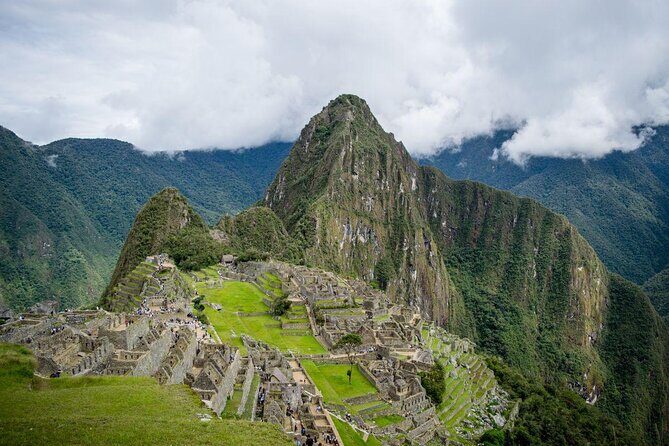
- Saqsayhuaman + Sacred Valley + Machu Picchu is a clean best-of route in one go
- Named support from the team shows up in reviews, including Estrella Condori, Rosmery, and Sheri
- Altitude and weather prep is part of the real experience—and you’ll want to plan for it
Day 1: Airport pickup and your first Cusco reset
Your trip starts the practical way: someone picks you up from the airport and gets you to your hotel. That sounds basic, but in Peru it’s gold. When you land tired and a bit overwhelmed, having transfers handled means you can focus on settling in rather than hunting down the next step.
Cusco’s altitude can hit people differently. You’re not “supposed” to do anything dramatic on day one, so treat this as a gentle entry. I’d use the evening to hydrate, eat something light, and take a short walk only if your body feels okay.
You can also read our reviews of more tours and experiences in Cusco.

Day 2: Saqsayhuaman and Cusco’s archaeological core
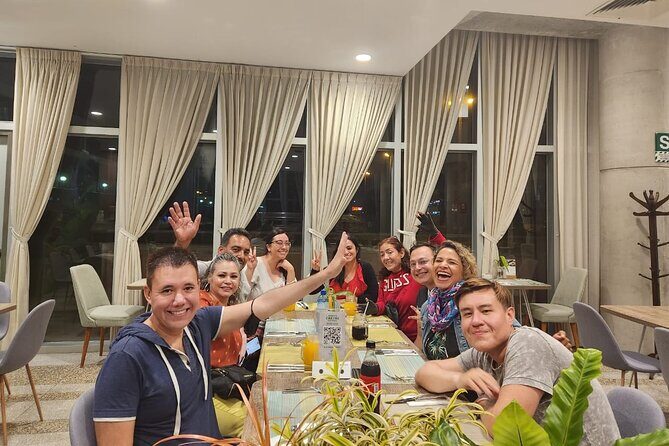
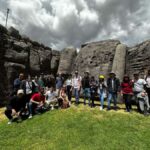
The city tour day is built around Cusco’s most important archaeological stops, including Saqsayhuaman and three other major sites. The benefit of grouping these together is simple: you get context fast. Cusco isn’t just pretty streets and balconies—there’s an ancient spine running through the city, and this is a clean way to learn it.
What I like about this format is the time balance. You’re out and exploring for about 6 hours, but it’s not a full-day crawl. It’s also a good day to learn the basics of the area’s history and architecture before you head out to the Sacred Valley.
The only caution: wear comfortable shoes. Stones here aren’t the friendly kind, and you’ll want to keep your feet happy for the days that follow.
Day 3: Maras salt flats and Moray’s Inca farm experiments
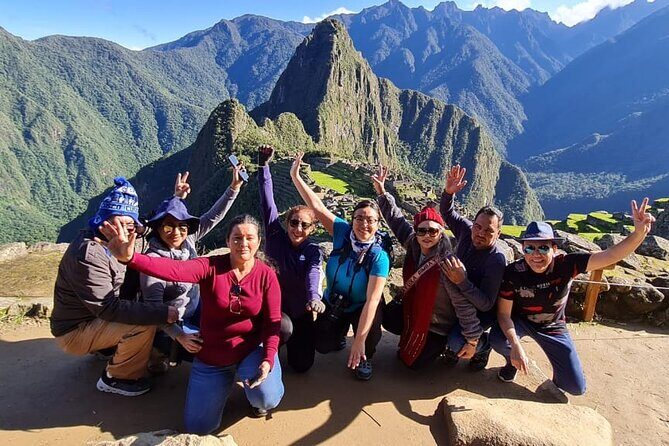
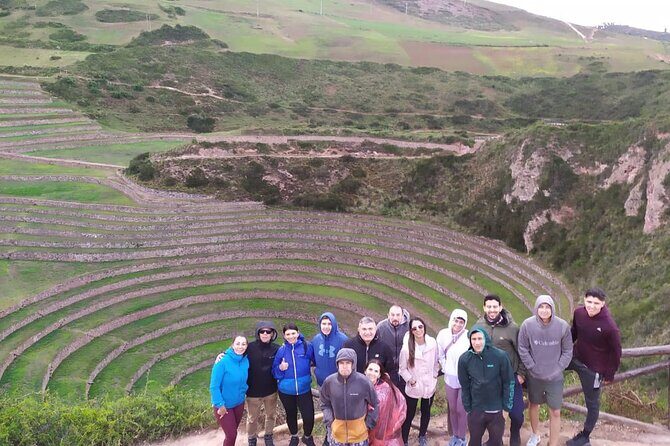
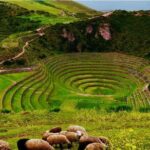
Day three takes you to the Sacred Valley for two very different but equally fascinating places: the Maras salt flats and Moray.
- Maras salt flats are visually striking, and the point of a guided stop is knowing what you’re looking at. These are not “random salt pools.” They’re tied to traditional production and the landscape’s role in survival and trade.
- Moray is the opposite in feel. It’s more about design—the Inca agricultural laboratory concept. You’re looking at how people experimented with growing conditions by using terraced bowls and microclimates.
This day runs about 8 hours, so it’s a true day trip. I like that it doesn’t just show you one wow stop. You get contrast: human engineering for food, and human extraction from the land.
Drawback to consider: it can be a long day. If you’re sensitive to altitude or fatigue, go easy on the first long stops—save your big energy for Machu Picchu and the big hikes later.
Day 4: Pisac artisan market, Ollantaytambo, then train to the Machu Picchu hot springs
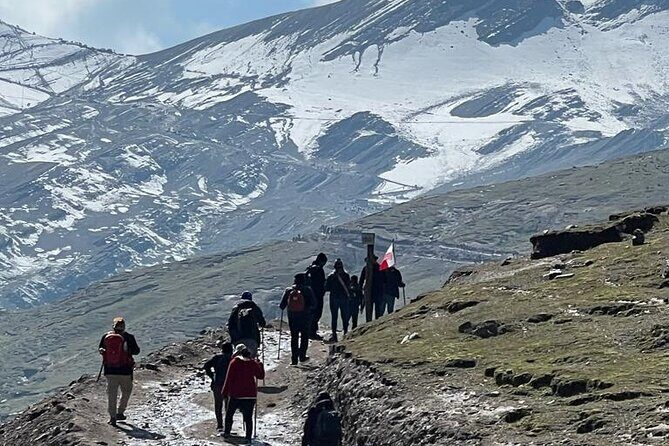
This day is a chain of best moments:
- Pisac archaeological site
- Pisac artisan market
- Continue to Ollantaytambo
- Then train to the hot springs village used for the Machu Picchu area
The value here is flow. Instead of backtracking, you keep moving through the Sacred Valley and end day four positioned for Machu Picchu.
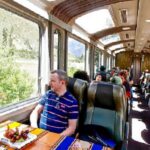
The tradeoff is time and transitions. Train days can feel like a lot—waiting, boarding, getting your bearings. But the tour’s advantage is that train tickets are included, so you’re not scrambling to buy the right category at the wrong time.
One more practical note: if you plan to shop in Pisac, do it early in your day. Markets can tempt you, but you’ll have less mental bandwidth once you’re thinking about the train and getting ready for the next morning.
Day 5: Machu Picchu, one of the 7 wonders, plus the return to Cusco
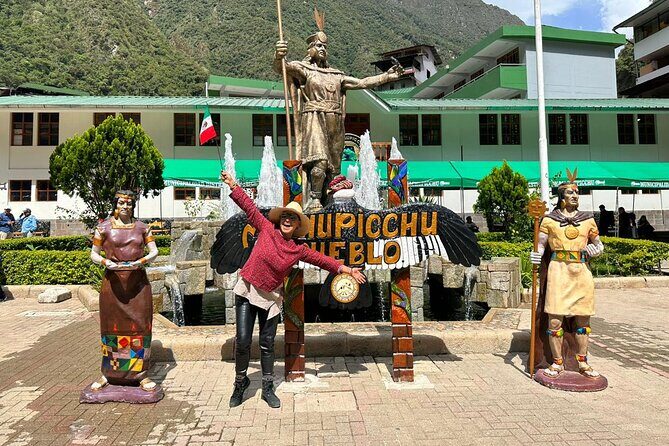
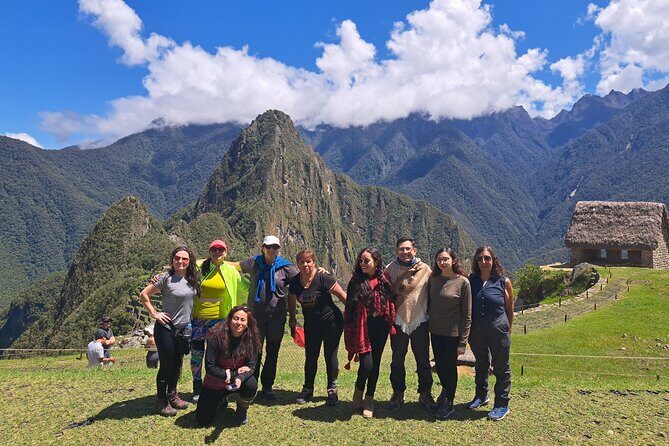
This is the headline day. You visit the Historical Sanctuary of Machu Picchu for about 10 hours, then return to Cusco in the afternoon.
What makes Machu Picchu special isn’t just the photo. It’s the way it reads in person—stonework, placement on a ridge, and the feeling that this was built to work with the environment. A guided visit helps you connect the dots so you’re not just walking through ruins hoping it clicks.
The big consideration is stamina. Even if you don’t think of yourself as a hiker, Machu Picchu involves uneven paths and stairs. Add altitude and it’s a different workout than you’d do at home.
My advice: pace yourself. Don’t sprint to the first viewpoints. If you want the best experience, move slowly, take breaks, and let the place reveal itself.


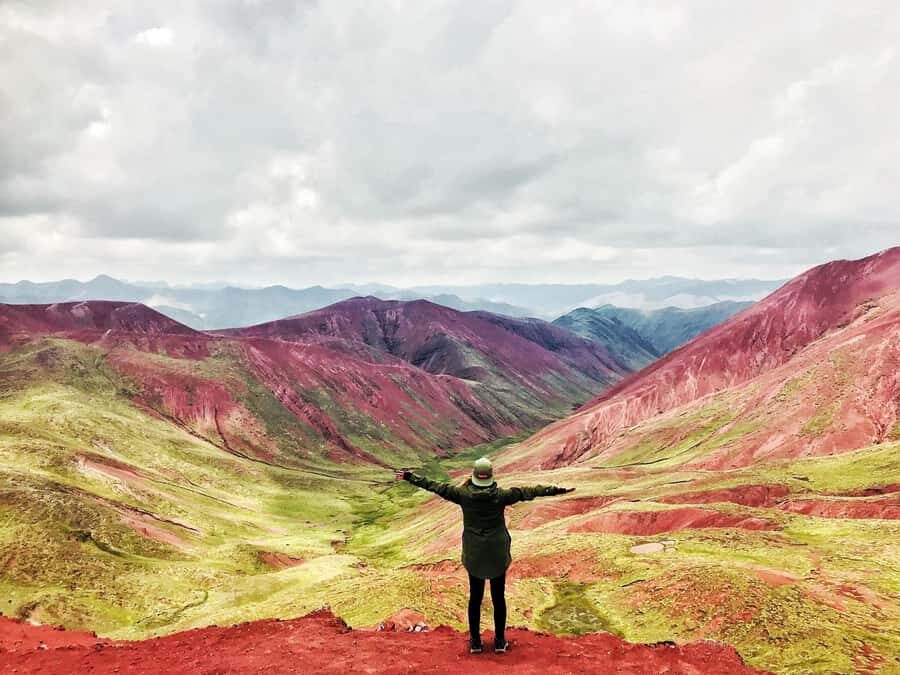
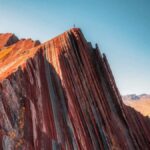
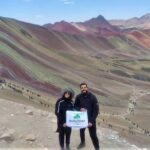
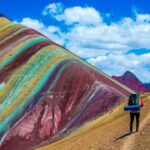
Day 6: Vinicunca (Mountain of Colors) with a 2-hour walk
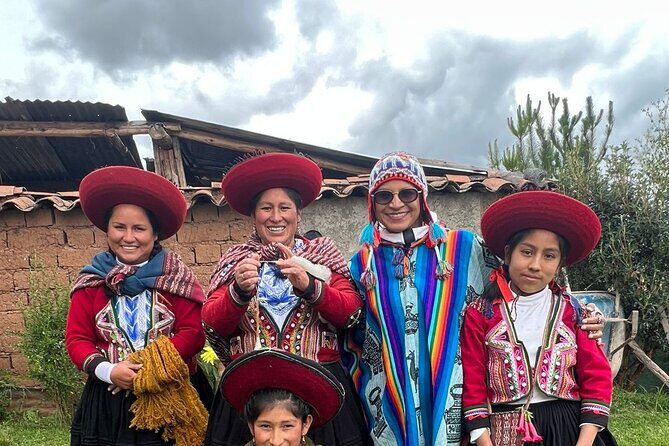
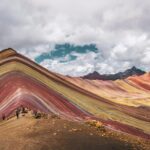
Day six is Vinicunca, also called the Mountain of Colors. The active part is a walk of about 2 hours.
This is the kind of day where good planning matters more than speed. The colors come from the geology, but the hike comes from the weather, wind, and footing. In Peru, conditions can change fast, and that’s why people often mention paying attention to seasonal weather and how you feel at altitude.
If you’re going, bring layers you can actually adjust. And don’t forget to factor in the walk time when you decide your priorities for photos. I’d rather get the view a little later with less fatigue than arrive drained and only half enjoy it.
Day 7: A genuine free day in Cusco for markets and views
This is one of the smartest parts of the itinerary: you get a free day in Cusco (about 8 hours).
After back-to-back archaeological and hike days, this break helps you recover without losing momentum. Use it for street wandering, market browsing, and viewpoint time. Cusco’s charm is in the mix: stone streets, church courtyards, and simple daily life.
I love free days because they let you travel your way. If you want quiet, you’ll find it. If you want shopping, you’ll find that too. You’re not trapped in a schedule for once.
The one caution: plan rest as part of your day, not an afterthought. Altitude recovery doesn’t work like a battery—you need sleep, water, and gentle movement.
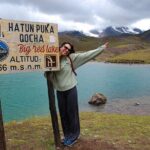
Day 8: Humantay Lake hike for big views and a real walking day
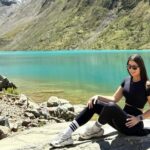
Day eight goes to Humantay Lake. The walk is about 2 hours, and in the afternoon you return to Cusco.
Humantay tends to feel like a reward day. It’s another hike, but the payoff is usually the scenery and the sense of being deep in the Andes. The guide’s role here is mainly keeping things moving and helping you understand the route and timing so you’re not stuck guessing.
Practical tip: treat this as a workout day. If you pace well and keep your effort steady, you’ll enjoy the walk more. If you go out too fast, you’ll burn energy early and the last stretch will feel longer than it needs to.
Day 9: Fly from Cusco to Lima and connect home
Your final day is travel out. You fly from Cusco to Lima, then take your flight home. It’s short on activities (about 6 minutes listed for the transfer part), but it’s still a key day for planning your timing.
If your international flight is later that day, you’ll want to keep your boarding times and connection windows clear. Build in buffer if you can, because airports can be unpredictable.
Group size, guide support, and what you get from the organization
This tour runs with a maximum of 15 travelers. In a group tour, that matters. Smaller groups often mean less chaos at meeting points and more ability to ask questions without waiting your turn for a full briefing.
The guides are in shared English or Spanish, and that’s a real comfort for most people. You get explanations without the cost of private guiding.
One thing I took from the feedback you shared is the strength of the human touch. People specifically called out support from team members like Estrella Condori, Rosmery, and Sheri, mentioning how attentive they were before and throughout the trip. That kind of follow-through can make the difference between a plan that sounds good on paper and a trip that actually feels smooth.
There’s also an important theme in the guidance: help with preparation. Altitude sickness awareness and weather timing came up in comments, and it makes sense. In Cusco and the Andes, feeling prepared isn’t extra. It’s part of enjoying the day.
Included vs not included: where the value really shows up
The price is listed at about $1,710.16 per person for a 9-day experience. Is it worth it? For me, the value comes from what gets handled:
Included in the package:
- Guides
- Tickets to activities (where listed as included)
- Train tickets
- Shared visits in English or Spanish
Not included:
- Drinks and meals not clearly mentioned in the program
- International flights to Peru
So you’re not just paying for views. You’re paying for transportation coordination (including train), entry planning, and guidance through a route that could become a headache if you DIY everything.
It’s also worth noting that some comments praised the presence of hotels and meals like breakfasts and lunches. That’s not listed in the package summary you provided, so I’d treat it as a bonus that some departures include rather than a universal guarantee. Still, it signals that at least part of the service experience tends to be more complete than a ticket-only day pass.
Who this Cusco Magical Tour is best for
This plan fits you if you want:
- A structured way to hit Cusco + Sacred Valley + Machu Picchu in one shot
- A group vibe with max 15 people
- Guides to handle tickets and train logistics
- A mix of culture stops and active days (Vinicunca and Humantay)
You might want to look elsewhere if you:
- Want lots of free wandering every day
- Have very limited mobility or can’t manage uneven walking and altitude effects
- Hate group pacing and meeting points
And for altitude: the tour notes suggest moderate physical fitness, plus the real-world comments mention thinking about altitude sickness. If that’s a concern for you, talk to a clinician before you go, and plan slower effort during the first days.
Should you book this 9-day Cusco and Machu Picchu group tour?
I’d book it if your priority is getting the Peru highlights done in a confident, guided way—especially Machu Picchu plus the train connection—while still getting one real reset day in Cusco.
Before you commit, double-check two things:
- Your comfort level with walking days: Vinicunca and Humantay Lake both involve about 2 hours of hiking on rough terrain.
- Your altitude and weather plan: Cusco and the high Andes can surprise you, so pack for cold and wind, and don’t treat the forecast as a guarantee.
If that sounds manageable, this itinerary is a strong value choice because it stacks the major sites with support and tickets handled, not just a driver and a loose suggestion.
FAQ
How long is the Cusco Magical Tour?
The tour is listed as 9 days (approx.).
What major sites are included during the 9 days?
You’ll visit Saqsayhuaman, Maras salt flats, Moray, Pisac, Ollantaytambo, Machu Picchu, Vinicunca (Mountain of Colors), and Humantay Lake.
Are guides included, and what languages do they speak?
Yes, guides are included, and visits are in English or Spanish in a shared service.
Is the train to the Machu Picchu area included?
Yes. The package includes train tickets.
What’s the group size for this tour?
The group is limited to a maximum of 15 travelers.
What level of fitness do I need?
You should have a moderate physical fitness level, since you’ll do walking and hiking days during the trip.