REVIEW · CUSCO
cusco – machu picchu – sacred valley – rainbow mountain
Book on Viator →Operated by Head Expeditions Peru · Bookable on Viator
Three days can change how you see Peru. You’ll string together Sacred Valley of the Incas icons, a Machu Picchu sunrise visit, and the eye-popping hike to Rainbow Mountain. Two things I like a lot are the well-paced mix of culture and ruins on Day 1, and the very early start that gets you into Machu Picchu while the light is at its best. A fair heads-up: this is early, long, and active, and water isn’t included, so you’ll want to plan for comfort.
I also appreciate the human touch built into the experience. The tour is private, you get pickup, and there’s solid guide support with WhatsApp help during your 3+ days in Peru. Add in practical inclusions like coca tea, a first aid kit, and even emergency oxygen, and you’re not just buying sightseeing—you’re buying a smoother plan.
Finally, the price is more reasonable than it looks at first glance because key pieces are bundled: professional guide time, train transport, and tickets/entrance coverage across the itinerary, plus lunch. One more consideration: you should have moderate physical fitness for the Rainbow Mountain hike and the daily walking.
In This Review
- Key points at a glance
- What You Pay (and What You Actually Get) for $579
- Day 1 in the Sacred Valley: Chinchero, Weaving, Maras, Moray, and Ollantaytambo
- Boarding the Train to Aguas Calientes: Why the Timing Matters
- Day 2 Machu Picchu Sunrise: Bus Ride, Guided Circuit, and Real Time at the Site
- Optional Add-Ons at Machu Picchu: Waynapicchu, Machu Picchu Mountain, and the Museum
- Day 3 Rainbow Mountain Peru: Early Pickup, a 1.5-Hour Hike, and 45 Minutes to Explore
- What Makes This Itinerary Feel Good (Not Just Busy)
- Practical Tips You’ll Be Glad You Follow
- Who Should Book This 3-Day Peru Combo
- Should You Book It?
- FAQ
- FAQ
- How long is the tour?
- What’s the meeting point and start time?
- Is hotel pickup included?
- Is this a private tour?
- What’s included in the price?
- Is water included?
- Does the tour include Machu Picchu admission?
- What about extra hikes like Waynapicchu or Machu Picchu Mountain?
- How difficult is Rainbow Mountain?
- What happens if weather is bad?
Key points at a glance
- Private tour feel: only your group participates, so you’re not stuck behind other people’s pace.
- Sunrise at Machu Picchu: extremely early timing plus about 2 hours inside for a guided look.
- Day 1 Sacred Valley mix: Chinchero weaving, colonial ruins, then Maras and Moray, then Ollantaytambo.
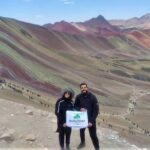
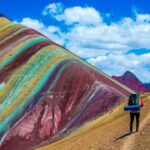
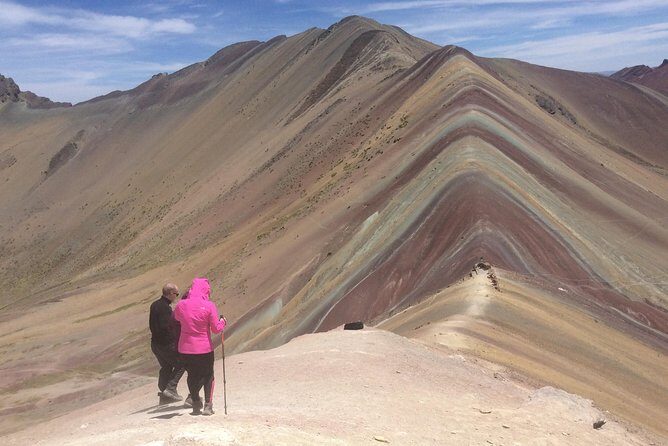
- Rainbow Mountain timing: 1.5-hour hike plus 45 minutes to explore the summit area and colors.
- Safety extras included: first aid kit, coca tea, traveler pillow/blankets, and emergency oxygen.
What You Pay (and What You Actually Get) for $579
$579 per person for three days sounds like a lot until you break down what’s typically expensive in this region. Here, you’re not just getting a guide and a bus. You’re also getting train rides and entrance/tickets built into the plan, plus lunch.
That matters because Machu Picchu days can turn pricey fast when you start adding transport, trains, timed access, and on-the-ground guidance. This package approach is easier on your planning stress. You’ll also move with roundtrip transportation so you’re not spending your energy figuring out schedules while you’re already tired from early mornings.
One more value point I’d call out: the inclusions go beyond sightseeing comforts. You get coca tea, a first aid kit, and emergency oxygen. It’s not something you want to use, but it’s a very real confidence boost—especially on physically demanding days with a sunrise start and a mountain hike.
You can also read our reviews of more tours and experiences in Cusco.

Day 1 in the Sacred Valley: Chinchero, Weaving, Maras, Moray, and Ollantaytambo
Day 1 starts with pickup from your hotel area, and the meeting point is very specific: the Ruinas & Calle San Agustin area, in front of the Hotel Marriott, with staff holding the company logo. Start time is 7:00 am. If you like being on the move early (and you don’t mind a full day), this is your kind of itinerary.
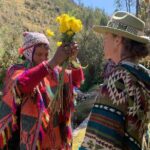
The first major stop is Chinchero, where you’ll spend time at a craft weaving center. This is more than a quick photo stop. The point is to see how weaving traditions connect to daily life in the Andes, not just to watch something staged for tourists. You also visit a colonial temple and ruins in the same area. That combination helps you understand the layered timeline of Peru: Inca-era ideas and materials alongside the later colonial imprint.
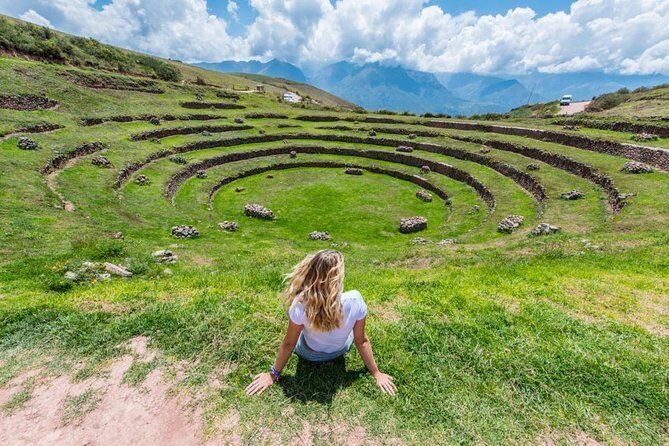
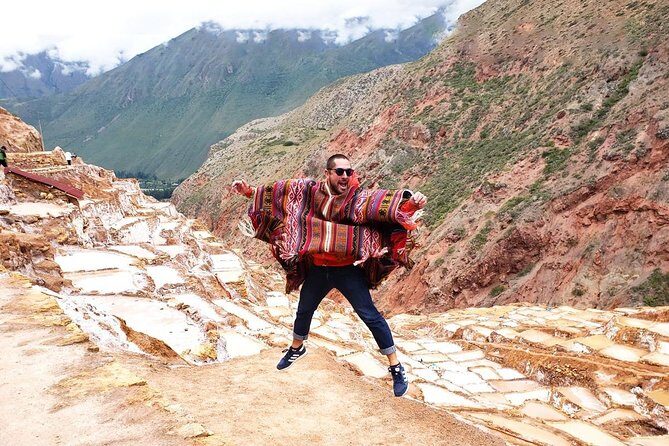
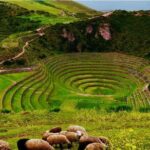
Next up are Maras and Moray. Moray is famous for its unusual terraced landscape, and Maras is known for its distinctive salt-related views. The best way to think about these stops: they’re short breaks that keep the day visually interesting while still feeding your understanding of how people used the land. If you like geography and practical history—how people shaped agriculture and resources—you’ll enjoy the switch from temple/ruins into these “how did they do this?” landscapes.
Lunch is in Urubamba. Then you continue on to Ollantaytambo, where you explore the town. This is a smart move because Ollantaytambo is a place you can walk through and feel the old-world layout. You’re not only visiting ruins; you’re also getting a sense of the living town shape.
Then, at about 6:30 pm, you take the train to Aguas Calientes. That evening transition is important. It sets you up for the next day’s Machu Picchu sunrise timing, and it reduces the last-minute chaos that usually comes from trying to travel up and still see the first light.
Boarding the Train to Aguas Calientes: Why the Timing Matters
The train portion on Day 1 is the “quiet backbone” of this whole plan. You reach Aguas Calientes in the evening, so on Day 2 you can get moving very early for Machu Picchu rather than fighting logistics.
In plain terms: sunrise tours are unforgiving. If you arrive late or travel in the morning without a buffer, the day can feel rushed and stressful. By contrast, this schedule builds in that overnight positioning. Even if you don’t spend hours in Aguas Calientes, you’re benefiting from not having to do the hardest part of the journey right at dawn.
If you’re the type who hates tight connections and last-minute transfers, you’ll like how this is set up. You’re not improvising. You’re following a plan that’s designed around early-day access.
Day 2 Machu Picchu Sunrise: Bus Ride, Guided Circuit, and Real Time at the Site
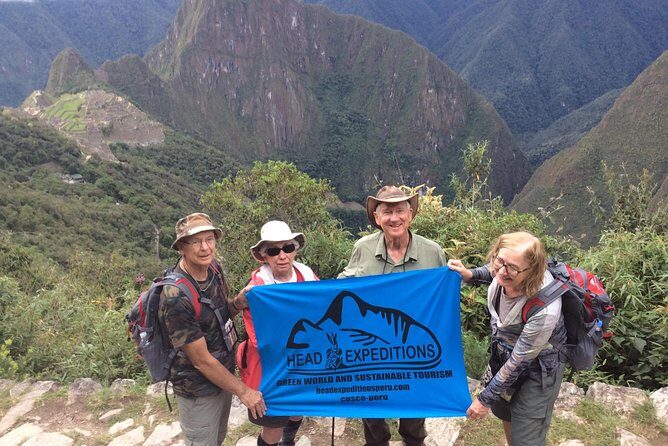
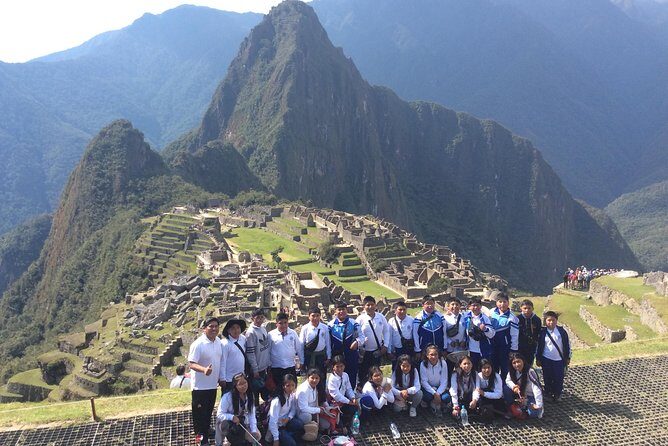
Day 2 is the headline. You’ll get up very early to see the sunrise at Machu Picchu. After that, you take a bus for about 30 minutes to reach the site.
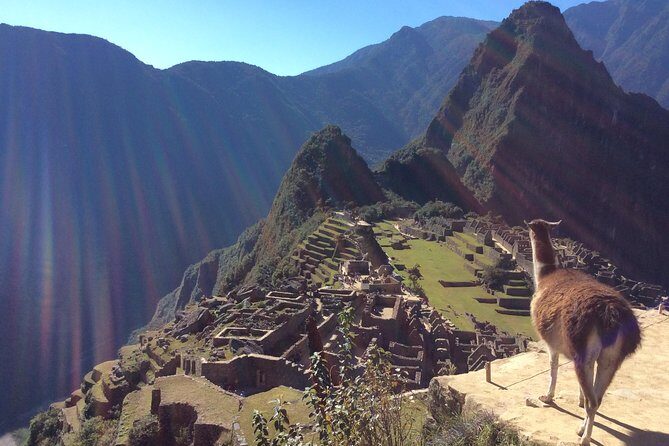
Once you’re there, you get about 2 hours to explore the sacred city with a guide. Two hours is long enough to appreciate layout and key viewpoints without feeling like you’re sprinting the whole time. You’ll also get the benefit of having someone interpret what you’re looking at—where things sit, how the complex reads, and what’s worth your attention versus what you can skip.
Then you head back to Aguas Calientes to take the train back to Cusco. That return timing is practical. It keeps the day from turning into a travel marathon and helps you preserve energy after a sunrise start.
One extra note that can affect your experience: Machu Picchu access can be crowded. This tour’s early timing is built for sunrise viewing, which is exactly when many people prefer to see the site.
And in the best-news category: the Machu Picchu admission ticket is listed as free for this tour. That means you’re not paying extra to enter the main site as part of the package.
Optional Add-Ons at Machu Picchu: Waynapicchu, Machu Picchu Mountain, and the Museum
You’ll also have options during Day 2 for what you do in addition to the main 2-hour sacred city visit. The two common add-on choices mentioned are the Mountain of Waynapicchu and Machu Picchu Mountain. There’s also a museum option you can explore.
Here’s the practical part: these add-ons depend on what you choose and what’s feasible with your timeline. The data you have doesn’t specify how the add-on ticketing works beyond the main admission coverage, so plan to confirm any extra access requirements with the operator when you book.
From a decision standpoint, I’d choose based on your energy level. If you love viewpoints and don’t mind a bit of extra effort, the mountains can be rewarding. If you prefer a calmer pace or you’d rather focus on the main site details, skip the hike and spend that time understanding the structures and viewpoints you’ll already see.
The museum option can be a nice “brain anchor” after the morning walk—especially if you want context for what you’re seeing and why it matters.


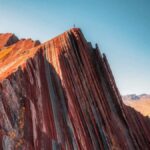
Day 3 Rainbow Mountain Peru: Early Pickup, a 1.5-Hour Hike, and 45 Minutes to Explore
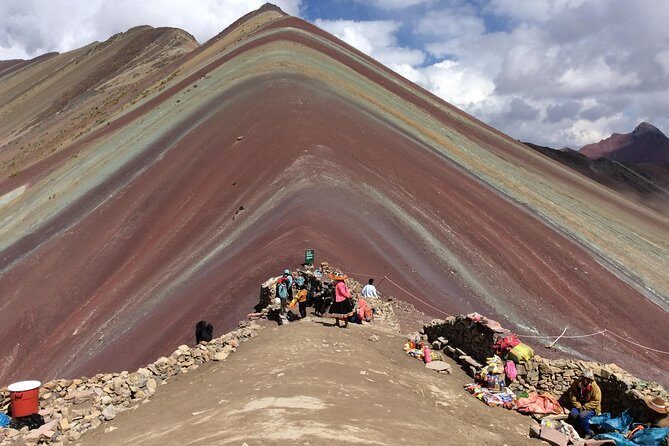
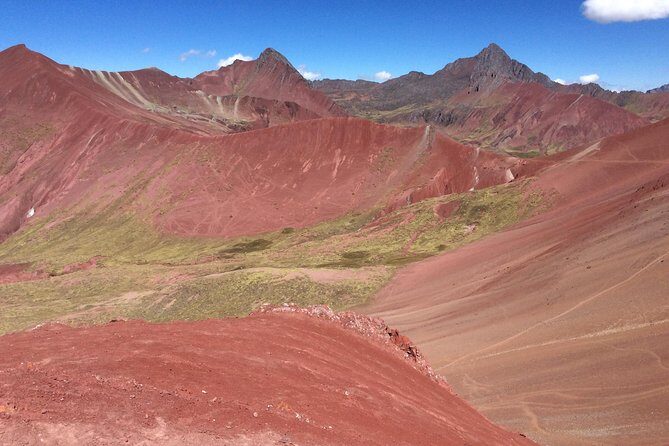
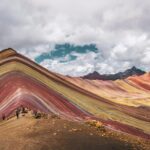
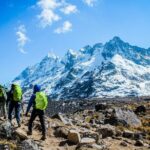
Day 3 starts even earlier. You’ll be picked up from your hotel to head toward the south valley of Cusco and then to Rainbow Mountain. The hiking schedule is clearly structured: a hike of about 1.5 hours, then around 45 minutes exploring the mountain area before returning to the start of the hike.
This is the kind of day where pace matters. One goal is to get you there when the light and colors are at their best, and another goal is to keep the hike from turning into a stamina battle. With 45 minutes on-site, you’re not only passing through. You get enough time to actually look, photograph, and take in the scene.
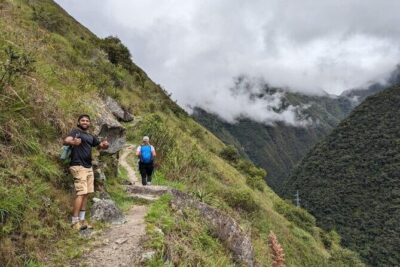
It’s also a day that explains who this tour is best for. The itinerary calls for moderate physical fitness, which makes sense here: you’ll be hiking up at altitude and walking on uneven ground. If you’re cautious about your legs or you don’t handle hills well, this part could feel like the hardest day of the three.
The good news is the tour includes the basics that help you get through it: emergency oxygen and first aid kit, plus traveler comforts like a pillow/blankets and coca tea. Those aren’t magic, but they can make the day feel less rough.
Also, Day 3 admission is listed as included, so Rainbow Mountain is part of the package rather than an add-on you have to budget separately.
What Makes This Itinerary Feel Good (Not Just Busy)
A lot of multi-stop tours feel like a checklist. This one at least tries to connect the dots between stops.
- Chinchero isn’t just “a town.” It’s tied to weaving craft and then anchored by colonial-era ruins, so you see continuity and change.
- Maras and Moray add a practical layer: the way land and resources were used.
- Ollantaytambo gives you a town to walk through after the ruins and craft stops, so the day feels less like hopping between viewpoints.
- Machu Picchu sunrise gives you the emotional payoff. You’re not arriving mid-day with the sense that you missed the moment.
- Rainbow Mountain closes the trip with a different kind of spectacle: a hike-based reveal rather than another ruin.
And it helps that you have a professional guide. The tour includes a guide for your group, which is the difference between seeing a place and understanding why it’s arranged the way it is.
Finally, the private-group setup changes the vibe. You move at a pace that fits your group rather than getting pulled along by a large crowd rhythm. That’s especially helpful on a day like Day 2, where timed sunrise logistics matter.
Practical Tips You’ll Be Glad You Follow
You’re starting early on multiple days. That’s not optional. If you’re used to traveling slowly, this itinerary will feel like a gear shift. Pack like it’s an active trip, not a museum day.
What to bring based on what’s not included:
- Bring water. It’s explicitly not included, and you’ll want it for the hike and walking.
- Have layers. Morning starts can feel cooler, and the day can warm up quickly.
- Wear good shoes. Day 3 is a hike, and Machu Picchu involves walking on uneven surfaces.
Comfort and support items are partially covered. You’ll receive traveler pillow and blankets, plus coca tea and first aid tools. Still, personal comfort is personal—so bring whatever helps you sleep and breathe well in the cold-to-warm swings.
One more practical note: the tour requires good weather. If weather conditions block the experience, you’ll be offered another date or a full refund. In other words, don’t plan this trip as the only fixed anchor in your Peru itinerary. Give yourself flexibility.
Who Should Book This 3-Day Peru Combo
This tour is a strong match if you:
- want Sacred Valley + Machu Picchu + Rainbow Mountain without managing separate bookings,
- like guided interpretation rather than wandering alone,
- can handle early mornings and moderate physical effort,
- prefer a private-group experience.
It may not be the best fit if you:
- hate hiking or uneven walking,
- need a fully relaxed pace with no sunrise pressure,
- rely on water and snacks being provided (since water is not included).
Should You Book It?
I’d book this if your goal is maximum iconic Peru with minimal logistics headaches. The biggest reason is the structure: Sacred Valley sets up the context, Machu Picchu sunrise delivers the big moment, and Rainbow Mountain gives you a different kind of payoff on Day 3. Add in the included train rides, included entrance/tickets where listed, and safety extras like emergency oxygen, and it’s solid value for a package that could otherwise be a headache to piece together.
If you do book, plan for early starts and bring water. Treat the hike day seriously with good shoes and realistic energy. And if communication matters to you, you’ll appreciate the guide support via WhatsApp that’s mentioned as a help during the trip.
FAQ
FAQ
How long is the tour?
It’s listed as about 3 days.
What’s the meeting point and start time?
The meeting point is Ruinas & Calle San Agustin, in front of the Hotel Marriott, and pickup starts at 7:00 am.
Is hotel pickup included?
Yes, pickup is offered.
Is this a private tour?
Yes, it’s private, and only your group will participate.
What’s included in the price?
Lunch, emergency oxygen, first aid kit, traveler pillow and blankets, coca tea, entrance/tickets, roundtrip transportation, professional guide, and train are included.
Is water included?
No, water is not included.
Does the tour include Machu Picchu admission?
Machu Picchu admission is listed as free as part of the tour.
What about extra hikes like Waynapicchu or Machu Picchu Mountain?
They’re listed as options during the Machu Picchu day, but the provided data doesn’t specify details beyond that they are optional choices.
How difficult is Rainbow Mountain?
The tour says travelers should have moderate physical fitness, and the hike is about 1.5 hours plus about 45 minutes exploring.
What happens if weather is bad?
The experience requires good weather. If it’s canceled due to poor weather, you’ll be offered a different date or a full refund.