REVIEW · CUSCO
Salineras de Maras Moray and Hands of the Community
Book on Viator →Operated by cusco travel & treks · Bookable on Viator
Salinas and Moray in one morning is a strong combo. You’ll start with Manos de la Comunidad, a hands-on cultural stop that mixes native animals with Andean textile know-how, then roll straight into the Salinas de Maras salt mines and the Inca agricultural experimentation of Moray. I like that the day feels varied without being rushed between totally unrelated sites, and I especially like getting clear explanations from your guide at each stop. One thing to plan for: the time blocks can feel tighter than you expect, so build in a bit of buffer for the full day.
This is also a good fit if you want to get out of central Cusco and still keep your schedule under control. You get hotel pickup, an air-conditioned vehicle, bottled water, and a small group capped at 10 people. You’ll be working with guided segments (not long free time), so if you prefer wandering on your own, this may feel a touch structured.
If you do this with the right expectations, it’s a solid value. The biggest wildcard is food: lunch isn’t included, so you’ll want a plan for when you get hungry between stops. Also, the included vs. not-included ticket notes can differ by site, so it’s worth confirming at booking what’s fully covered.
In This Review
- Key things to know before you go
- 8:00 am Hotel Pickup in Cusco: the Day Starts Smooth
- Manos de la Comunidad: Llamas, Alpacas, Huanacos, and Real Textile Skills
- Salinas de Maras Salt Mines: the Salt Story and the Pink-Salt Purchase
- Moray: Inca Agricultural Experimentation and Genetic Diversity
- Price and Logistics: Is $90 Good Value?
- What It’s Like With a Small Group (and a Driver Who Handles the Roads)
- Best For Who? A Quick Match-Up
- Should You Book This Tour?
- FAQ
- FAQ
- What time does the tour start?
- How long is the tour?
- Does the tour include hotel pickup?
- Is lunch included?
- Is the tour offered in English?
- How big is the group?
- Are admission tickets included for Salinas de Maras and Moray?
Key things to know before you go
- Manos de la Comunidad combines an animal rescue center with Andean textile traditions and textile recognition tips
- You’ll spend real time with the salt story at Salinas de Maras, including a chance to buy pink salt and fleur de sel
- Moray is explained as an Inca-style agricultural experimentation center focused on genetic diversity
- You’ll travel by air-conditioned vehicle with hotel pickup and a group size capped at 10
- Expect a guided format, and bring snacks or a lunch plan since lunch isn’t included
8:00 am Hotel Pickup in Cusco: the Day Starts Smooth
This tour is built for an early start. Pickup is offered at your hotel (the listed meeting point is Hotel Hacienda Cusco Centro Historico, C. Nueva Alta 643). The pickup time is 8:00 am, and then you’re on the road shortly after.
The ride itself is handled in an air-conditioned vehicle. That matters in Cusco because mornings can still feel chilly, and later in the day you’ll appreciate having a comfortable buffer between sites. You’ll also get bottled water, which is practical when you’re moving around multiple locations in one stretch.
In terms of pacing, the tour runs about 5 to 6 hours on paper. In real life, you might end up closer to a fuller morning/early afternoon. One traveler specifically recommended planning more time than the printed window, and that matches the pattern of a multi-stop tour: time for pickup, short drives, guided talks, and the walk-in/out moments that always add up.
You can also read our reviews of more tours and experiences in Cusco.
Manos de la Comunidad: Llamas, Alpacas, Huanacos, and Real Textile Skills
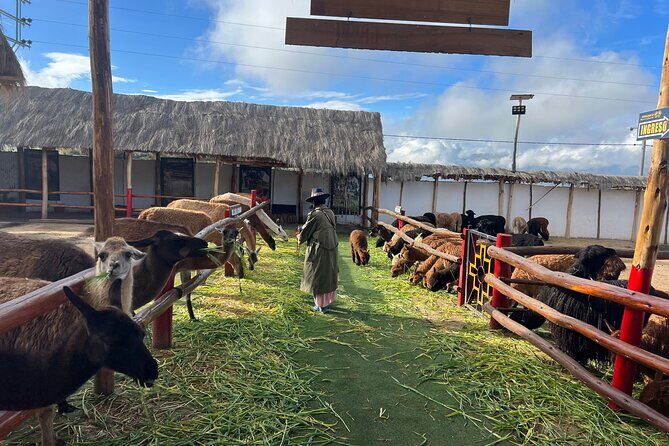
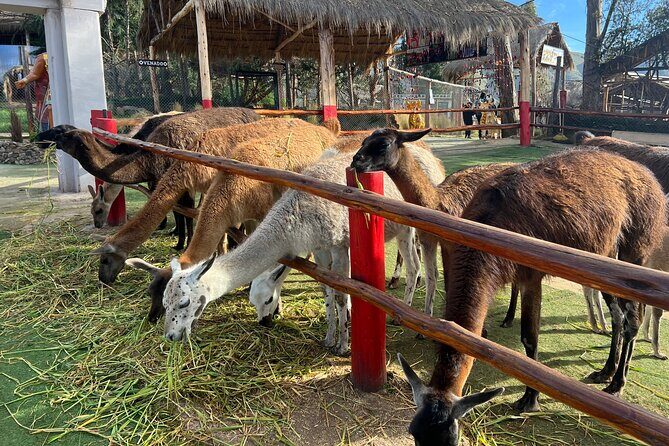
The first stop is Manos de la Comunidad. After pickup, the drive is about 15 minutes to the rescue center for native animals of South America. This is not just a quick photo stop. You’ll see animals including llamas, alpacas, huanacos, and vicuñas, and you’ll also learn about the importance of the Andean condor.
One of the highlights here is the animal interaction. In a review, the experience included the chance to feed the animals, and that’s exactly the kind of moment that makes this stop feel alive and personal. Even if you’re not thinking about doing hands-on activities, you’ll still get something meaningful: a clearer sense of how local conservation and care fit into the broader Andean world.
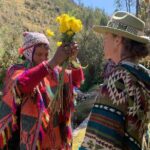
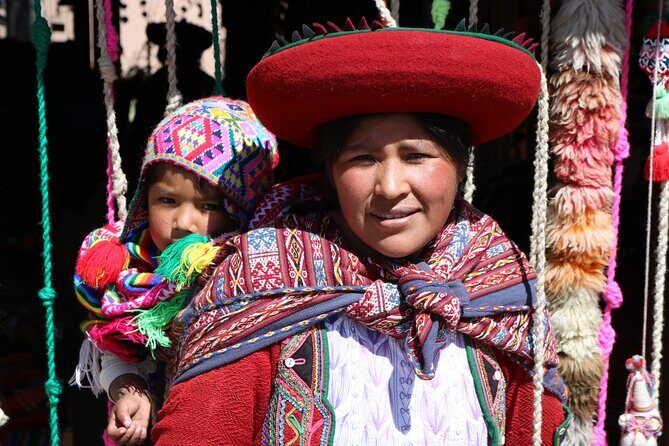
Then comes the human side of the day: this cultural center is tied to local traditions and ancestral textile techniques. You’ll learn how to recognize textile works made by local residents. That may sound abstract, but it’s surprisingly useful. Once you know what to look for, shopping later doesn’t feel like guesswork—you start spotting patterns and quality cues instead of just picking the prettiest thing.
A review also mentioned a bonus textile making experience and a chance to shop at a boutique store. If that part appeals to you, you’ll likely feel rewarded rather than pressured. If it doesn’t, treat it as optional browsing time after you’ve already gotten the context.
Admission to this first stop is listed as free in the schedule, which helps the overall value feel more balanced.
Salinas de Maras Salt Mines: the Salt Story and the Pink-Salt Purchase
After Manos de la Comunidad, you head to Salinas de Maras. The drive is about an hour. Along the way, you’ll get views of the Sacred Valley area, which helps break up the morning and makes the arrival feel more intentional than just another quick arrival.
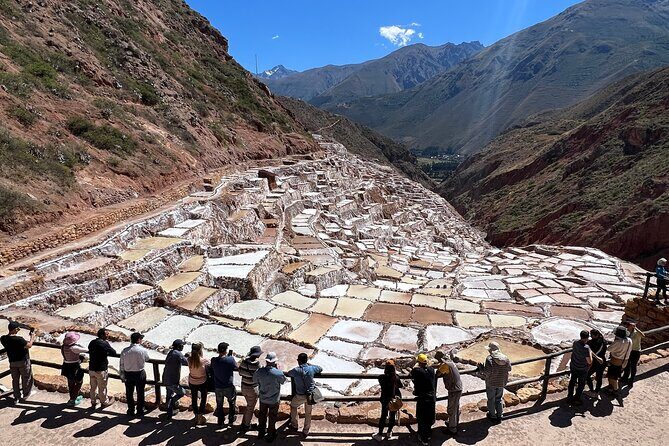
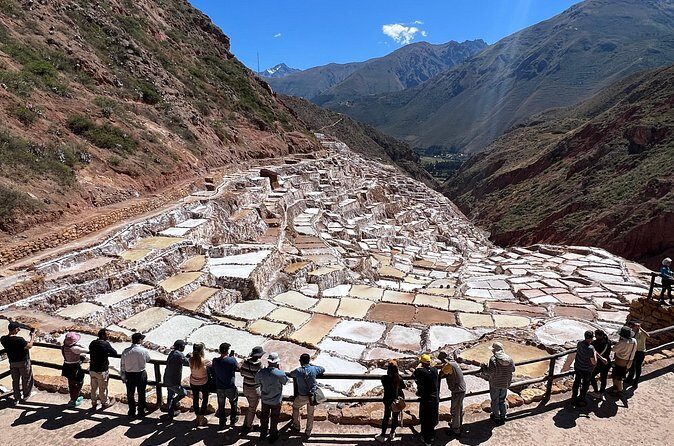
At the salt mines, you’ll spend around 45 minutes with a professional guide. This is where the tour gives you the key explanations, not just the scenery. You’ll learn why there is salt in the mountains of the Andes, the importance of salt in the time of the Incas, and its current use and benefits for local residents.
That guided context is the difference between seeing salt “as a sight” versus understanding it as part of a real local economy and history. The salt story also helps you make sense of what you’re seeing at the mines—the scale and the vivid colors are easier to appreciate when you know what salt production means here.
There’s also time for shopping. You can buy famous fleur de sel and pink salt. If you want to take something home, this is the practical moment. I’d also consider asking your guide how the different salts are typically used, because the purchase is more satisfying when you understand what you’re actually bringing back to your kitchen.
Ticket timing matters here. The schedule notes indicate admission for the salt mine stop is not included, but the package details list admission to the salt works of Maras as included. To avoid disappointment, confirm what’s covered when you book. Either way, the key value is that you’re not wandering the site with no context—you’re there with a guide.
Moray: Inca Agricultural Experimentation and Genetic Diversity
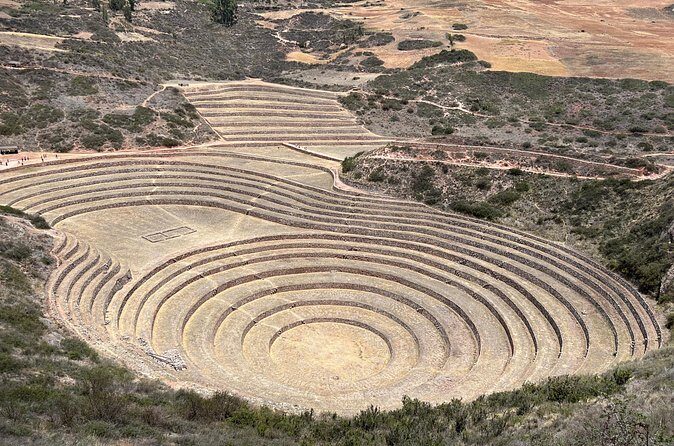
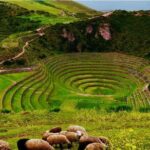
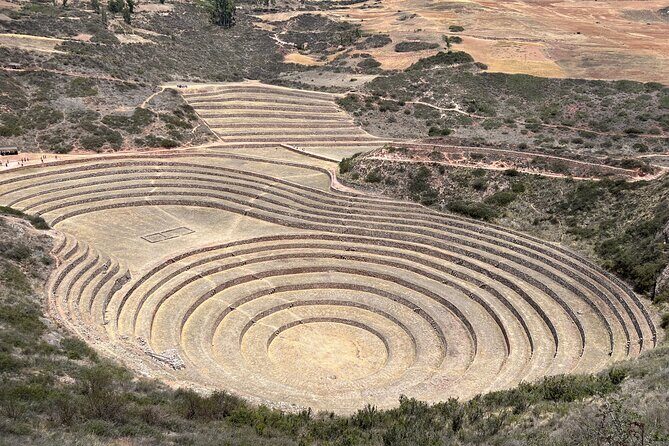
Next up is Moray, the agricultural experimentation center. The drive from the salt mines is around 30 minutes. At Moray, you’ll have about 45 minutes with your professional guide.
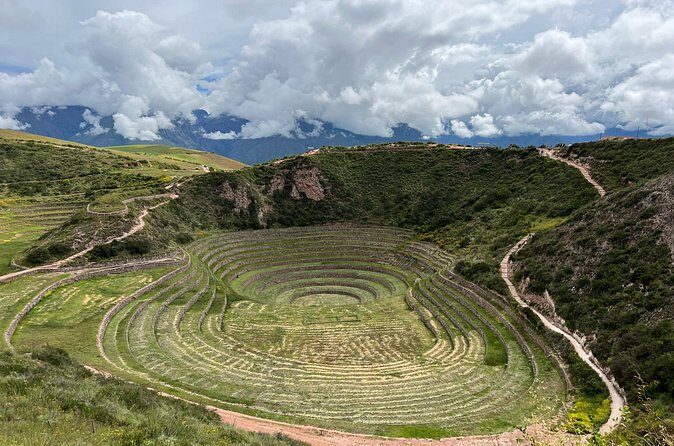
This stop focuses on what the Incas were trying to do with agriculture. You’ll learn the importance and purpose of expanding genetic diversity of agricultural production in the Inca empire. The way this is framed is useful: it doesn’t just treat Moray as a neat set of terraces. It connects the terraces to a goal—experimenting and improving agricultural outcomes.
If you like tours that connect dots—history to farming to place—Moray is where that payoff hits. It’s also a good contrast to the morning. One stop is about native animals and textiles, another is about salt production, and Moray is about scientific-style experimentation in an Andean setting. That variety helps the day feel coherent rather than random.
Moray’s ticket is listed as not included in the stop notes, but the package details list entrance to Moray as included. Again, confirm at booking what you need to pay on-site, if anything. Either way, what you’re buying with your time is guided interpretation, and that’s where your money turns into understanding.
After Moray, you head back to Cusco, about an hour away. This is the moment when the day’s energy shifts from learning and looking to winding down and getting back to the hotel.
Price and Logistics: Is $90 Good Value?
Let’s talk money in a practical way. At $90 per person, this tour gives you three guided experiences in a single stretch: Manos de la Comunidad, Salinas de Maras, and Moray, with transportation between them.
What makes the price feel fair is what’s included:
- Air-conditioned vehicle
- Professional guide
- Bottled water
- Admissions listed as included for the salt works and Moray entrance (with a note that stop details sometimes say not included)
What’s not included:
- Lunch
So you’re paying for convenience and interpretation. You’re not renting a car, planning drives, and piecing together explanations at three separate sites. You’re also not doing it with a huge group. The maximum group size is 10, which usually keeps the tour from feeling like a cattle line and makes it easier to ask questions.
The main financial downside is simple: if you need a full meal, you’ll likely spend extra. Since lunch isn’t included, I suggest planning a snack strategy—buy something quick beforehand, or have a clear plan for what you’ll eat after you’re back in town.
Also, remember that the tour runs 5 to 6 hours on paper. If you’re paying for a shorter day but it runs longer (as some travelers experienced), you’re still getting the same sites. The value stays strong—it just means you should plan your afternoon like a grown-up, not like a hopeful optimist.


What It’s Like With a Small Group (and a Driver Who Handles the Roads)
A capped group size of 10 is more than a nice-to-have. It changes the feel of the day. You’re more likely to get answers to questions, and the guide can keep an eye on what everyone needs. It also helps at the animal and textile stops, where people naturally slow down to look and interact.
One review specifically praised a guide named Fabrizio for being knowledgeable and responsive, plus a driver named Freddy for handling the day smoothly. Those details matter because logistics are half of how enjoyable a multi-stop tour becomes. A steady driver and a guide who can adjust when people have questions make the day feel easy.
The tour also includes a mobile ticket, which is convenient. And since it’s offered in English, you’re not guessing what you’re looking at.
One more practical note: because the tour is early and structured, wear shoes that work on uneven ground and plan for some standing and walking. Manos de la Comunidad and the sites around salt and terraces involve moving around. You don’t need hiking gear, but you do need comfortable footwear.
Best For Who? A Quick Match-Up
This tour fits best if you want:
- A mix of culture and nature in one morning: animals + textile traditions + Inca-style agriculture + salt production
- Guided context so the sites mean more than just photos
- A time-efficient way to see major Cusco-area highlights without renting a vehicle
- A small group experience rather than a large bus crowd
It may feel less ideal if you:
- Want a full day with long free time at one site
- Hate structured visits and prefer self-guided wandering
- Don’t want to handle food planning since lunch is not included
- Want zero shopping opportunities (there’s time to buy salt, and a boutique shopping option may appear around the textile stop)
Should You Book This Tour?
If your goal is to pack a meaningful Cusco-area experience into a manageable chunk of time, I’d say this is a strong yes. The day’s structure is actually smart: you start with native animals and textile skills, then you learn the salt story, and you finish with Moray’s agricultural experimentation. That’s a lot of learning for one $90 ticket.
I’d book it if:
- You like guided explanations more than aimless wandering
- You want both cultural elements (textiles) and practical place-based history (salt and farming experimentation)
- You’re okay starting at 8:00 am and handling lunch on your own
Before you go, do one simple task: confirm exactly what admissions are included for Salinas de Maras and Moray. The details provided include admissions in the package summary, but some stop notes say otherwise. One quick confirmation prevents a small money surprise.
If you want flexibility, the experience offers free cancellation up to 24 hours in advance for a full refund, so you’re not locked in too tightly.
FAQ
FAQ
What time does the tour start?
The tour starts at 8:00 am with pickup from your hotel.
How long is the tour?
It runs about 5 to 6 hours.
Does the tour include hotel pickup?
Yes, pickup from your hotel is offered.
Is lunch included?
No, lunch is not included.
Is the tour offered in English?
Yes, it’s offered in English.
How big is the group?
The tour has a maximum of 10 travelers.
Are admission tickets included for Salinas de Maras and Moray?
The package details list admission to the salt works of Maras and entrance to Moray as included, but the stop notes say tickets are not included for those two stops. Confirm what you’ll be asked to pay at booking.