REVIEW · CUSCO
Sacred Valley: Huaypoo Lagoon and Maras by Quad Bike – ATV
Book on GetYourGuide →Operated by Peru Andes Top · Bookable on GetYourGuide
A quad ride in the Andes sounds simple. Then you realize it connects Cruz Pata, Laguna de Huaypo, and the famous Salineras de Maras in one tight 6-hour loop. This is the kind of day that feels different from the usual bus-and-photos circuit, especially once you get moving on your own wheels.
What I like most is the short, clear ATV training right in Cruz Pata, and the way the bilingual guide keeps things grounded in safety and local context. I also really appreciated the human touches from guides like Floyd, who made the Maras stop feel calm and organized, and Carlos, whose salt-mine explanations came with a lot of energy.
One thing to plan around: the day has transfers by tourist vehicle and the lagoon stop can feel short. If you want nonstop riding, you might find the pacing a bit slow, and in one case the Huaypo stop felt more like a quick break than a full sightseeing moment.
In This Review
- Key points worth knowing before you go
- Entering the Sacred Valley from Cusco: pickup, timing, and transfers
- Cruz Pata quad bike training: the 15 minutes that set your confidence
- Laguna de Huaypo: the story, the photos, and the trade-off
- Riding toward Riobamba and the mountain views you actually remember
- Maras salt mines: viewpoint access, salt shopping, and what you can’t do
- Price and value: what $40 buys, and what to budget for
- Safety, rules, and the riding style you should expect
- Who this quad bike day suits (and who should skip it)
- Should you book this Sacred Valley quad tour? My practical verdict
- FAQ
- How long is the Sacred Valley quad bike tour with Huaypo Lagoon and Maras?
- What’s included in the price?
- Do I need to pay an entrance ticket for the Salineras de Maras?
- Can I enter the salt mines at Maras?
- If I choose single rider, do I drive the ATV myself?
- What’s the difference with the double rider option?
- Is lunch included?
- What should I bring for the tour?
- Is there a cancellation option if my plans change?
- Where do I get picked up and dropped off?
Key points worth knowing before you go
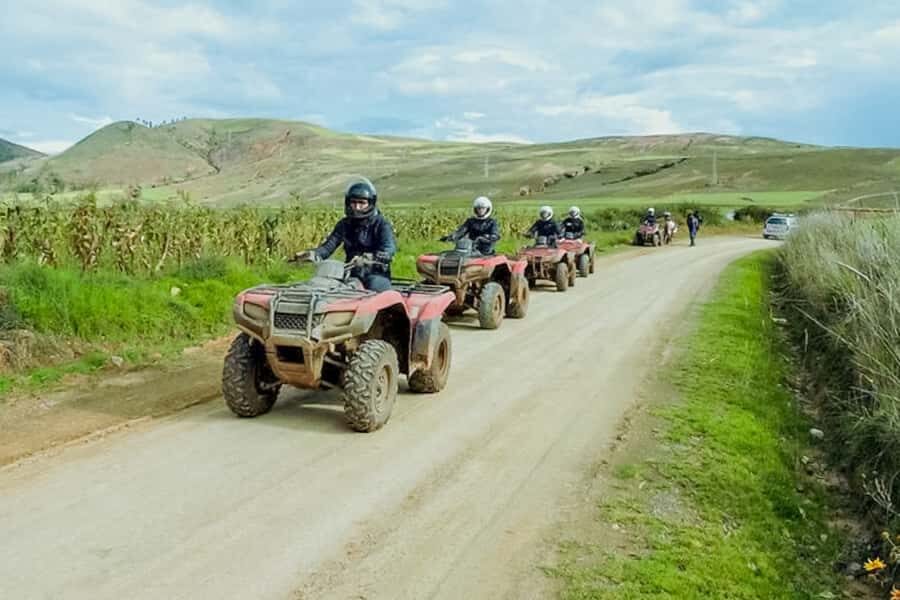
- 15-minute training in Cruz Pata means you’re not thrown onto rough terrain with zero guidance.
- Huaypo Lagoon is a brief stop, so set expectations for a quick photo break rather than a long hangout.
- Maras salt mines are viewpoint-only (no entry inside), which changes how you plan your time.
- You’ll ride and also ride-in-vehicle, so the day is mixed effort, not just constant ATV time.
- Single vs double rider changes the feel: one driver controls the ATV; the other gets a passenger ride.
- Guide quality matters, and the best moments depend a lot on your bilingual guide.
Entering the Sacred Valley from Cusco: pickup, timing, and transfers

This tour starts with pickup from hotels or places in the center of Cusco, with return arranged to Plaza de Armas Cusco or a nearby spot. That matters more than it sounds—Cusco can be a maze, and you don’t want to spend your limited energy finding the “right van” at altitude and traffic speed.
Plan on a 50-minute ride to the Cruz Pata community in the heart of the Sacred Valley of the Incas. That drive is part of the rhythm of the day: you’re traveling out to where the ATV experience makes sense, then you’ll switch between riding legs and vehicle legs. In practice, some people end up feeling like they spend more time in the cramped vehicle than they expected, so if you’re sensitive to that, keep your expectations realistic from the start.
You’ll also notice the tour is built around multiple viewpoints. That’s good value because it stacks major sights—Laguna de Huaypo, the salt mines of Maras, plus big mountain views—without requiring you to do all the logistics on your own.
You can also read our reviews of more cycling tours in Cusco

Cruz Pata quad bike training: the 15 minutes that set your confidence

Once you arrive in Cruz Pata, you get a 15-minute bike training before the official adventure starts. It’s not a long course, but it’s exactly what you want on a quad day: enough instruction to understand how to control speed, turns, and stopping, and enough structure to feel safe before you’re out there.
This is also where the “community” element becomes real. You’re not just passing through a scenic roadside stop. You meet locals in the heart of the Sacred Valley, and the whole day feels more like a shared activity than a purely commercial photo moment.
One more practical detail: single-rider and double-rider options change the experience a lot. With single rider, you drive the ATV. With double rider, you share one ATV with a partner—one person drives while the other enjoys the ride. If you’re booking with someone and you both want to drive, you’ll have to pick the single option or accept that only one person will handle the throttle.
Laguna de Huaypo: the story, the photos, and the trade-off
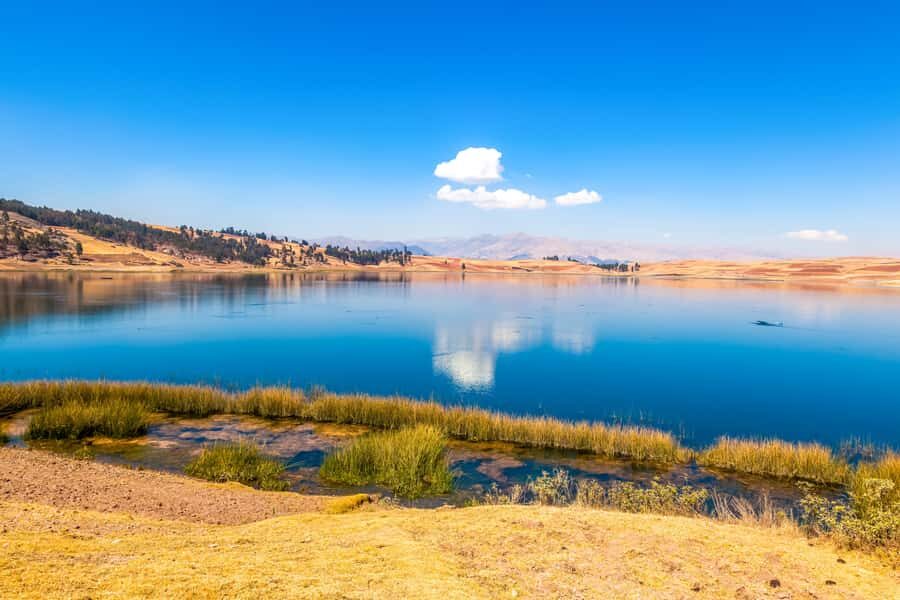
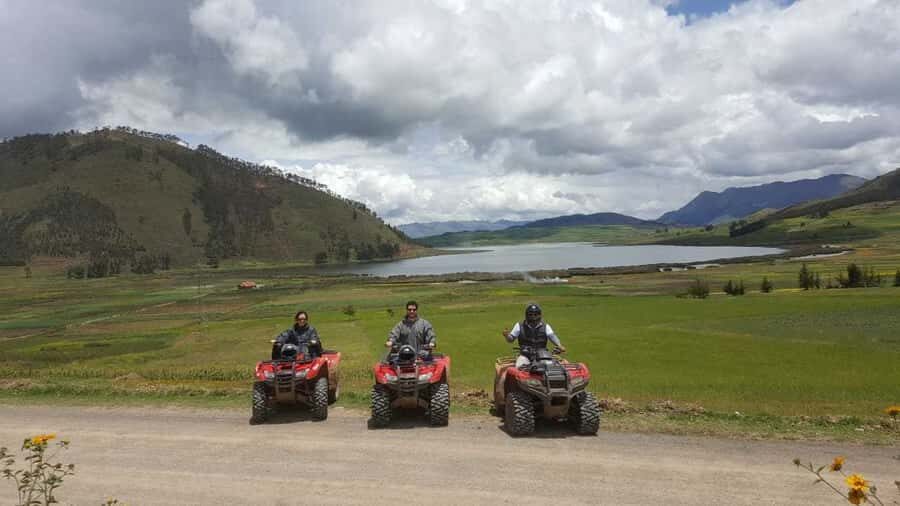
After training, the route takes you toward Laguna de Huaypo, described as a spot that has inspired stories and legends. You’ll also catch wide mountain scenery along the way, including views tied to Verónica and Chicón as you move through the area.
Now for the part to manage carefully: the lagoon stop can feel underwhelming if you were expecting an extended visit. Some people found it more like a quick break with limited time for photos and exploring. Even when the stop is “fine,” it’s usually not the main event of the day. The real draw is that the lagoon is part of the ATV route, not a full independent attraction you’d spend half a day on.
If you’re the type who likes to get the postcard shots fast and keep moving, you’ll probably enjoy it. If you want a slower, more immersive nature break, you may feel the time crunch.
Tip: bring your sunglasses and something for wind and sun, because the high-exposure light can make quick photo stops tricky. This is one of those places where you’ll wish you had sunscreen already on.
Riding toward Riobamba and the mountain views you actually remember
The quad route is designed to make you feel the “off the beaten path” side of the Sacred Valley. You’ll venture along paths that take you down toward the area connected to Riobamba, and at that point the tour shifts gears.
What I like about this structure is that it keeps the day varied. You get a real ATV feel for the terrain and movement, then you swap to a vehicle leg without losing momentum on the big sights. For many people, the “best photos” come right around these transition moments: wide views of the mountains, plus the sense of scale you just don’t get from a straight road viewpoint.
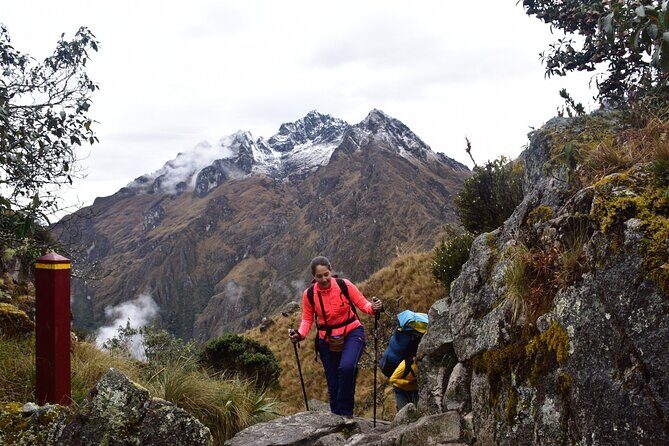
Also, the way the tour mentions Verónica and Chicón isn’t just marketing fluff. Those are the kinds of peaks you’ll likely notice when you stop for the right angles and when the route opens up to flatter sightlines.
And yes, the day can include some waiting time in transit. One traveler even described feeling stuck inside the van for most of the day rather than doing activities. That’s not what I’d call the norm, but it’s a reminder to mentally separate the experience into two parts: riding time and sightseeing/transfer time.
Maras salt mines: viewpoint access, salt shopping, and what you can’t do
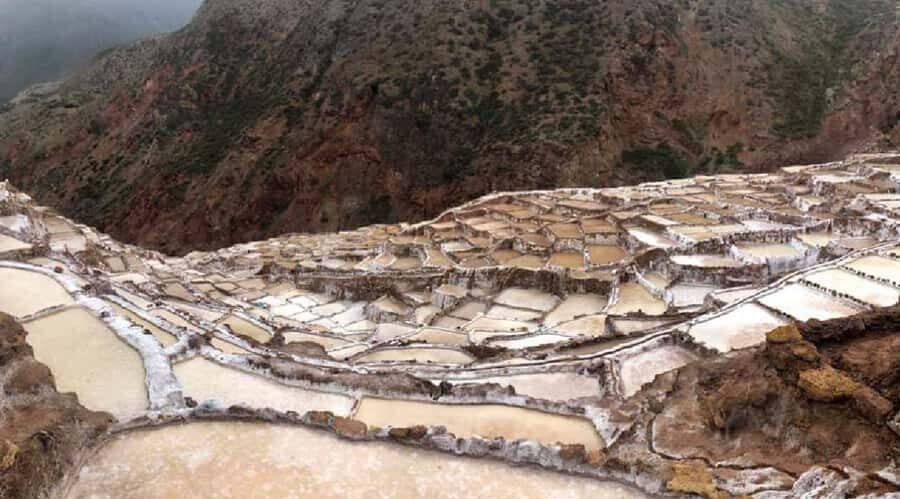
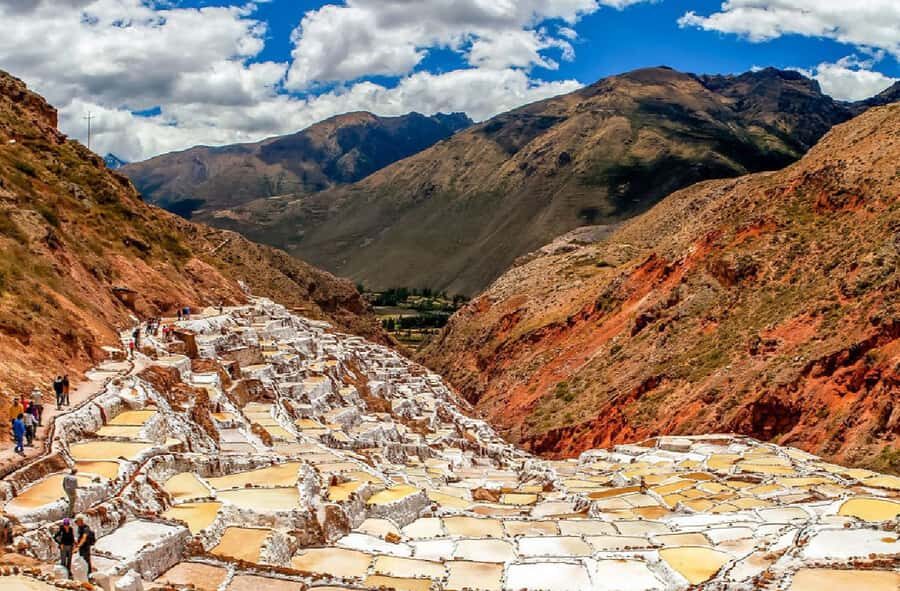
The big-name moment is Salineras de Maras, the famous salt mine area. Here’s the key practical thing: you can’t access inside the mines due to preservation issues. That changes the experience in a big way. You’re going for the view, the layout, and the chance to learn how it works from the guide’s explanation—not for walking through the working sections.
You’ll head to the mines by a bus leg after the ATV route, and you’ll see the salt mines from a viewpoint. From that viewpoint, you can also shop. Guides typically point out what’s worth looking at, and there are salt products available for purchase at the site.
In one guided moment, the salt mine explanation was praised for clarity, especially when the guide—Carlos—brought energy and helped visitors understand the salt mine well. Another traveler felt the time at the mines was very short, with only enough time for a quick explanation and a few photos before needing to move on. So, the experience here can vary based on your schedule and the pace your guide sets.
Practical advice: treat Maras as a quick “see it, understand it, photograph it, shop if you want” stop. If you plan to linger like it’s a museum you can explore for hours, you’ll feel rushed.
Also remember the salt ticket (S/15) is not included. You’ll want cash or card ready, depending on how the site handles payments.
You can also read our reviews of more tours and experiences in Cusco



Price and value: what $40 buys, and what to budget for
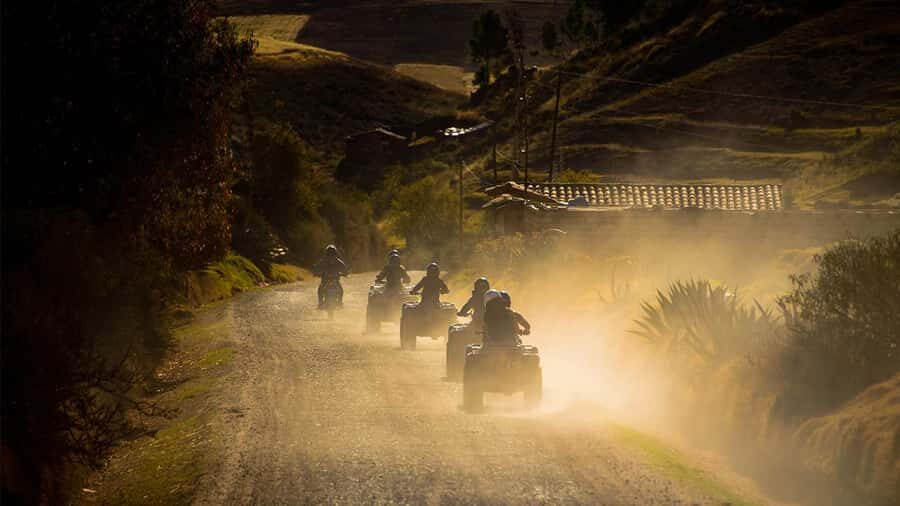
At around $40 per person, this is a good-value way to combine two iconic Sacred Valley sights with ATV time, because it includes:
- quad bike tour (single or double rider)
- a professional bilingual guide
- pickup and return from central Cusco
- tourist vehicle transportation
- safety equipment
What’s not included is the Salineras ticket (S/15) and lunch. And you should assume you’ll want water and snacks for breaks, even though water is listed for what to bring.
So is it worth it? I think it’s worth it if you genuinely want the quad experience and you’re okay with a mixed schedule (riding plus transfers). If your main goal is long lagoon time or lots of walking around Maras, you’ll likely feel the limits, since access inside the mines is off the table.
If you’re comparing options, the value logic is simple: ATV tours that include guided safety training plus pickup usually cost more when booked separately from the Cusco sight transport. Here, the bundle makes it easier to do multiple highlights without juggling different providers.
Safety, rules, and the riding style you should expect
This tour gives you safety equipment and includes a training session, which is exactly what you want for a quad day in uneven terrain. You’ll also be accompanied by a bilingual guide who can help keep the group moving and explain what’s next.
But riding style can vary. One traveler described the ATV ride as a slow procession with basic and extra-cautious rules, not exactly the freedom they wanted. Another noted feeling safe when the guide was close and attentive, with a guide like Floyd taking care with pacing and helping with photos.
So what should you do with this information? Decide what matters to you:
- If you want controlled riding, clear guidance, and photo-friendly stops, you’re likely to enjoy the day.
- If you want fast, aggressive ATV handling, you may feel boxed in by group rules and slow-moving lines.
One more reality check: the tour uses vehicle transfers. In a couple of experiences, the transport driver’s handling became part of the story (including concerns about unsafe driving in one case). You can’t control that, but you can choose what to do with it: stay focused on seatbelts, follow instructions, and communicate any comfort concerns to your guide early.
Who this quad bike day suits (and who should skip it)
This isn’t a fit for everyone. It’s not suitable for children under 15, and it’s also not designed for people with mobility impairments or wheelchair users. If you’ve got balance or mobility limitations, treat that as a firm boundary.
It’s a good fit if you:
- want a hands-on activity in the Sacred Valley, not just a van tour
- like the idea of learning basic ATV control quickly in Cruz Pata
- care about scenic stops like Laguna de Huaypo and the Maras salt mines viewpoint
- don’t mind a schedule with both riding and transport legs
If you’re booking with a partner, think about the single vs double rider choice early. Want full control? Choose single rider. Want a shared experience where someone can rest? Double rider is the practical option.
Should you book this Sacred Valley quad tour? My practical verdict
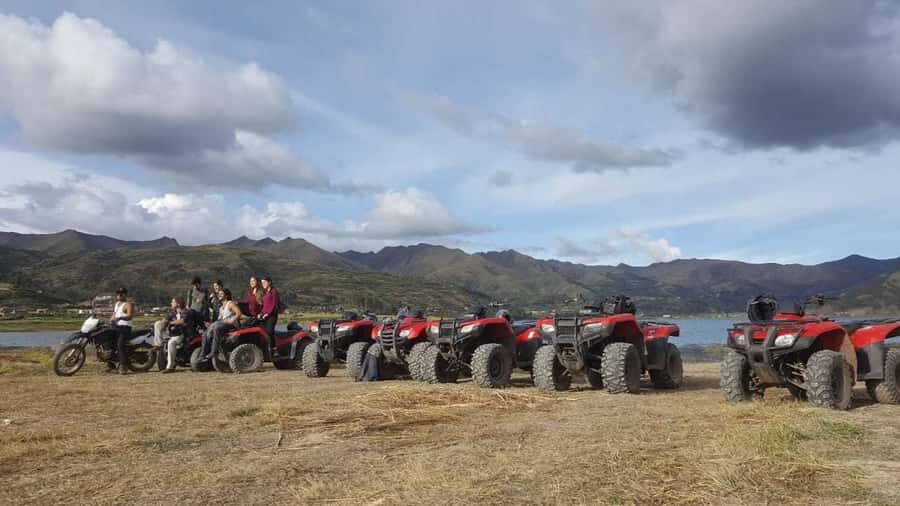
I’d book this if your ideal day in the Sacred Valley includes ATV time, a guided explanation, and a chance to see Maras without doing it as a long hike. The $40 price point works best for people who want value and motion, and who can accept that the day moves on a schedule.
Skip it (or at least reconsider) if you need extended time at Laguna de Huaypo or you’re expecting to walk around inside the salt mines—access inside isn’t possible. Also rethink it if you get grumpy about vehicle time, because the route includes transfer legs and some people end up wanting more actual riding.
If you do book, bring your patience and your photoshoot mindset. This is a day where the best moments come when you’re ready for quick stops, big views, and a guide who keeps the group safe.
FAQ
How long is the Sacred Valley quad bike tour with Huaypo Lagoon and Maras?
The tour lasts about 6 hours.
What’s included in the price?
It includes pickup from hotels/places in central Cusco, the quad bike tour (single or double rider), a bilingual professional guide, return to Plaza de Armas Cusco or nearby, tourist vehicle transportation, and safety equipment.
Do I need to pay an entrance ticket for the Salineras de Maras?
Yes. The Salineras ticket is not included and costs S/15.
Can I enter the salt mines at Maras?
No. Due to preservation issues, it’s not possible to access inside the mines. You’ll see them from a viewpoint.
If I choose single rider, do I drive the ATV myself?
Yes. With the single-rider option, you drive the ATV yourself.
What’s the difference with the double rider option?
With double rider, you and a partner share one ATV. One person drives while the other rides as the passenger.
Is lunch included?
No. Lunch is not included.
What should I bring for the tour?
Bring passport or ID, comfortable shoes, sunglasses, sun hat, sunscreen, water, rain gear, and long pants.
Is there a cancellation option if my plans change?
Yes. You can cancel up to 24 hours in advance for a full refund.
Where do I get picked up and dropped off?
Pickup is included from hotels and establishments in central Cusco. If your hotel is outside the historic center or not accessible by vehicle, you’ll be given a closest meeting point. Return is to Plaza de Armas Cusco or a nearby place.