REVIEW · CUSCO
Cusco : Super Sacred Valley moray Maras salt Mines 1 Day
Book on Viator →Operated by Machu Picchu · Bookable on Viator
Sacred Valley in one long day. This Cusco tour packs Chinchero, Moray, and the Maras salt mines into a single 12-hour rhythm, with an official guide to connect what you’re seeing to Inca life and farming. I especially like the way the schedule fits limited time in Cusco, and I love that you get transport handled so you can focus on the scenery and the stops instead of logistics.
One thing to keep in mind: you’ll still need cash for site entrances (the day includes a mix of included and not-included access), and the pace is brisk for a full morning start at 6:30 am. Also, road conditions in the Sacred Valley can make the drive feel a bit fast or bouncy, so this is best if you’re cool with being in a vehicle for hours.
In This Review
- Key things to know before you go
- The 6:30 am start and a 12-hour Cusco-to-valley day
- Chinchero: fabrics, crafts, and the Inca-era market vibe
- Moray: the terrace “amphitheater” that teaches microclimates fast
- Salinas de Maras: salt pools shaped by the sun
- Urubamba: the included buffet lunch and valley produce rhythms
- Ollantaytambo: fortress strategy between mountains
- Pisac: polished stone, towers, and an Inca astronomical angle
- Price and logistics: what $27 really covers
- The guide experience and pacing for up to 18 people
- Best moments to plan around (so the day feels worth it)
- Who should book this Sacred Valley day trip
- Should you book this Cusco: Sacred Valley day tour?
- FAQ
- How long is the Sacred Valley tour from Cusco?
- What time does the tour start?
- Is hotel pickup included?
- What language is the guide?
- Is lunch included?
- Are entrance fees included in the tour price?
- How many people are in the group?
Key things to know before you go
- 6:30 am departure helps you beat the busiest hours and fit everything into one day
- Moray’s terrace microclimates explain how Inca farmers matched crops to temperature
- Maras salt pools show salt-making in a simple, sun-and-evaporation system
- Buffet lunch in Urubamba is included, so you can recharge mid-tour
- Up to 18 people keeps it small enough for a real guide conversation
- Bring cash for entrances so you don’t get stuck at the gate
The 6:30 am start and a 12-hour Cusco-to-valley day
This trip is built for travelers who want a lot of Sacred Valley highlights without switching accommodations. It runs roughly 12 hours, starting around 6:30 am, so you’ll get a full day of Inca sites plus a traditional valley lunch without wasting time in transit the next morning.
Your morning begins with pickup offered from Cusco. The exact pickup timing is coordinated by WhatsApp after booking, and the operator notes it’s near public transportation—helpful if you’re staying somewhere easy to reach. Expect a small group, with a maximum of 18 people, which usually means more space for questions and less waiting around than with huge bus tours.
Fitness-wise, the tour is described as moderate. You won’t be doing long technical hikes, but you should plan for standing, walking between points, and moving at a set schedule. If you’re prone to altitude-related fatigue, pace yourself early in the day and drink water consistently.
You can also read our reviews of more tours and experiences in Cusco

Chinchero: fabrics, crafts, and the Inca-era market vibe
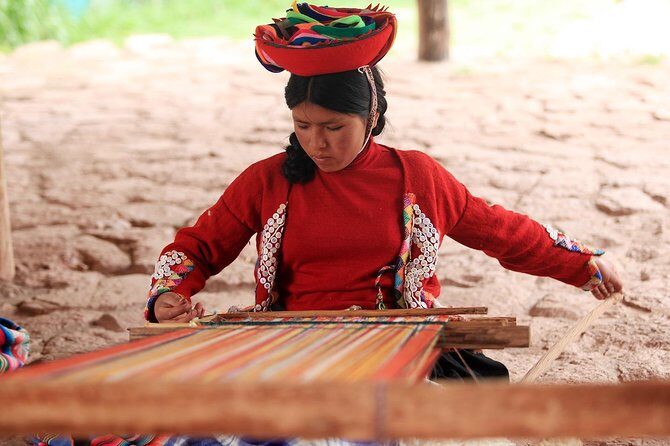
Chinchero is the first stop, and it’s a strong one if you want culture plus ruins in the same place. The area is known for handicrafts and colorful fabrics, and the most distinctive moment is the Sunday market, where people still barter to trade goods. If your visit lands on a Sunday, you’ll likely see that classic give-and-take energy that feels closer to tradition than a fixed-price shopping stop.
Beyond shopping, Chinchero also has an archaeological complex, so you’re not only passing through a craft area. The key payoff here is context: a good guide helps you connect the site’s role to how communities organized life in the Inca period—especially how daily trade and craft production fit into the broader valley system.
Timing is tight but reasonable: you’ll have about 45 minutes here. If you’re the type who wants to browse every textile corner, don’t count on deep shopping time unless the group pace is cooperative. Keep your browsing focused and take a few photos you genuinely like rather than trying to capture everything.
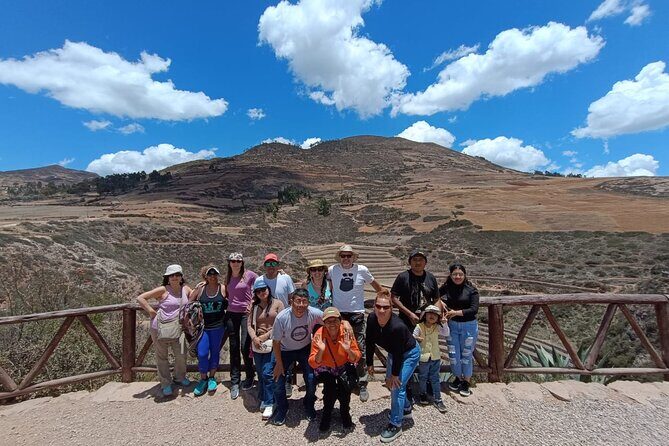
Moray: the terrace “amphitheater” that teaches microclimates fast
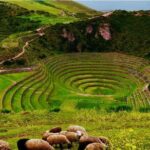
Moray is one of those stops that gets more interesting the moment someone explains it. The site looks like an amphitheater of terraces, and the reason it matters is practical: each terrace represents a different microclimate, tied to the height and the temperature variation. In plain terms, it’s like Inca-controlled farming experiments built into stone rings.
The complex is described as having more than 20 miniature sectors, each suited to different crops based on temperature. When a guide narrates how those terraces would influence growth, Moray turns from scenery into a story about adaptation—how people used the geography they had instead of fighting it.
You typically get around 45 minutes at Moray. If you want to walk through more of the terraces and platforms, you can squeeze in a “first-hand” feeling of the place, but don’t expect an unhurried pace. This stop rewards curiosity more than comfort—ask questions about how height affects farming and listen for details your guide emphasizes.
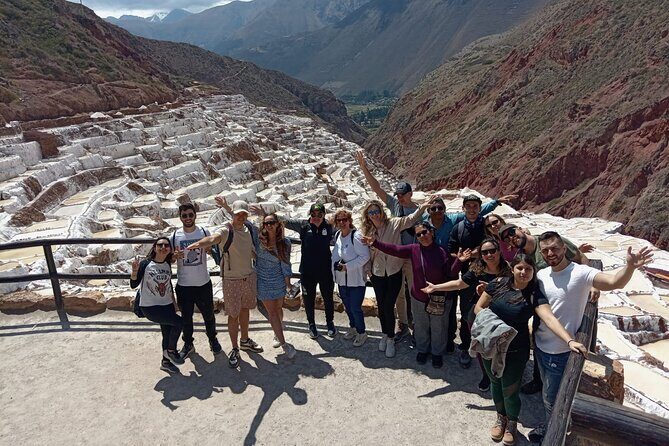
Salinas de Maras: salt pools shaped by the sun
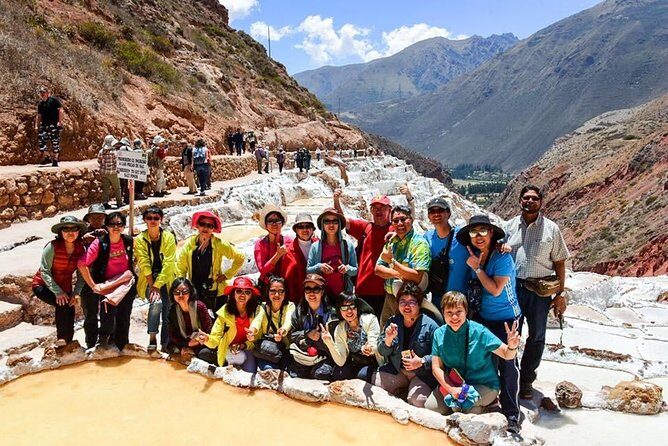
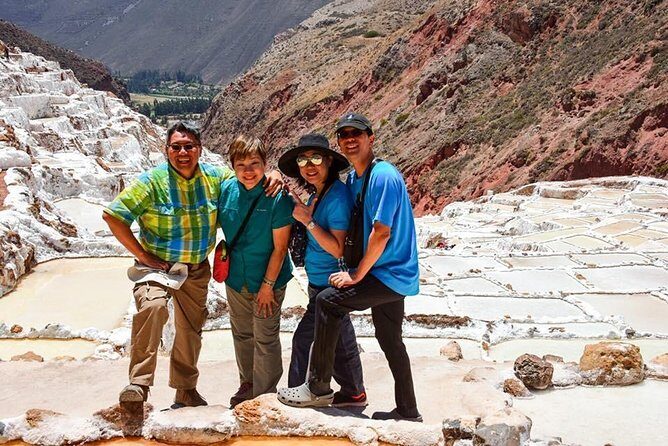
Salinas de Maras is Salt-Making 101, Sacred Valley style. The basic setup is simple: a river with low flow carries salty water into pools, then the water stagnates and gradually evaporates under the heat. Over time, that evaporation leaves the salt behind—the same practical system you’ll see in action at the pools.
This is a great contrast stop after Moray. Where Moray is about controlled agriculture through terracing, Maras shows a long-standing resource use that depends on climate and evaporation. It’s also visually memorable: the pools form a patchwork on the slopes, which makes it easy to take photos from different angles.
You’ll have about 40 minutes here. If you want a few extra minutes for photos, it’s smart to hold them until you’ve looked first from a main viewpoint, then return for close-ups. Don’t go hunting for the perfect shot immediately—Maras rewards you for understanding the overall layout before you zoom in.
Urubamba: the included buffet lunch and valley produce rhythms
Urubamba is where the day gets a reset. It’s known for Inca productions, especially corn, and today it’s described as a countryside area with fruit production. That matters because your lunch isn’t just a meal break; it’s a clue about what sustains people here.
The tour includes a buffet lunch in Urubamba, so you won’t be scrambling for food while everyone else keeps moving. Reviews highlight the lunch as well-stocked, and that you’ll likely feel like you got real value for an included meal—no tiny snack box energy.
Your time here is about 45 minutes. With a guided day like this, the best approach is to eat efficiently, drink some water, and keep your energy steady. If you’re sensitive to spicy food, take a minute to scan what’s available before you load your plate. Then you can move on without getting stuck for extra time at the table.



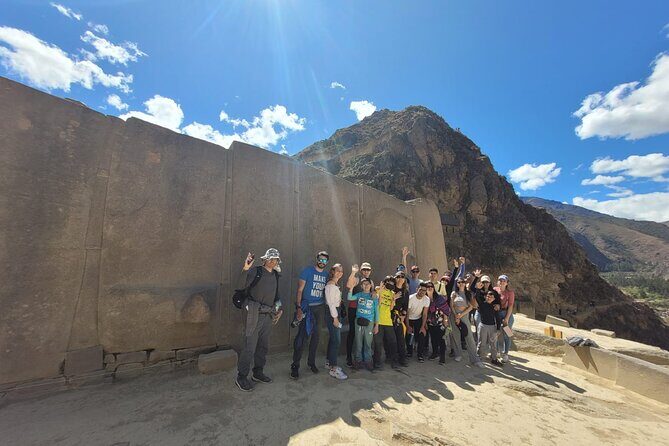
Ollantaytambo: fortress strategy between mountains
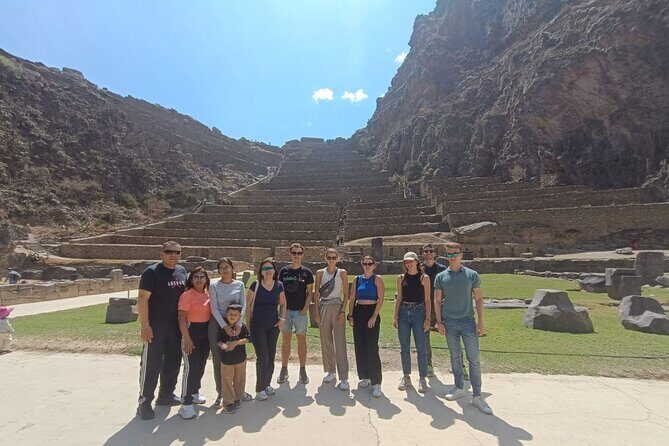
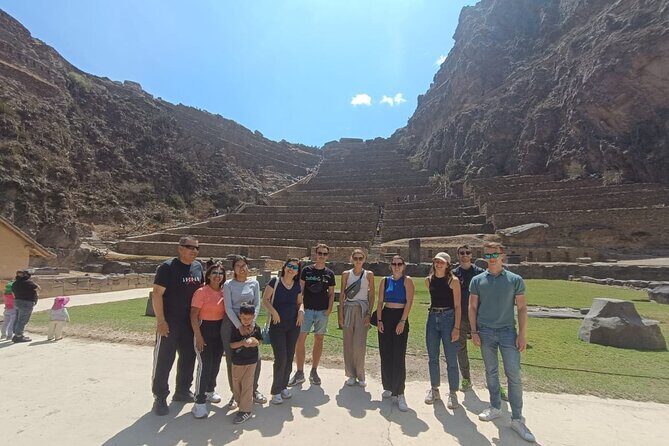
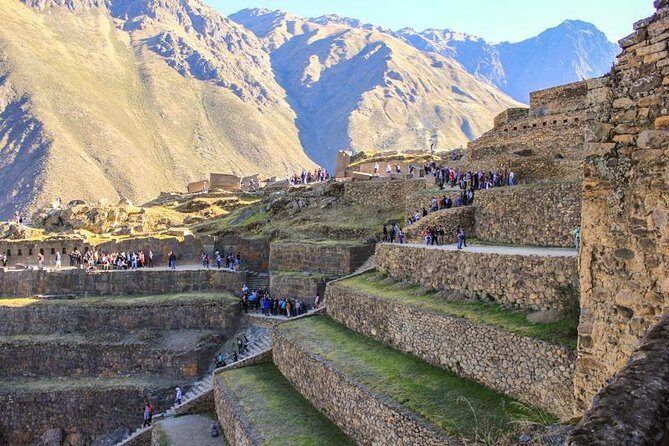
Ollantaytambo is a powerful stop because you see why the place mattered for control and defense. The foundation is attributed to Ollántay, and the emphasis in this stop is the military fortress that protected a strategically located area between two mountains.
You’ll spend about 45 minutes here. The main point isn’t just walking through ruins—it’s understanding the geography. When you connect the fortress to the valley’s tight passes, the site feels more logical, like it was built for a reason beyond aesthetics.
One review specifically mentions ending with the Ollantaytambo museum, and even though the core focus is on the fortress and nearby Inca deposits, it’s common to tie the story together at the museum/heritage area when the schedule allows. If your guide mentions museum context, pay attention. It helps turn stones into a clear timeline of how the Incas used this area.
Pisac: polished stone, towers, and an Inca astronomical angle
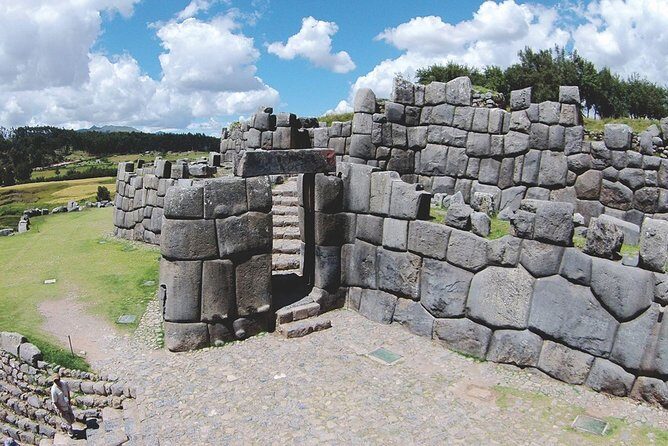
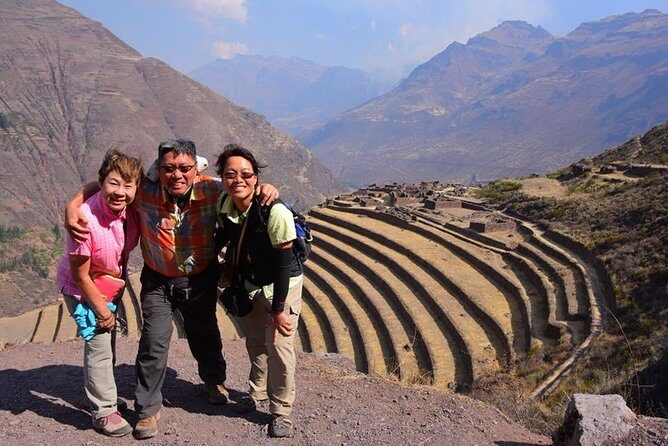
Pisac rounds out the archaeology in a big way. The description is very Inca: polished stones fitted together precisely, plus a mix of features like a citadel, towers, and military forts. It also includes an astronomical observatory angle, which is a great reminder that Inca engineering wasn’t only about defense—it also tracked the sky and the calendar.
You’ll have about 45 minutes at Pisac. That’s not long enough to read every wall detail like a textbook, but it’s enough time for a guide-led orientation: point out the key structures, then let you connect the dots between the terraces, defensive layouts, and the observatory reference. If you like getting pictures that show structure rather than just ruins, Pisac is a good place to slow down for a few moments.
The stop also mentions an Inca cemetery, which adds another layer to what you’ll see. When a guide frames it respectfully, the site can feel more grounded in real people and real belief systems, not just sightseeing.
Price and logistics: what $27 really covers
At $27 per person, this tour looks like a budget-friendly way to get a full-day Sacred Valley circuit. What makes it workable isn’t just the ticket cost—it’s what’s included: tourist transport, an official tourist guide, and that buffet lunch in Urubamba. Those pieces remove the main “hidden costs” of figuring out your own route and timing across multiple sites.
The one part you should plan for is entrances. The tour notes site admission fees are not included, and you’re asked to bring 90 soles in cash (PEN 90.00 per person) for entrances at several stops (Chinchero, Moray, Maras salt mines, Ollantaytambo, and Pisac). At the same time, the schedule includes some stops labeled free in the day plan. Translation: your safest move is to bring the PEN 90 cash so you’re covered either way.
Also note language: the tour is offered in English, and you’ll be with a guide whose job is to make sense of each ruin stop. Good guidance is a big part of the value here. Without it, you’d still see impressive places, but you’d miss the “why” that turns a photo into understanding.
The guide experience and pacing for up to 18 people
This is where the tour can feel smooth or a bit hectic depending on how the day flows. The group size cap of 18 travelers helps keep it manageable, and multiple reviews praise the guide’s explanations—one mentions a guide named Ray, and another highlights strong explanation from Iván. That matters because Sacred Valley sites can look similar at first glance. A clear guide helps you tell them apart.
The pace is full. You’ll hit six stops, each around 40–45 minutes, plus travel time. If you love fast coverage, it’s a great format. If you prefer slow wandering with lots of personal time, you may feel slightly rushed—especially at places like Moray and Pisac where the layout invites you to explore.
One caution from mixed feedback: organization can get imperfect on some days. A review described issues with being separated from other couples and lunch placement variations. So keep your expectations realistic: this is a group day. If you want a super-controlled, one-table, one-flow experience, you might be happier with a smaller private tour.
Best moments to plan around (so the day feels worth it)
If you want this tour to feel rewarding rather than just busy, focus on a few priorities:
- At Moray, ask your guide what changes crop success across terraces. It’s the most “aha” stop for many people.
- At Maras, take in the overall pool pattern first, then switch to tighter photos once you understand the slope layout.
- At Urubamba, eat a solid lunch and don’t skip water, since the day keeps moving and the altitude can drain you even when you’re not hiking hard.
- At Ollantaytambo and Pisac, slow down for two or three structure photos where you can capture the fortress or stonework clearly. Those visuals help you remember the shape of the story later.
Also, start the morning ready. When a day begins at 6:30 am, you’ll feel the difference if you’re awake, hydrated, and dressed for cool early air. Cusco mornings often feel crisp, even when the afternoon warms up.
Who should book this Sacred Valley day trip
This tour fits well if you:
- Want the big Sacred Valley hits from Cusco in one day
- Appreciate an official guide explaining the meaning behind Inca sites
- Prefer group comfort and transport over self-planning between multiple locations
- Are okay with a schedule that moves often, with about 40–45 minutes at each major stop
It may not be ideal if you:
- Need lots of downtime between stops
- Get motion-sensitive in vehicles on curvy mountain roads
- Don’t want to handle cash for entrances during the day
Should you book this Cusco: Sacred Valley day tour?
If you’re short on time and want the most important Sacred Valley stops with less decision-making, I’d say yes. The tour’s strength is practical: transport, an English-speaking guide, and lunch are built in, and the sites chosen create a logical arc from market culture (Chinchero) to Inca agricultural science (Moray) to resource production (Maras), then back to Inca power and engineering (Ollantaytambo and Pisac).
Just go in prepared. Bring PEN 90 cash, plan for an early start, and be ready for a full, energetic day. If you do that, you’ll walk away with more than photos—you’ll have a clearer picture of how people in the Andes used land, weather, and stone to survive and thrive.
FAQ
How long is the Sacred Valley tour from Cusco?
The tour runs about 12 hours (approx.), starting early in the morning.
What time does the tour start?
The start time is 6:30 am.
Is hotel pickup included?
Pickup is offered, and pickup timing is coordinated with you (via the provided WhatsApp contact after booking).
What language is the guide?
The guide offers the tour in English.
Is lunch included?
Yes. A buffet lunch in Urubamba is included.
Are entrance fees included in the tour price?
No. Entrance fees are not included. You should bring 90 soles cash (PEN 90.00) per person for entrances at the listed sites.
How many people are in the group?
The tour has a maximum group size of 18 travelers.